Monitoring visit to the Snihurivka Correctional Colony (No. 5) – specialized tuberculosis hospital
I. General information
On 22 November 2020, a monitoring group of the KHRG consisting of assistant to the People’s Deputy Maksym Revyakin and two journalists – Pavlo Shvab and Hanna Ovdiienko – conducted a visit to the State Institution “Snihurivka Correctional Colony No. 5 – specialized tuberculosis hospital”. The institution is located in the village of Tsentralne of the Mykolaiv region. The institution was founded in 1963; since 1983, it has been specialized for sick convicts. This is a medium-security institution for men who are serving a sentence repeatedly. A feature of the institution is the location of the inter-regional specialized tuberculosis hospital. In the institution, a remand prison unit, a detention house, and a medium-security unit for convicts suffering from tuberculosis function. At the time of the visit, 117 people were being held in the institution. The planned occupancy of the institution is 583 convicts. Since the beginning of the year, 56 convicts have been released from the institution.
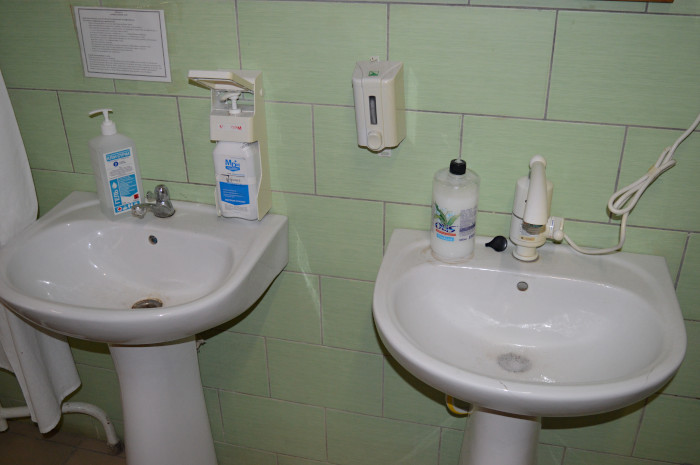
At the entrance to the institution, the monitors met the head of the institution, O. S. Havrylenko, who was on his way to work. The monitors were freely admitted to the checkpoint, where they checked documents and conducted a temperature screening, after which the monitors reached the protected zone. At the checkpoint, there were no disinfectant barriers, however, there was an opportunity to wash and disinfect hands.
Budget appropriations for the maintenance of the colony for 2019 should have amounted to 50 million hryvnias in accordance with the budget request of the institution. However, in fact, the institution received only 20 million. The amount of actual funds received for improving detention conditions amounted to 4,000 hryvnias per month. All work on improving the conditions of detention of convicts is almost 100% funded from the special fund of the institution, which is filled with income from production in this institution.
II. Medical unit
First, the monitors visited the medical unit. The doctor on duty reported to the monitors that there is no shortage of middle and junior staff in the institution. As for doctors, three of the nine positions of phthisiologists are vacant. The institution does not feel a shortage of medical drugs. The doctor on duty noted that new expensive medicines for tuberculosis had recently arrived at the medical unit.
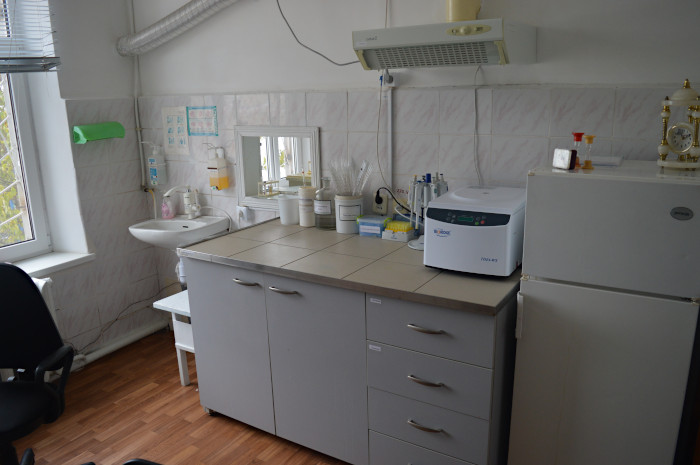
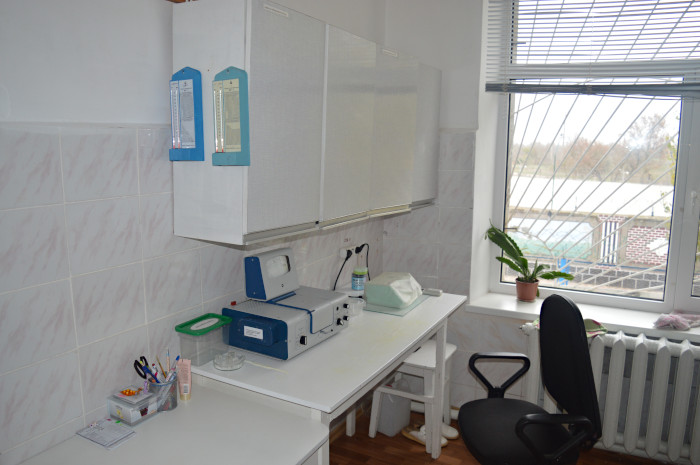
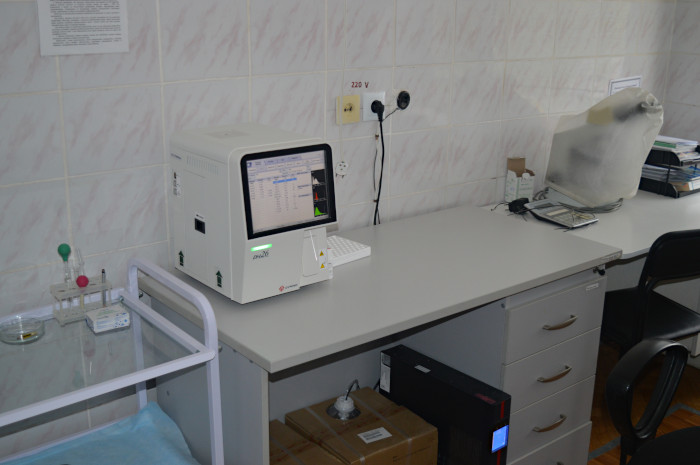
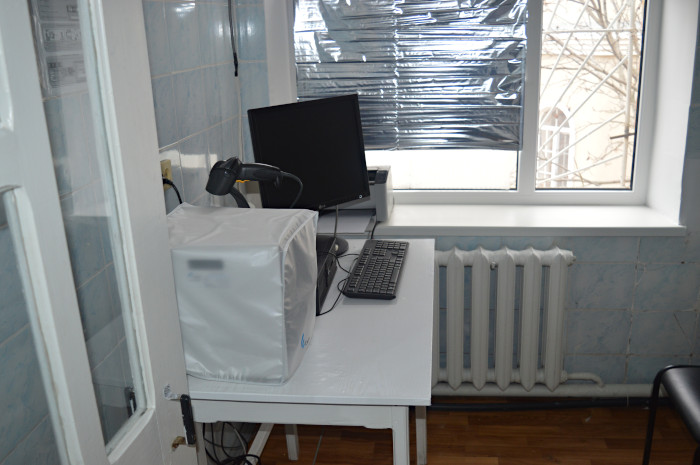
In the medical unit, there is a modern laboratory where the entire complex of necessary research can be conducted. Including in the institution, tests for the level of viral load for convicts suffering from HIV are conducted. Also in the institution, there is a device for detecting hepatitis, however, cartridges for it have currently run out. The institution also has a modern Italian X-ray machine and telemedicine equipment. Employees of the institution and convicts are provided with personal protective equipment, which was purchased at the expense of the Healthcare Centre. Regarding employees of the State Penitentiary Service, the state did not allocate funds for protective equipment, and they had to be purchased at the institution’s own expense (special fund) and at the expense of charitable organisations.
Among the convicts of the institution, no sick persons with coronavirus disease were detected; among the administration, there was one case.
During the current year, an “ambulance” was not called to the institution. In the logbook of bodily injuries for 2020, no cases of bodily injuries were recorded. This is very strange, considering that one case of the use of physical force was recorded in the institution.
III. Residential units (inpatient)
There are six residential units in the institution. Some of them perform the role of an inpatient ward of the medical unit. All units are of the block type. In all units, tidy cosmetic repairs have been carried out. Convicts live in rooms of two or three people. Living space per one convict is sufficient. Approximately 50% of residential units are equipped with metal-plastic windows. In others, windows are wooden with gaps, which convicts are forced to seal for the winter. In the units, it is very warm. Heating is carried out at the expense of an own coal-fired boiler room. Windows and entrance doors in the wards are covered with fabric.
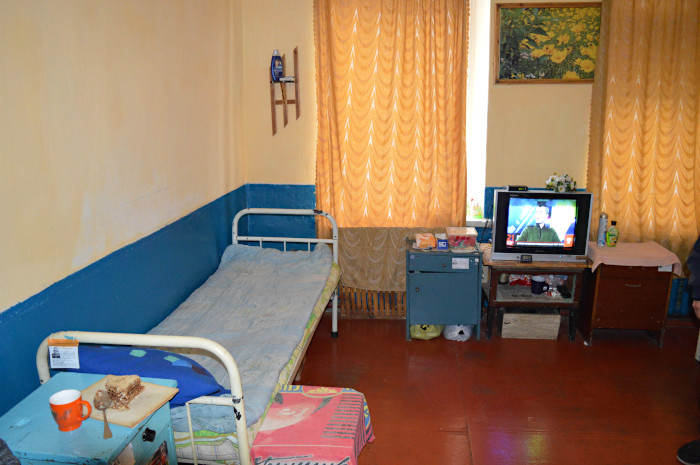
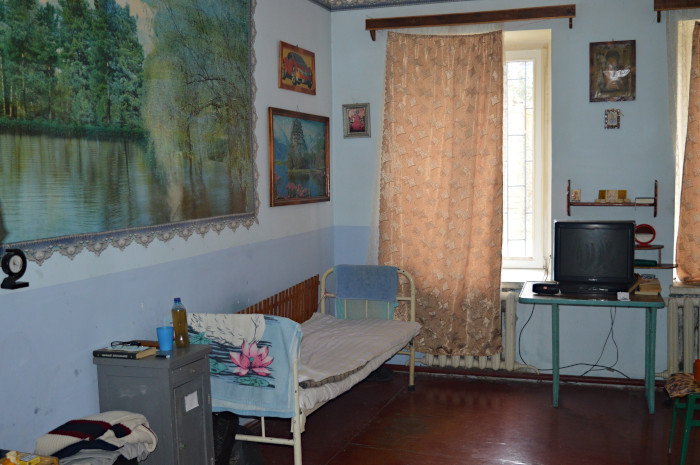
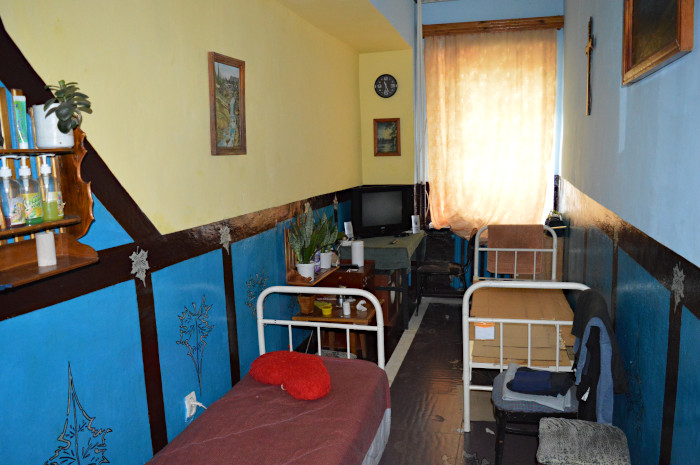
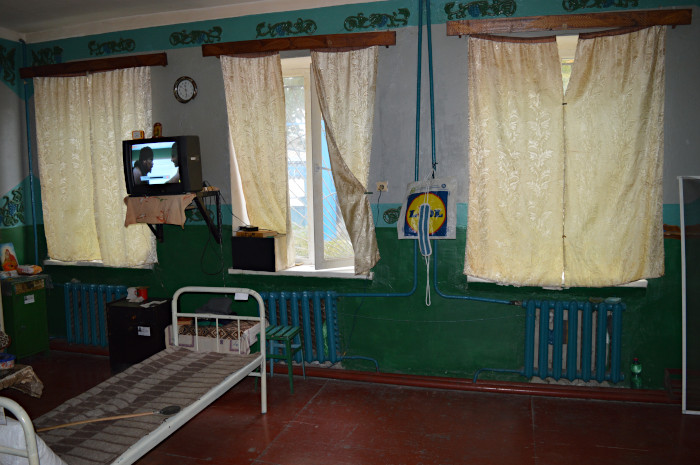
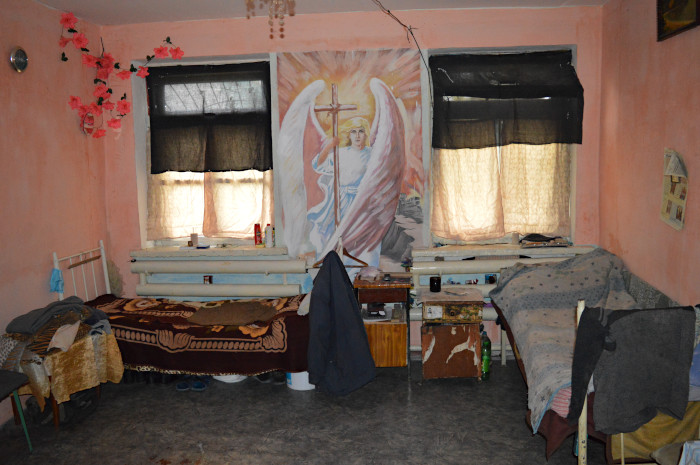
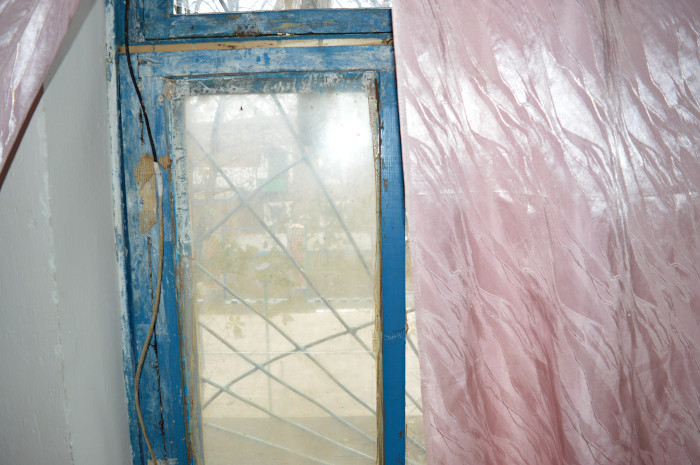
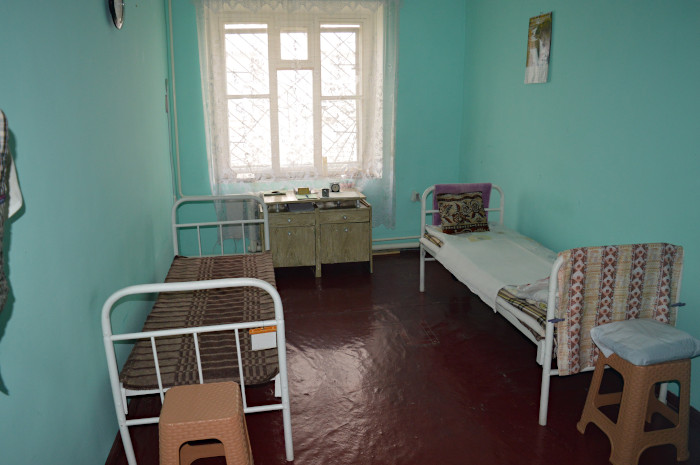
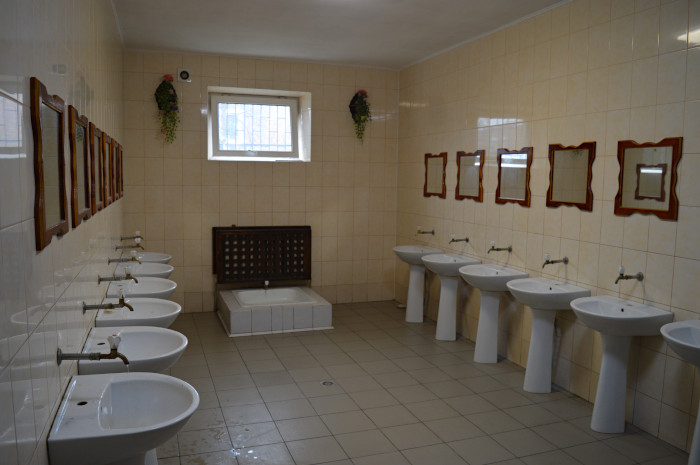
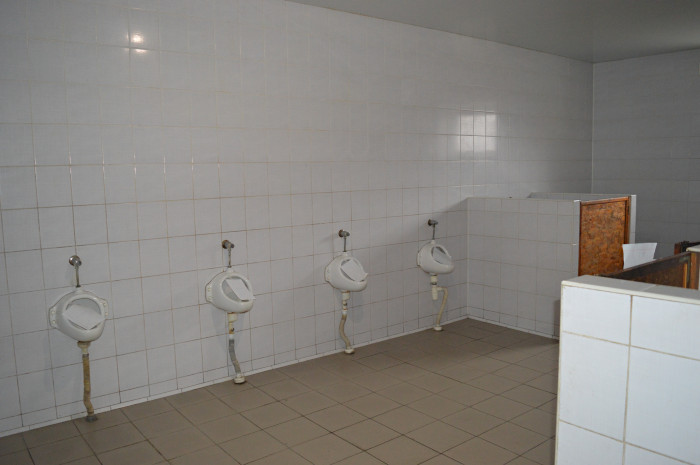
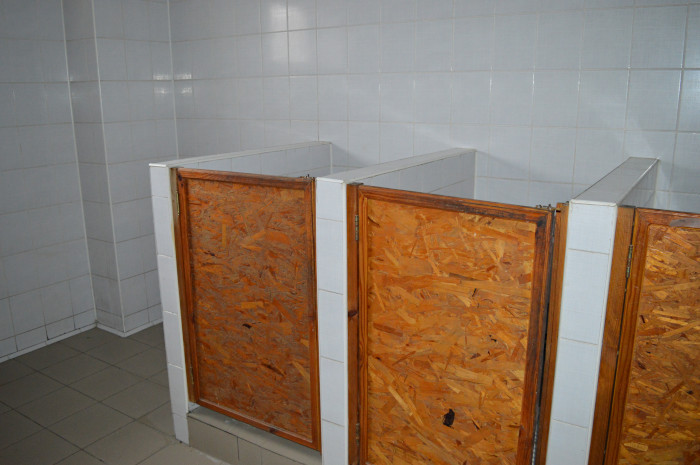
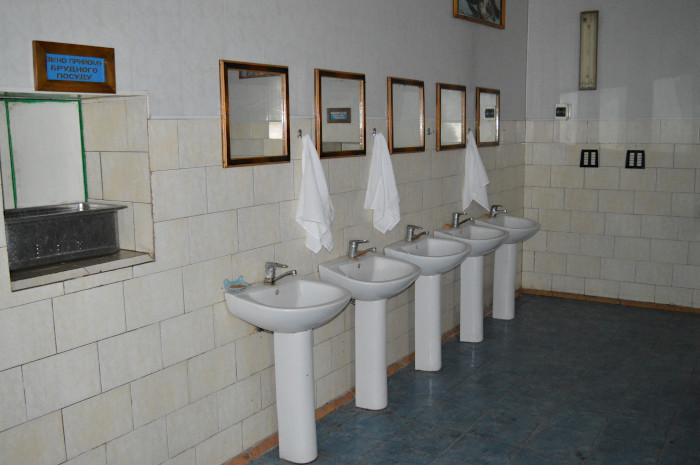
In the sanitary facilities of the institution, cosmetic repairs have been carried out. The walls are tiled. There are washbasins and mirrors. Toilets are fenced off by low walls and doors.
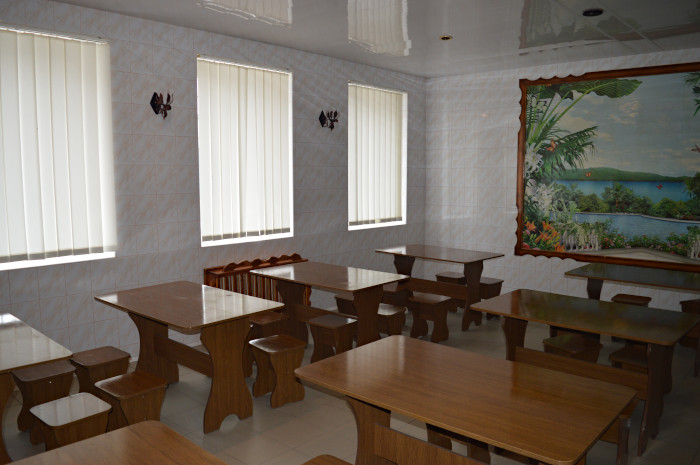
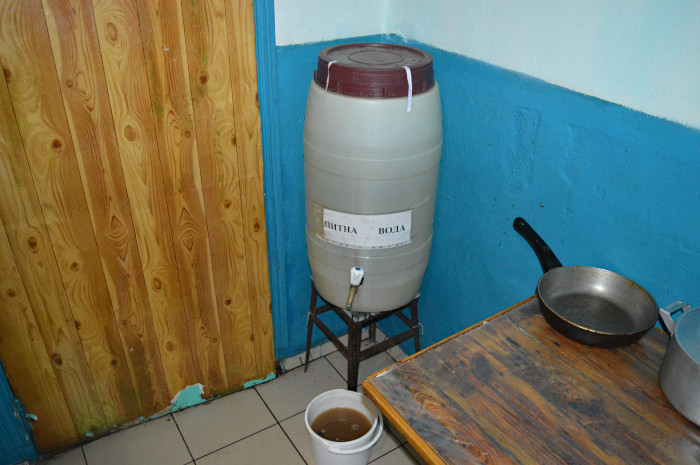
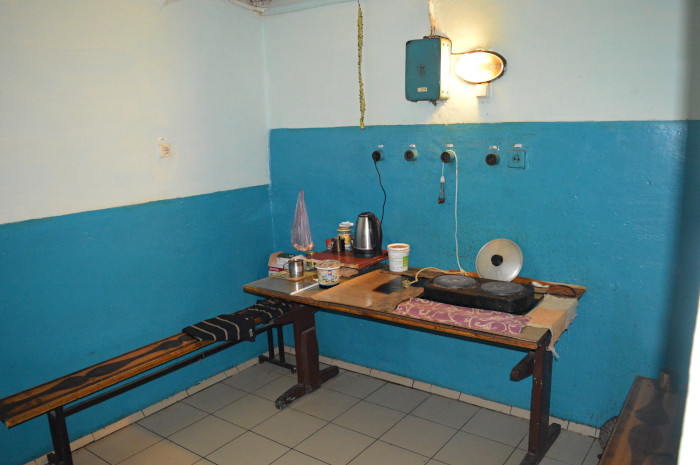
In each unit, there is its own dining hall. Thanks to this, convicts with different forms of tuberculosis are isolated from one another during meals. Also in the units, there are rooms for eating, equipped with refrigerators and other kitchen utensils. In these rooms, tanks with drinking water are installed.
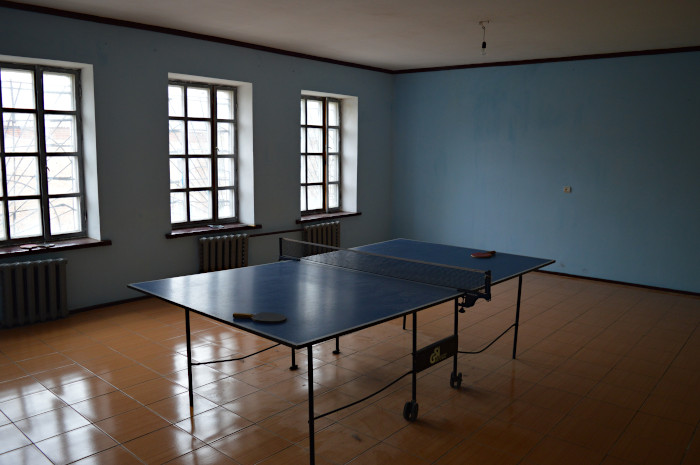
In the units, there are corners for rest and sports, for example, for playing table tennis.
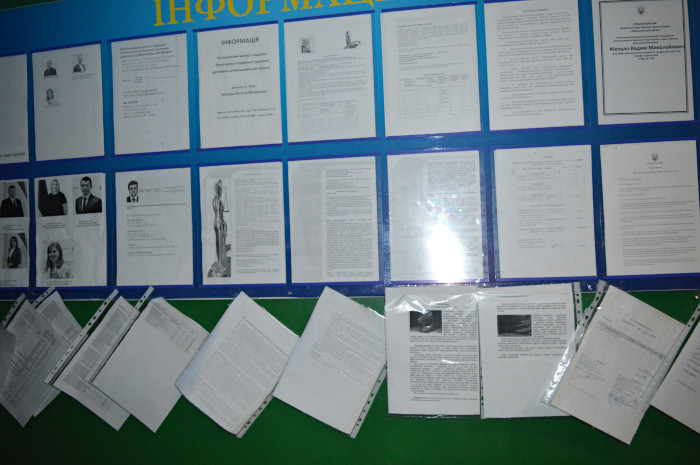
In the institution, convicts cannot properly familiarise themselves with current normative acts. There is not enough information on the information board, and codes and other voluminous documents are not in free access, but in the office of the unit head.
IV. DIZO, detention house, and remand prison
In the institution, the remand prison unit, the detention house, and the DIZO are located in one building. At the time of the visit, ten people were in the remand prison unit, and four people were in the DIZO. During the year, disciplinary penalties were applied to convicts 41 times.
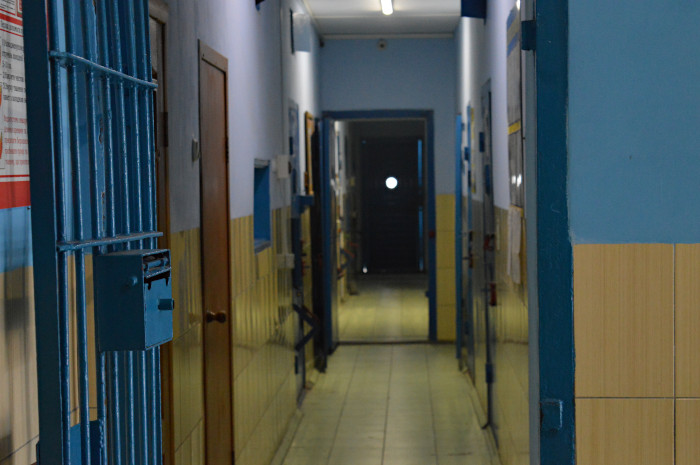
In the DIZO cells, cosmetic repairs have been carried out. There are tanks with drinking water. Washbasins are installed. Toilets are fenced off by a small wall and a door. Windows are metal-plastic, however, convicts who are in the DIZO cannot open them themselves for access to fresh air.
In the disciplinary isolation cell, there is constant video surveillance. At the same time, the cameras are directed so that the person observing has the opportunity to see the sleeping place and the toilet. At the same time, the surveillance is carried out by a woman. This contradicts the practice of the European Court of Human Rights under Article 8 of the Convention (right to privacy).
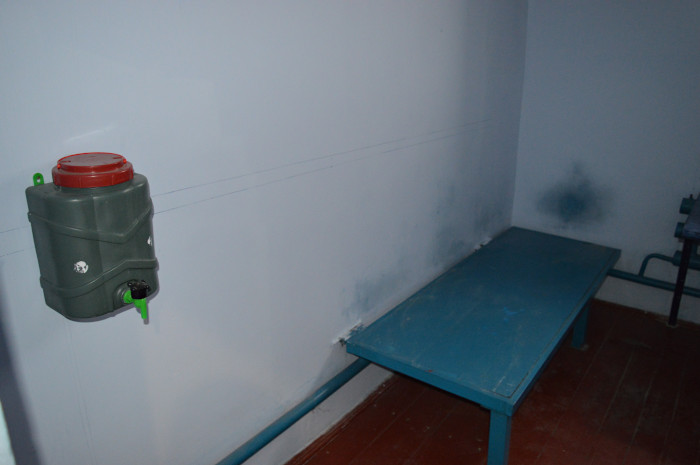
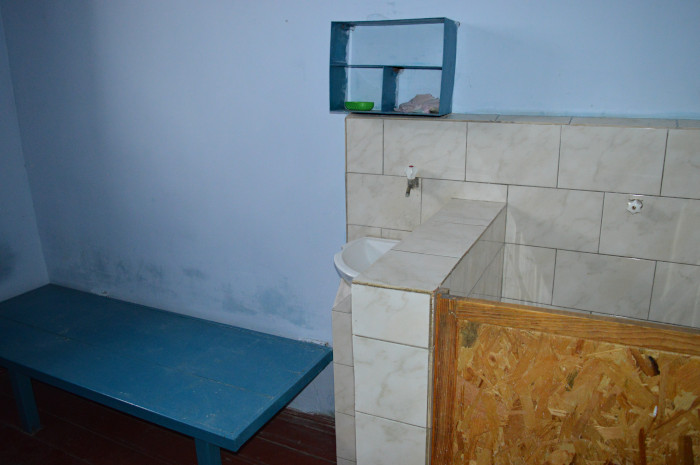
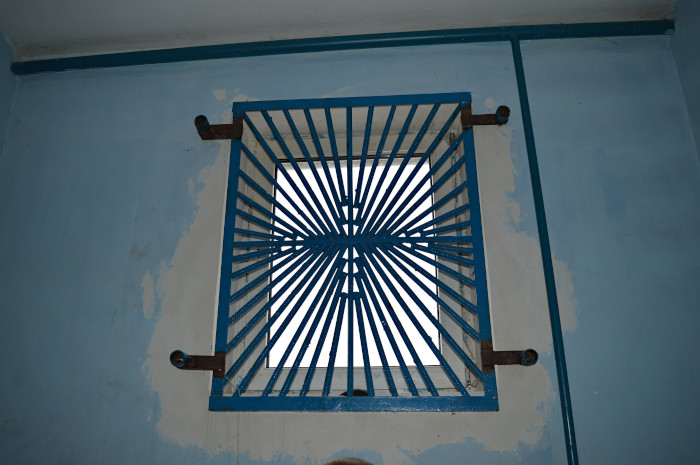
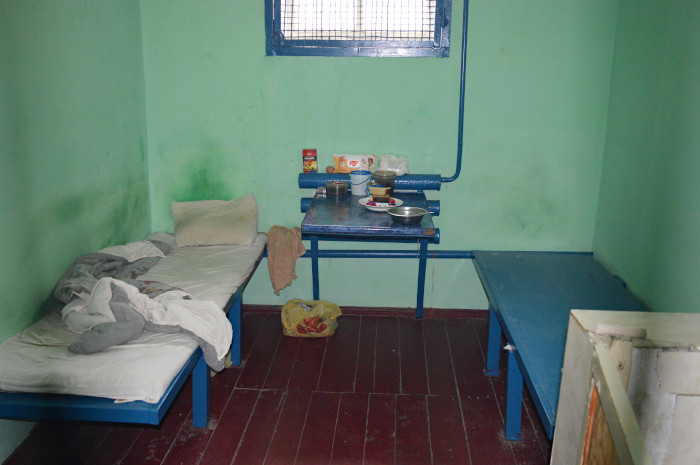
Walking courtyards are equipped with a bench and sports equipment. The courtyards are paved with paving stones. The courtyards are sufficiently protected from atmospheric precipitation.
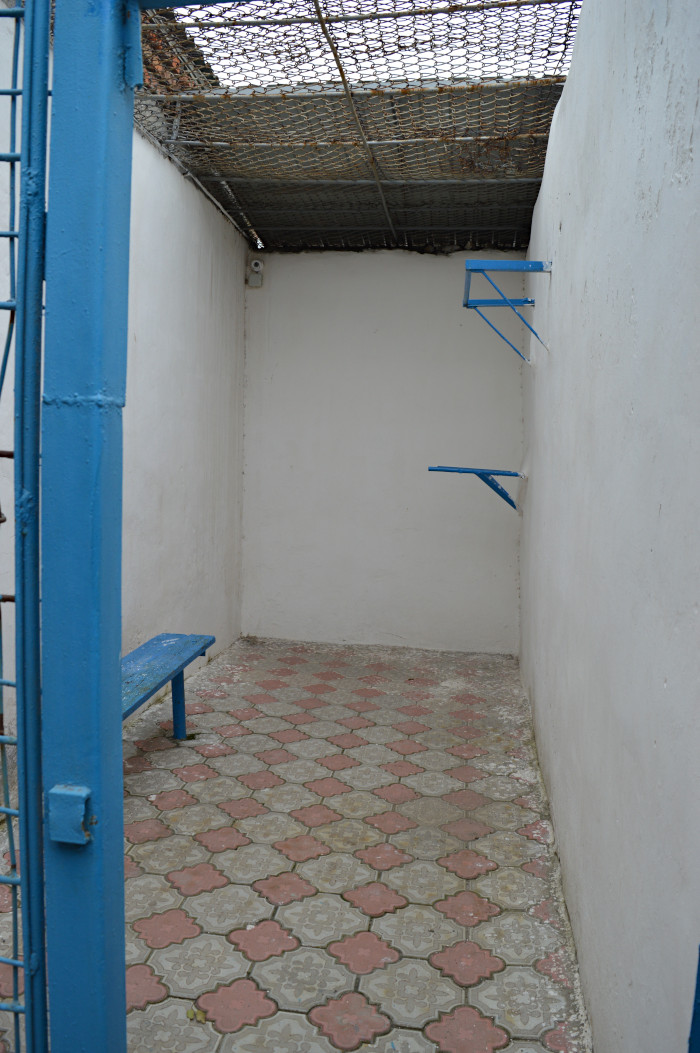
V. Canteen and kitchen
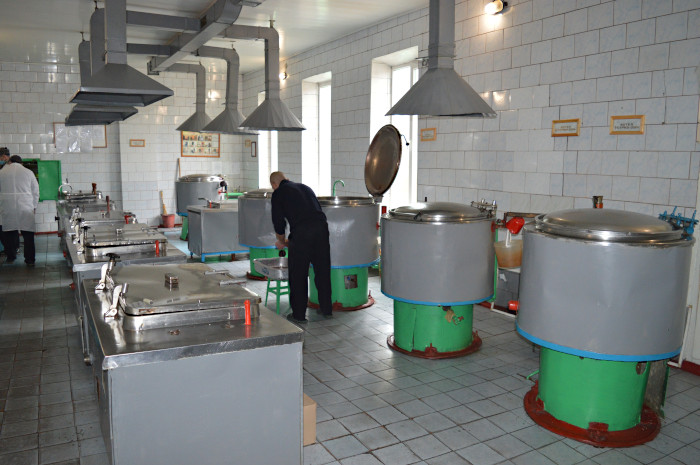
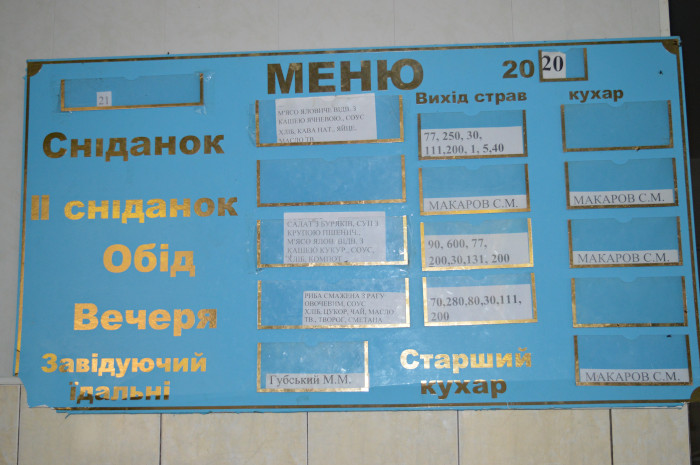
The kitchen of the institution is in a satisfactory condition. At the time of the visit, lunch distribution was just taking place in the institution. All convicts in the institution eat according to a diet for patients with tuberculosis. Meals are five times a day. Convicts reported that they are provided with milk, eggs, and sour cream. On the day of the visit, for lunch in the institution, there was a beetroot salad, pearl barley soup, boiled beef with corn porridge, sauce, bread, and compote. The monitors tasted the lunch. The organoleptic qualities of the dishes are satisfactory.
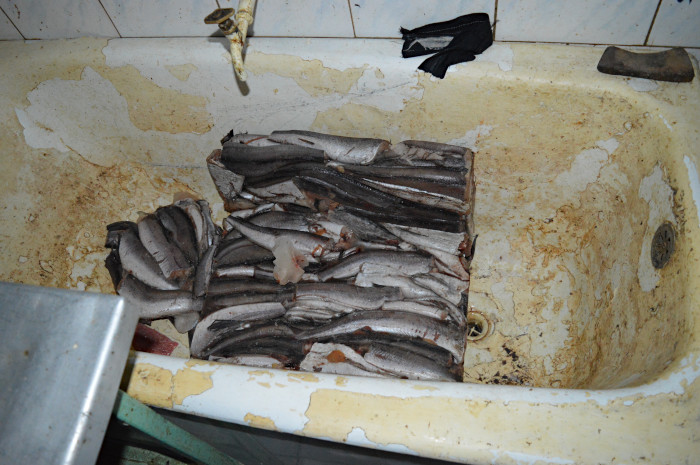
The monitors noticed that the fish intended for dinner was being defrosted in a rusty, dirty tub, which clearly does not meet sanitary requirements. In addition, one of the convicts who worked in the kitchen was not wearing a gown. And at the request of the monitors to demonstrate gloves, he became embarrassed and could not find them.
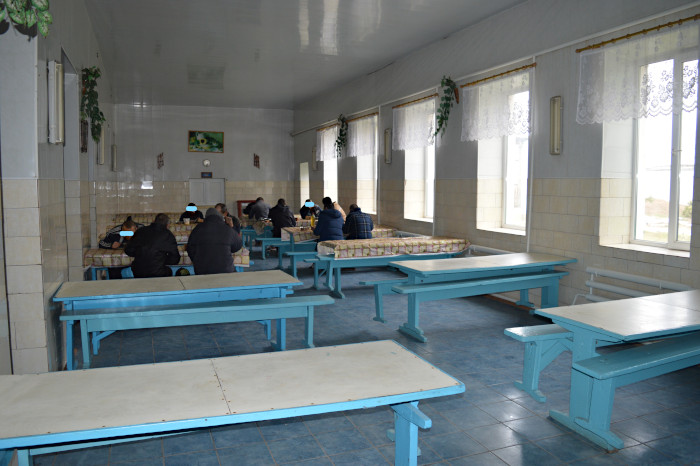
The dining hall of the institution is spacious. There are washbasins. At the time of the visit, there were three towels and soap. In the canteen, there is an information menu stand.
VI. Bath and laundry complex
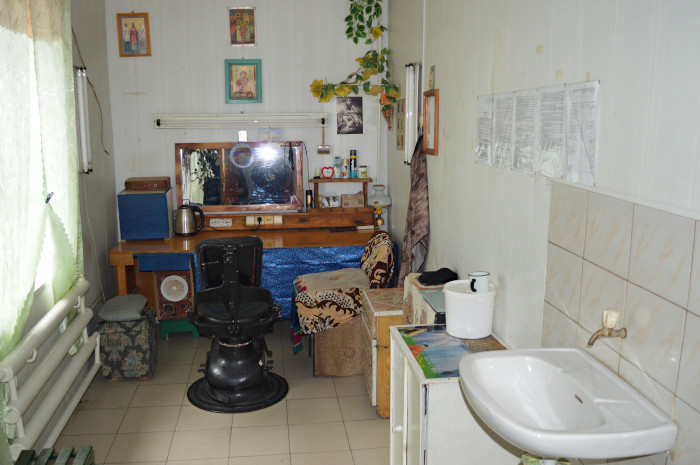
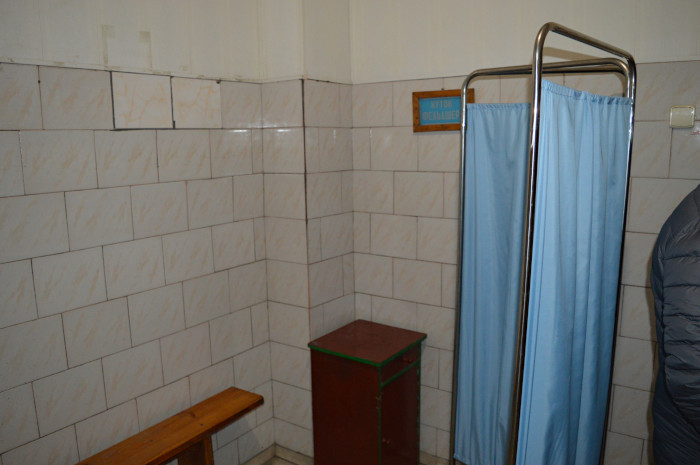
In the bath and laundry complex, there is a hairdresser. A haircut is done by one of the convicts, who receives a salary for this, however, for the convicts, his services are free. In the dressing room, there is a paramedic’s corner, fenced off by a screen, which ensures the minimally necessary level of privacy.
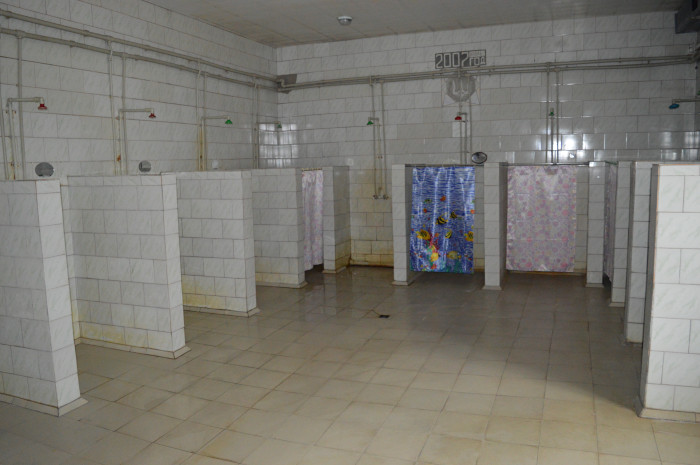
Showers are fenced off by walls, and there are curtains and mats.
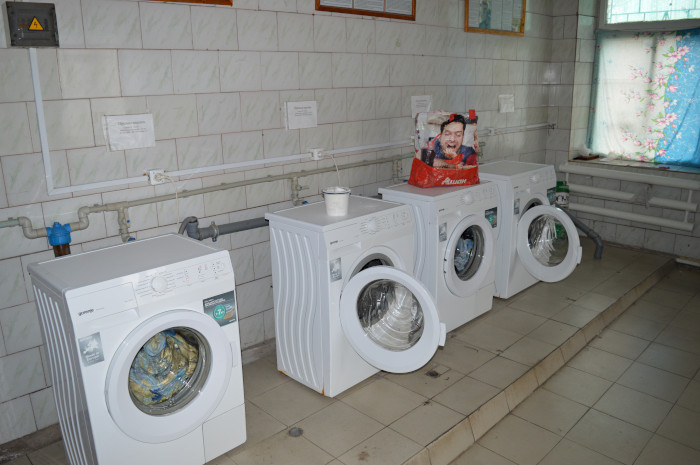
In the laundry, there are four washing machines, the capacity of which is enough for the needs of the institution.
VII. Workshop and subsidiary farm
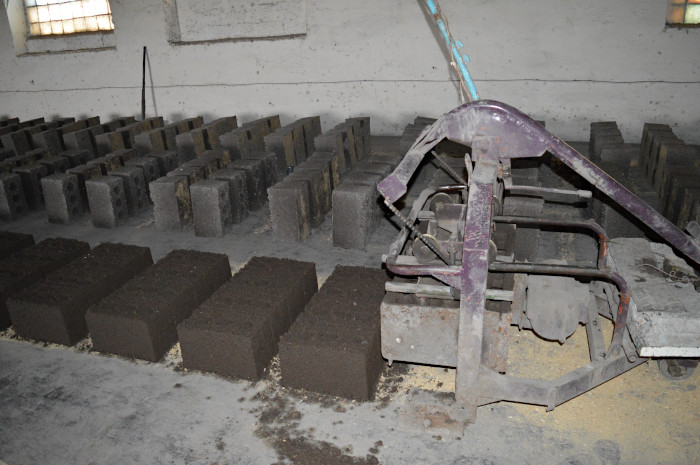
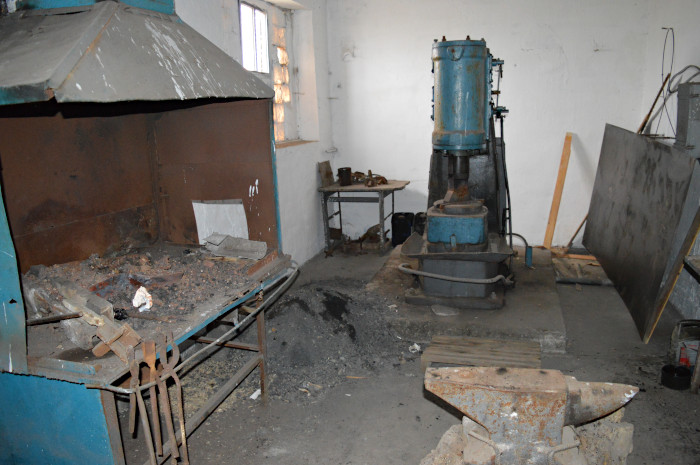
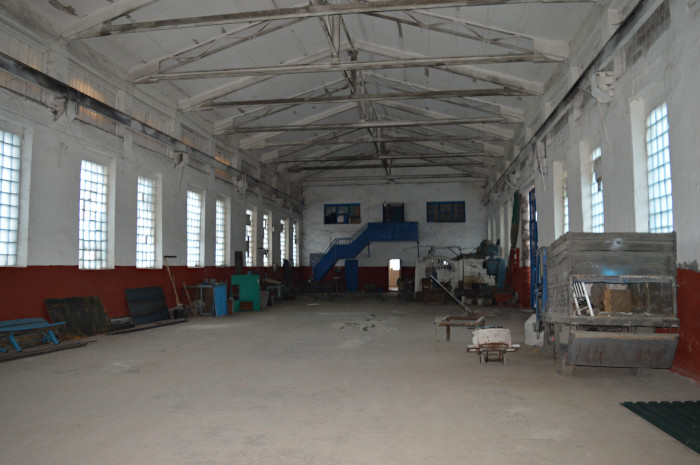
In the institution, there is a workshop, where currently two people work. In the workshop, coal blocks are manufactured according to private orders. There is a smithy, but it does not work because there is no person who possesses the necessary skills. There is also a repair shop that works on private orders for the repair of agricultural machinery. This service is mainly used by local residents.
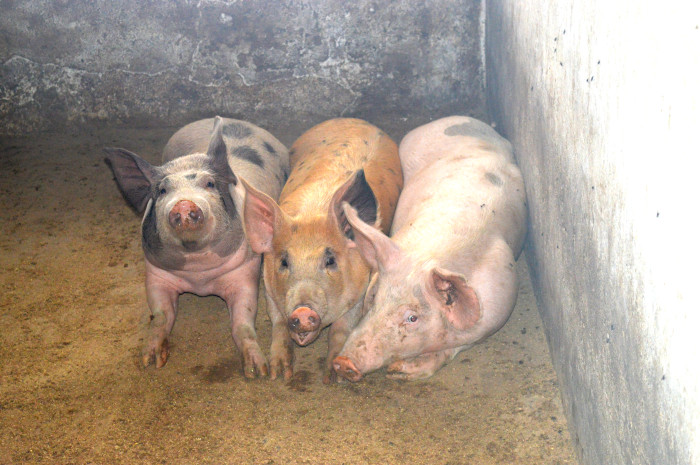
In the institution, there is also a subsidiary farm. At the same time, there is no own livestock in the institution, and it provides services for raising pigs to private customers. The pigs are well-cared for.
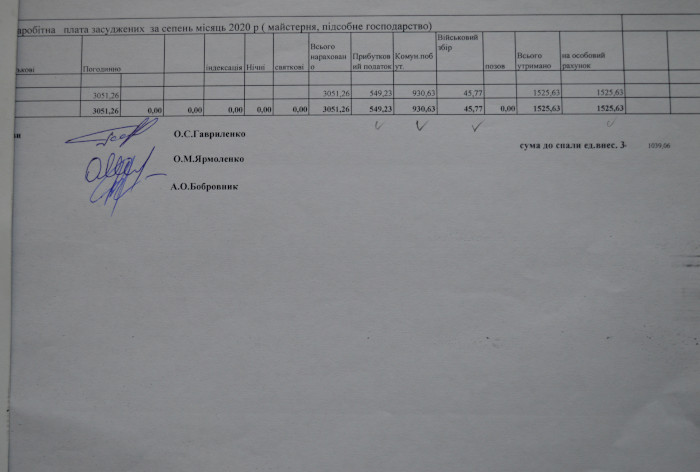
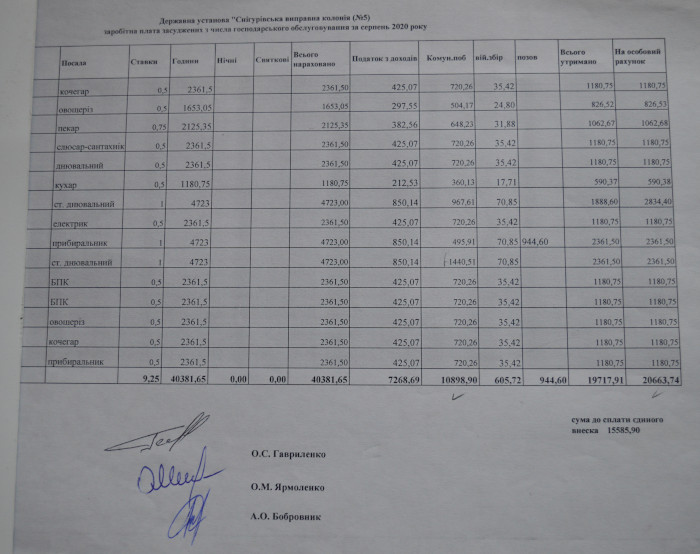
According to the documentation examined by the monitors, the workshop employees for August 2020 received 3,051 UAH 26 kop. in salary to their personal accounts, of which 1,525 hryvnias were withheld for the material and living support of the convicts themselves. The convicts can dispose of the same amount independently.
Also, in the institution, 15 convicts work under fixed-term employment contracts, who carry out economic maintenance of the institution. You will be able to see the salary of the convicts, according to their positions, in the last photograph in this report.