Monitoring visit to an institution with an unknown name
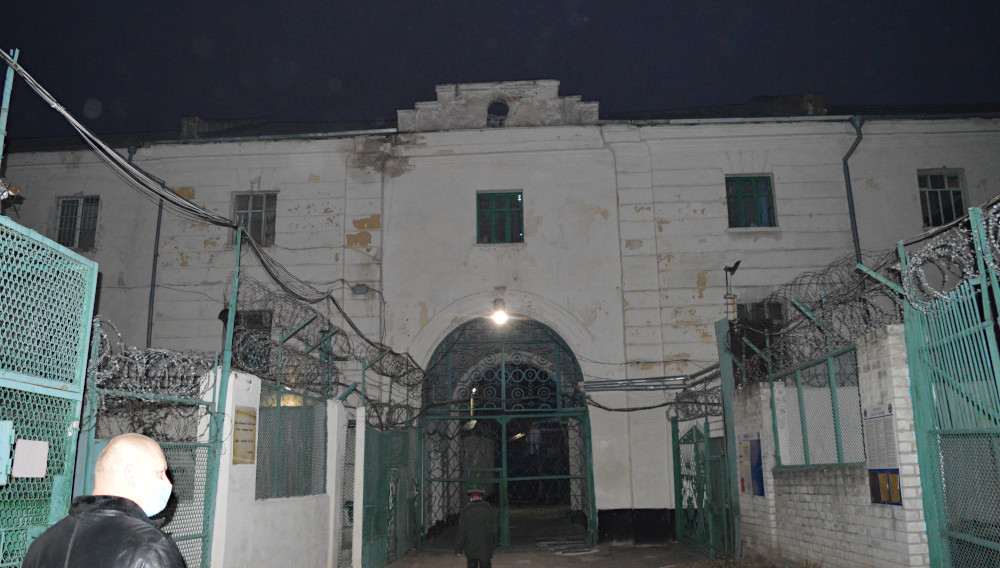
On 24 November 2020, the Kharkiv Human Rights Protection Group (KHPG) monitoring team, consisting of assistant to the People’s Deputy of Ukraine Maksym Revyakin and two journalists, Hanna Ovdiienko and Pavlo Shvab, attempted to visit the State Institution ‘Kherson Penal Colony (No. 61) – Inter-regional Specialized Tuberculosis Hospital’ (the name as per the official website of the State Penitentiary Service). At the entrance to the building of the branch of the Health Care Centre of the State Penitentiary Service in Kherson region, a sign with the aforementioned institution’s name was displayed.
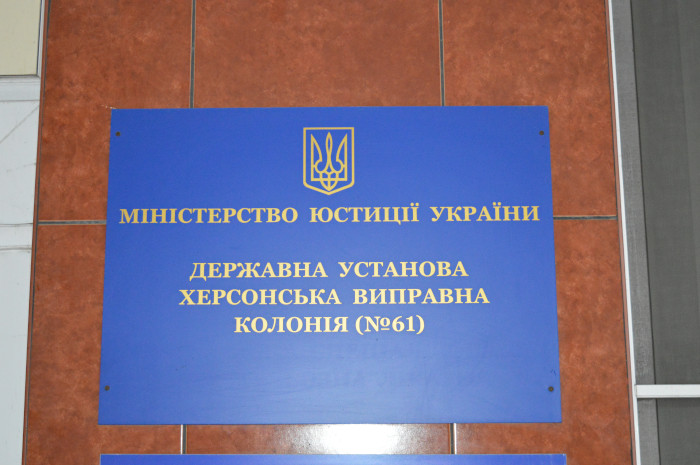
However, the woman at the duty post asserted that the penal colony had been liquidated a year ago. When asked if the hospital still remained, she replied that she supposedly knew nothing and that we needed to go to the head at the address: 10a Perekopska Street, Kherson.
The monitors called the official number of the Kherson Penal Colony, where they were assured that the hospital attached to the colony was functioning. Following this, the monitors proceeded to the address provided by the woman at the duty post.
The address provided by the woman turned out to be the checkpoint for the pre-trial detention centre (SIZO), where the monitors were informed that the tuberculosis hospital was located at the exact address indicated on the State Penitentiary Service website; that is, the address of Kherson Penal Colony No. 61. After this, the monitors returned to the ‘kind’ woman who had misled them. Upon the monitors’ complaints, the woman began to make excuses and manipulate the facts, claiming that the monitors had asked about the colony, and the colony had been disbanded. Regarding the ignored question about the location of the hospital, the woman did not respond. Due to this deception, the monitors wasted over an hour of time searching for the institution and conversing.
Eventually, the woman called the head of the SIZO, which seemed strange. After fifteen minutes, the head of the Kherson SIZO appeared with the administration. The head no longer obstructed the monitors, explaining that the Ministry of Justice itself does not know how its facilities are named, that the colony was long ago disbanded, and that the specialized hospital is under the jurisdiction of the SIZO. The head also assured them that the phrase ‘penal colony’ and the number ‘61’ were absent from the institution’s name. The head noted that the SIZO is the legal successor to the colony, and the tuberculosis hospital is currently subordinate to the SIZO.
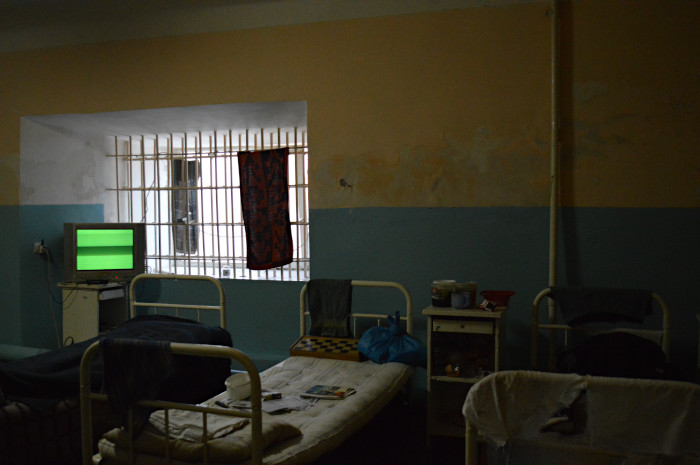
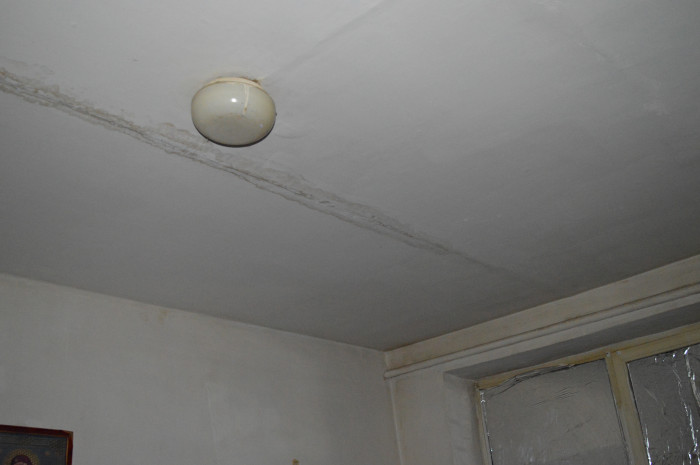
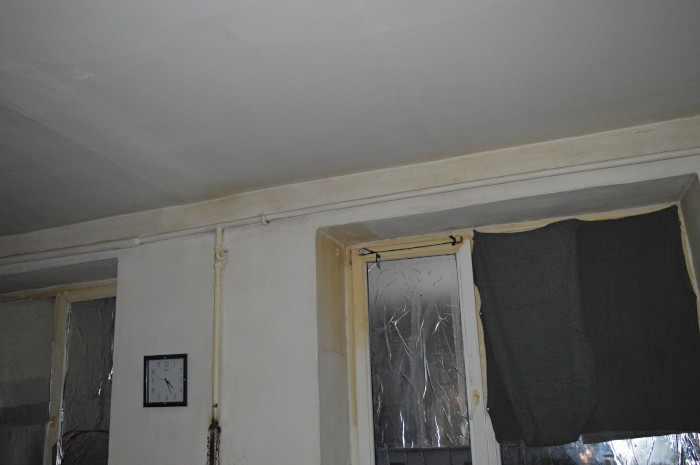
The living conditions in the wards of the hospital’s residential units are unsatisfactory. The wards clearly require renovation; the windows are old and wooden, hung with foil and rags. On the ceilings, mould and traces of past flooding are visible in places.
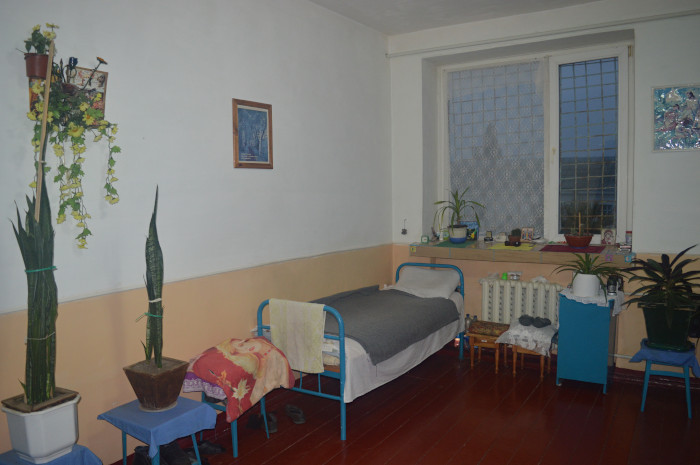
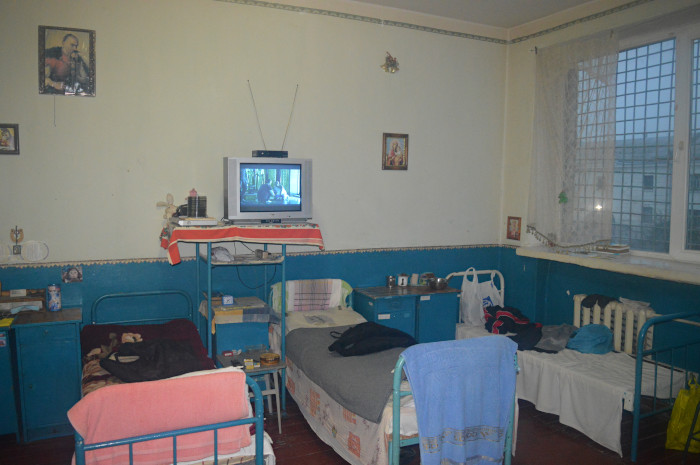
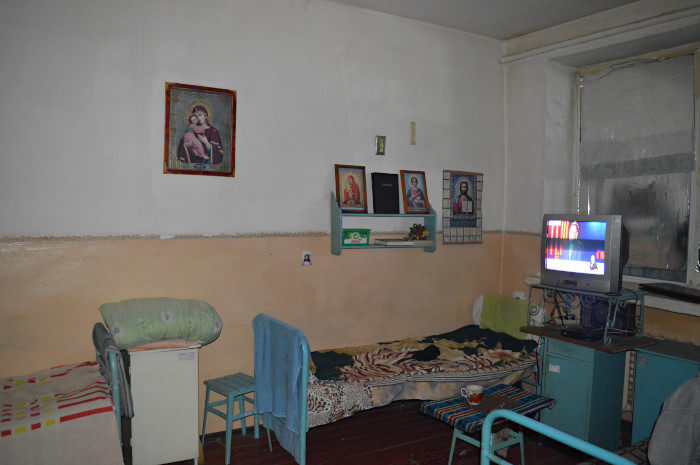
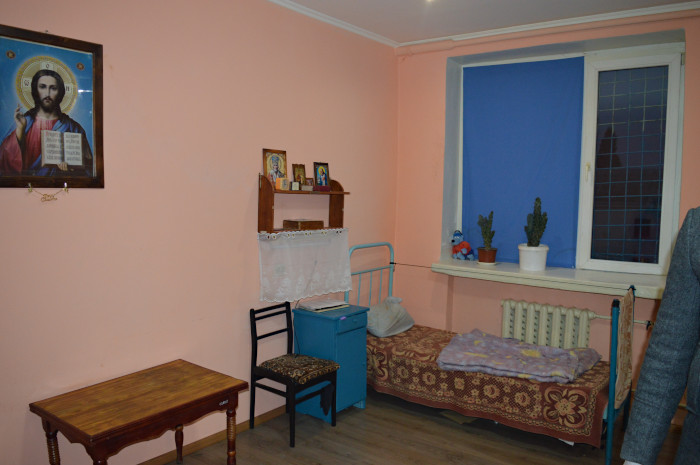
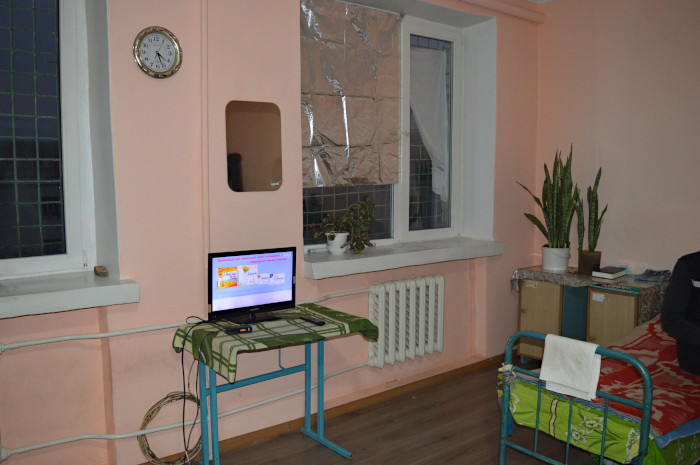
Only in some wards has renovation been carried out: metal-plastic windows have been installed, and the floors have been covered with laminate.
The dining room is sparsely equipped. There is a tank with drinking water in the kitchen.
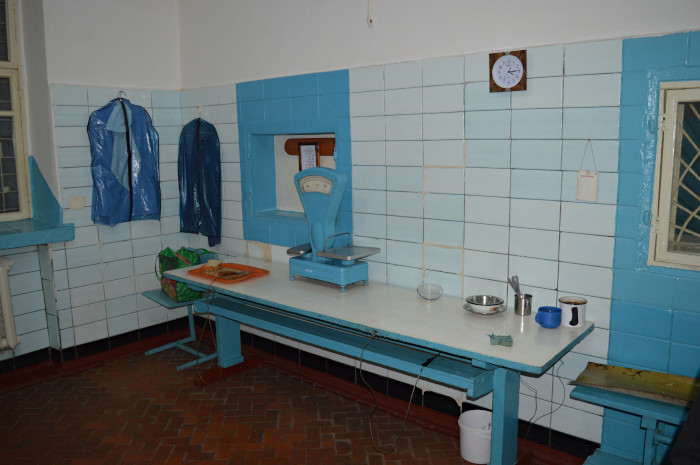
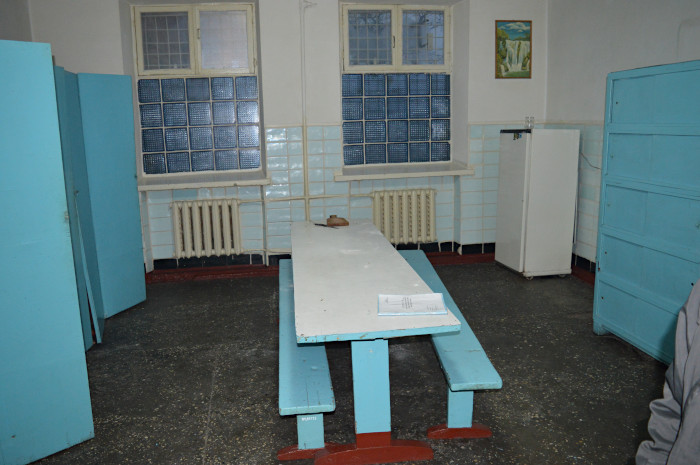
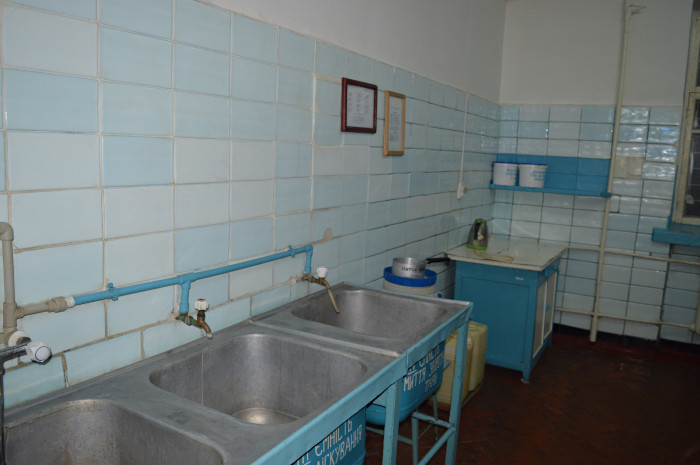
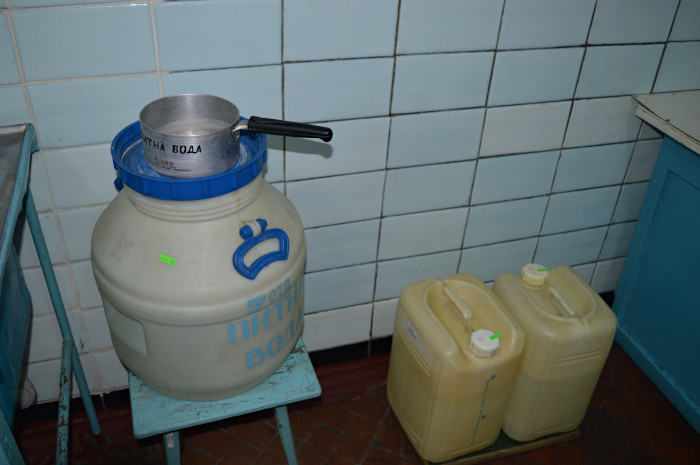
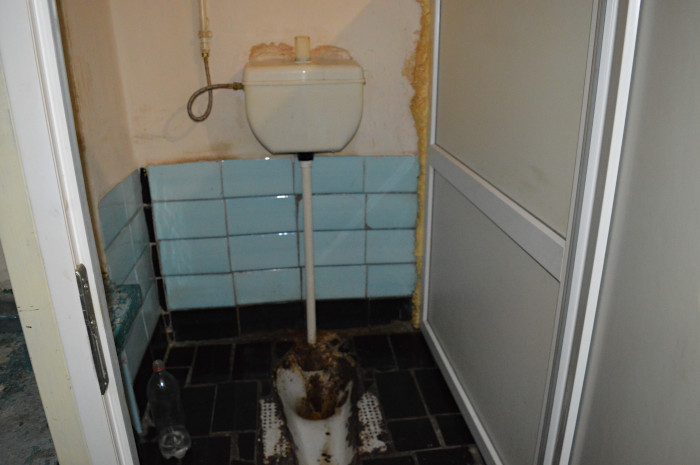
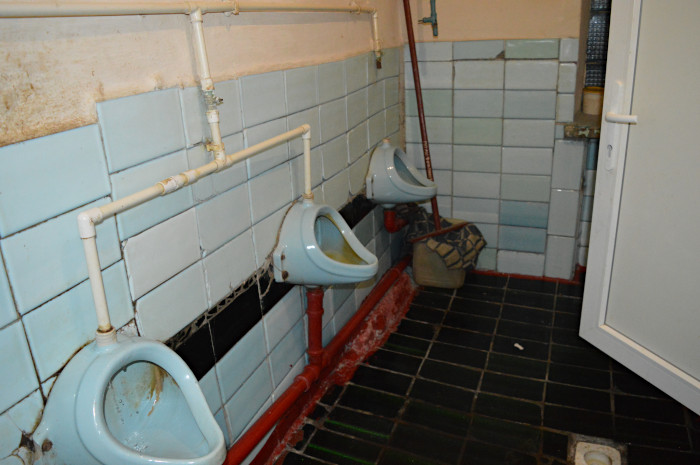
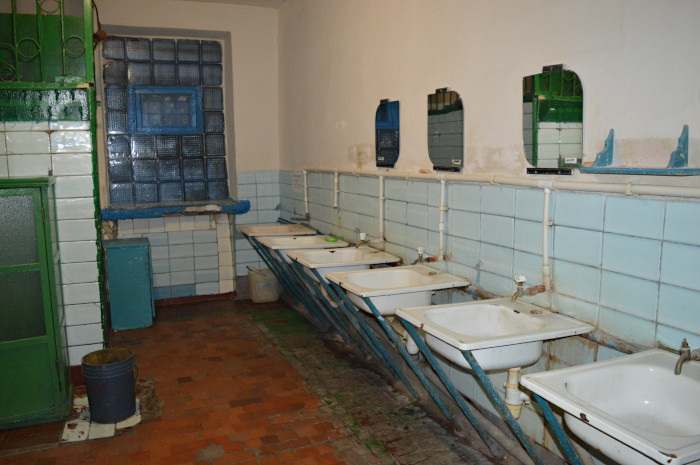
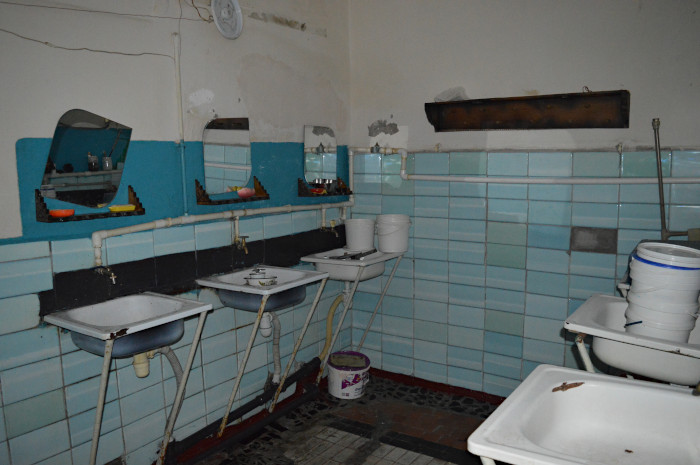
The sanitary facilities are in a neglected state and require renovation. The monitors noted positively the high level of privacy in the toilets, as high partitions and doors have been installed.
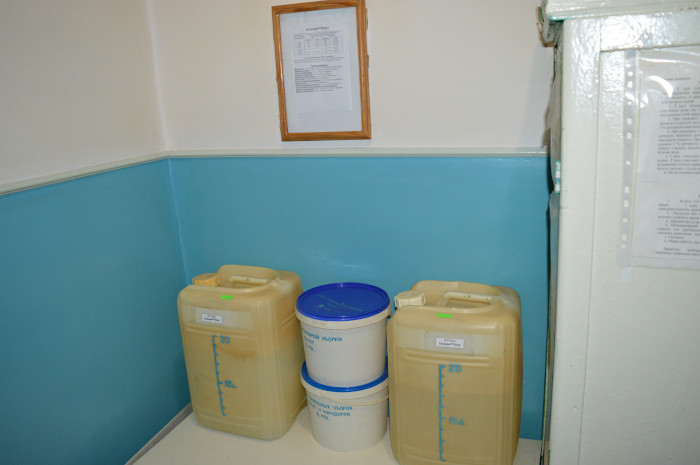
In the units, the monitors saw containers with disinfectant agents.
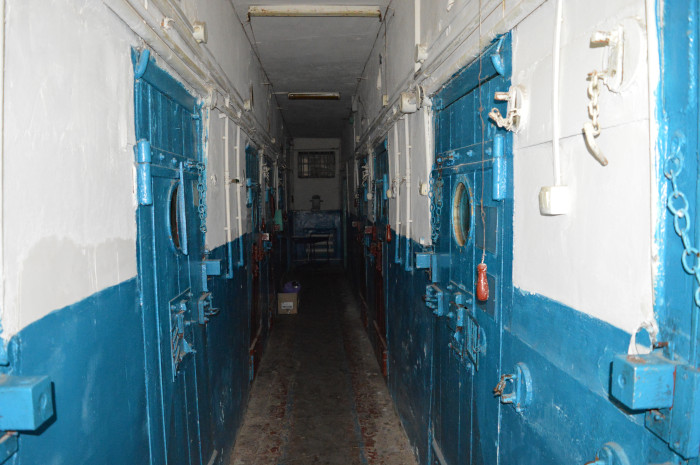
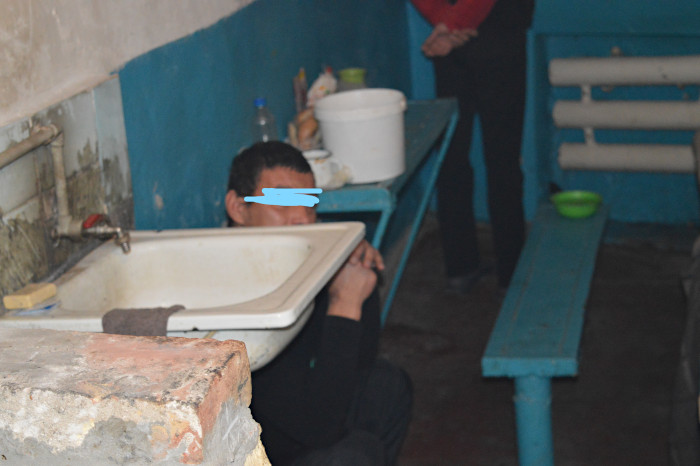
Next, the monitors visited the Disciplinary Isolation Unit (DIZO) and the Cell-Type Premises (PKT), which currently house the quarantine unit and the arrest house. The head of the institution reported that due to the coronavirus disease epidemic, all newly arrived convicts are held in isolation for 14 days, after which they are distributed to units. The monitors had the opportunity to speak with the convicts who were in quarantine.
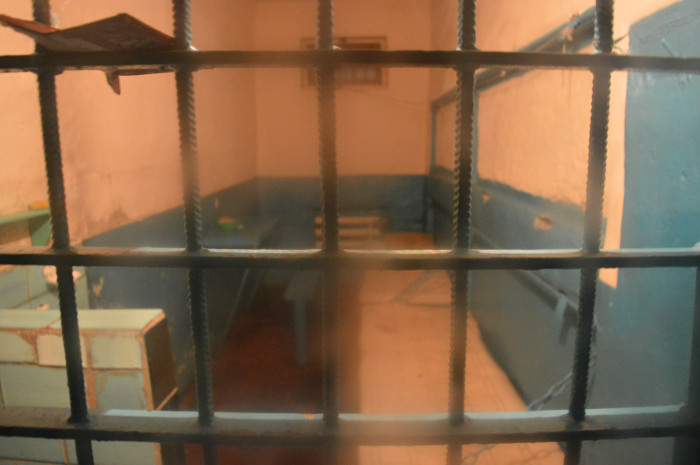
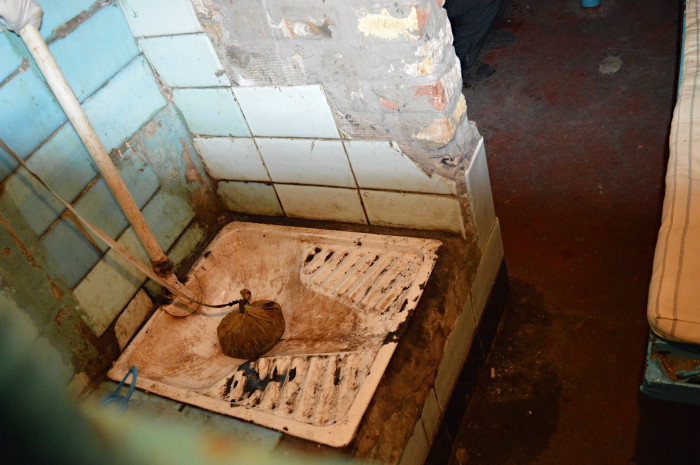
The toilet is partitioned by a low, broken wall. The toilet is dirty and in a neglected state. The hole in the toilet is covered by a spherical bag containing unknown contents.
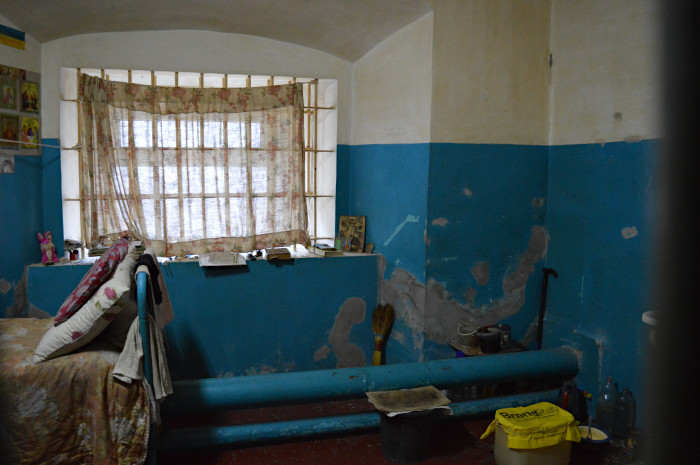
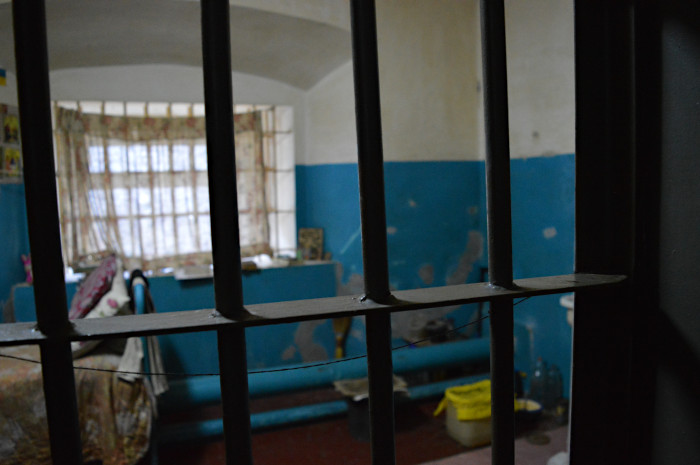
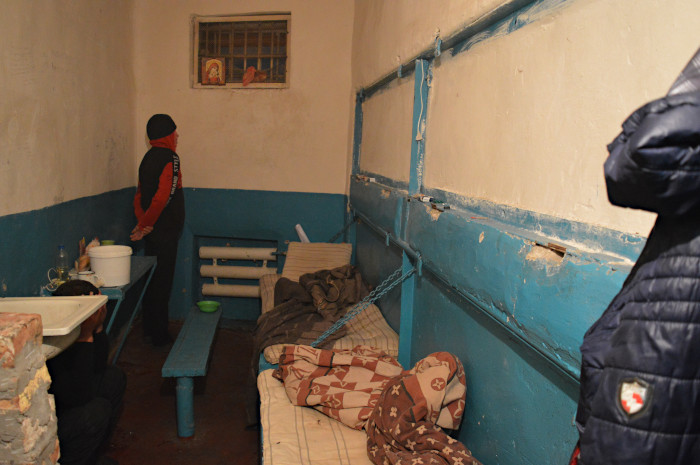
The convicts complained about the lack of heating in the cell, dampness, cold, fungus, and mould on the walls, as well as a lack of drinking water. The administration of the institution explained that there is still no heating in the entire city, and the institution is heated centrally.
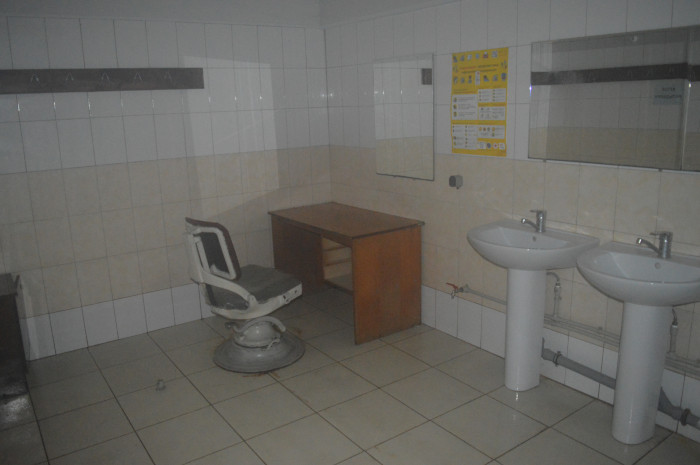
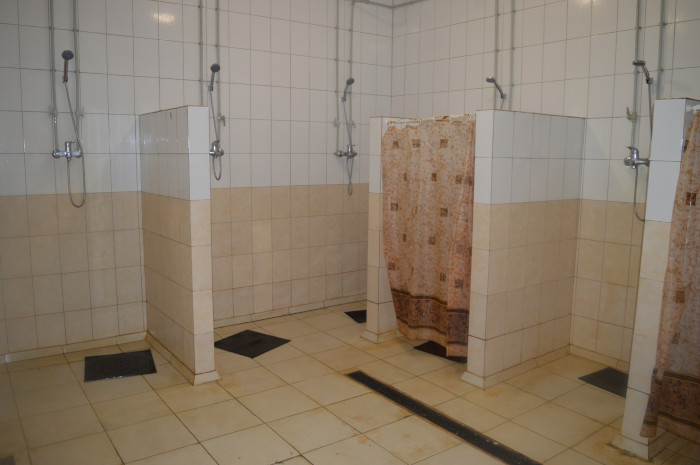
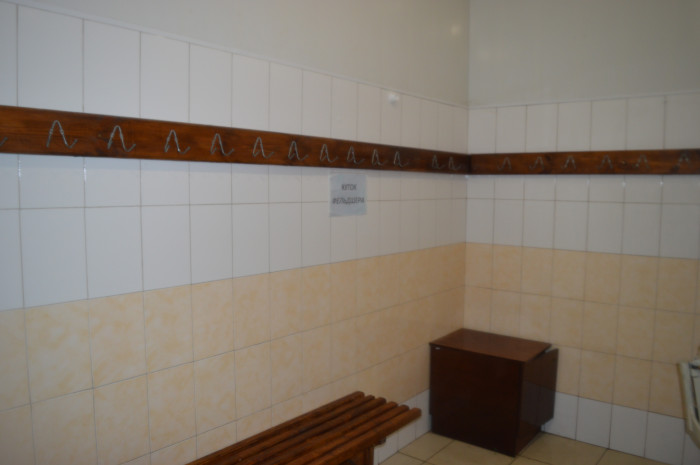
The bathhouse has been recently renovated. The changing room is combined with a barbershop. However, there is no separate room for the paramedic to examine individuals for bodily injuries – there is only a corner that does not ensure privacy during such an examination. The shower stalls are partitioned by walls, and there are curtains and mats. During the visit, the air was filled with warm steam from the use of the bathhouse.
The monitors also visited the maximum-security sector for convicts suffering from tuberculosis. At the time of the visit, 20 people were serving their sentences in the sector. They were housed in cells of 1–3 people. The cells are large and well-lit. The cells have undergone cosmetic repairs, although traces of flooding and mould are visible in some of them. At the time of the visit, it was cold in the cells. The administration explained that this was due to numerous accidents in the city’s heating networks. The monitors spoke with all the convicts, and no one expressed complaints regarding their treatment.