Monitoring visit to Northern Penal Colony No. 90
On 20 November 2020, the KHPG monitoring team, consisting of assistant to the People’s Deputy of Ukraine Maksym Revyakin and two journalists, Hanna Ovdiienko and Pavlo Shvab, visited the State Institution ‘Northern Penal Colony No. 90’. The institution is located on the northern outskirts of Kherson. It has a very large territory. According to the institution’s administration, the perimeter of the colony is 3 kilometres. The colony was founded in 1968. The planned capacity is 1,015 people.
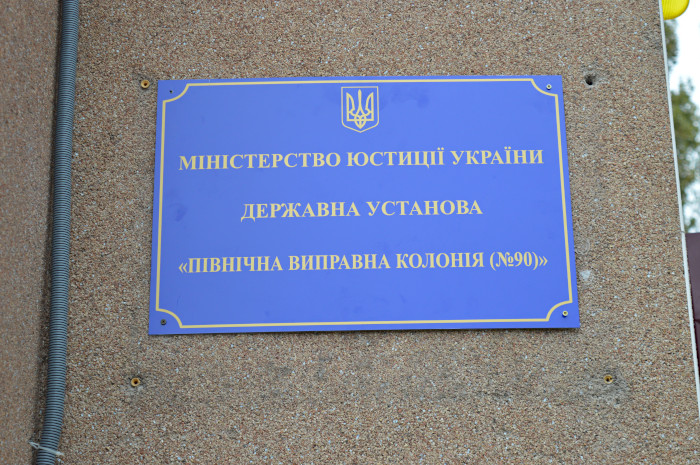
The colony has a medium-security section for repeat offenders (men), a pre-trial detention centre section, and a rehabilitation section, which, according to the administration, is the largest in Ukraine. In total, all three sections hold 790 convicts and detainees.
At the entrance, the monitors were met by an elderly gatekeeper, who did not immediately grasp the purpose of the visit. During the conversation, the monitors explained the essence and purpose of the visit in detail, after which the gatekeeper informed the institution’s management and issued passes. At the checkpoint, disinfection barriers and disinfectant agents were absent. Upon entering the checkpoint, the monitors’ temperature was also not measured.
Social rehabilitation section
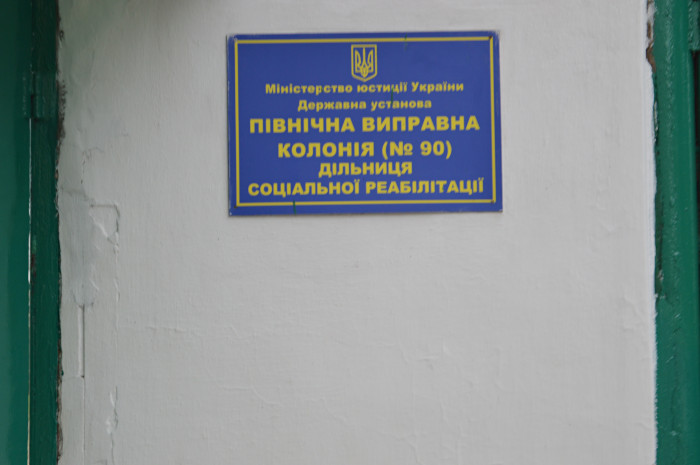
Initially, the monitors visited the social rehabilitation section, where 67 people, whose punishment in the form of imprisonment had been replaced by restricted freedom, are serving their sentences. Most convicts from this sector work at contractor sites, where they receive a salary of at least 4,000 hryvnias, sometimes 8,000. However, the convicts with whom the monitors spoke could not clearly state the amount of their salary.
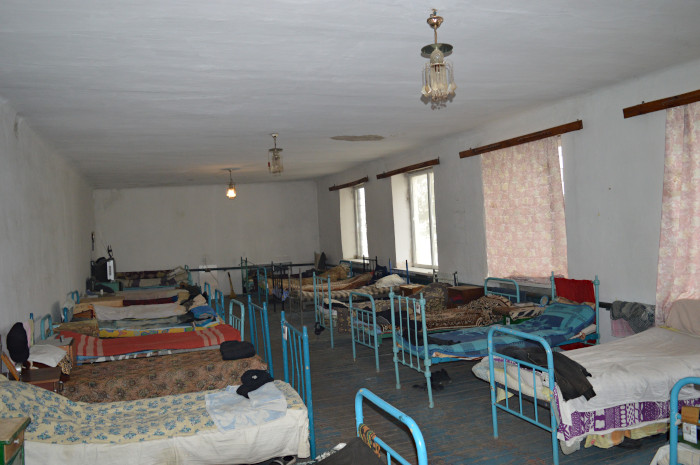
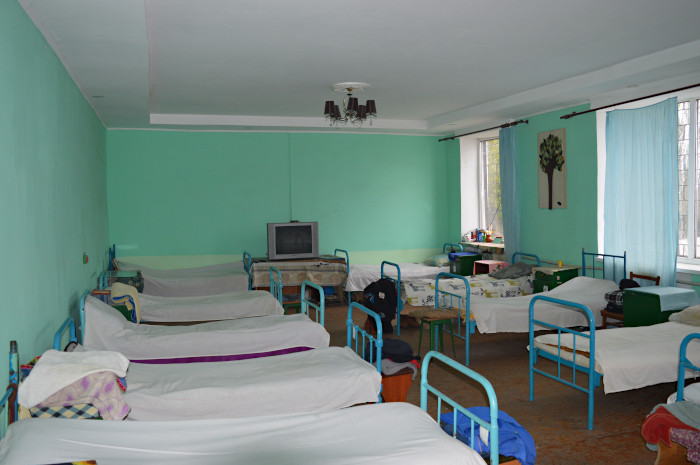
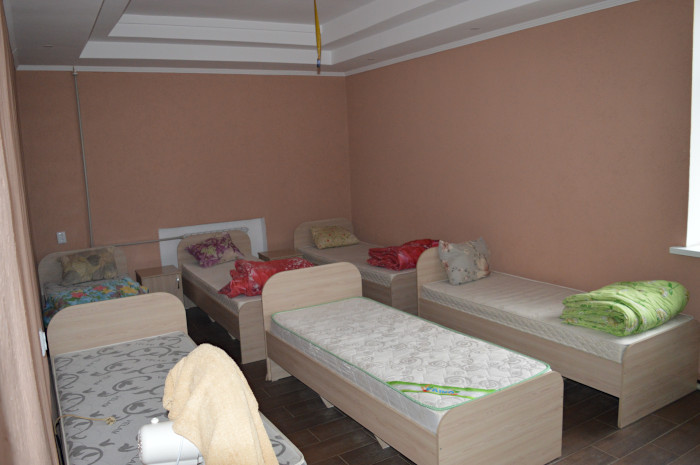
The convicts live in a two-storey building, which has undergone cosmetic renovation and where metal-plastic windows have been installed. The premises are sufficiently bright, but on the ceiling and walls, the monitors noticed traces of past flooding. Plaster is peeling off the walls. The living quarters are not very spacious, but the standard of living space per convict is being observed.
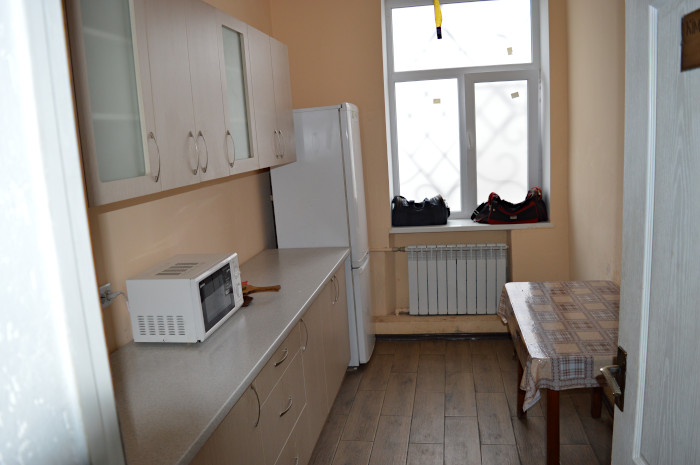
The dining room is equipped with refrigerators, electric kettles, and an electric stove. There is necessary kitchenware. There are enough tables for eating. The monitors noticed mould on the wall in the room.
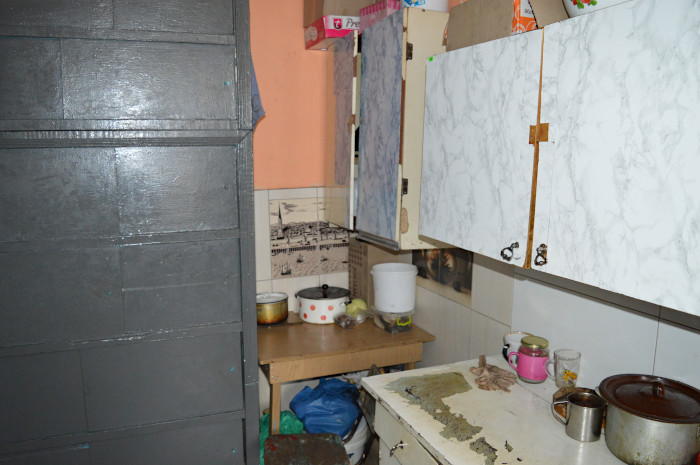
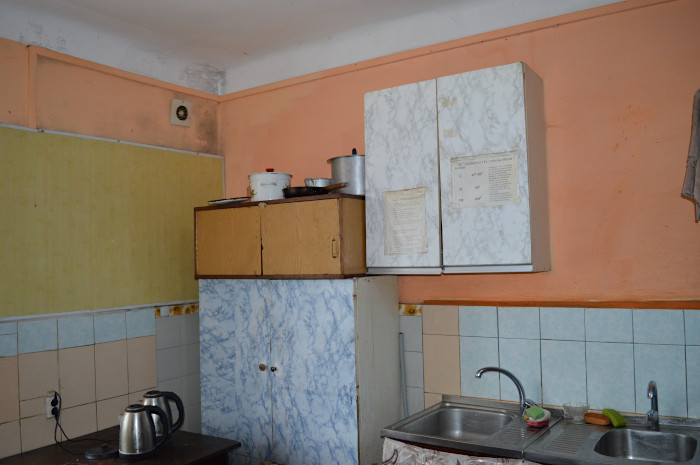
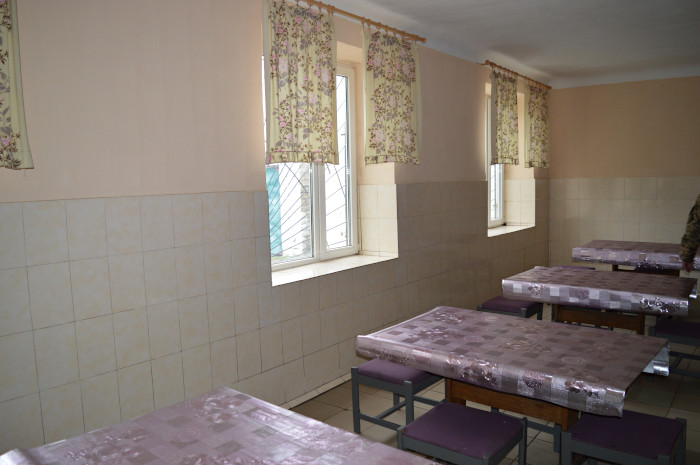
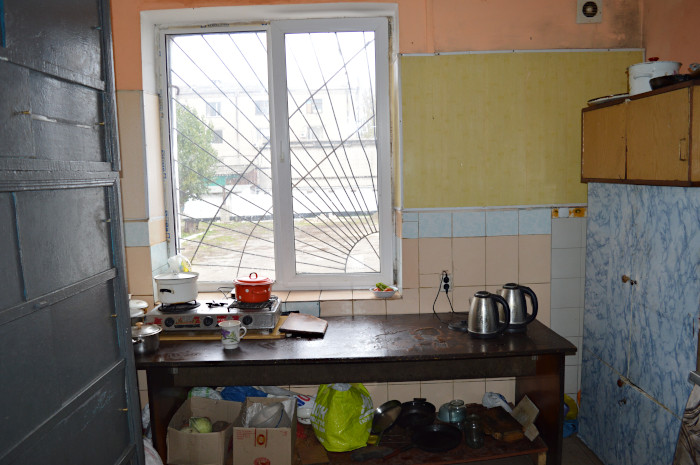
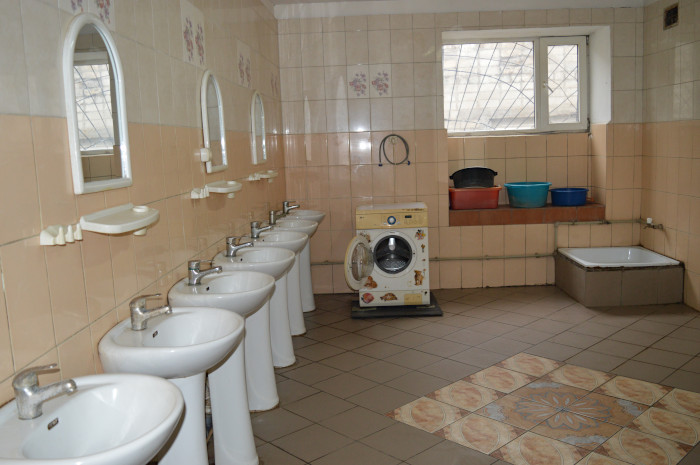
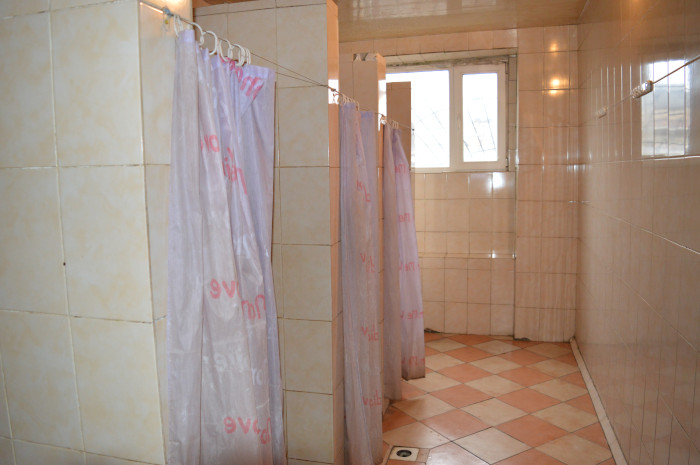
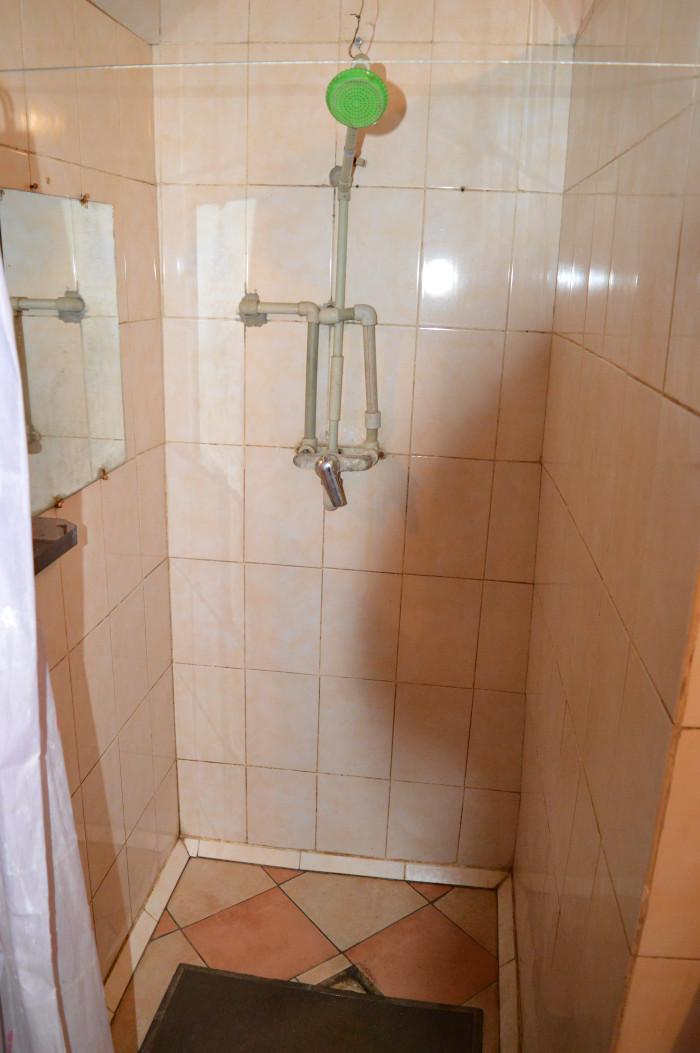
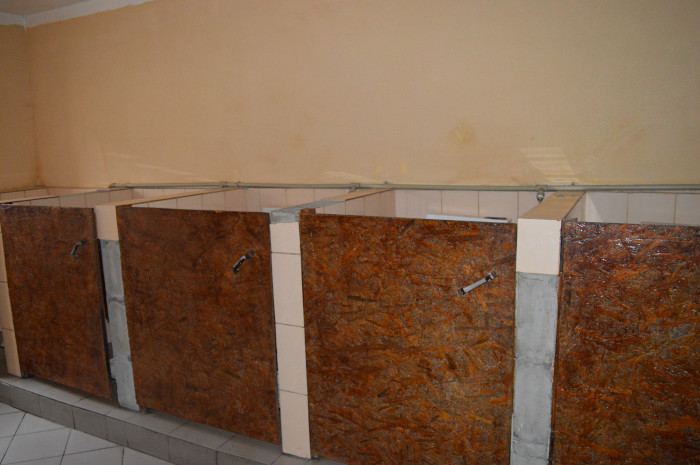
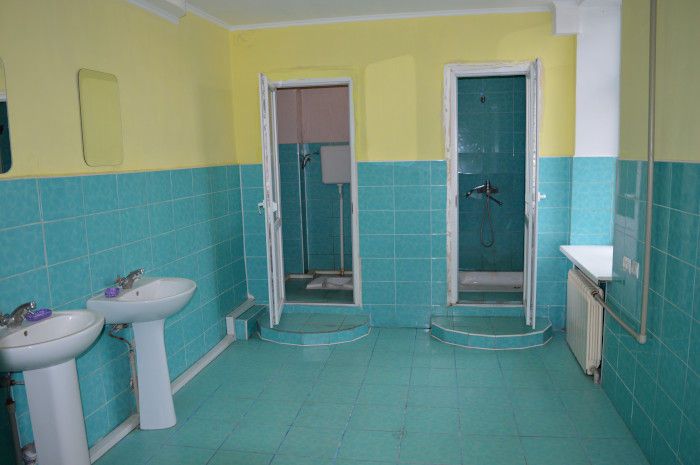
Sanitary rooms are equipped with washbasins in sufficient quantity. In the room, there is a washing machine and shower stalls, which are equipped with mats and curtains. In the sanitary facility, there is hot water, which is heated by a boiler. The toilets are partitioned by low walls and doors.
Duty unit
The institution’s duty unit has undergone cosmetic renovation. There are break rooms for staff. The sanitary facility is equipped with washbasins, a shower, and a toilet. There is a dining room.
Canteen, kitchen, warehouse
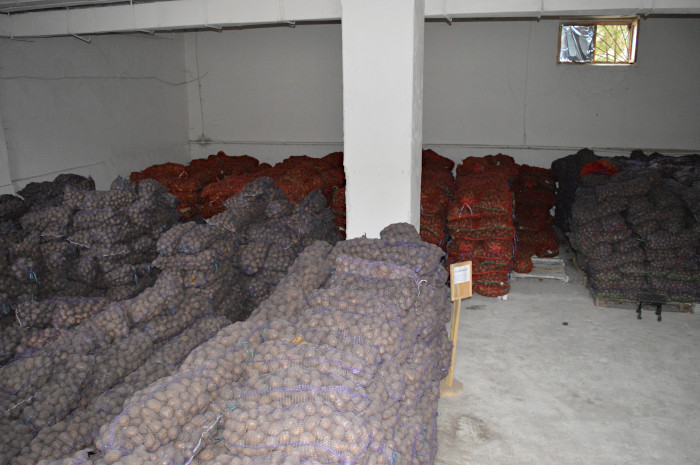
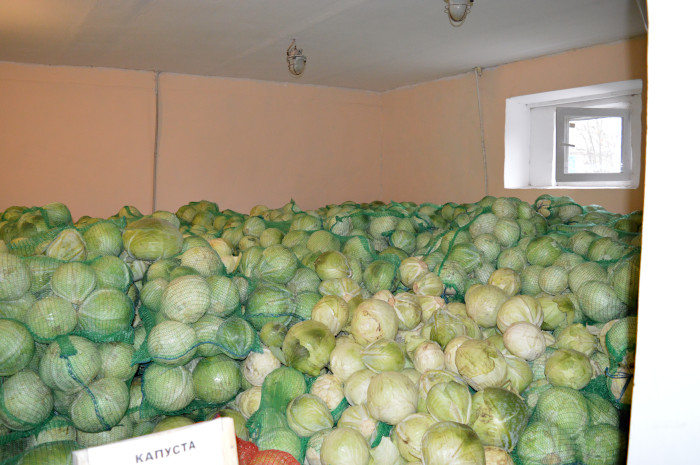
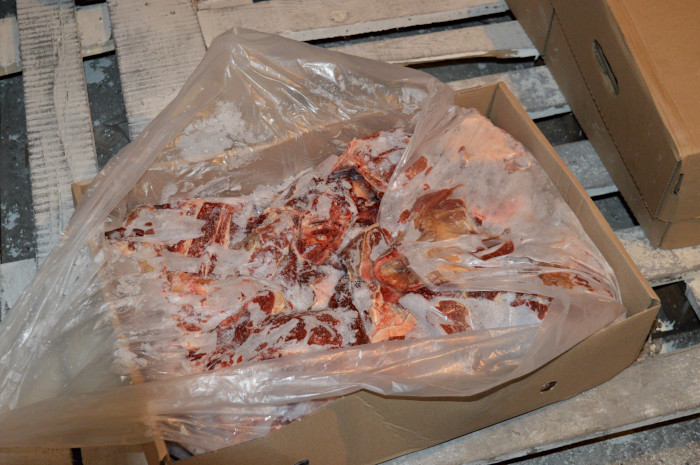
The monitors visited the institution’s warehouses, where vegetables, fish, meat, and pickles are stored. The institution is already fully provided with pickles, and the harvesting of potatoes, cabbage, and other vegetables is underway. The harvested products appear to be of proper quality. In the warehouses, it is clean, dry, and all conditions for long-term storage have been created.
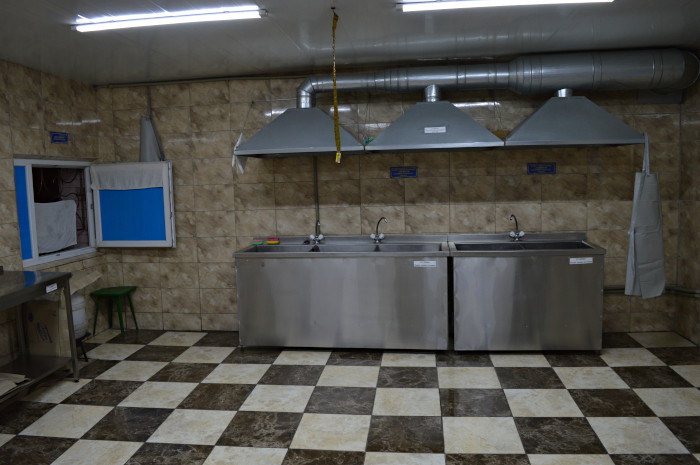
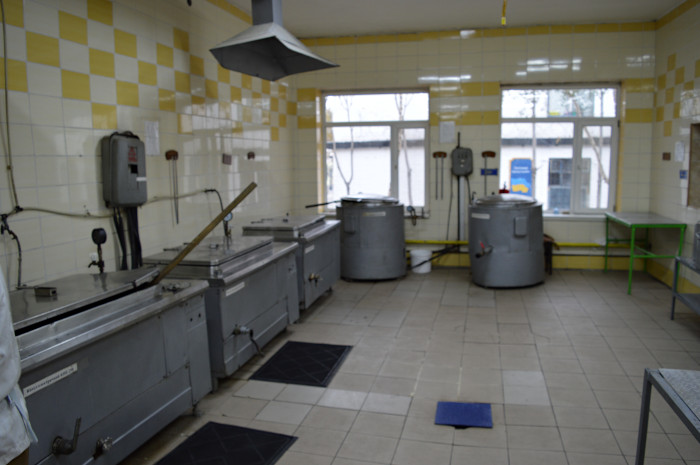
Last year, a major renovation was carried out in the kitchen. New boilers and other kitchen equipment were installed in the premises. At the time of the visit, lunch was being prepared in the kitchen. For lunch, there was millet soup, stewed meat with gravy, and mashed potatoes made from dried potato powder. The monitors tasted the lunch and can describe it as edible. However, the mashed potatoes tasted like instant mashed potatoes.
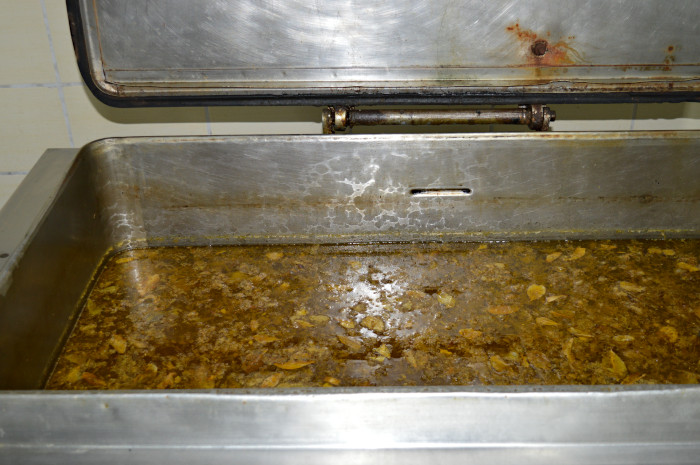
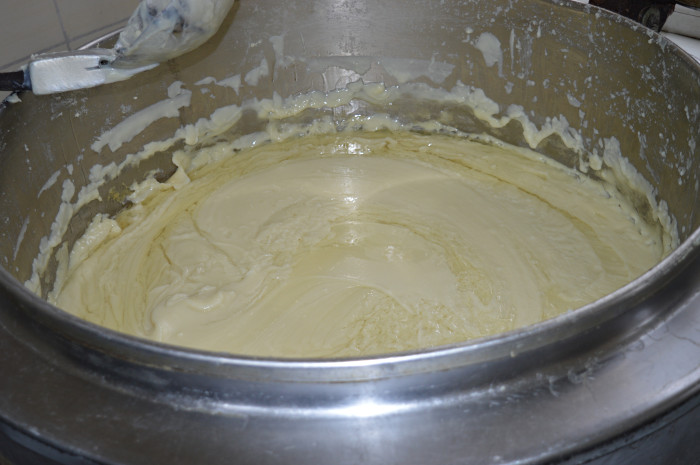
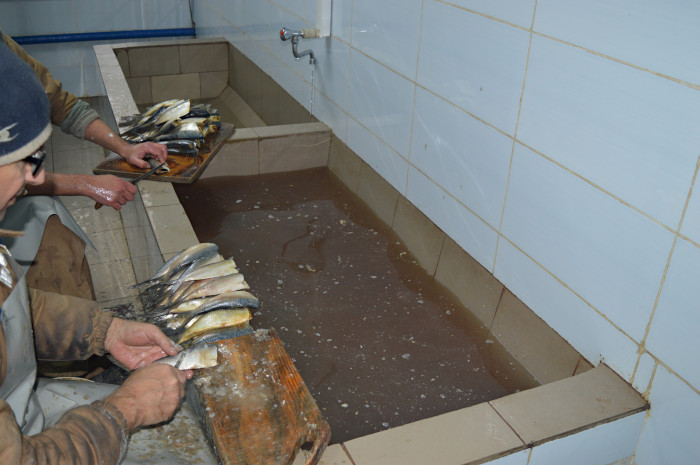
The monitors saw two people cleaning fish without protective gloves, which is unhygienic.
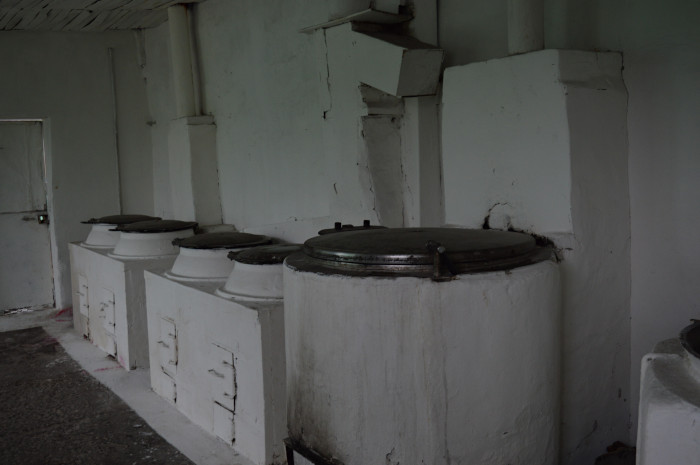
The institution has a backup kitchen in case of emergency power outages or other extraordinary situations. This kitchen is equipped with boilers for cooking food over an open fire.
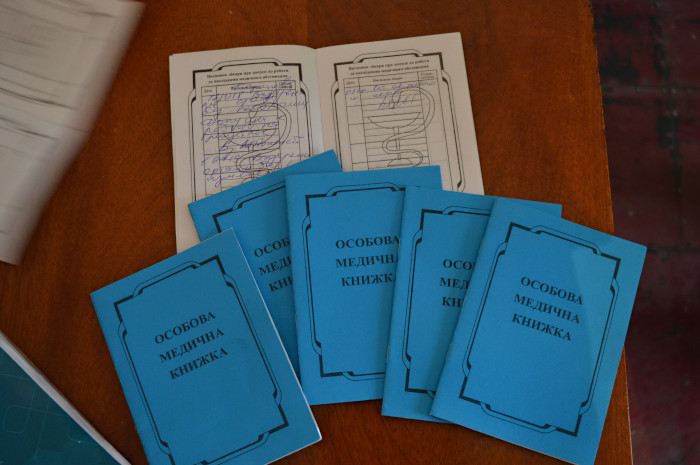
At the monitors’ request to provide medical books, they were given a whole stack of such books, half of which were empty. Furthermore, the books were of an outdated format that does not conform to modern standards. The medical books did not indicate which specific doctors the corresponding convict had seen.
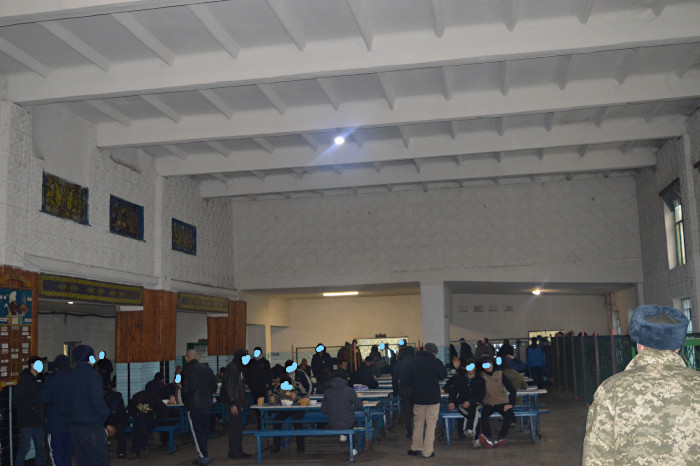
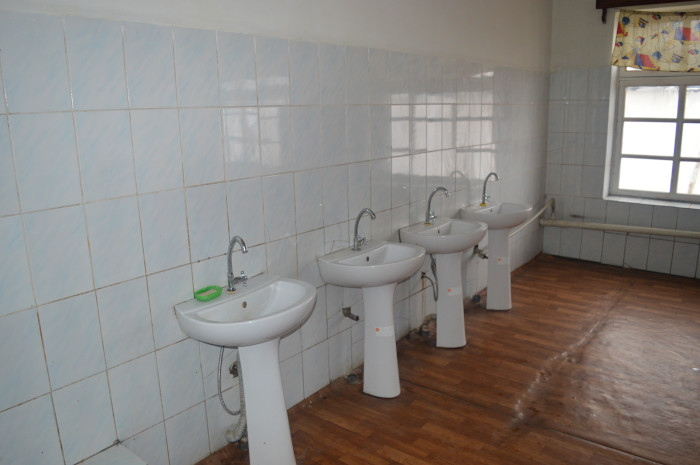
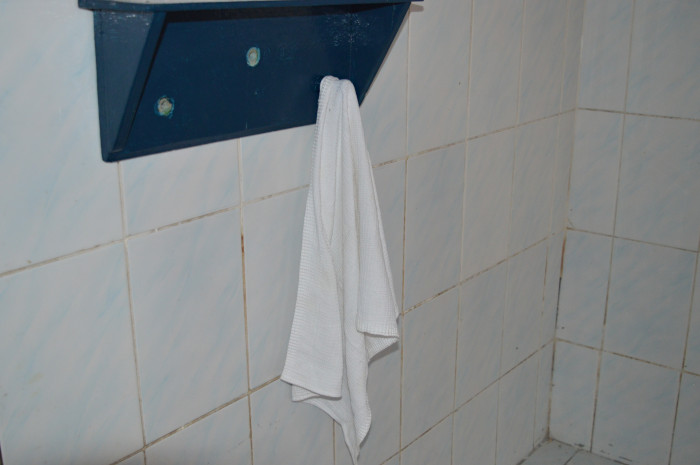
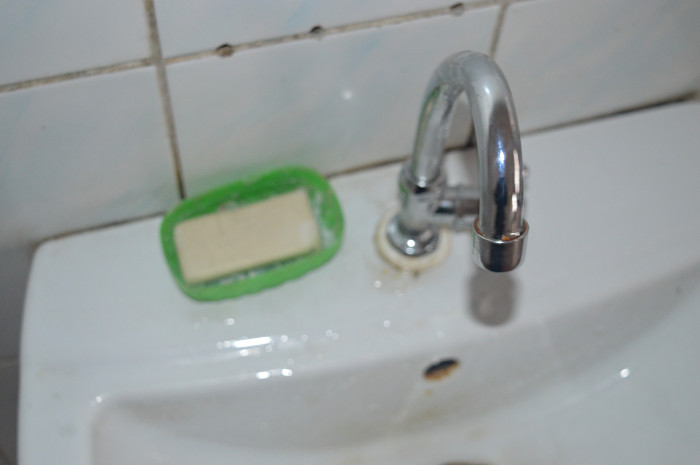
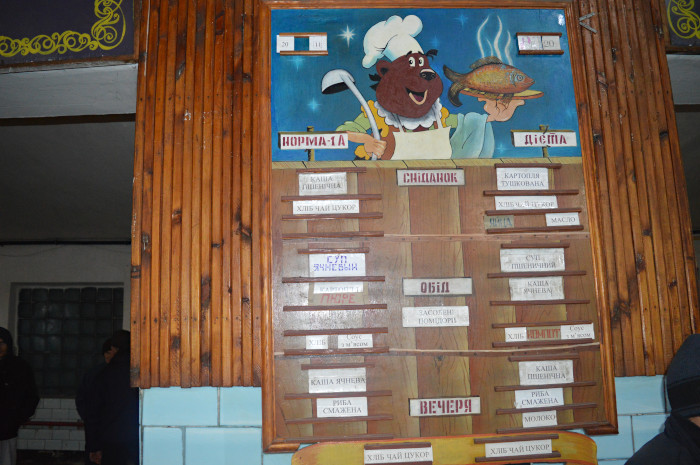
At the entrance to the dining hall, there is a separate room for hand washing. The room has four washbasins, one piece of soap, and one towel for all the convicts. The dining hall is spacious. At the time of the visit, the convicts were just having lunch. Social distancing in the food queue was not being maintained. In the canteen, there is an information menu stand. The monitors spoke with the convicts present in the dining hall. The convicts had no complaints about the quality of the food; however, the monitors noticed that visually, the food in the convicts’ plates differed from what the monitors tasted in the kitchen.
Residential zone of the medium-security section
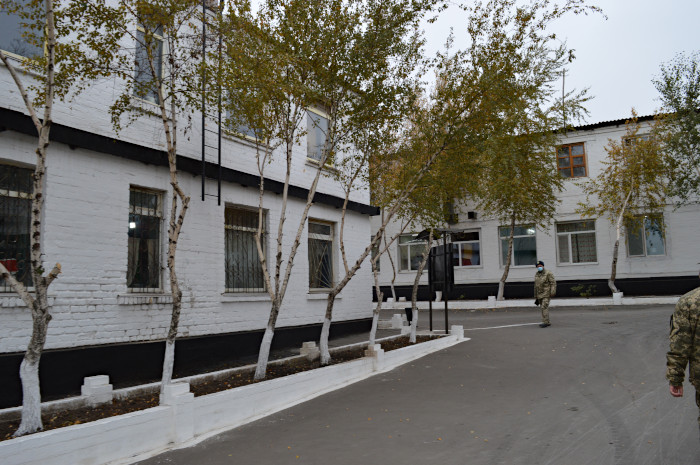
The residential zone of the institution consists of 13 block-type units. All units are occupied. One unit is being renovated. After renovation, it will be the building for the medical unit. The other 12 units are fully occupied. Some units have undergone cosmetic renovation. However, some units are in a neglected state and clearly require renovation. In some places, mould can be seen on the walls and ceilings. In many residential premises, wooden windows are installed, which have large gaps. Convicts noted that they are forced to close the windows with adhesive tape and other materials, as well as hang various rags, to protect themselves from draughts. Therefore, it is quite dark in the residential rooms, and there is a lack of daylight.
In the bedrooms, two-tiered beds are installed in many places. In accordance with the Act of measurement of premises and the actual occupancy of these premises, in some places, the living space per convict is less than 2.5 square metres, which contradicts national standards, which set a norm of 4 square metres per convict, and the European Prison Rules, where 6 square metres are provided per convict. We would like to note that in pre-trial detention centres, the standard for living space is 2.5 square metres, which is even more than in this institution.
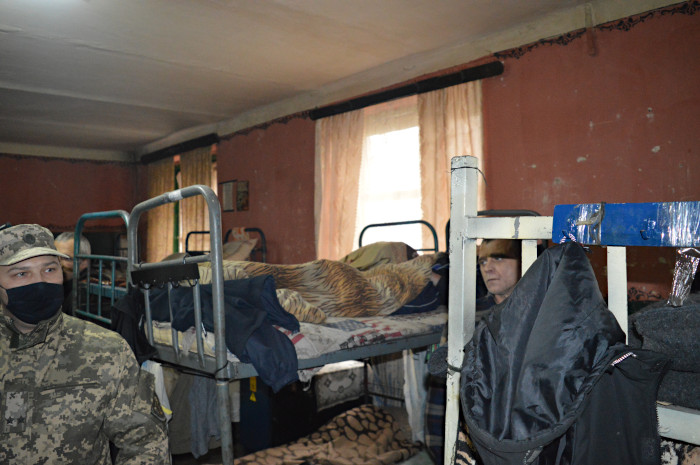
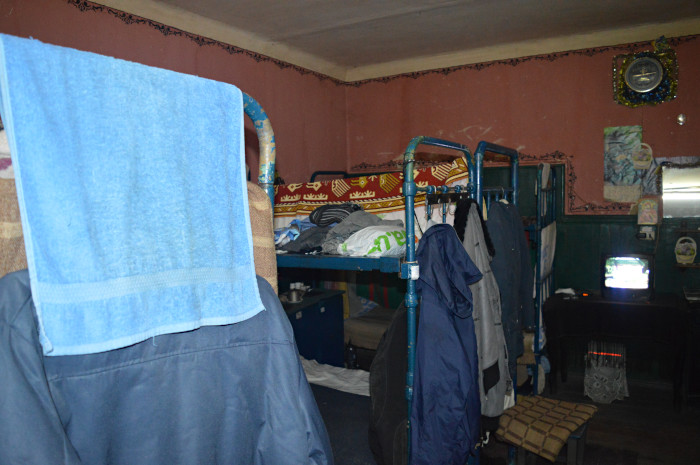
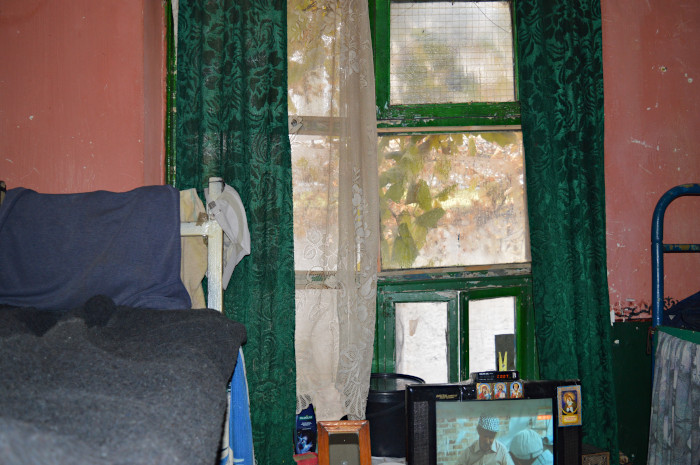
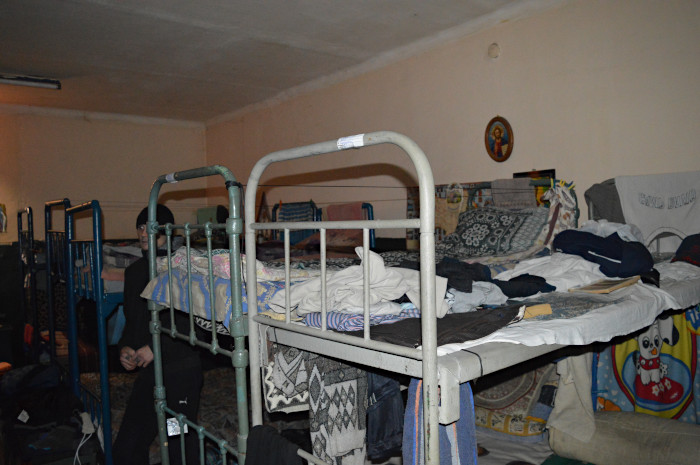
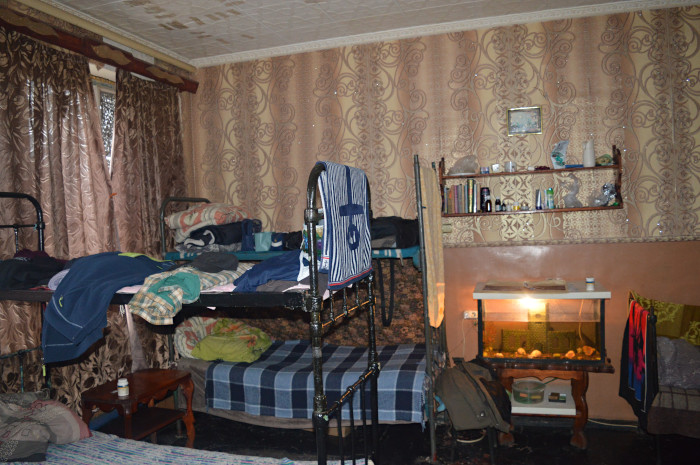
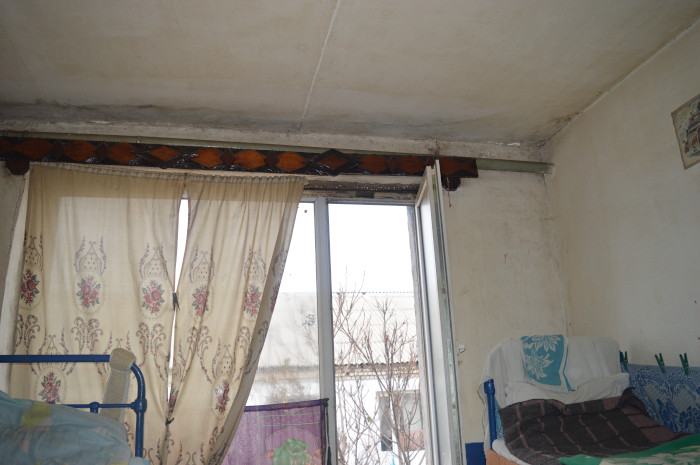
The dining rooms are also in a neglected state. Old, Soviet-era refrigerators are installed, but they are functional. The walls are worn.
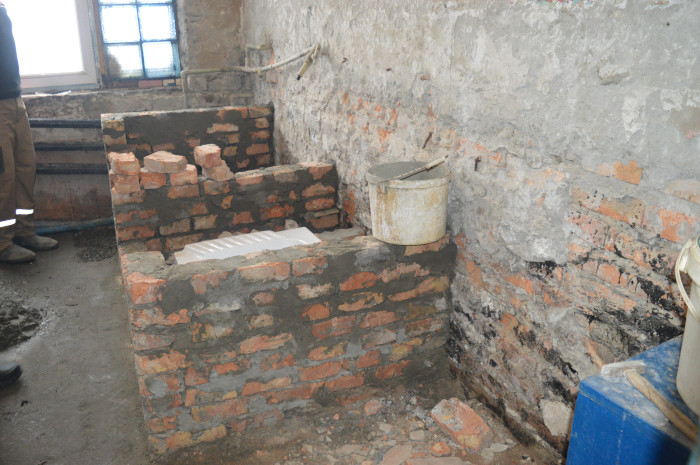
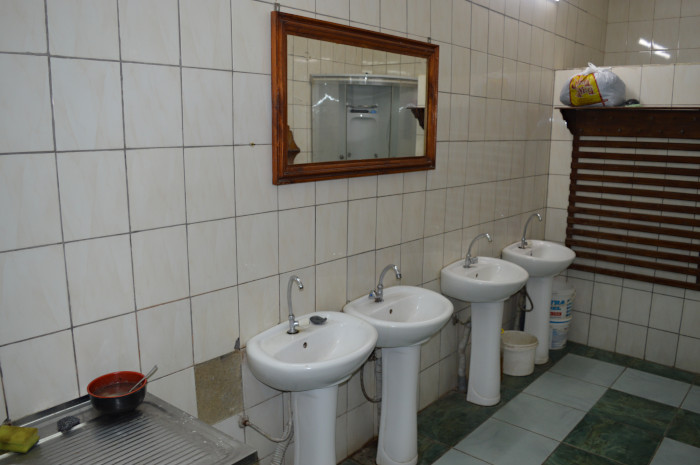
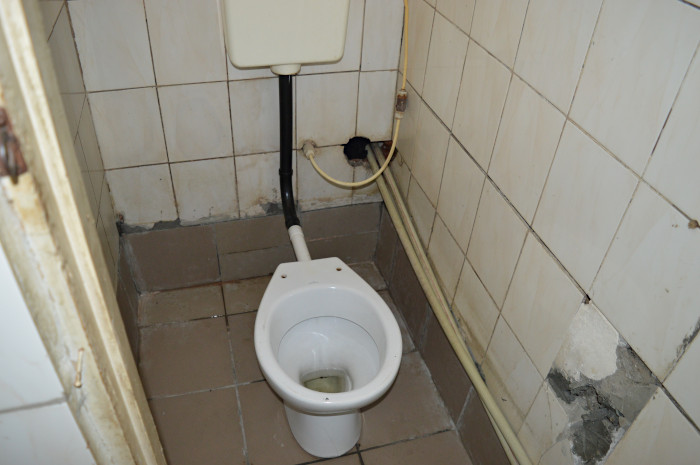
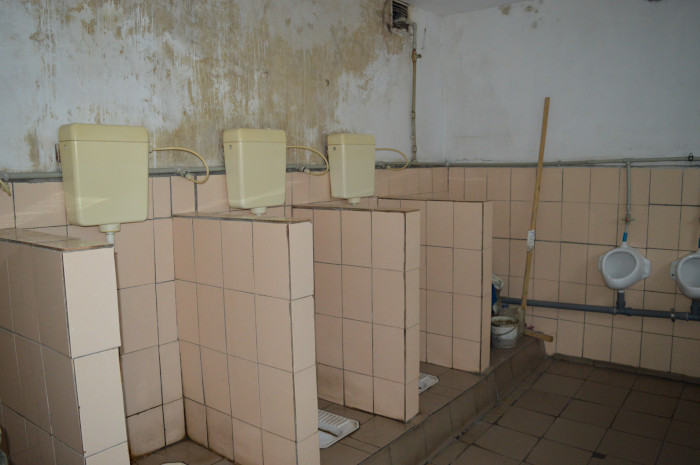
The sanitary facilities are located in the courtyard. In some units, at the time of the visit, renovations were being carried out to equip sanitary facilities directly in the units. According to the administration, the renovation is to be completed by the end of November. The washbasin systems are functional. There is water in the pipes. According to the administration, water is supplied from four of their own boreholes. The toilet rooms are clean, without foreign odour. However, the walls in the toilet room of one of the units are covered with mould and fungus. On the ceiling, traces of flooding are visible.
DIZO/PKT (Disciplinary Isolation Unit/Cell-Type Premises)
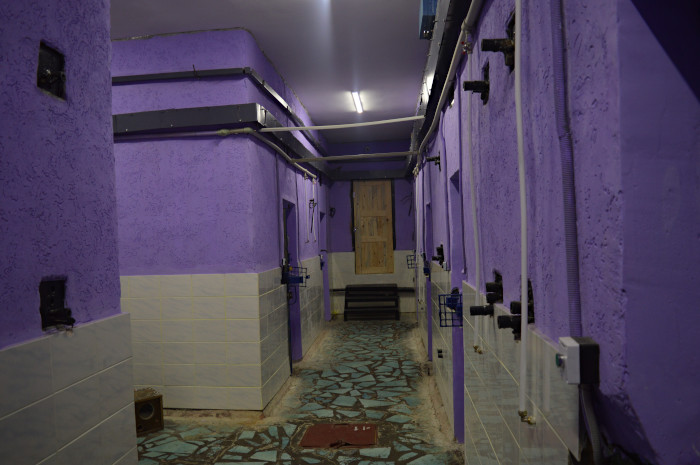
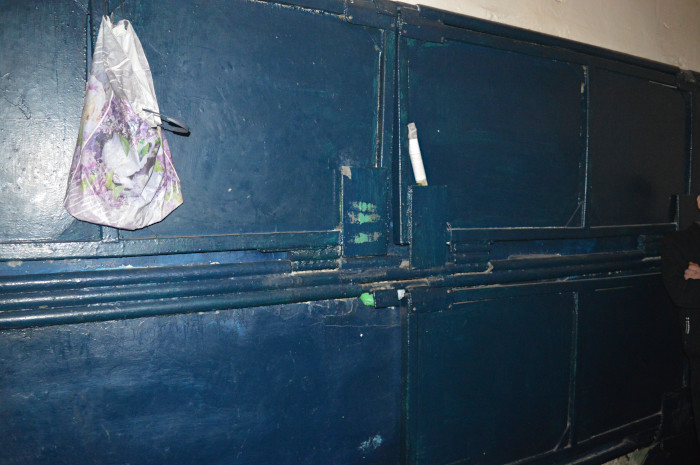
The disciplinary isolation unit is located in a separate building. The corridors of the isolation unit have undergone cosmetic renovation. At the time of the visit, 11 people were serving a disciplinary penalty in the DIZO, and one person in the PKT. In total, since the beginning of the year, a disciplinary penalty in the form of placement in the DIZO was applied 394 times, and in the form of placement in the PKT – 15 times. The monitors visited one renovated cell, which was not in use at the time of the visit. The cell has been renovated, and new plumbing installed.
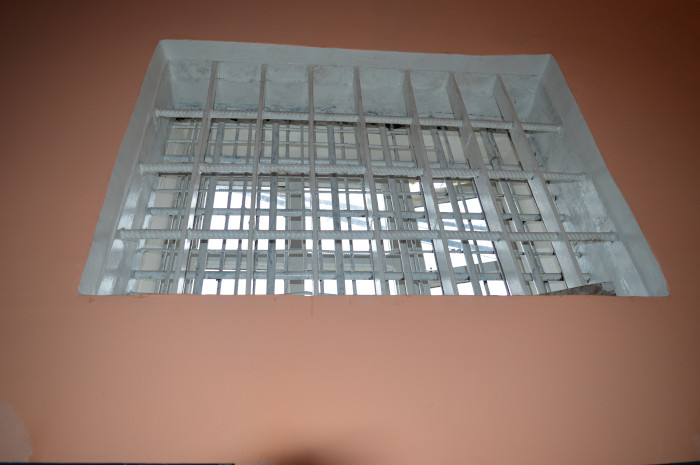
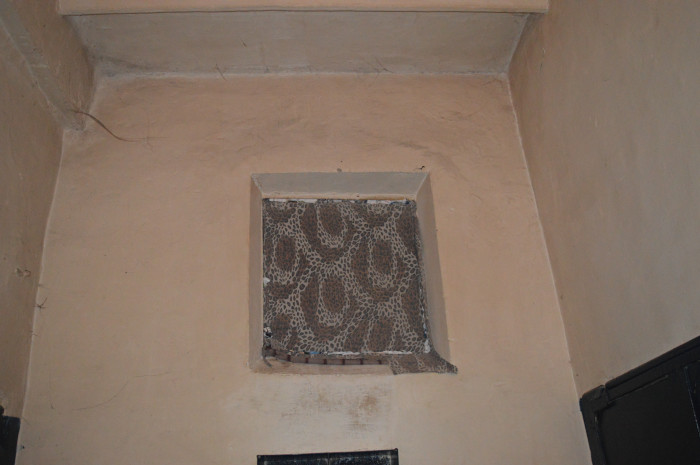
In another cell, which the monitors visited, there were five people. In total, the cell is designed for seven regime violators. The window in the cell was covered with a rag, through which no light was entering. According to the convicts, they were forced to cover the window because of constant draughts and, as a consequence, the cold.
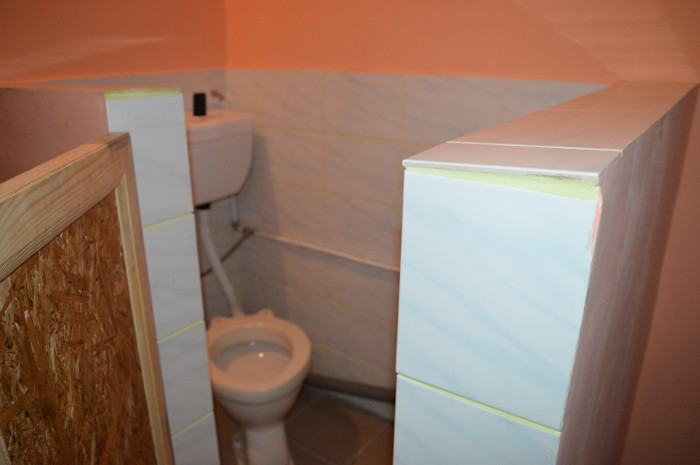
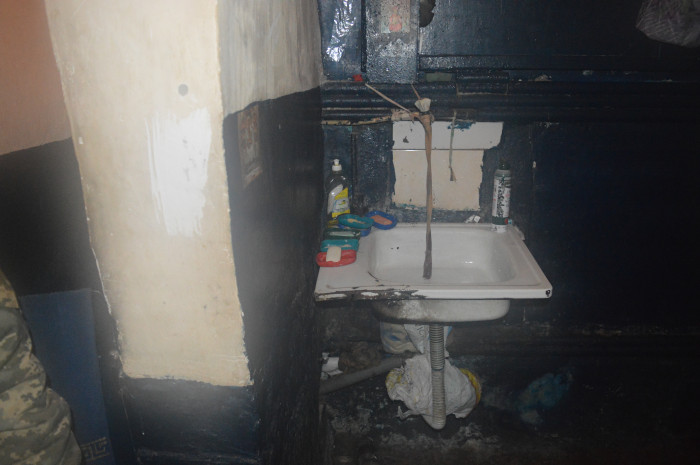
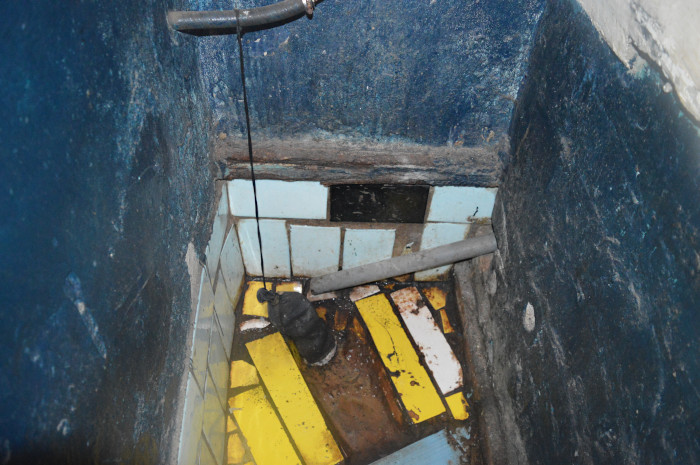
The window is located too high for the convicts to have the opportunity to open or close it without extra effort. The toilet is partitioned by a wall without a door and is in a neglected state. The hole in the toilet is covered by a plastic bottle. There is also a washbasin. There is no flush in the toilet, so flushing occurs with the help of wastewater from the washbasin.
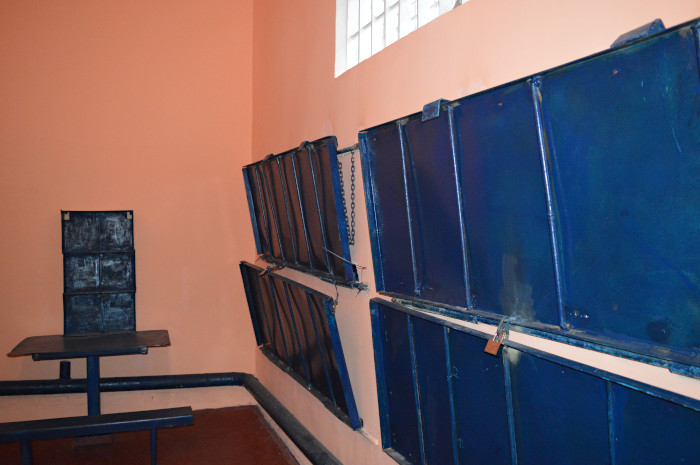
During the visit, the beds in the cells were fastened to the wall. The convicts complained that the administration forces them to fasten the beds. Two small benches by the table are clearly not enough for the five people who were in the cell to sit, not to mention the seven for whom this cell is designed. The administration of the colony explained the necessity to fasten the beds to the walls by an order for official use No. 30/5. Unfortunately, this order is not public and applies only to representatives of the administration and in no way can limit the rights of convicts, who cannot familiarise themselves with it and are not required to follow its requirements.
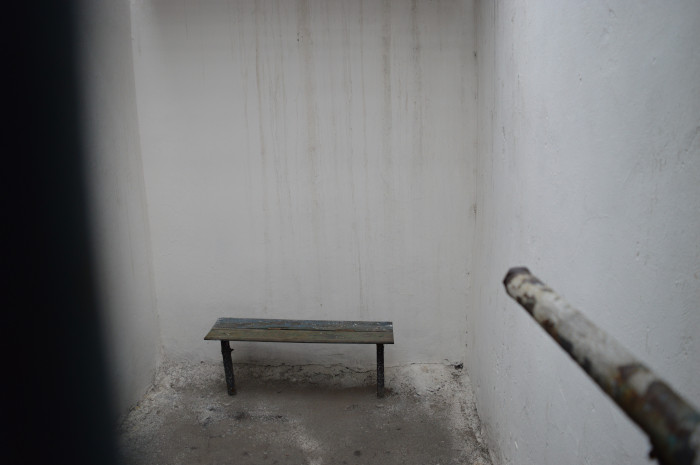
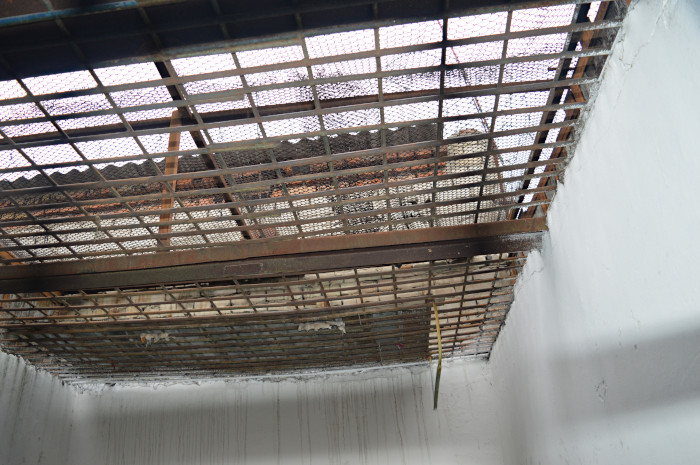
The exercise yards are located in the courtyard. They are equipped with a bench and exercise equipment. The exercise yard does not sufficiently provide protection from atmospheric precipitation.
Medical unit
At the time of the visit, 8 convicts were in the institution’s inpatient ward. None of them were in a serious condition. The positions of doctors in the medical unit are not fully filled. There is no therapist or surgeon. An infectious disease specialist from Daryivska Penal Colony conducts appointments in the institution. According to the paramedic, there is an insufficient quantity of medicines in the institution due to delays in the centralized supply of medical supplies and the lack of ability to receive necessary medicines promptly. This creates significant difficulties and threats to the provision of emergency medical care to convicts, as the need for certain medicines cannot be predicted in advance. Often, after ordering, it is necessary to wait a whole year for the delivery of the drug.
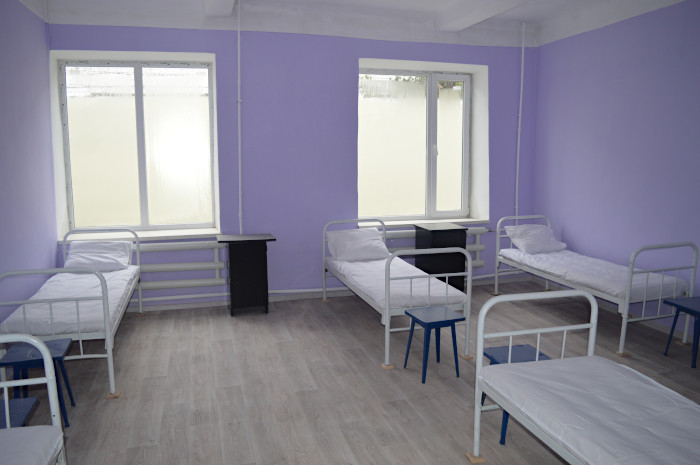
On the territory of the institution, a room for substitution therapy for drug addicts has been built, but it is not yet operational. The room has undergone renovation and furniture is gradually being installed. It is planned to provide therapy to at least 28 convicts who will arrive from Buchanska Penal Colony, as well as to other persons who need it.
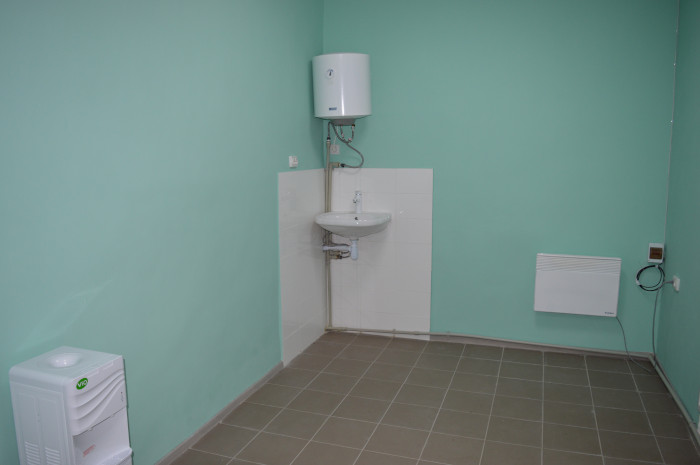
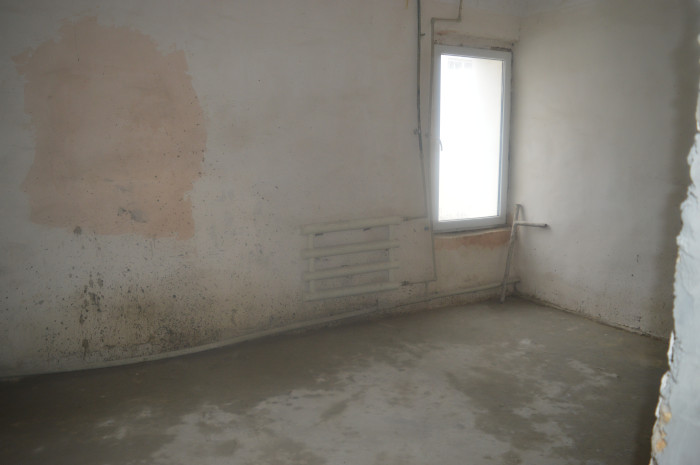
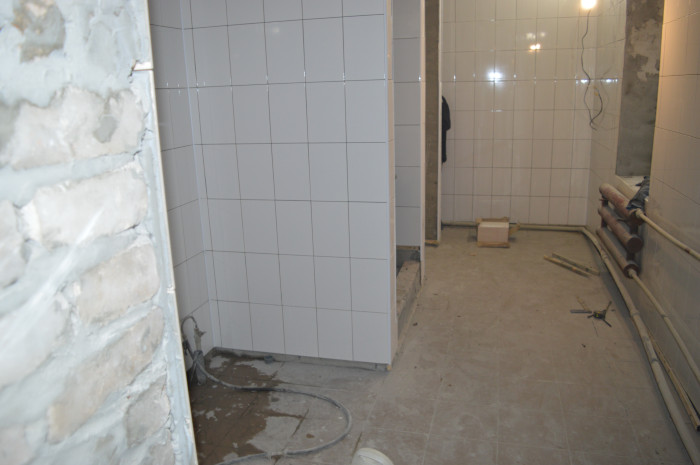
As mentioned above, a major renovation of one of the residential units is taking place in the institution, in which the medical unit will be located in the future.
Among the convicts, there were no cases of coronavirus infection detected; among the administration, 6 employees were ill.
In the register of bodily injuries, only fourteen entries are recorded for the current year, which is extremely few for an institution where more than 800 people are serving sentences. This leads the monitors to the opinion of improper keeping of such a register or improper examination of convicts for bodily injuries by medical workers.
In the institution, 95 people have HIV, 87 of whom receive ART therapy. Others have refused it.
Since the beginning of the year, an ambulance has been called to the institution three times.
Production
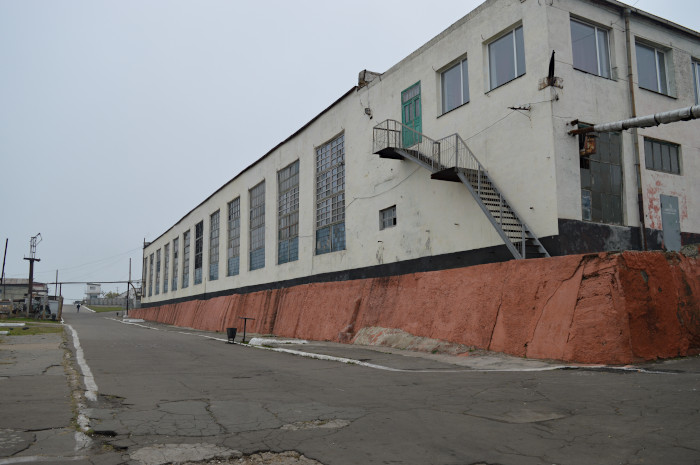
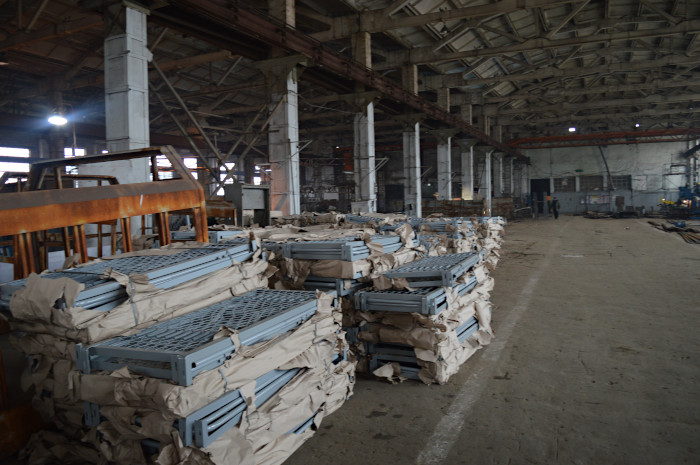
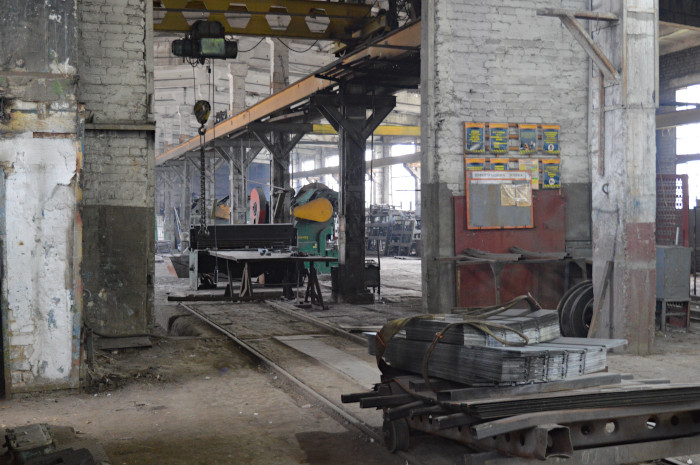
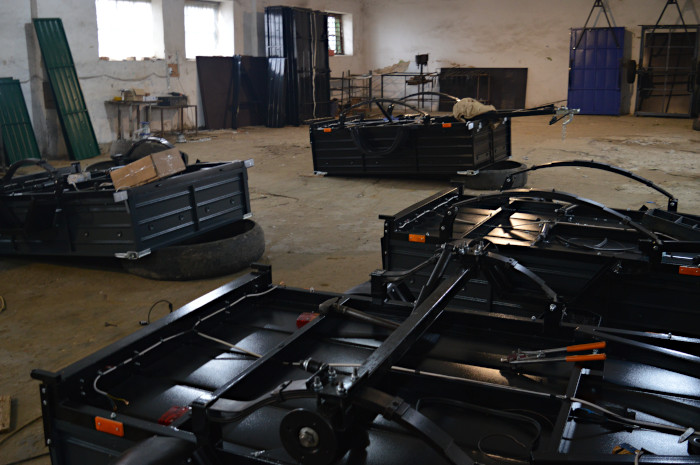
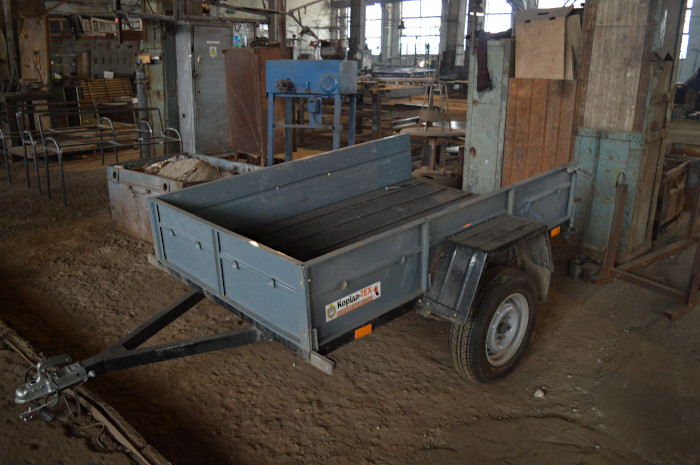
Production in the colony is represented by metalworking and work with metal structures. Previously, a woodworking shop also operated, but currently, there are no orders. In the institution, 66 people are employed in production.
In production, they manufacture beds for the military, assemble trailers, and equipment for children’s playgrounds.
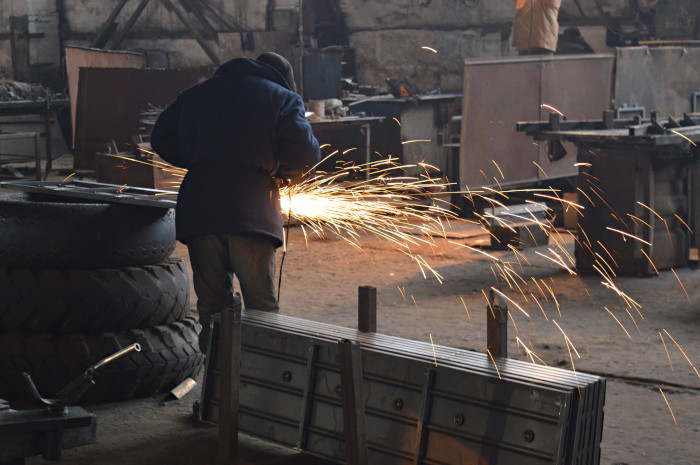
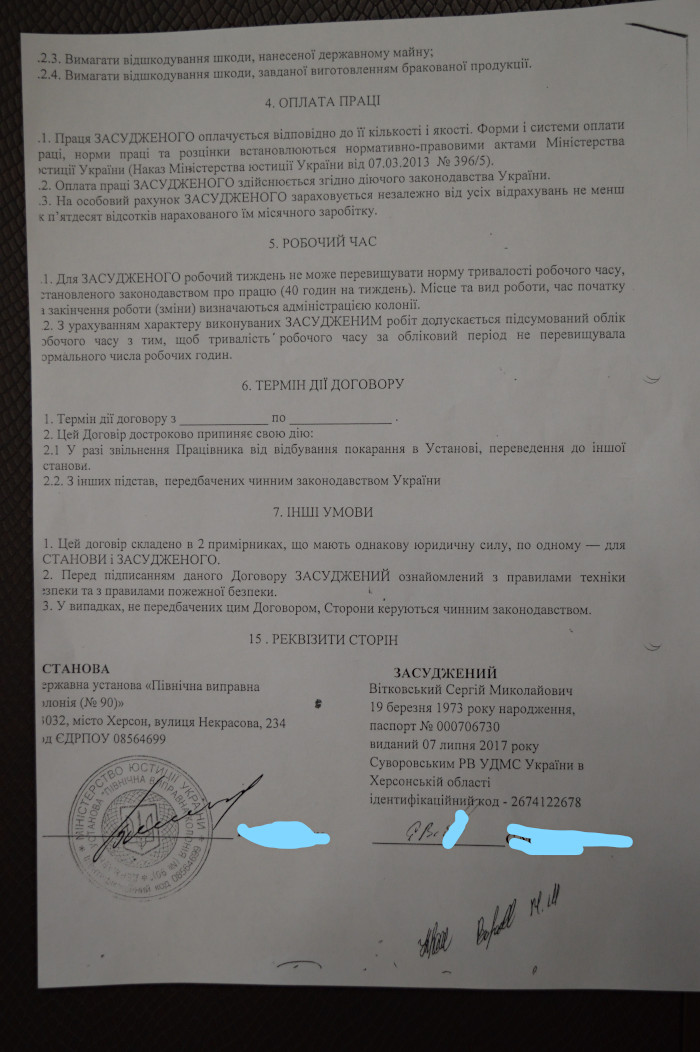
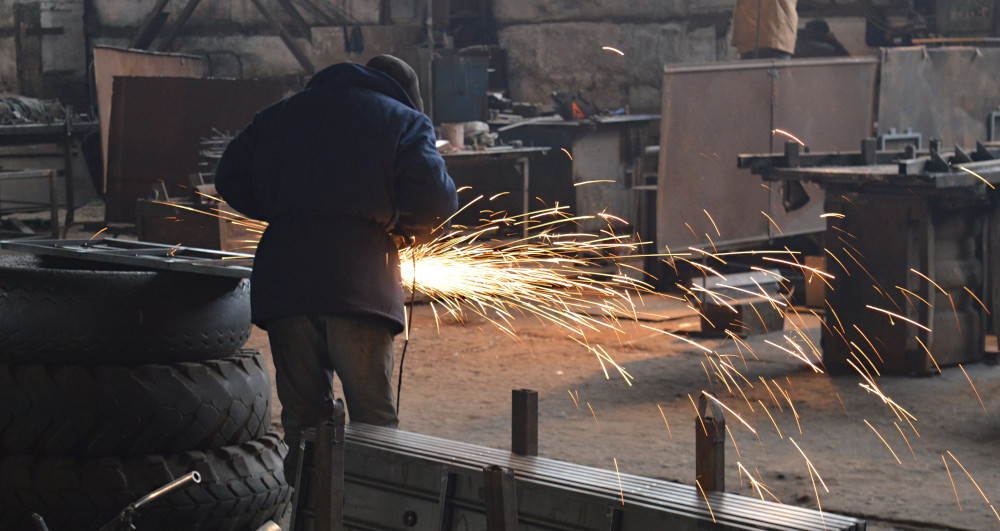
The monitors noticed that some welders’ workstations are equipped improperly. In particular, the monitors saw how a convict was welding a structure on three rubber tyres. The administration claimed that all convicts work under fixed-term employment contracts. According to the director of the enterprise, the average salary is 2,500 hryvnias, but none of the convicts could name even an approximately accurate salary amount.
The monitors found that the employment contracts were drafted improperly. In the signed contract, on both sides, the ‘term of the contract’ field was not filled in.