Monitoring visit to State Institution ‘Litynska Penal Colony No. 123’
I. General information
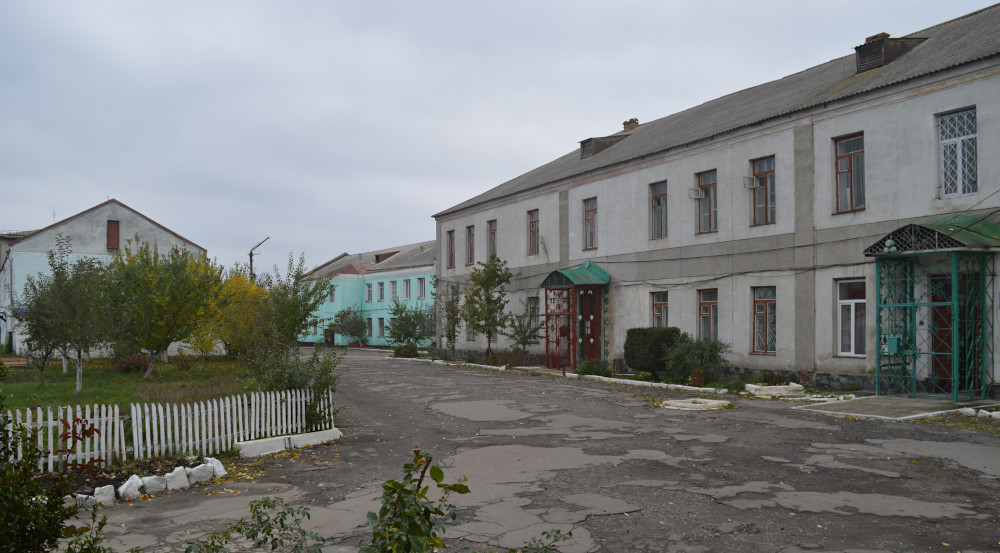
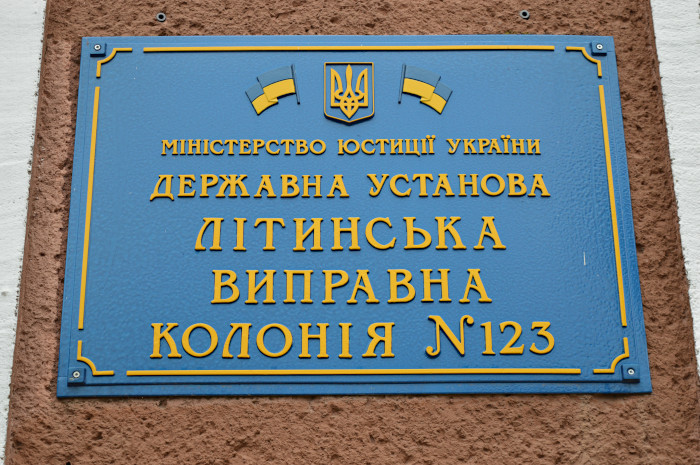
On 6 November 2020, the KHPG monitoring team, consisting of assistant to the People’s Deputy of Ukraine Maksym Revyakin and two journalists, Ihor Sosonskyi and Pavlo Shvab, visited the State Institution ‘Litynska Penal Colony No. 123’. This institution is a medium-security colony for men serving their first sentence. The planned capacity of the colony is 336 people; on the day of the visit, there were 213 convicts in the colony. The colony has been functioning since 1966. It is located in the town of Lityn, 31 km from the regional centre in the Vinnytsia region. At the entrance to the institution, the monitors underwent temperature screening, and at the entrance to the checkpoint, there are disinfectant agents and barriers.
II. Residential unit
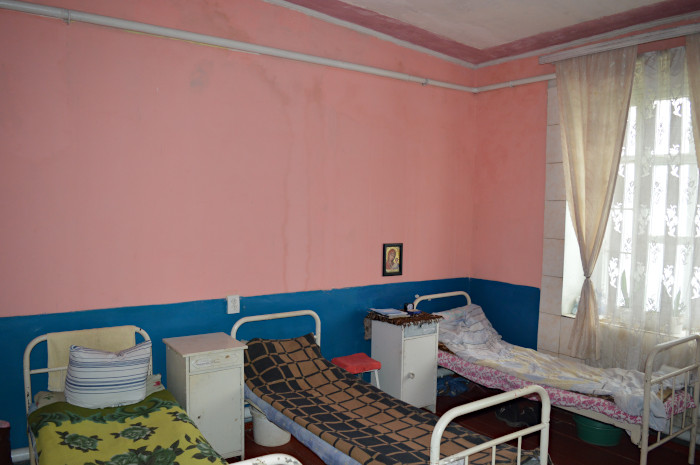
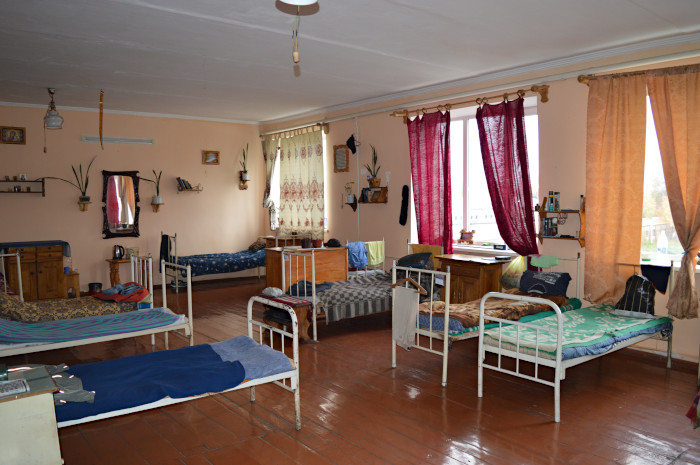
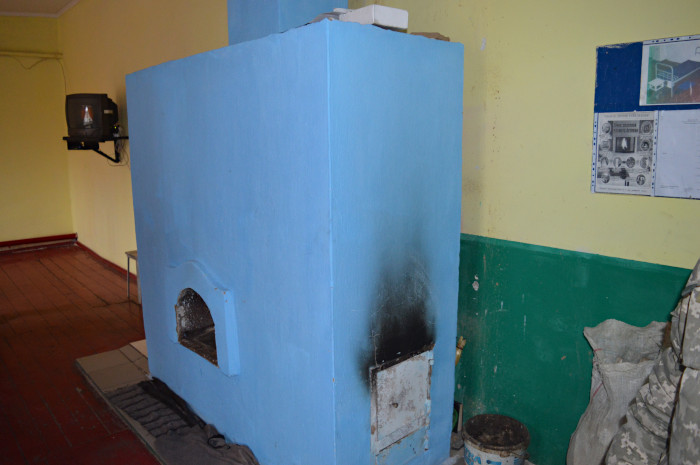
Residential units are located in 3 dormitories and divided into 7 units. There are block-type and barrack-type units. Ongoing cosmetic renovation has been performed, but in some places, traces of past flooding are visible on the walls. A unique feature is that in the barrack-type residential units, heating is provided by a pipe located in the middle of the room. In the living rooms, there is a bucket with boiled drinking water. The monitors noted that in the premises of one of the residential units, it was quite cold, and the convicts were wearing warm clothing.
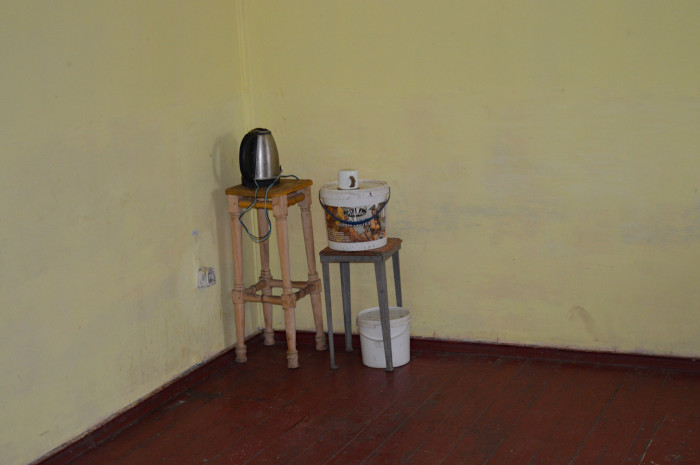
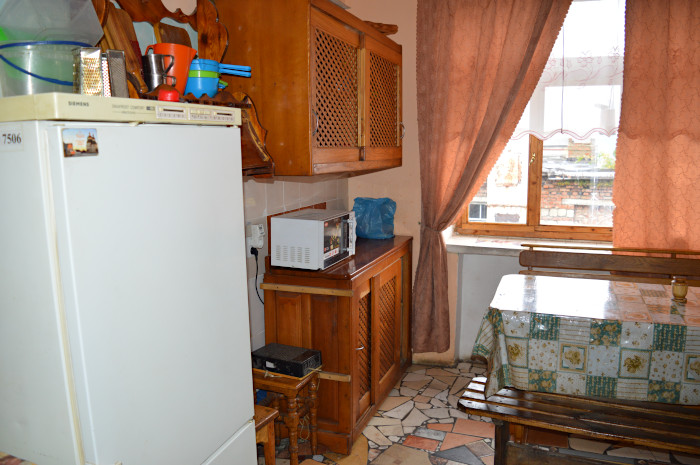
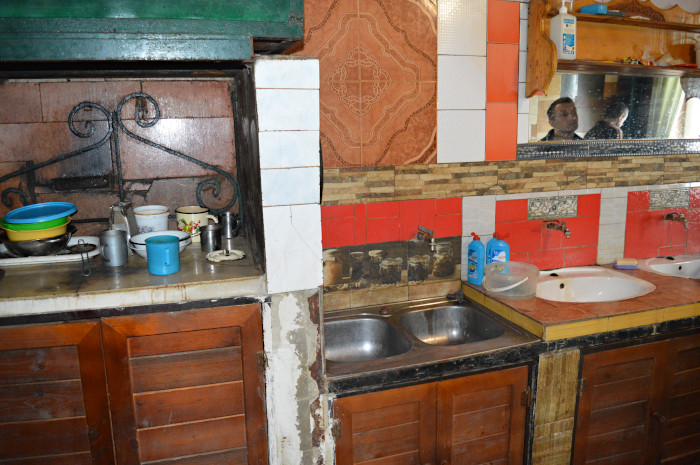
Dining rooms are furnished, and there is kitchenware. Regarding the recently permitted multicookers – in the units visited by the monitors, they were absent. The monitors noticed that in the sanitary rooms, there are small kitchen corners. According to representatives of the colony, the convicts equipped such places themselves. Sanitary rooms require renovation.
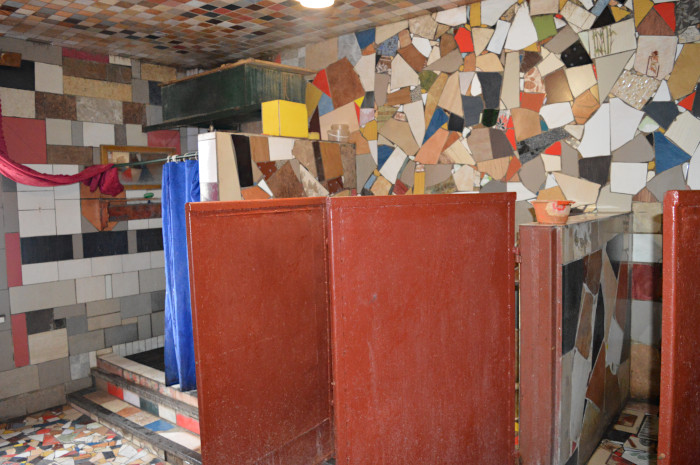
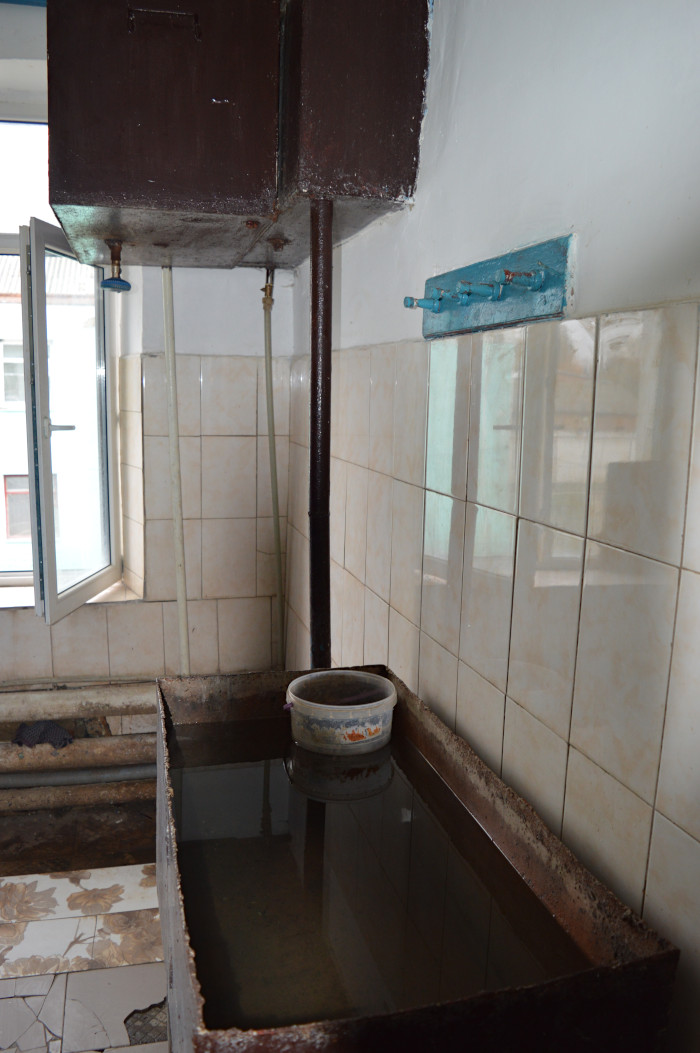
In the toilet, there was a smell of sewage. The toilet bowls are partitioned by walls; there are doors. Also, in the toilet, a so-called ‘summer shower’ is arranged. Moreover, the monitors noticed that the colony has problems with water supply, as there are large tanks in the sanitary facilities in which water is stored. The monitors spoke with the convicts who were in the residential units.
III. Canteen
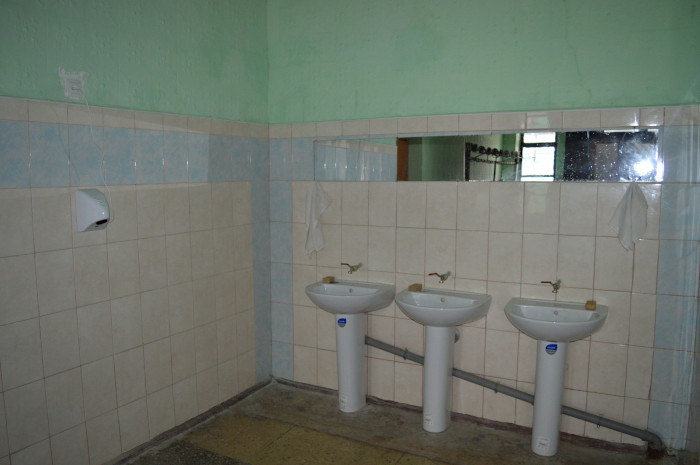
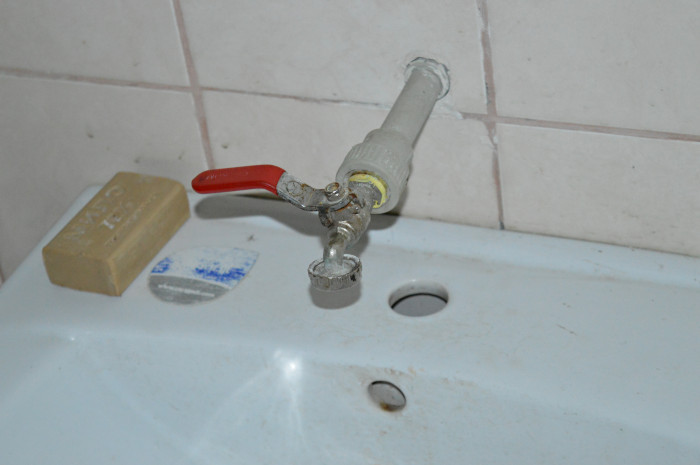
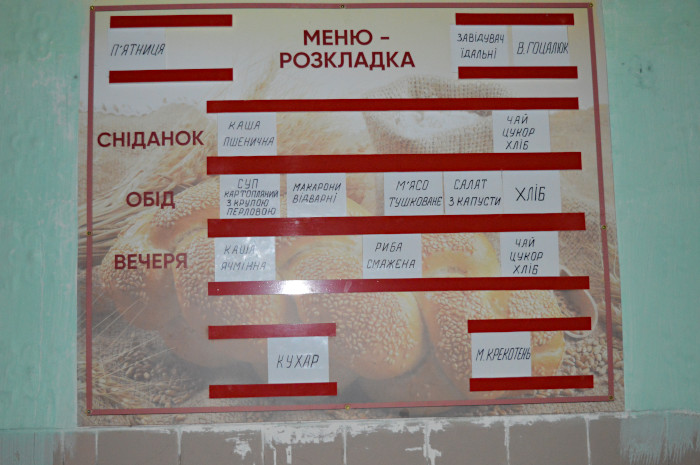
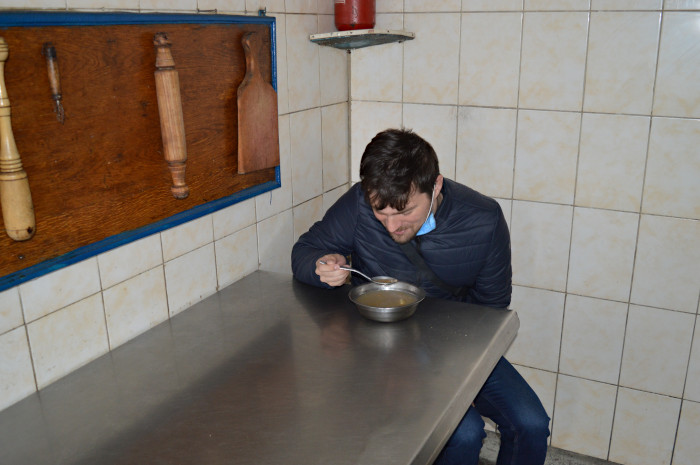
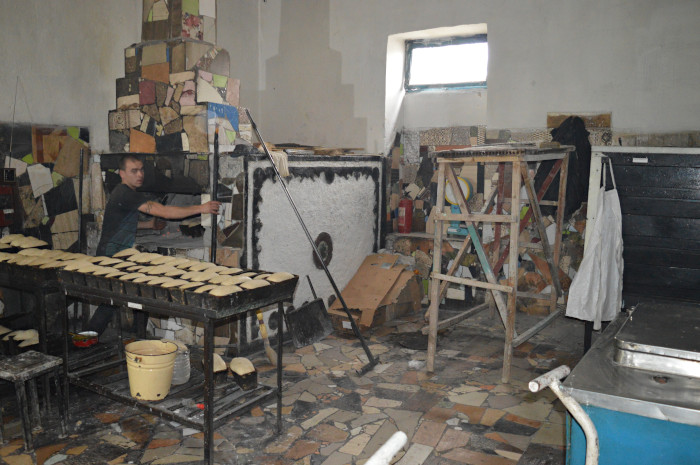
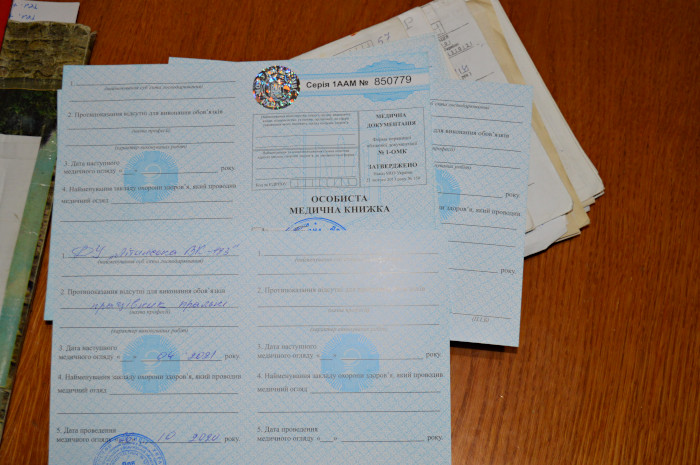
At the entrance to the canteen, there are three washbasins. There are towels and soap, which appears not to be used. The dining hall is spacious. On the wall, there is an information board with the menu for the current day. In the kitchen, there was a smell of freshly prepared lunch. Ongoing renovation is conducted every year, and at the time of the visit, some workshops were being renovated. The monitors conducted a tasting of the prepared dishes. For tasting, the monitors were offered pearl barley soup and stewed beef. The tasted dishes had a pleasant taste and smell. Also, next to the canteen, there is a bakery. Bread is baked in the old, traditional way – in a wood-fired oven. All those working in the kitchen have medical books, but during the check, the monitors found that for the majority of workers, they had already expired by approximately a week, if not more.

IV. Bath and laundry complex
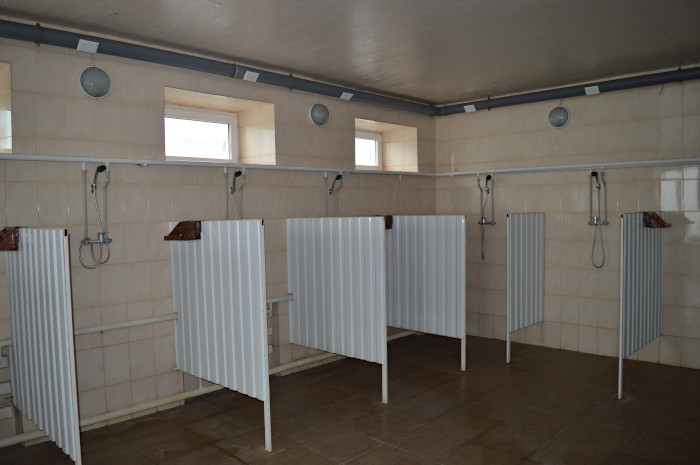
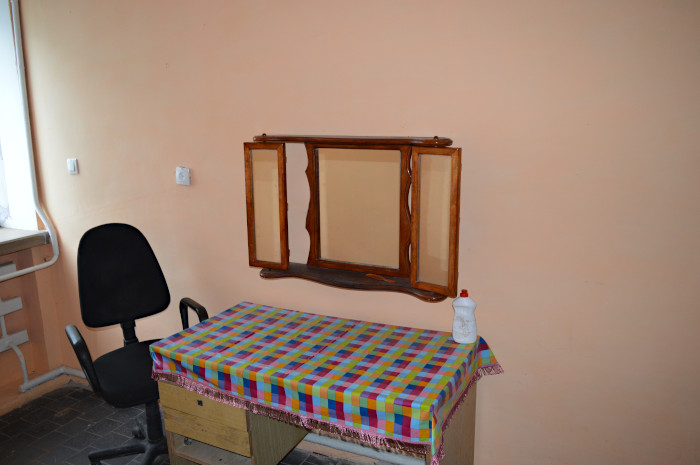
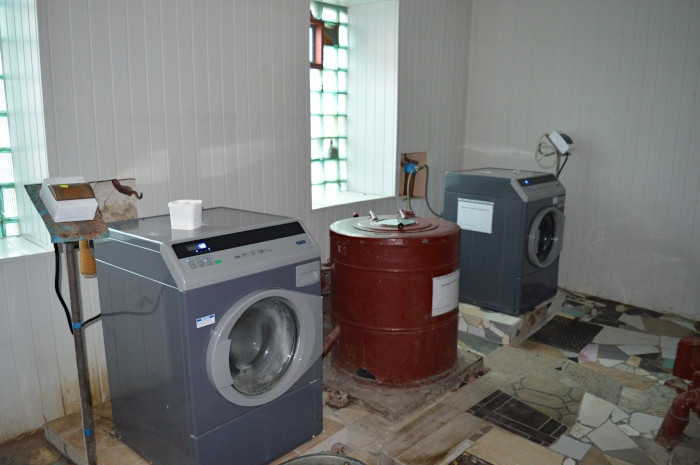
Next, the monitors visited the bath and laundry complex. The bathhouse has undergone ongoing cosmetic renovation. Showers are partitioned by walls, but there were no mats or curtains. There is a barbershop where convicts have the opportunity to get a haircut for free. The laundry is equipped with two new washing machines, but other outdated equipment is also used.
V. Medical unit
At the time of the visit, there was an on-duty doctor and a dentist in the medical unit. According to them, the staff is fully equipped; there is a pharmacist, a dentist, and a therapist. An infectious disease specialist from the hospital at Stryzhavska Penal Colony comes and conducts examinations once every six months.
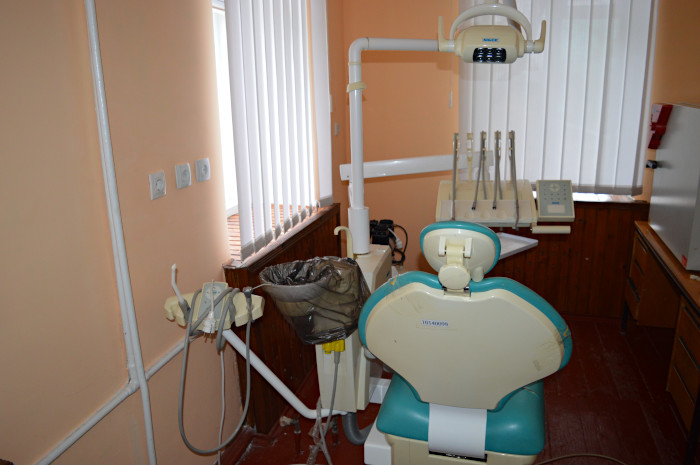
According to the medical unit staff, they are fully provided with disinfectant agents; however, there are problems with the supply of medical products due to the centralized supply system: first, the medical unit must compile a list of necessary medicines and medical products and pass it to the corresponding branch of the Health Care Centre of the State Penitentiary Service; in turn, the branch of the Health Care Centre transmits the lists of necessary medicines from all its subordinate medical units to the Health Care Centre of the State Penitentiary Service, which conducts the purchase of drugs and medical products, and then distributes them between the branches of the Health Care Centre, which distribute them among the subordinate medical units. Those products that were ordered by the Litynska Colony medical unit in the middle of 2019 arrived only in October 2020. The lack of promptness in supplying necessary medicines and medical products creates a threat of a situation arising where it is impossible to provide timely medical assistance to a convict who needs it. According to the colony administration, before the reform of medicine in the penal system, when medical units were directly subordinate to the colony, such situations did not arise due to the ability to purchase necessary medicines within 24 hours at the expense of the colony’s special account. According to the dentist, there are problems with the supply of consumables for treatment and tooth filling. A new dental chair was installed two years ago.
There are no seriously ill patients; only one person was in the inpatient ward. The monitors asked to be provided with the Register of Bodily Injuries for review, but the medical staff could not provide it because, according to them, it is kept in the office of the head doctor, which was locked at that moment.
VI. DIZO/PKT (Disciplinary Isolation Unit/Cell-Type Premises)
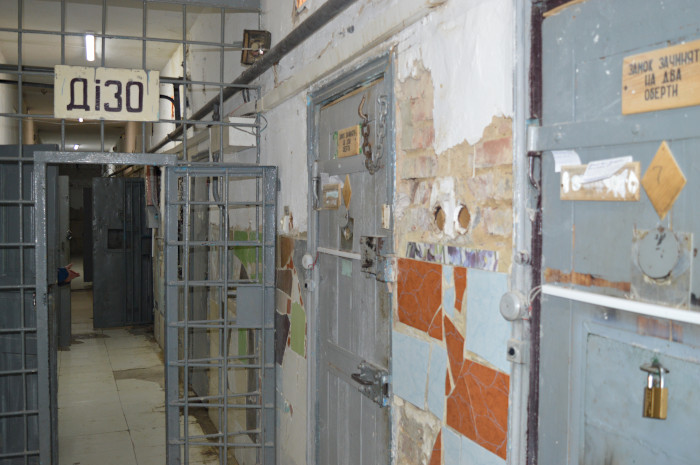
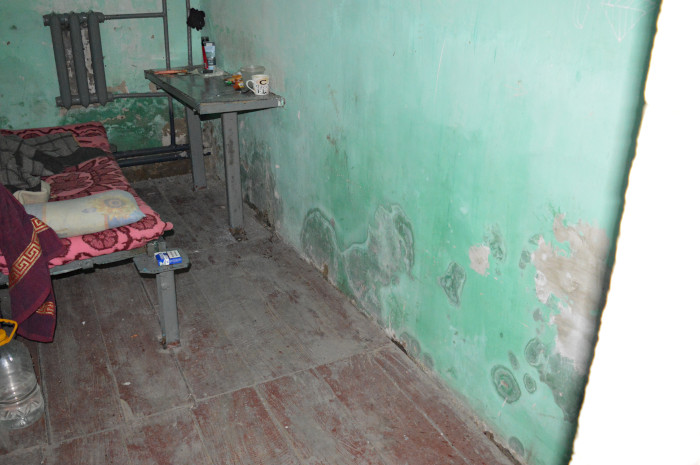
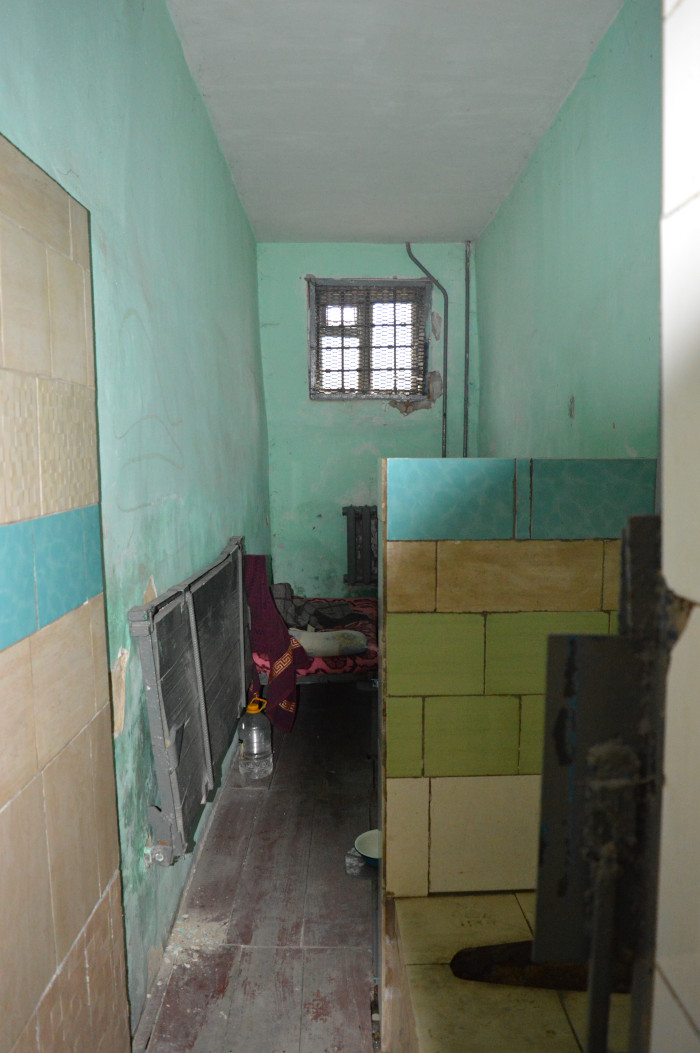
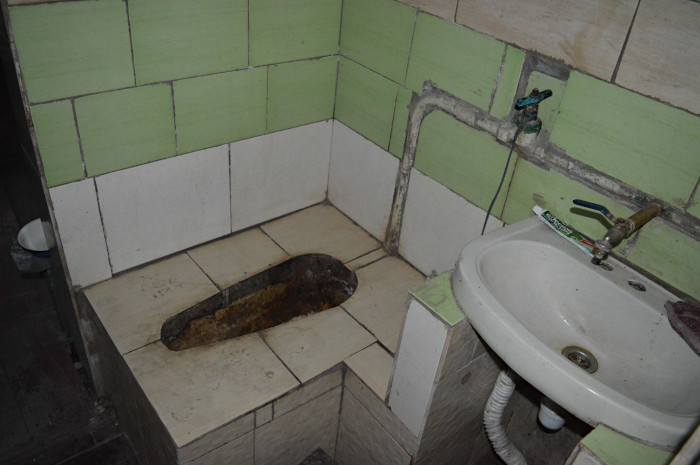
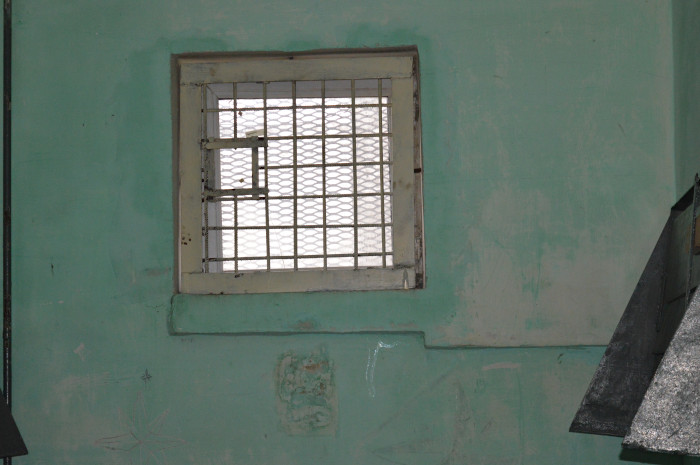
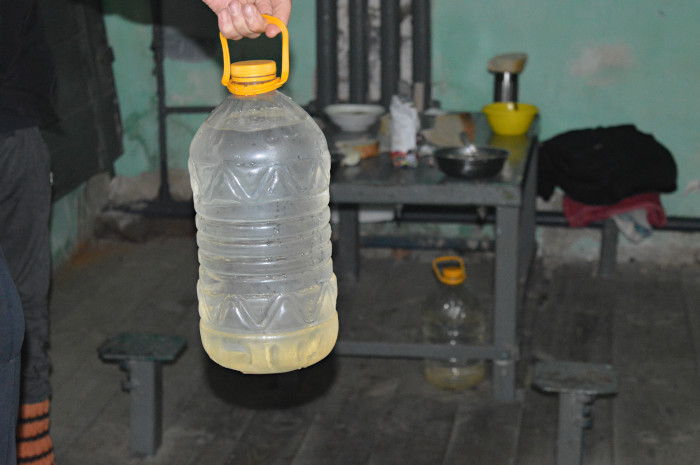
On the day of the visit, there were 7 people in the disciplinary isolation unit, and 2 people in the PKT. Since the beginning of the year, 140 people have been subjected to disciplinary penalties. The disciplinary isolation unit is located in the basement of the administrative building, so it is damp and smells of mould. The cells are designed for 1–4 people. In the cells, there are remnants of cosmetic renovation. The walls in the cells are worn and covered with spots of mould and fungus; traces of flooding are also visible. The toilet is partitioned from the cell by a low wall; doors are absent. Moreover, the privacy of convicts who are in the disciplinary isolation unit is violated by the fact that the inspector can fully see the toilet from the entrance to the cell. A metal-plastic window is installed, which can be opened from inside the cell independently. Boiled drinking water is provided in plastic bottles – it does not look drinkable, and the individuals who were in the cell said that they consume water from the tap. Also, the monitors noticed that the convicts were wearing outerwear because it was quite cold in the disciplinary isolation unit. According to representatives of the colony, a major renovation is planned for this isolation unit.
VII. Production
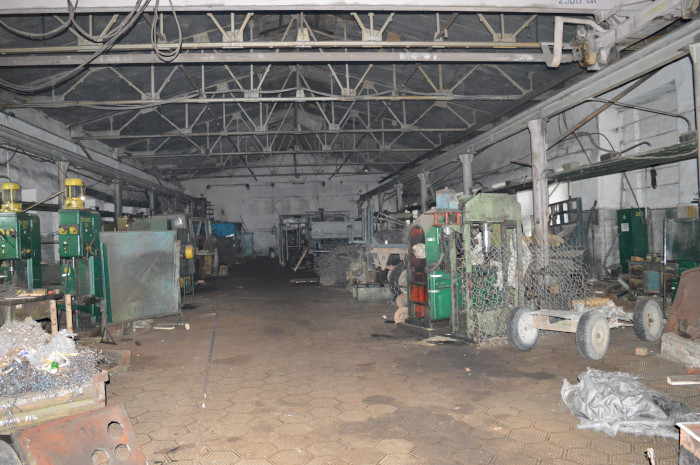
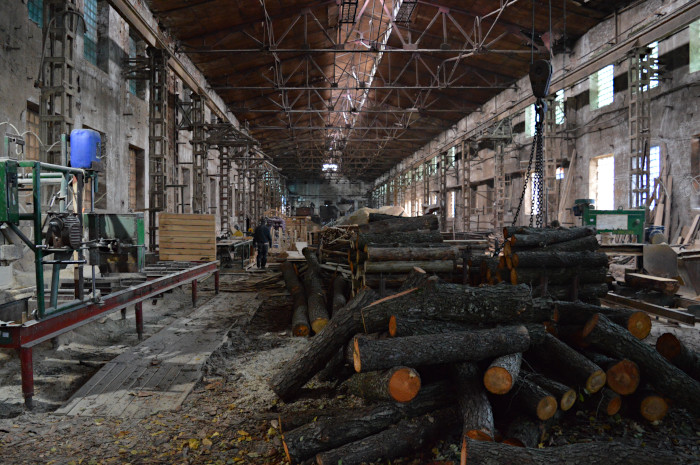
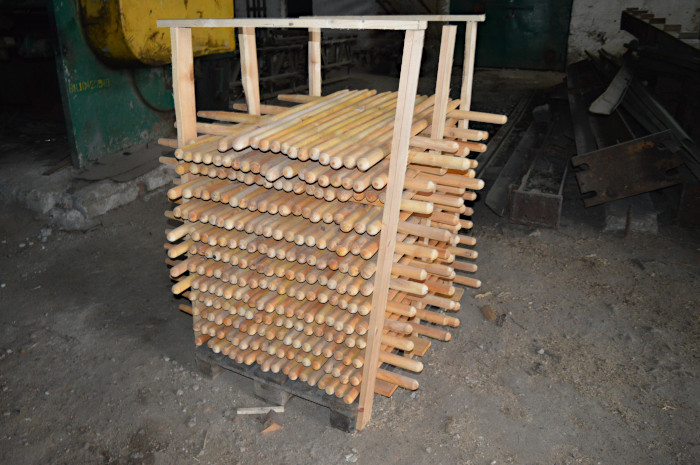
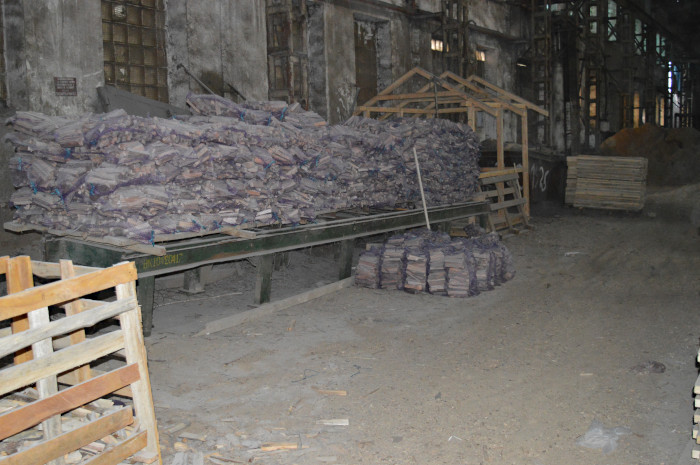
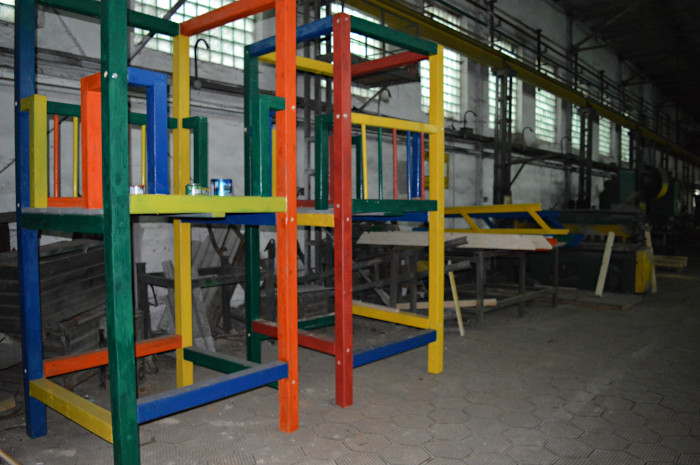
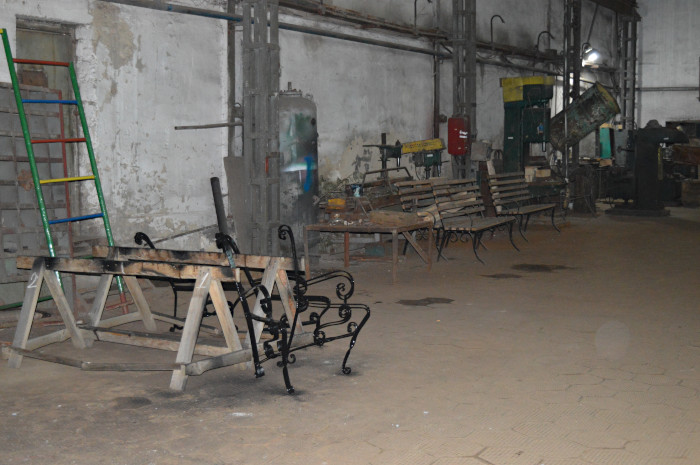
In the colony, production is represented by metalworking and woodworking shops. In the woodworking shop, firewood chips, tool handles, and bases for children’s playgrounds are produced; in the metalworking shop, forged benches are made. 71 people work in production. The monitors spoke with the workers, who reported that they work under civil law contracts and could not clearly answer the question about the amount of remuneration. On the information boards, there is no information about the amount of remuneration for work performed. The monitors would like to note that the work of convicts under civil law contracts significantly narrows and does not protect labour rights.