Monitoring visit to State Institution ‘Stryzhavska Penal Colony (No. 81)’
I. General information
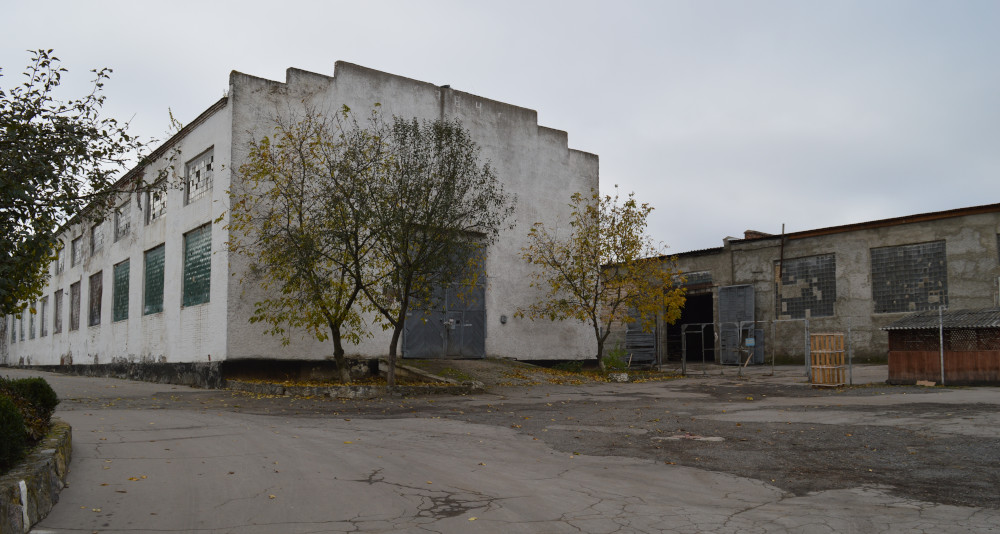
On 8 November 2020, the KHPG monitoring team, consisting of Maksym Revyakin, Pavlo Shvab, and Ihor Sosonskyi, visited the State Institution ‘Stryzhavska Penal Colony (No. 81) of the Central-Western Interregional Department for the Execution of Criminal Punishments of the Ministry of Justice of Ukraine’. The institution is located in the urban-type settlement of Stryzhavka, Vinnytsia region. At the location of the colony, there was once the estate of the Polish magnate Grocholski. During the Great Patriotic War, military barracks, workshops, and a metalworking plant were located in the institution’s premises. Since 1956, the colony’s premises housed the Stryzhavska Children’s Labour Colony of the Directorate of the Interior of the Vinnytsia Regional Executive Committee. Since 1969, this institution began functioning as a medium-security penal colony for holding convicts.
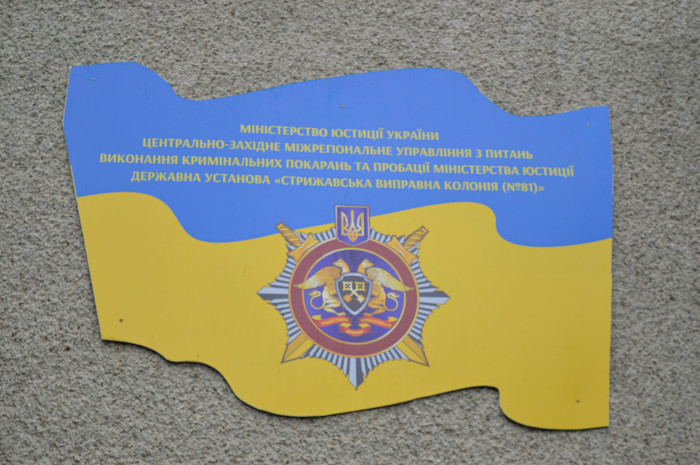
Currently, the institution is a medium-security colony for men serving a second sentence. At the time of the visit, 441 convicts were in the colony. During the current year, 216 people have been released from the colony.
After checking documents, the monitors, accompanied by representatives of the colony, accessed the territory without obstacles. At the entrance to the checkpoint, there were notices and explanatory information regarding safety measures, countering the spread and prevention of the COVID-19 coronavirus infection, and disinfectant agents were present. But, very unfortunately, the monitors did not record disinfection barriers. Adhering to all government recommendations regarding quarantine measures when passing through the checkpoint, the monitors had their body temperature checked. The institution’s management did not obstruct the conduct of the visit; all necessary documents and access to the premises were provided, as well as the opportunity for confidential communication with the convicts.
II. Production
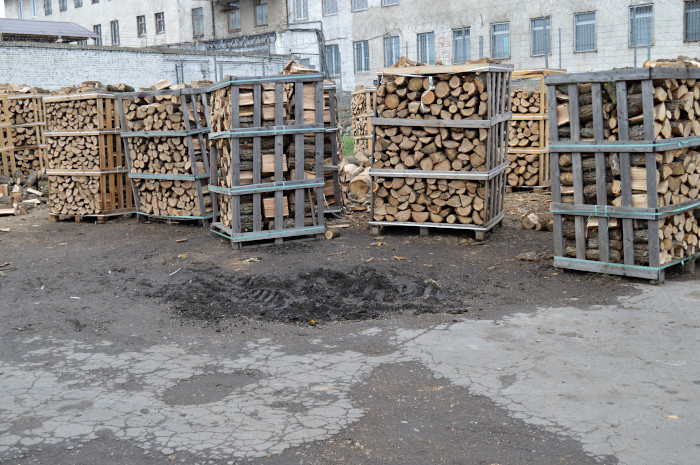
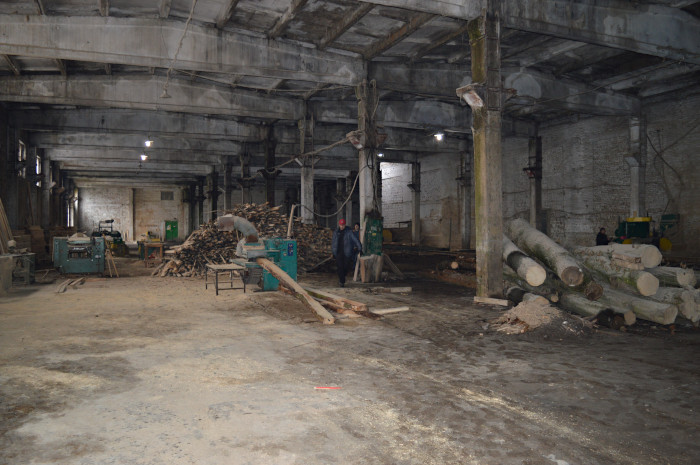
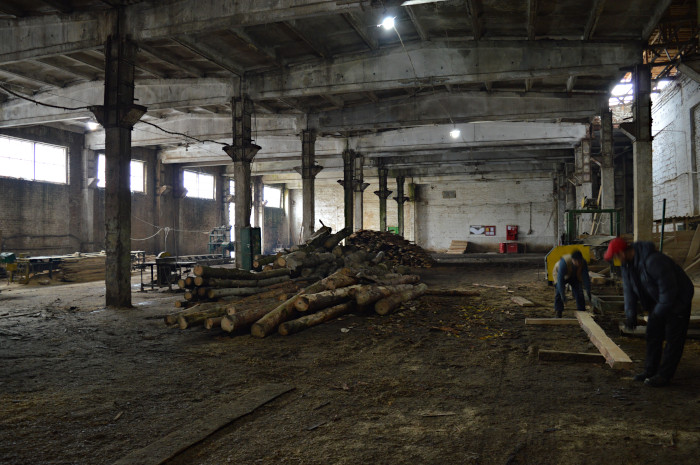
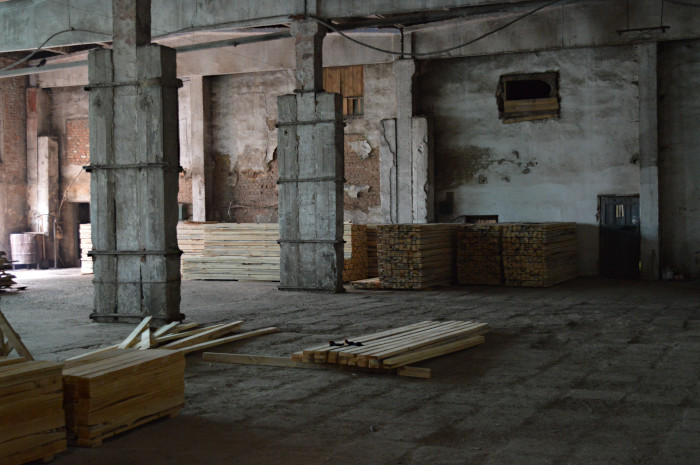
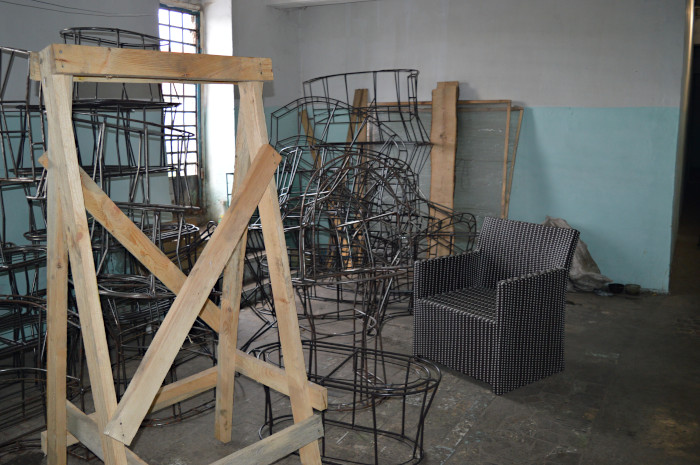
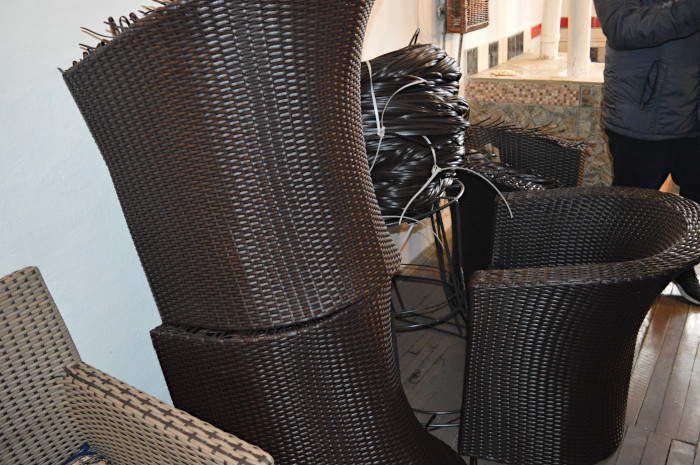
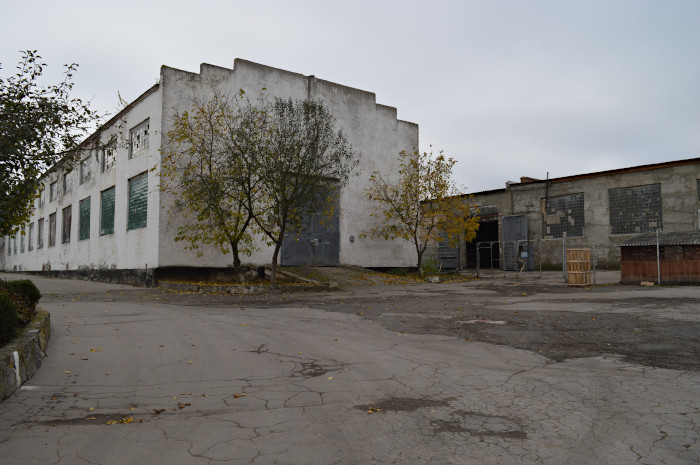
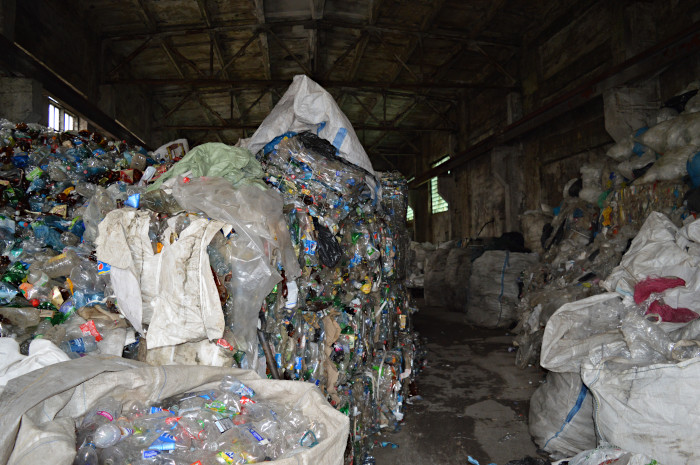
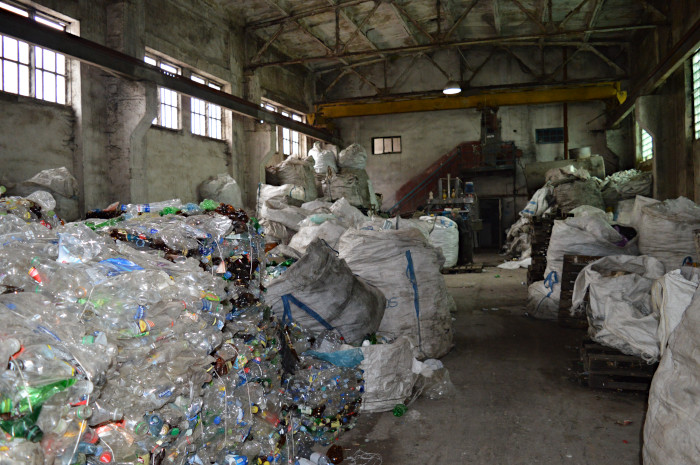
The monitoring visit by the group began with the production present on the territory of the colony. According to information from colony representatives, at the time of the monitors’ visit, 63 convicts were employed in production. The production is represented by woodworking, PET processing, manufacturing of metal structures, and furniture from PET. The monitors spoke with the workers, who reported that they work under civil law contracts from 8:00 to 17:00. Regarding the amount of remuneration, the monitors received conflicting data. According to the convicts, they receive from 600 to 2,000 UAH. At the same time, they had no deductions under writs of execution. In the workshops, there were information boards with information about fire safety and occupational safety, but the monitors did not see a single board with information about the amount of remuneration for work performed. The monitors note that the work of convicts under civil law contracts significantly narrows the labour rights of convicts.

III. Kitchen/Canteen
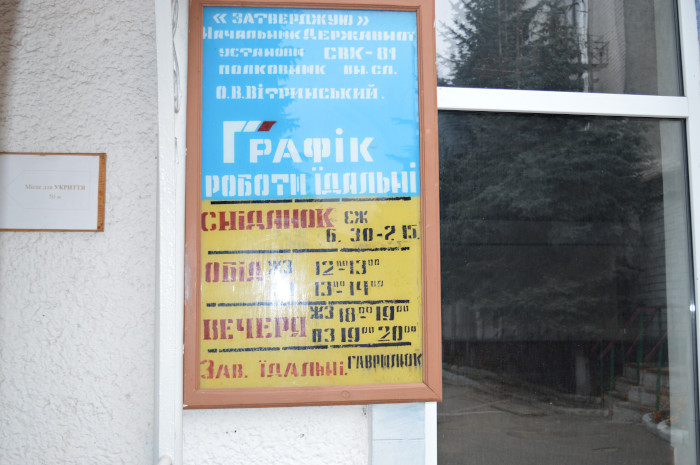
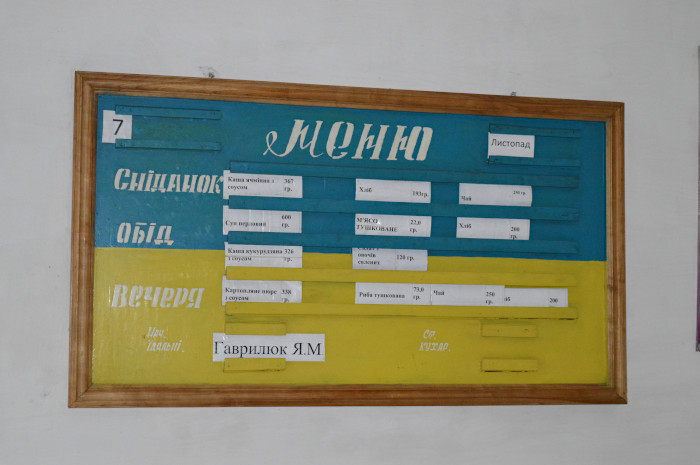
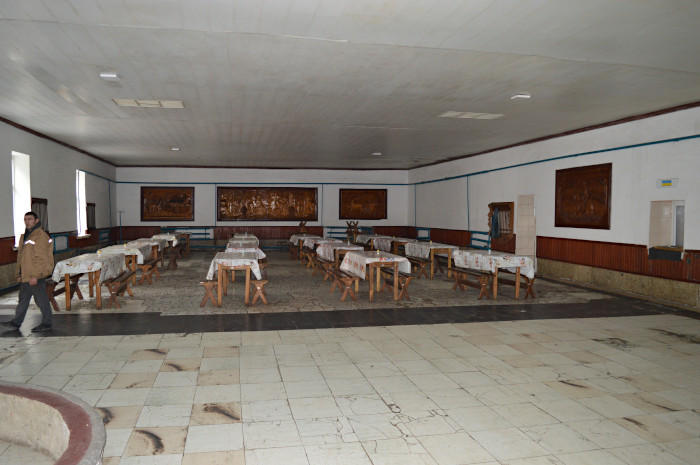
The canteen hall is spacious and sufficiently lit, has fresh interior renovation, and metal-plastic windows are installed. At the entrance to the hall, there are washbasins; soap or disinfectant agents and towels were absent. According to colony representatives, when eating, every convict brings soap and towels with them. On the wall near the food service window, there was a menu with the corresponding date and the surname of the responsible person.
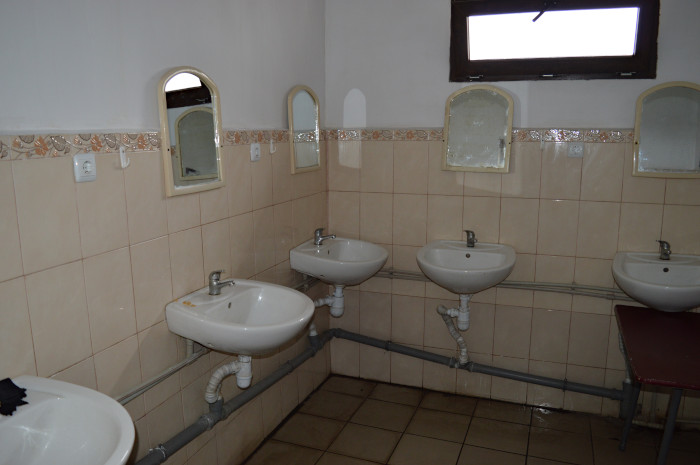
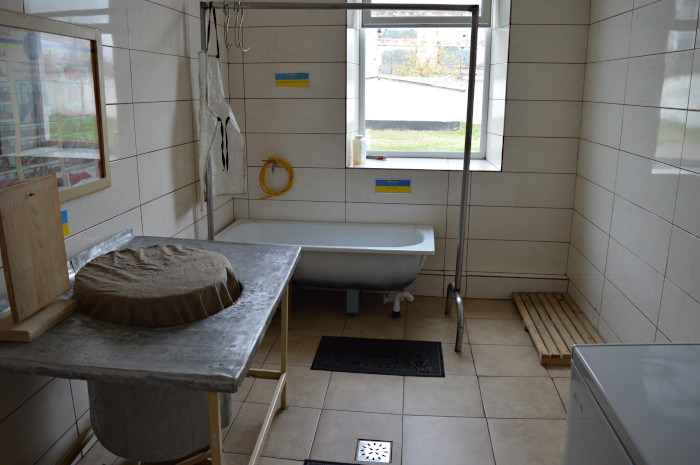
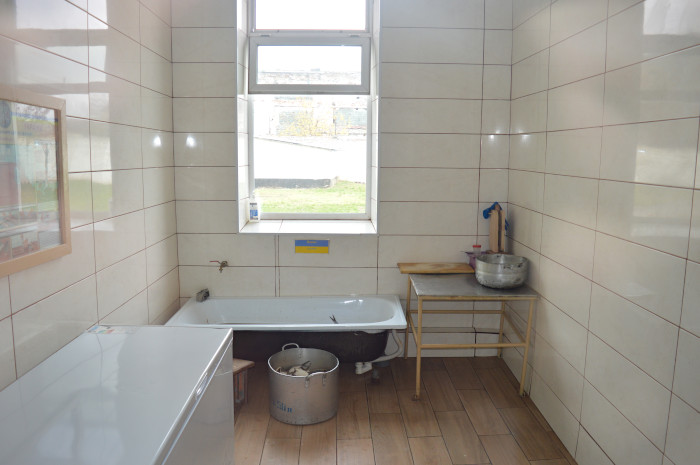
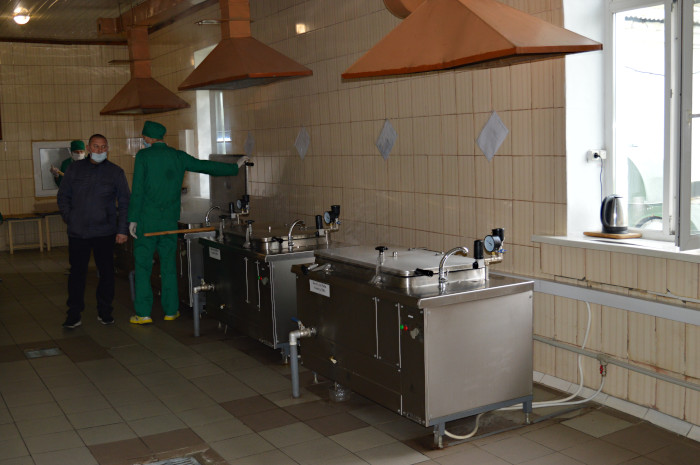
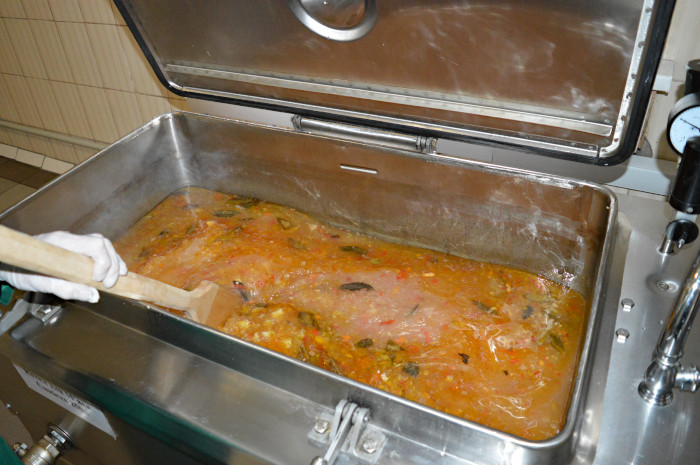
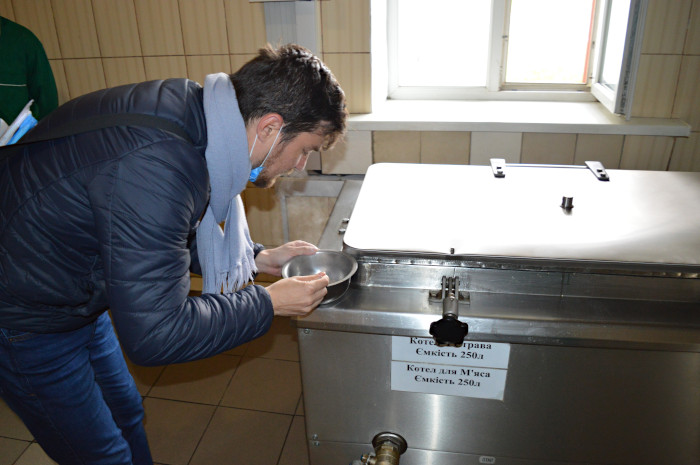
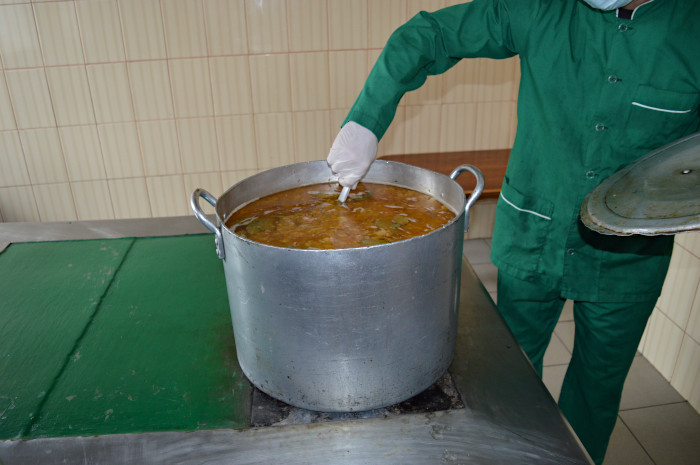
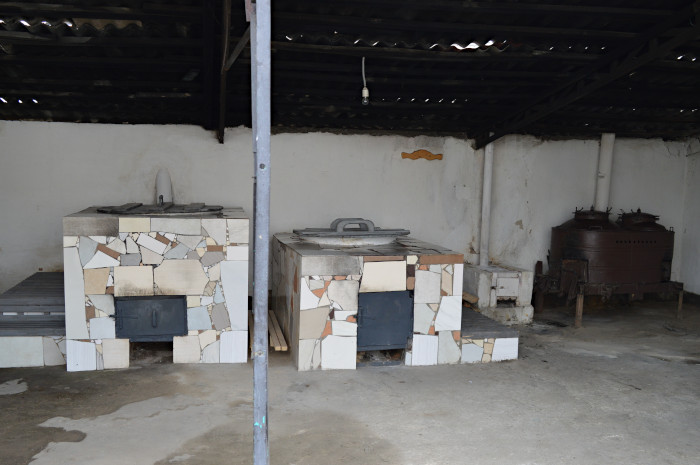
The kitchen has undergone fresh major renovation, metal-plastic windows and new equipment (kitchen appliances and cooking boilers) have been installed, and new ceramic tiles are present on the walls and floor. At the time of the monitoring visit, a pleasant smell of freshly prepared food was felt in the kitchen. Monitor Pavlo Shvab tasted the food that was prepared for the convicts’ lunch. Regarding the organoleptic qualities of the food, the monitors had no remarks. The convicts involved in kitchen work have properly issued health record books. On the territory where the main kitchen is located, there is a backup kitchen that can be used if problems arise with the main one.
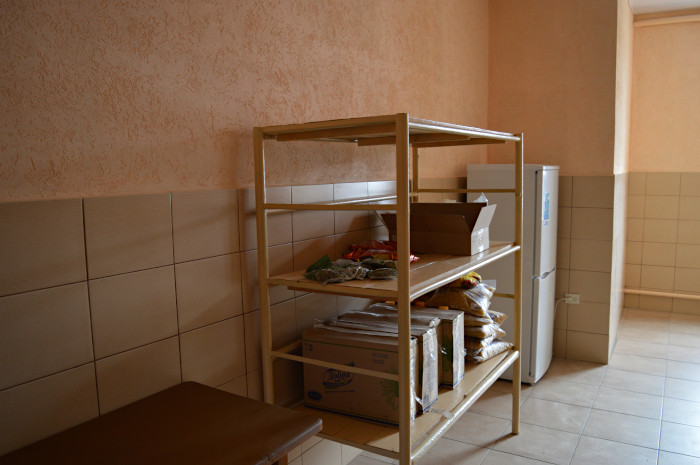
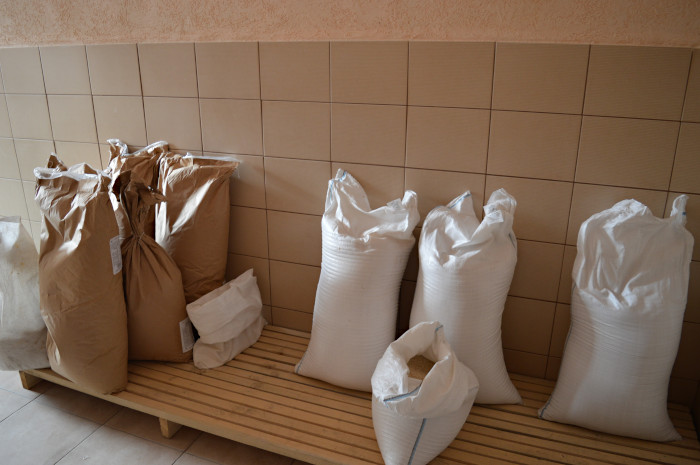
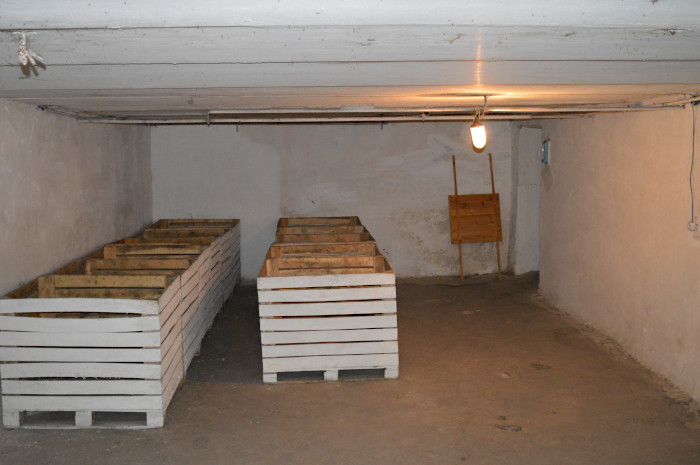
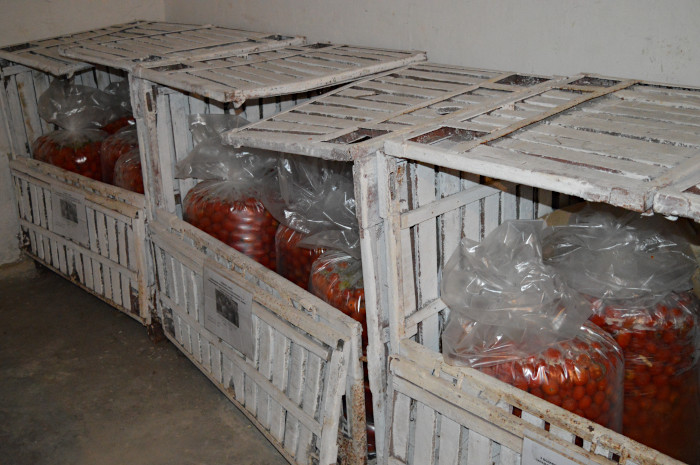
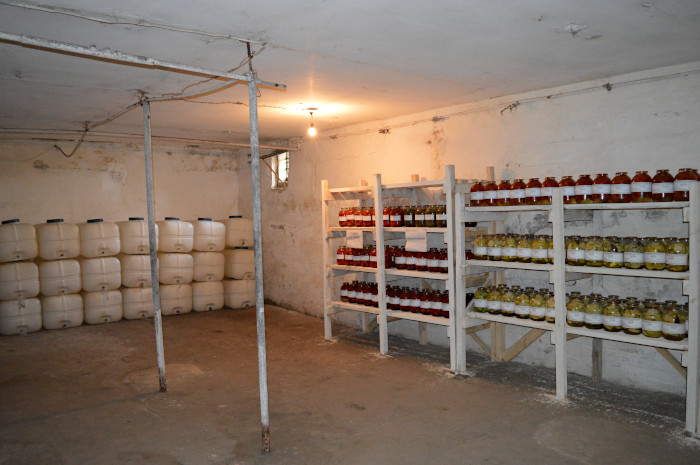
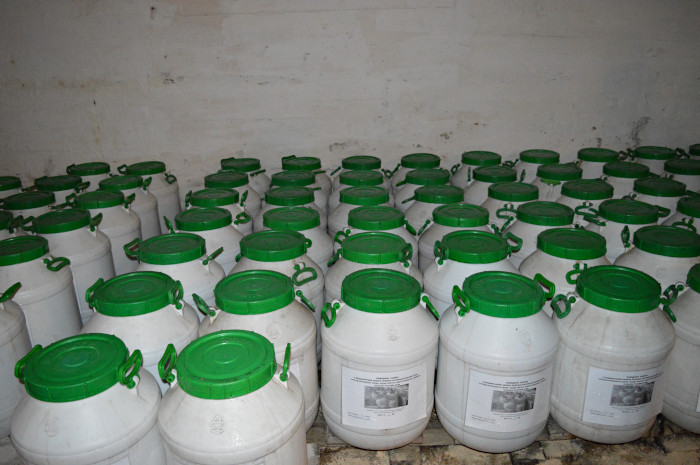
Also, the monitors visited the vegetable store, where preserves, sauerkraut, and salted tomatoes were stored. All products stored in the store were produced by the efforts of the convicts.
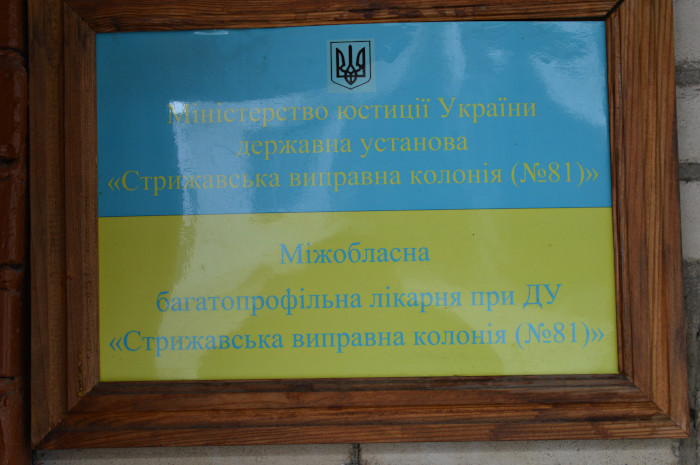
IV. Medical unit and inter-regional multi-profile hospital at State Institution ‘Stryzhavska Penal Colony (No. 81)’
In the medical unit, the monitors spoke with the on-duty paramedic. According to the medical unit representative, the medical unit staff is 100% full. Provision with medicinal, disinfectant, and protective supplies is conducted in full volume. The medical unit representative also explained to the monitors that inpatient treatment is not carried out in the medical unit; all convicts in need of inpatient treatment are sent to the inter-regional multi-profile hospital, which operates on the colony’s territory. In the medical unit, only paramedic support for the convicts is carried out.
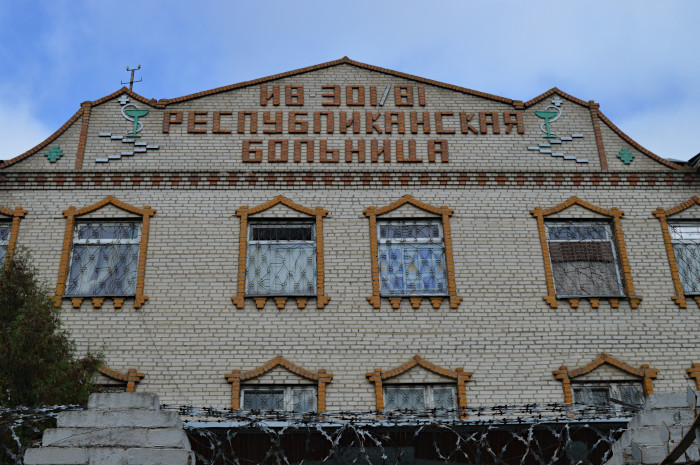
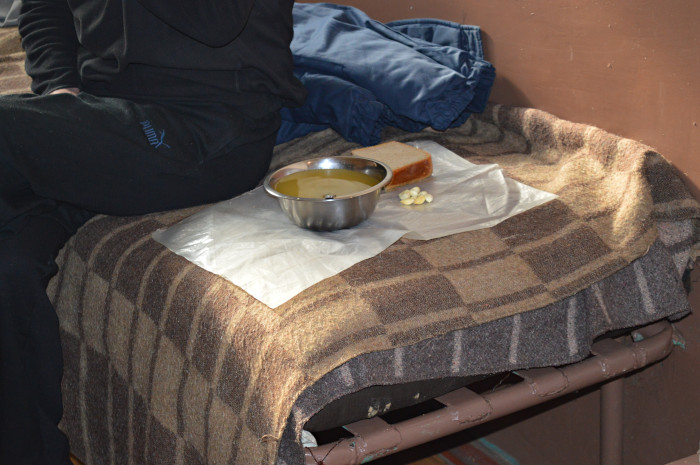
Afterwards, the monitors visited the hospital, which consists of 4 wards (infectious, therapeutic, surgical, and ophthalmological). At the time of the monitors’ visit, 36 patients were undergoing treatment in the hospital – 6 people in the ophthalmological ward, 5 – in the surgical, 7 – in the therapeutic, 18 – in the infectious, among whom was 1 seriously ill convict.
At the hospital, a laboratory functions, in which there is modern medical equipment that allows for conducting research on HIV viral load in the blood, CD-cell levels, doing general analyses of blood, urine, and faeces, and PCR tests for Hepatitis C.
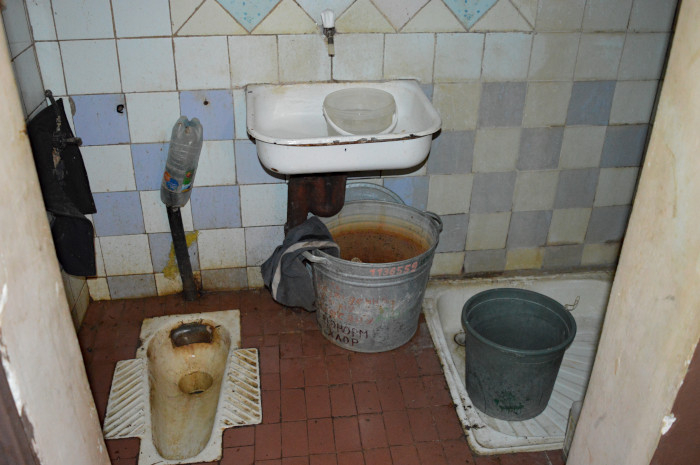
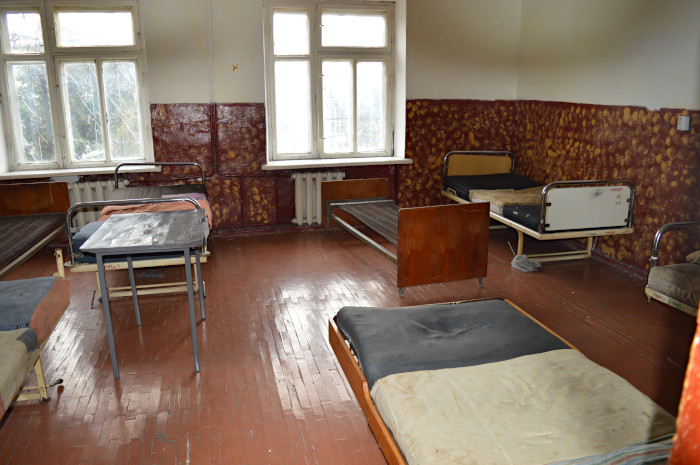
At the time of the visit, some hospital wards were undergoing renovation, some – cosmetic renovation, but most of the wards require major renovation and renewal of furniture.
The premises intended for temporary isolation and placement of persons with suspicion of or suffering from the COVID-19 infection contains 20 bed spaces (three isolation wards) and lacks a separate entrance and sanitary unit, due to which it is impossible to ensure the isolation of infectious patients.
Exercise yards for ill convicts require renovation.
The monitors noted that upgrades in the hospital are being conducted; a week before the monitors’ visit, new modern medical beds with orthopaedic mattresses were purchased and delivered to the hospital.
V. Residential premises
The colony has 7 local sectors with 8 units. At the time of the visit, major renovation was being conducted in some units, and on the basis of this, convicts from these units were transferred to others.
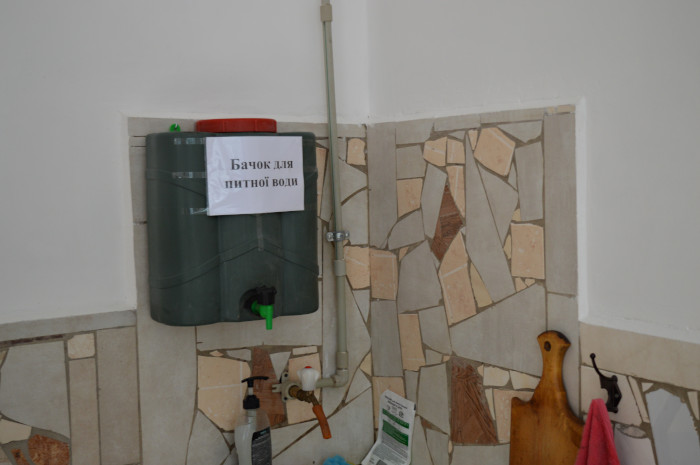
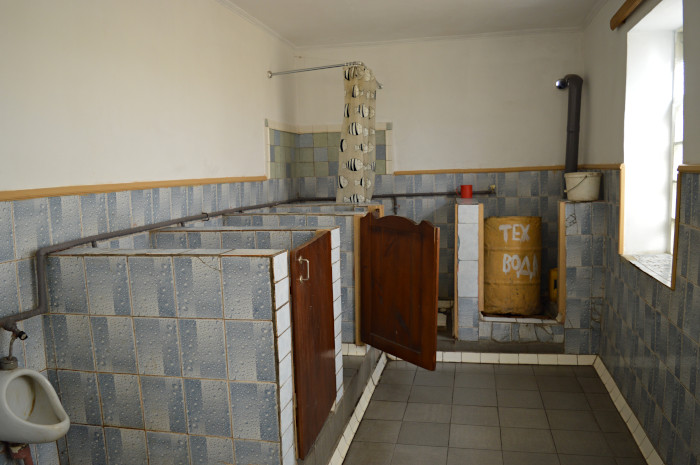
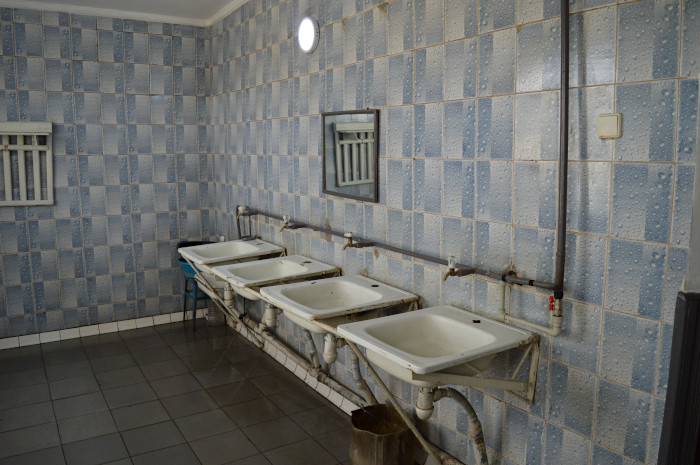
The already renovated units are of block type; convicts live in residential blocks (rooms) of 2 to 10 people. The rooms are sufficiently lit, the premises are warm, and heating is functioning. At the entrance to the unit, there were disinfectants and disinfection schedules for the premises. Dining rooms are equipped with kitchenware, and there are tanks with drinking water. Recreation rooms are also equipped with appropriate household appliances. Sanitary facilities are located directly in the residential unit premises. There are separate washbasins. Toilets are separated by partitions and doors. In the units, metal-plastic windows are installed.
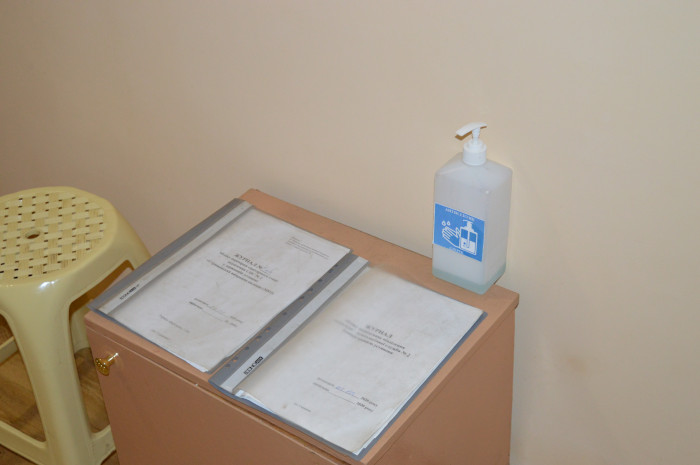
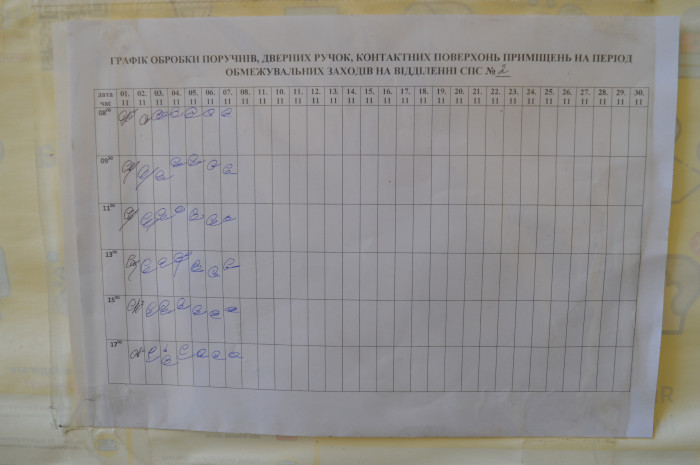
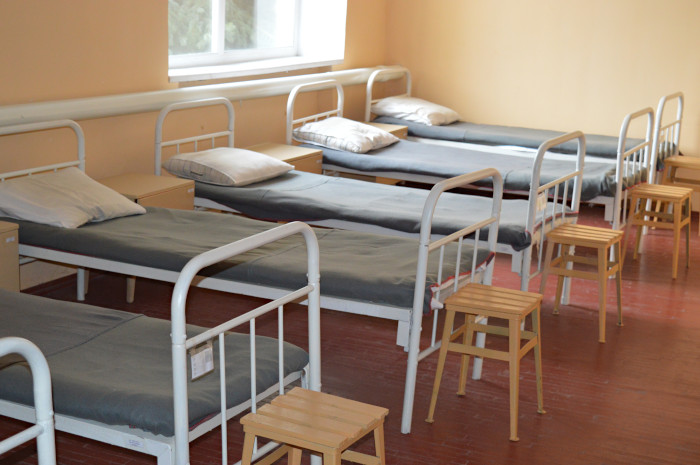
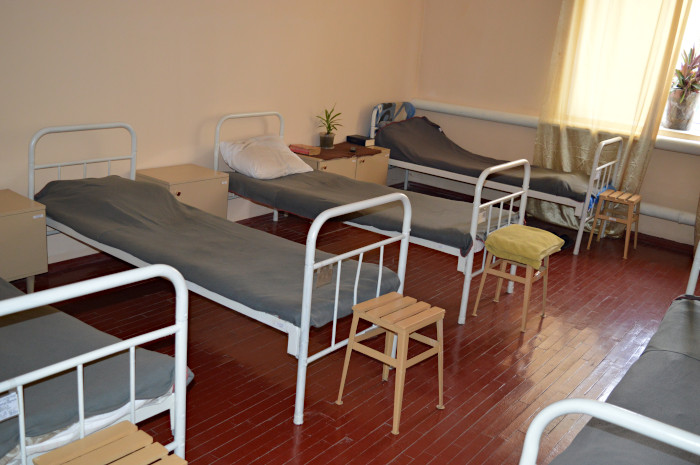
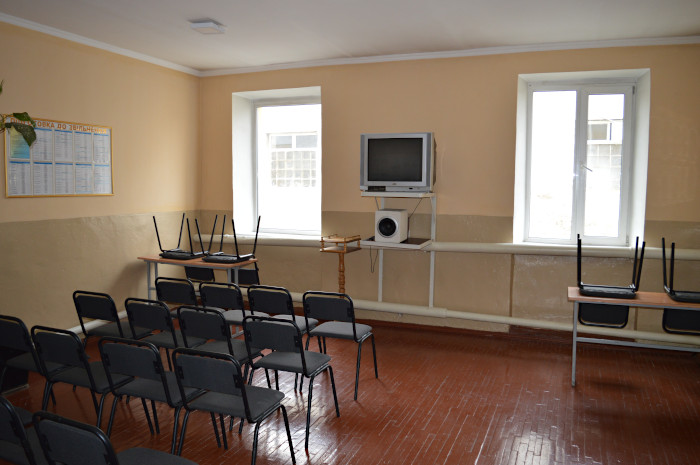
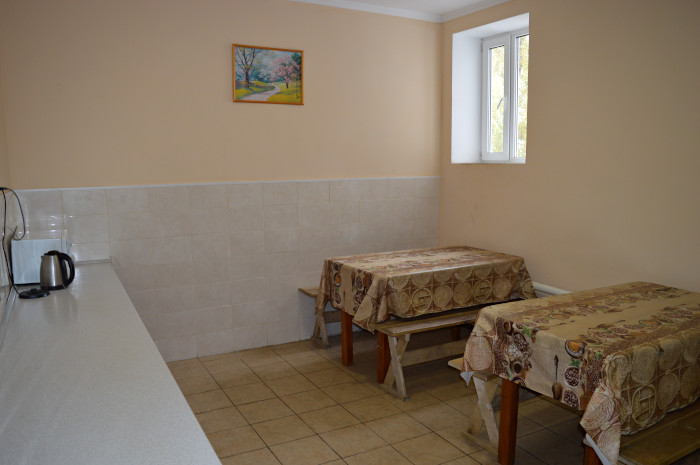
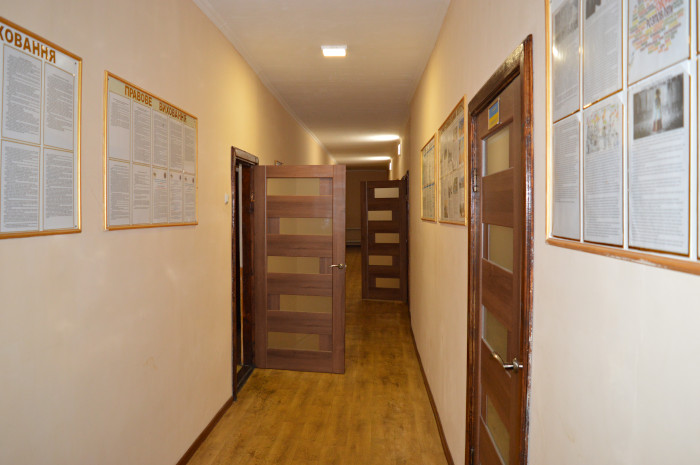
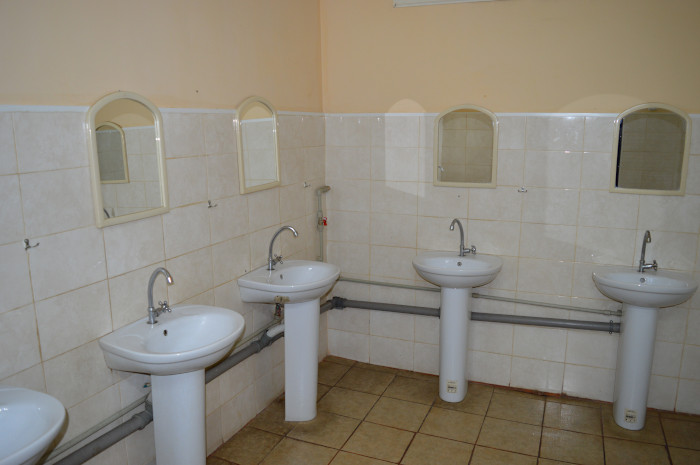
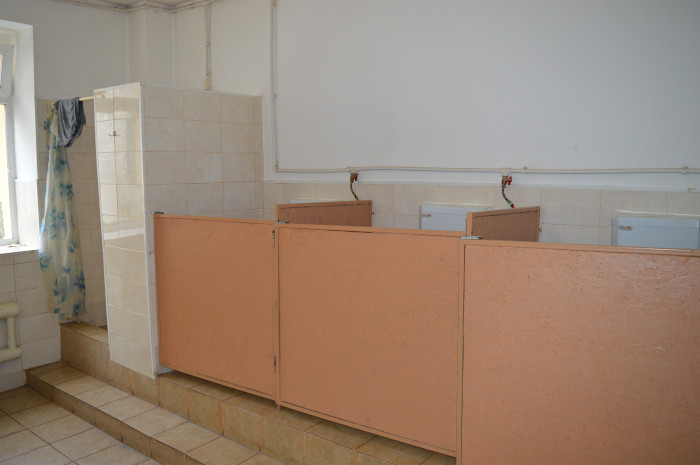
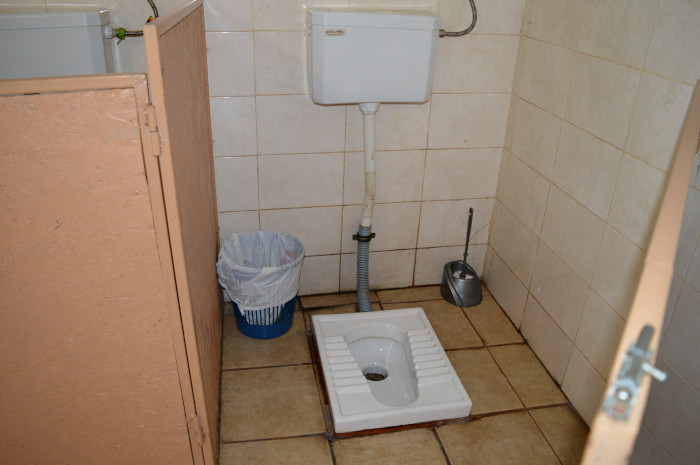
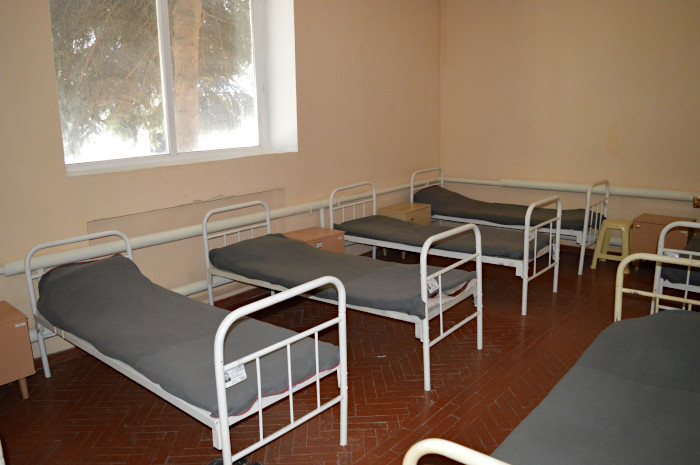
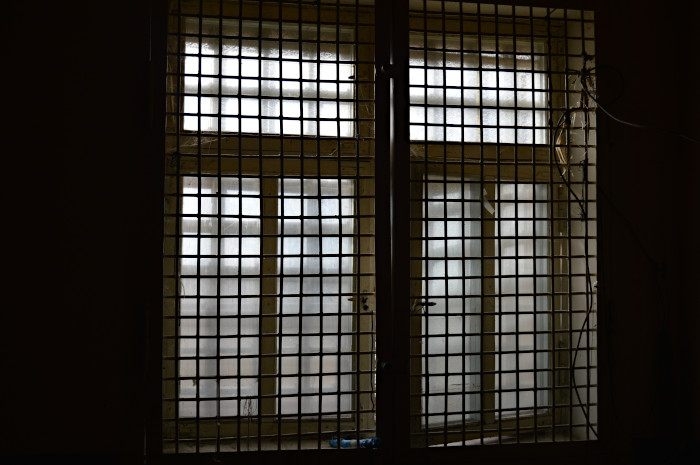
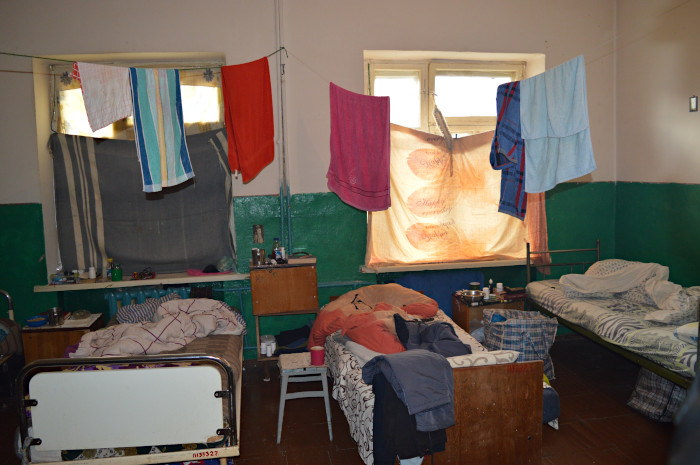
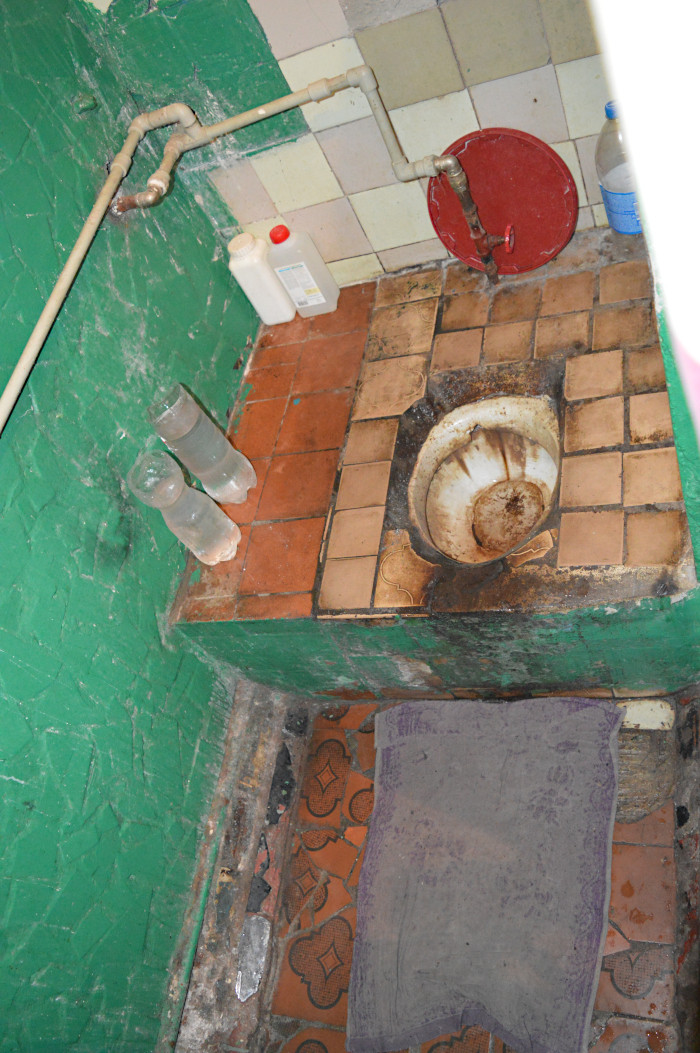
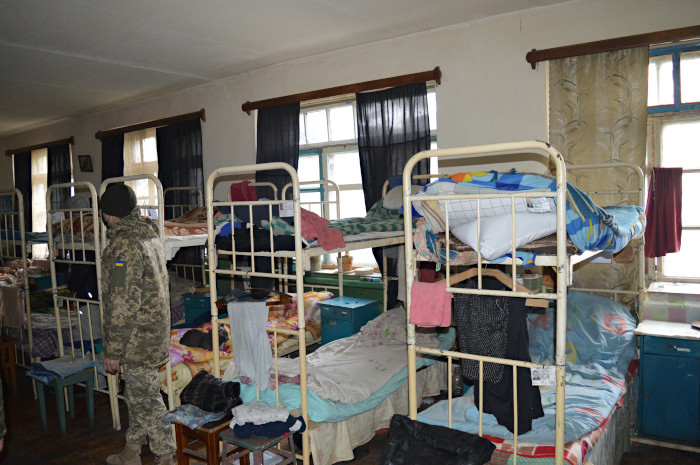
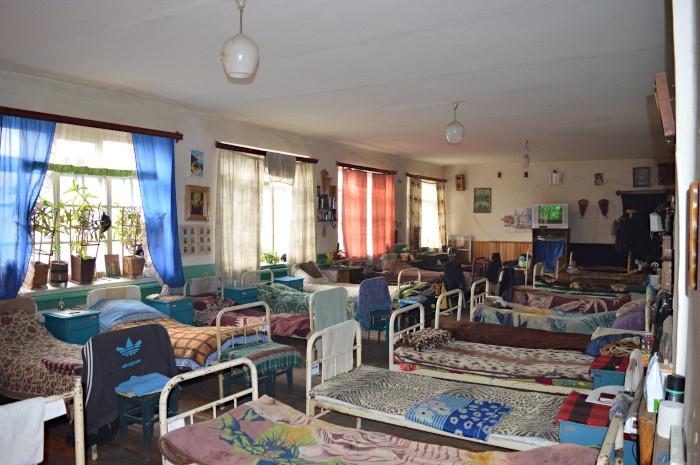
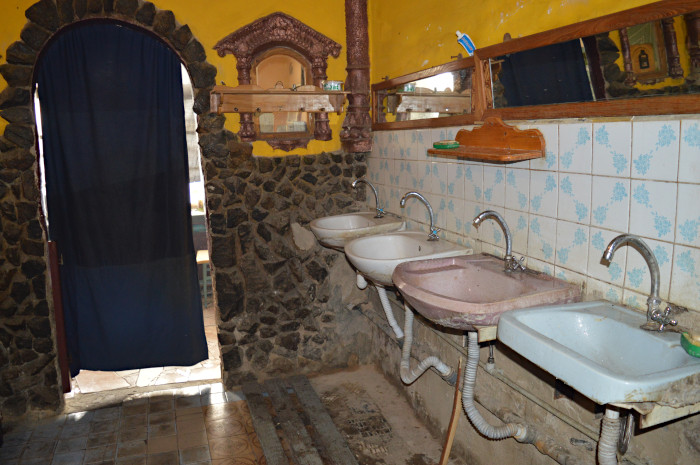
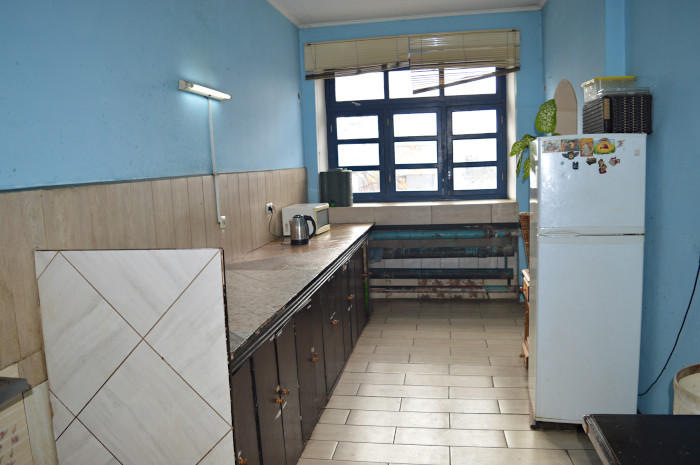
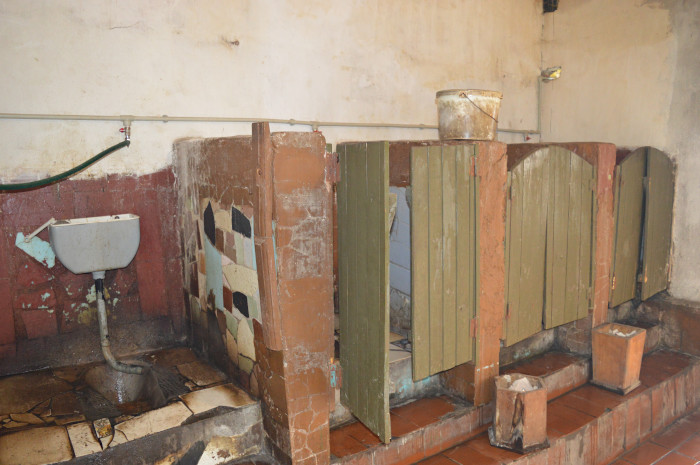
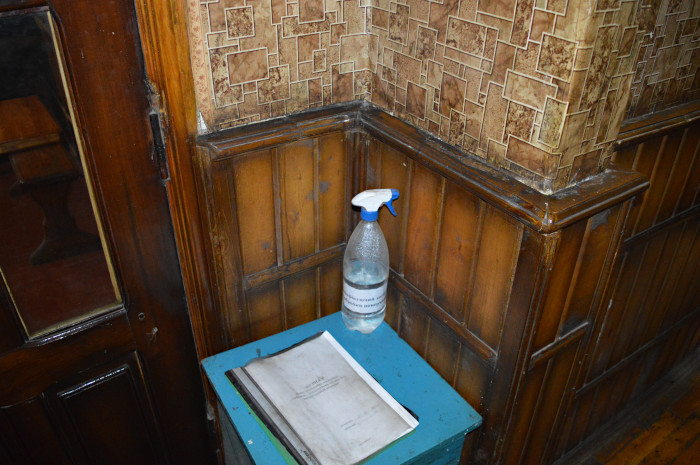
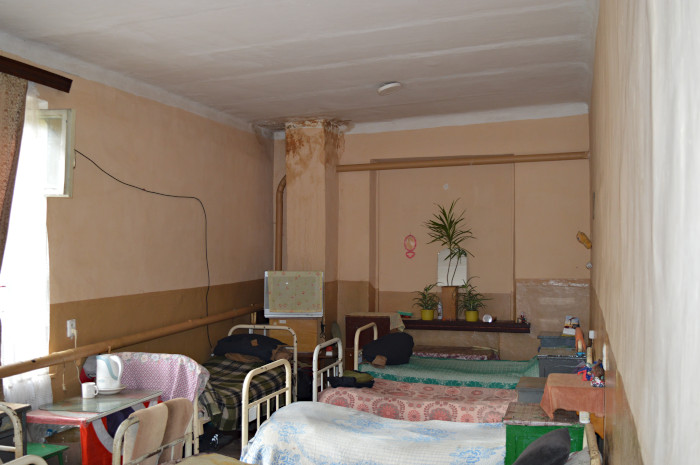
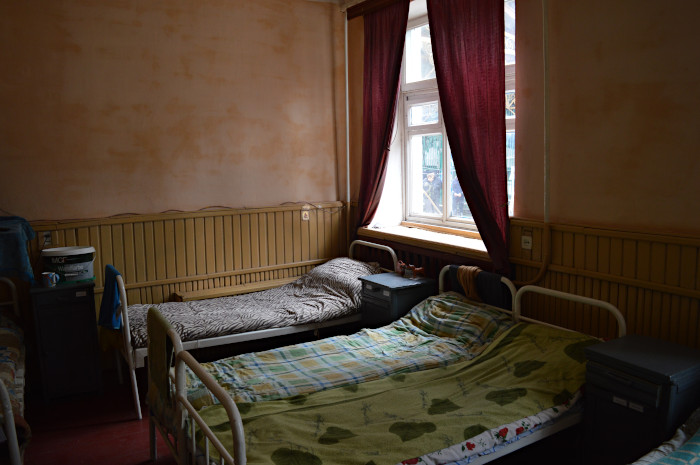
Residential premises in non-renovated units are of barrack and block type. In non-renovated units, a significant lack of living space per convict is felt. There are two-tiered beds. The lack of living space arose due to major renovation in one of the units and the relocation of convicts to other local sectors and residential units. Renovation in residential premises is very outdated; on the ceilings and walls, there are traces of past flooding. In places, there is fungus and mould. Insufficient daylight enters these premises due to covered windows. In the dining rooms, there are household appliances and tanks for drinking water. Sanitary facilities are located directly in the residential unit premises. There are separate washbasins. Toilets are separated by partitions and doors more than a metre high.
VI. Bath and laundry complex
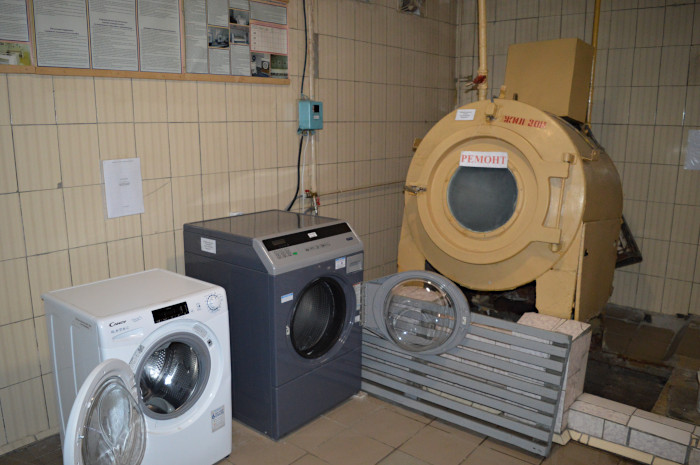
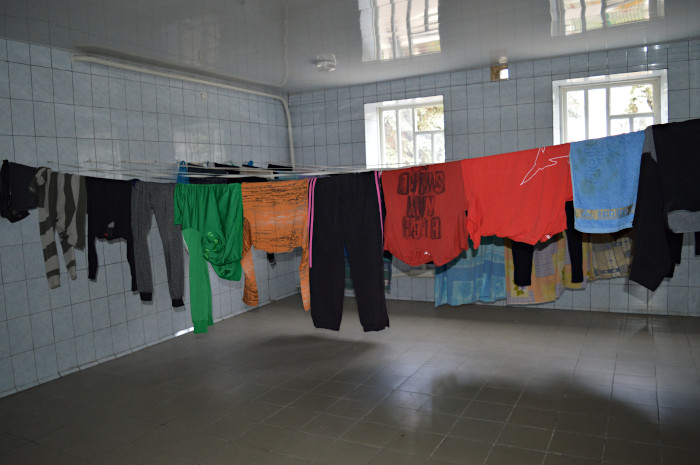
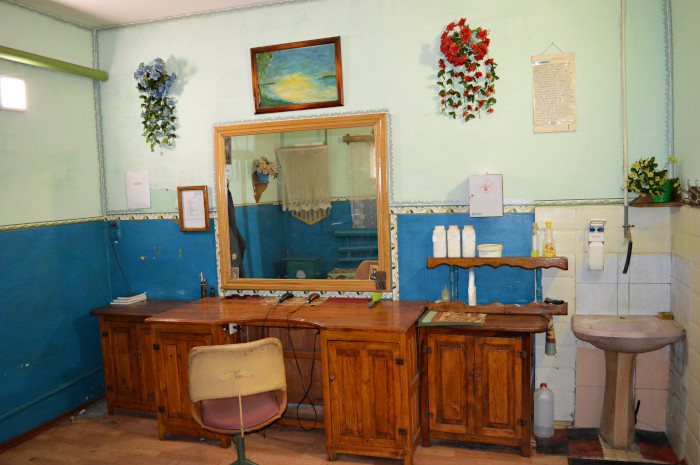
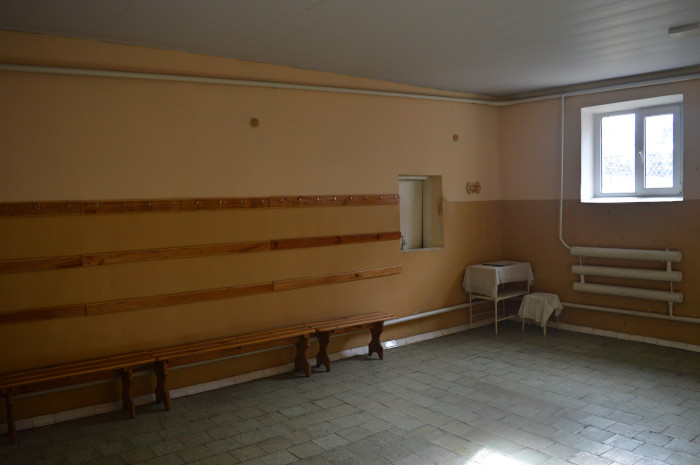
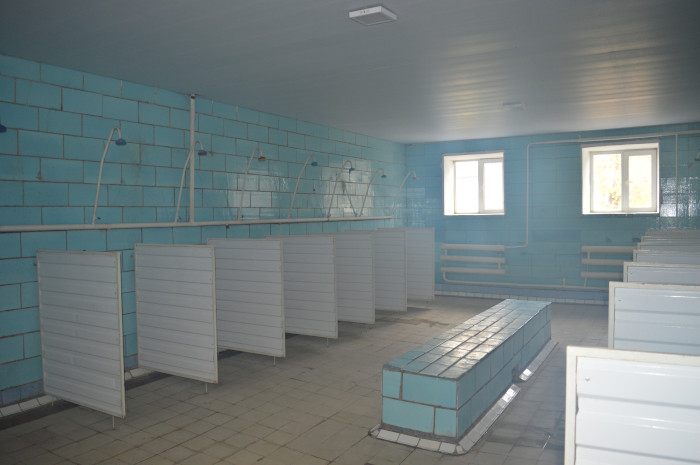
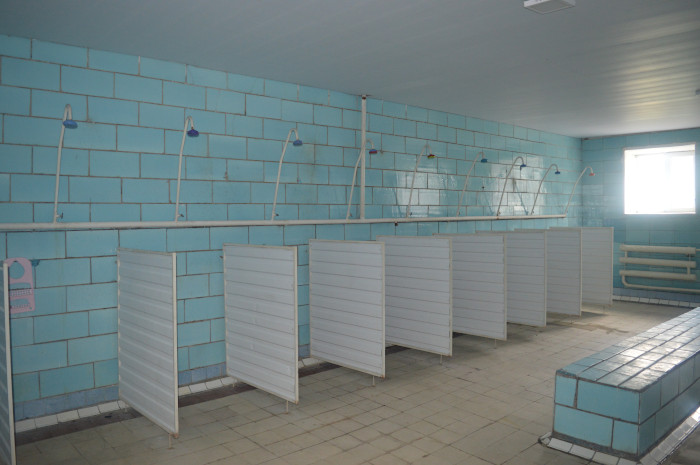
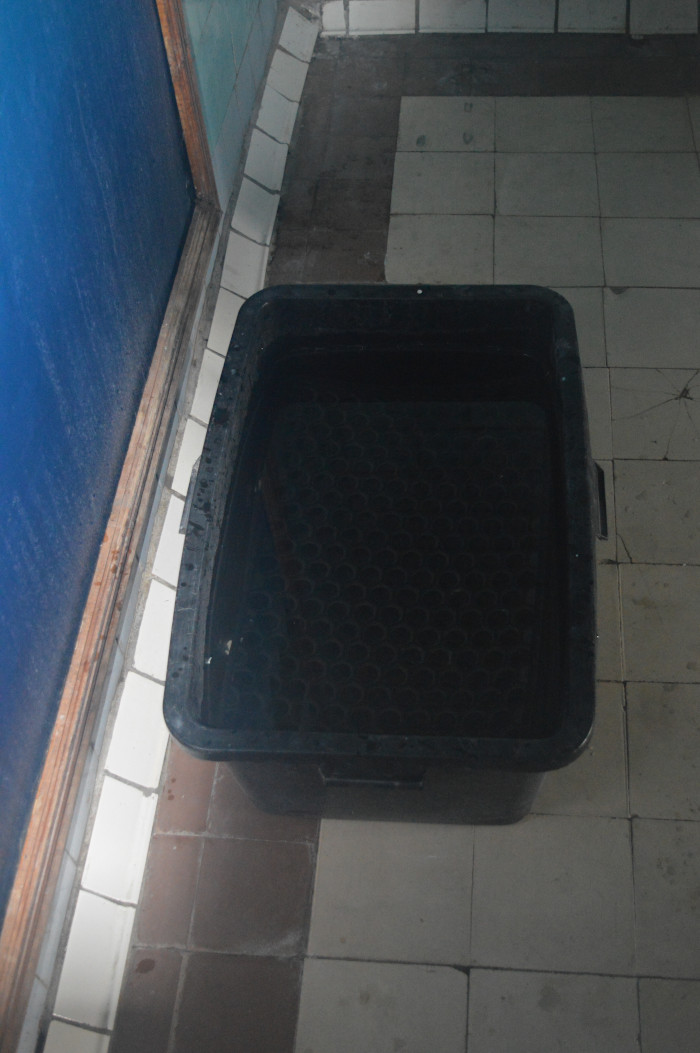
In the complex, there are 2 new washing machines, but their capacity is insufficient, therefore old equipment is additionally used. Shower stalls are separated by partitions; rubber mats are present, but curtains are missing. In the complex, there is a separate room equipped for a barbershop, where convicts have the opportunity to get a haircut for free. Also, there is a room for drying washed laundry and convicts’ belongings.
Upon visiting the complex, the monitors noticed the presence of only a corner for the paramedic to examine convicts. The absence of a separate isolated room, in which a private examination of convicts by a medical worker is possible, is unacceptable and significantly violates the convicts’ right to privacy during their examination by a medical worker.
VII. DIZO/PKT (Disciplinary Isolation Unit/Cell-Type Premises), Arrest House
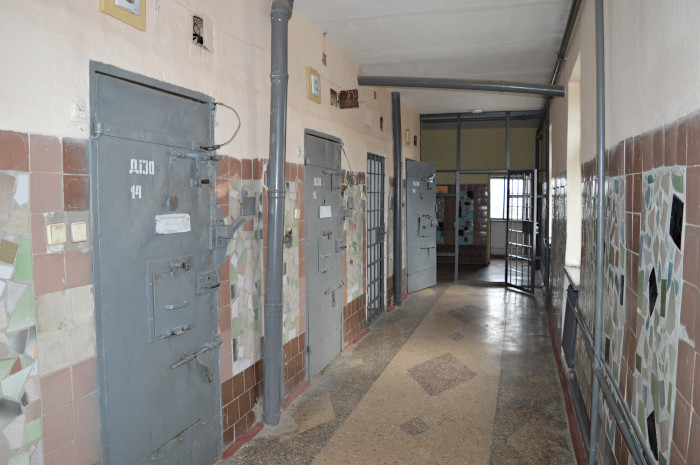
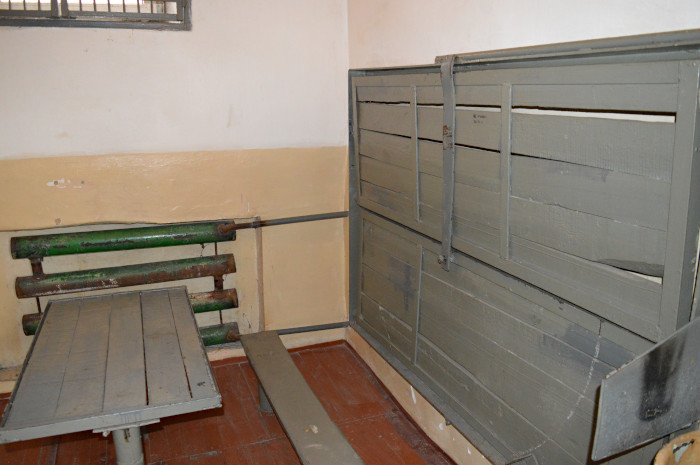
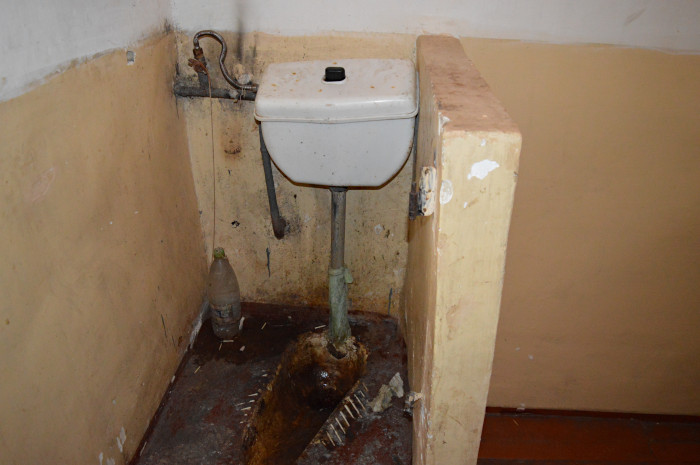
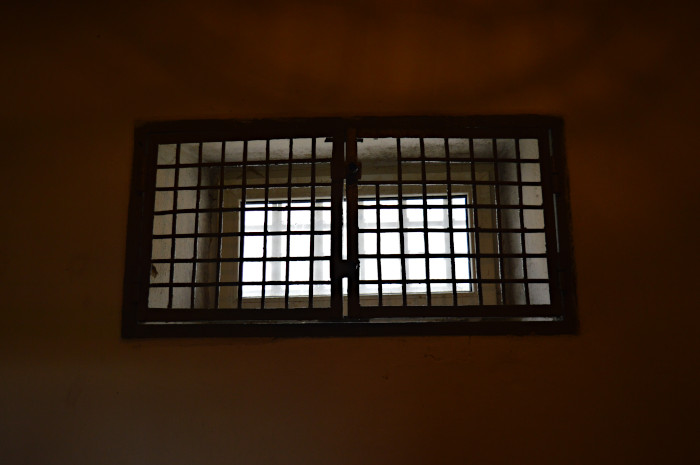
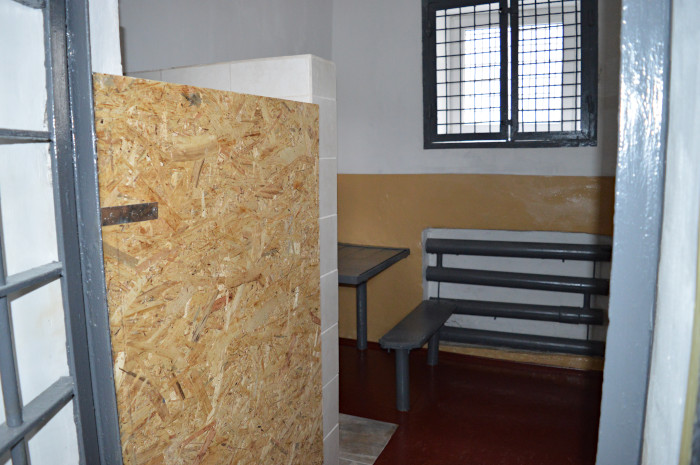
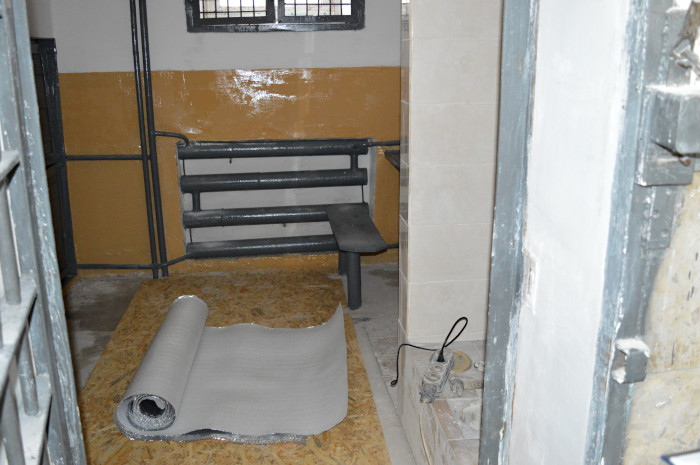
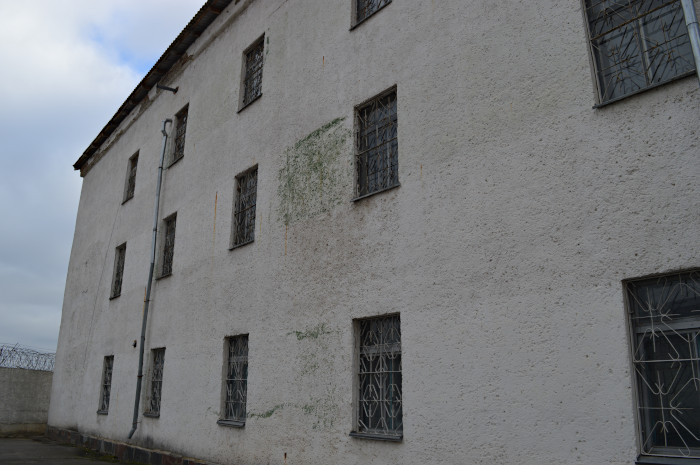
The Disciplinary Isolation Unit / Cell-Type Premises / Arrest House is located in a separate building. In the premises, at the time of the visit, renovation was being performed. In the sector, there are cells designed for 1 person, and there are two-person cells. Metal-plastic windows are being installed, which convicts placed in the DIZO/PKT sector have the opportunity to open themselves. In cells without renovation, windows can also be opened by the convicts themselves. In the cells, there is a toilet, which is partitioned by a wall, and washbasins are installed. Convicts use water from the tap, but upon their request, colony representatives can provide boiled drinking water.
In total, since the beginning of the year, a disciplinary penalty in the form of placement in the DIZO was applied 169 times, and in the form of the PKT – 1 time.
At the time of the visit, 2 convicts were in the DIZO. The monitors spoke with the individuals present in the sector. The convicts had no complaints; everyone agreed with the fairness of applying the disciplinary penalty.
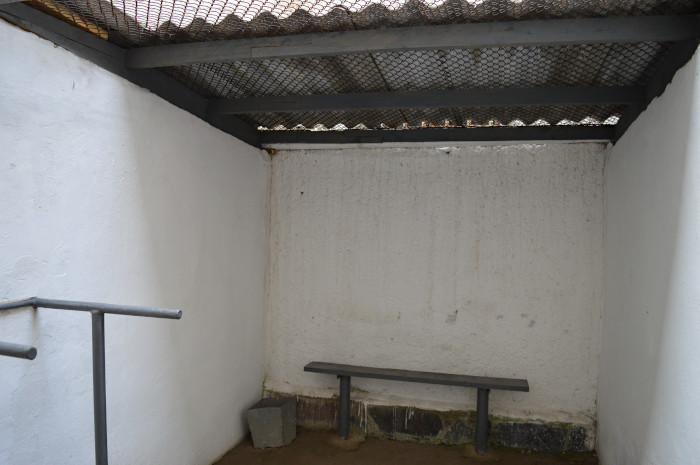
Exercise yards with ongoing surface renovation are equipped with an awning against atmospheric precipitation; there are benches for sitting and parallel bars.