Monitoring visit to the Kryzhopil Correctional Centre No. 113
I. General information
On 5 November 2020, a KHPG monitoring group consisting of Maksym Revyakin, Ihor Sosonskyi, and Pavlo Shvab carried out a monitoring visit to the State Institution “Kryzhopil Correctional Centre (No. 113)”.
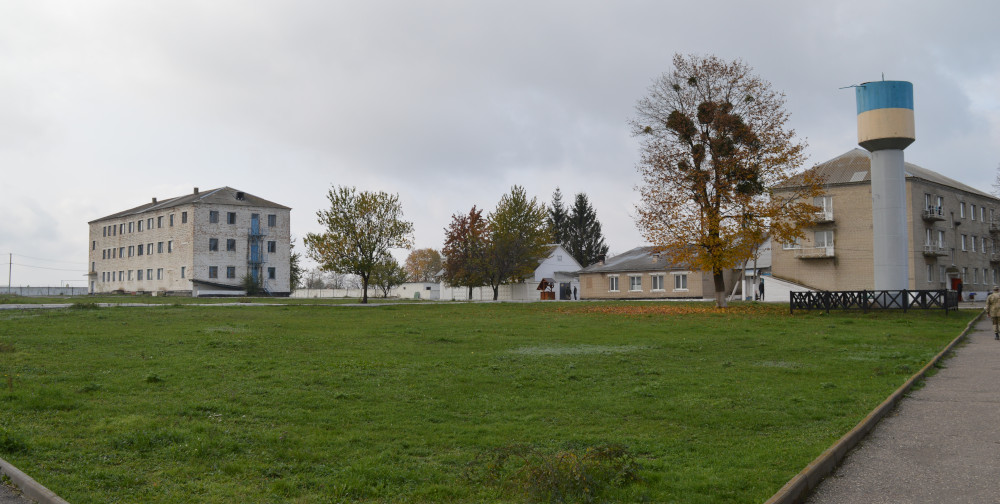
The Kryzhopil Correctional Centre No. 113 is located in the settlement of Horodkivka, Vinnytsia region, 13 kilometres from the city of Kryzhopil. The planned capacity of the centre is 216 inmates. At the time of the visit, 88 people were serving sentences in the institution. The administrative staff numbers 75 people.
Upon arrival at the institution, the monitors’ temperatures were taken. There were disinfection barriers and hand sanitizer at the checkpoint. The monitors entered the institution without difficulty.
II. DIZO (Disciplinary Cell)
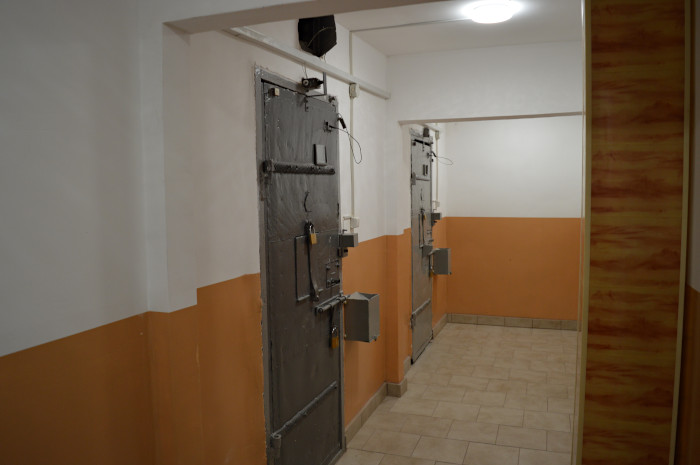
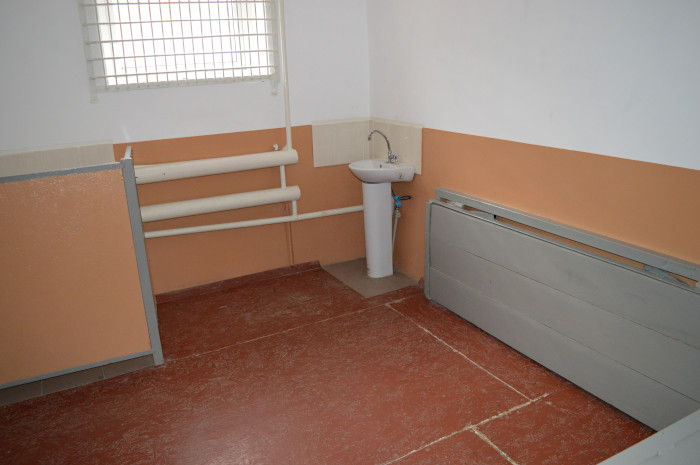
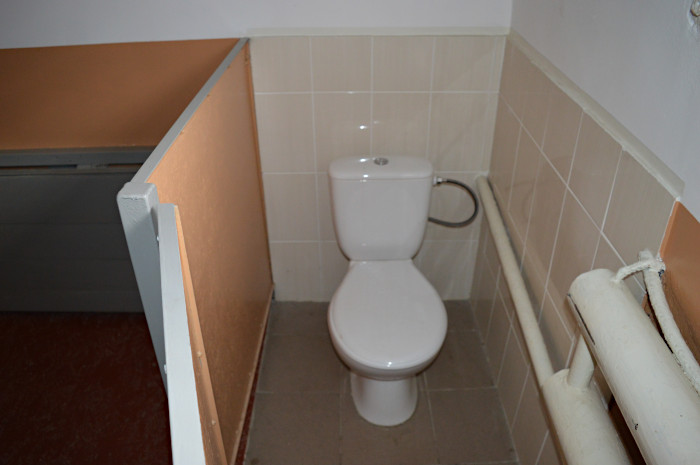
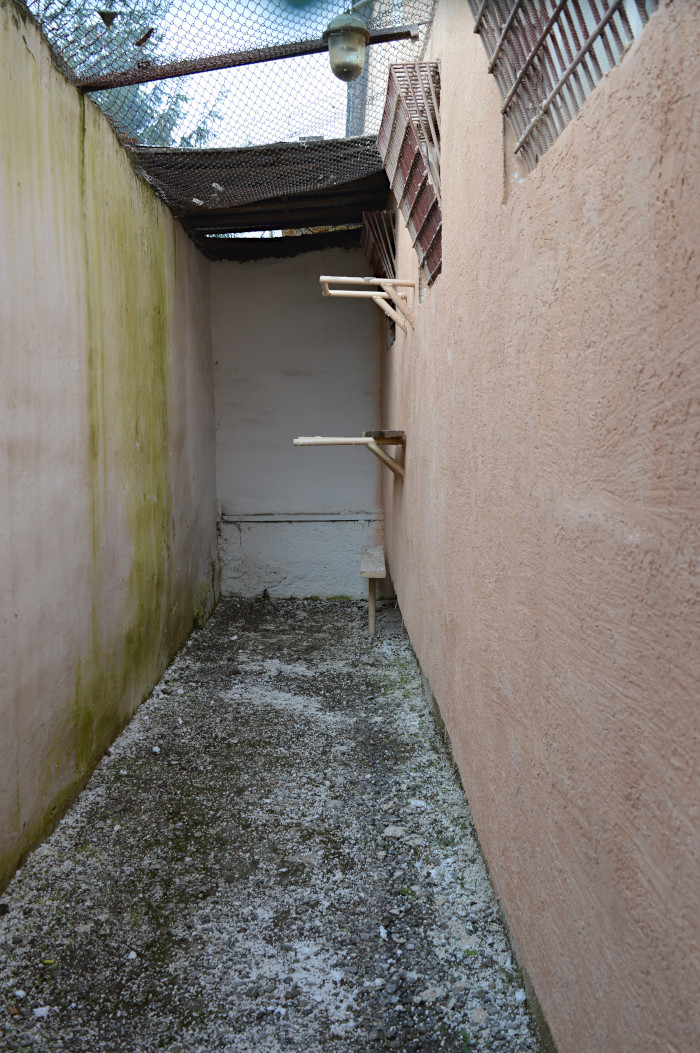
First, the monitors visited the DIZO section, which is located immediately behind the checkpoint. At the time of the visit, there were no inmates in the sector. In total, since the beginning of the year, the disciplinary penalty of placement in the DIZO has been applied 26 times. The sector contains 3 cells, each designed for two offenders. All cells have undergone good-quality cosmetic repairs, which were completed at the beginning of 2020. Metal-plastic windows have been installed, which the inmates cannot open themselves—they must call a junior inspector. The cells are quite bright and have washbasins and toilets separated by a partition and a door. The exercise yard is in a dilapidated state; it is quite small, just over a metre wide, with rusty sports equipment and a rather small bench. The administration of the centre assured us that the yard will be expanded and renovated next year.
III. Living premises
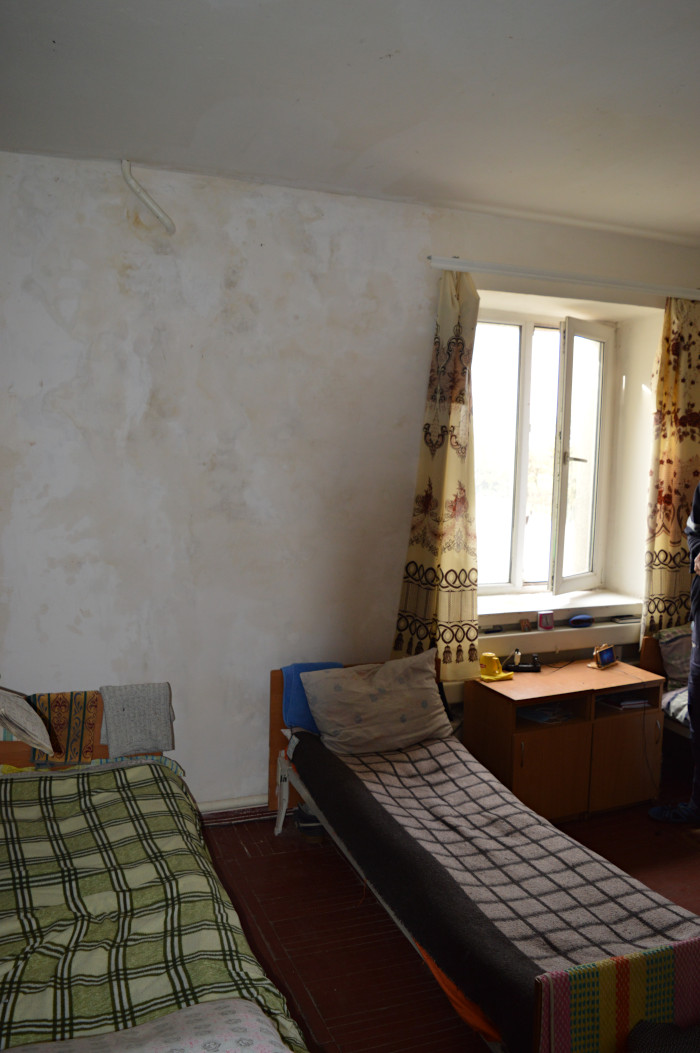
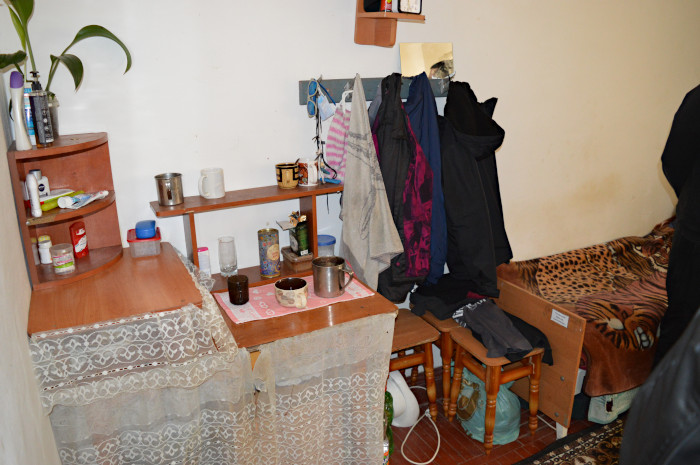
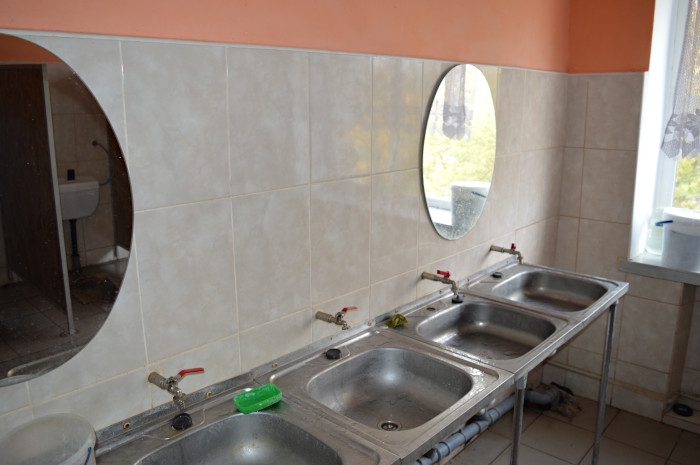
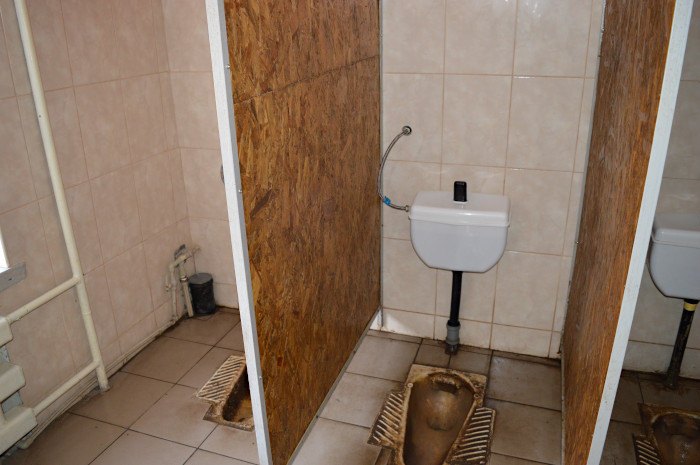
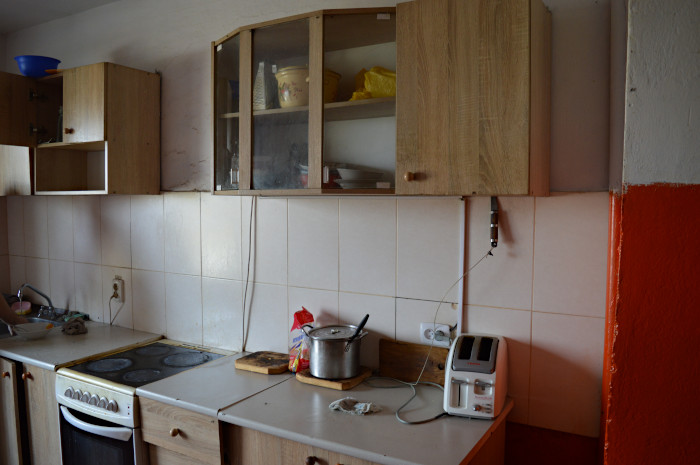
On the territory, there is one mothballed residential building and one in use. The residential building has three living departments located on three floors. The departments are divided into residential blocks designed for two to four people. The rooms have been cosmetically renovated, though traces of flooding are visible in some places. Metal-plastic windows are installed in all departments. The dining rooms are equipped with kitchen furniture and kitchen utensils. The sanitary facilities have washbasins; the toilets are separated by walls, but the doors are missing, which severely violates privacy. The living departments are warm. Also, there were no tanks with boiled drinking water in the living departments.
IV. Bath and laundry facility
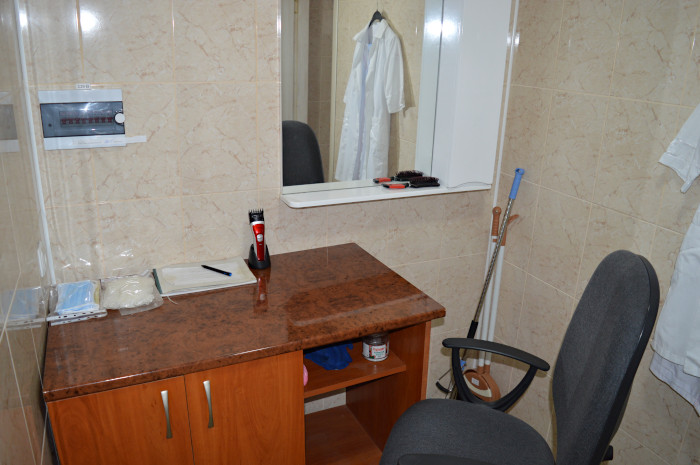
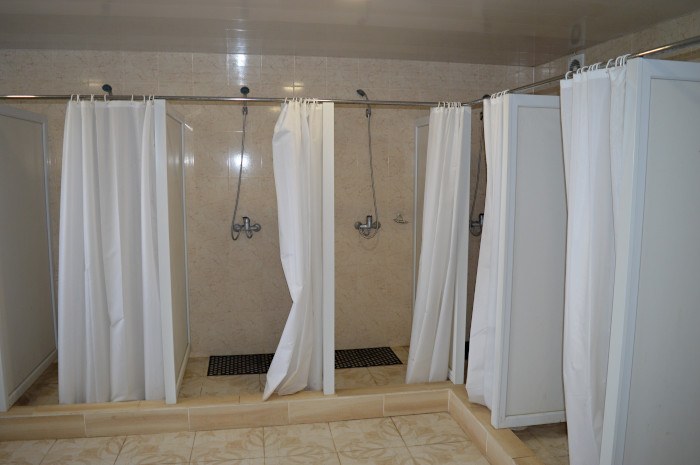
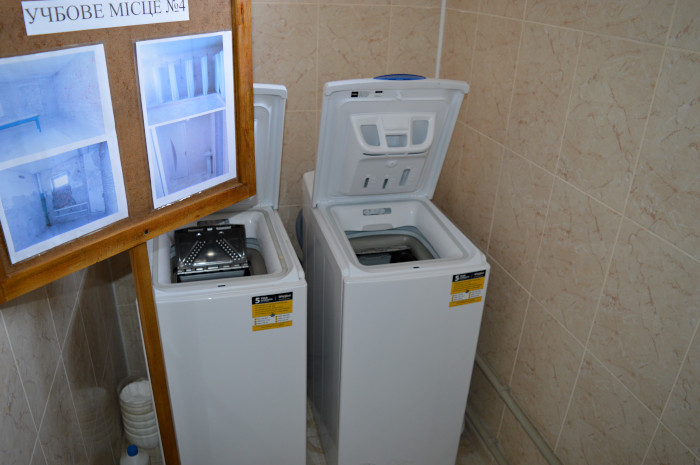
Domestic water heaters have been installed in the bath and laundry facility, and a major renovation has been carried out. The shower is divided by partitions and mats, and there are shower curtains. There is also a barbershop where inmates have the opportunity to get a haircut for free. In the laundry, there are two new domestic washing machines.
V. Canteen
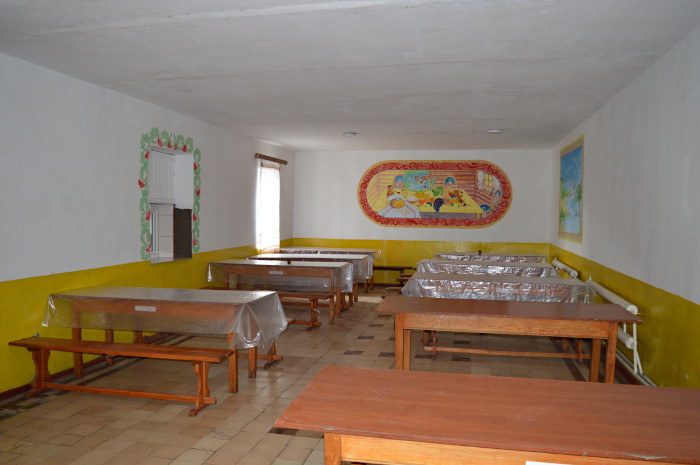
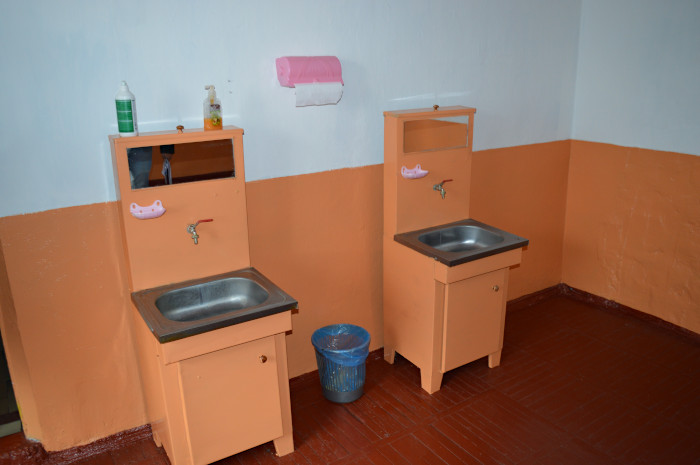
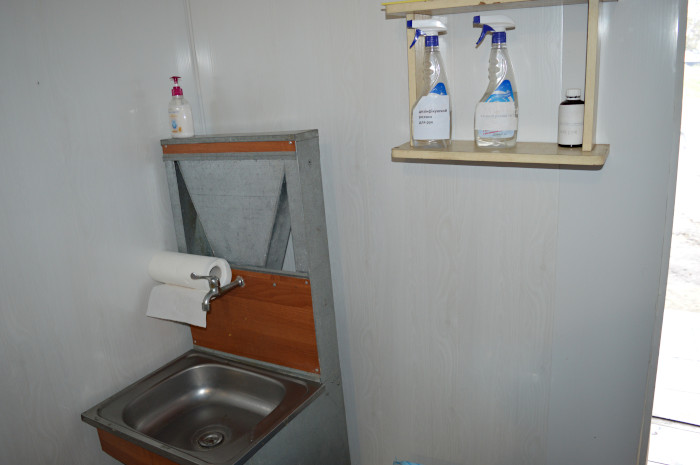
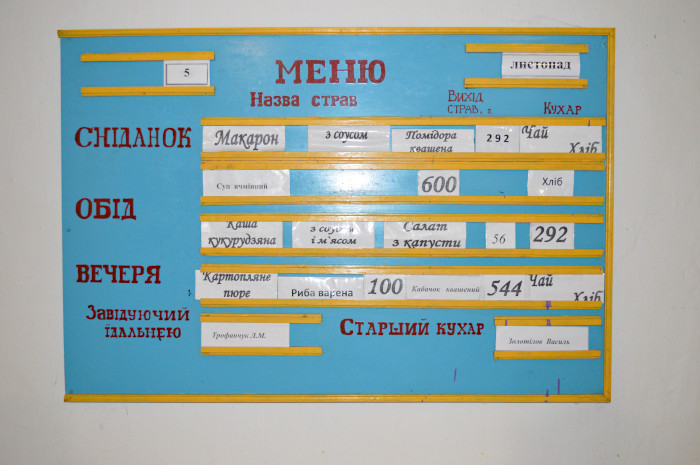
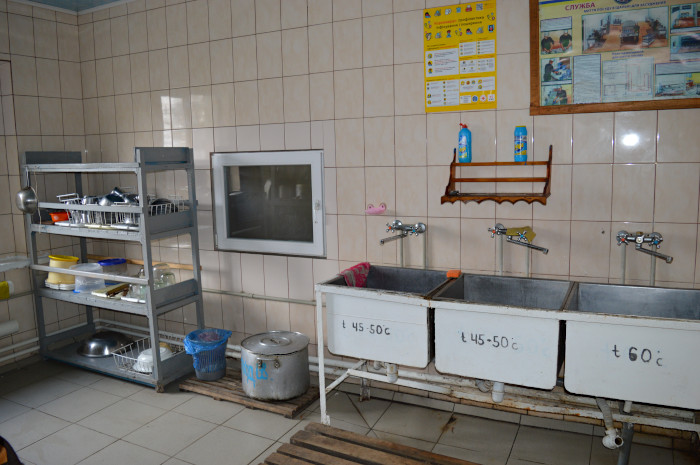
At the entrance to the canteen, there are two washbasins, liquid soap, and paper towels. Disinfectant solutions are placed near the washbasins. The monitors believe that the disinfectant solutions were placed out for show, given that the monitoring group is visiting institutions in the Vinnytsia region. There is a menu information board on the wall for the current day. The dining hall is bright and clean.
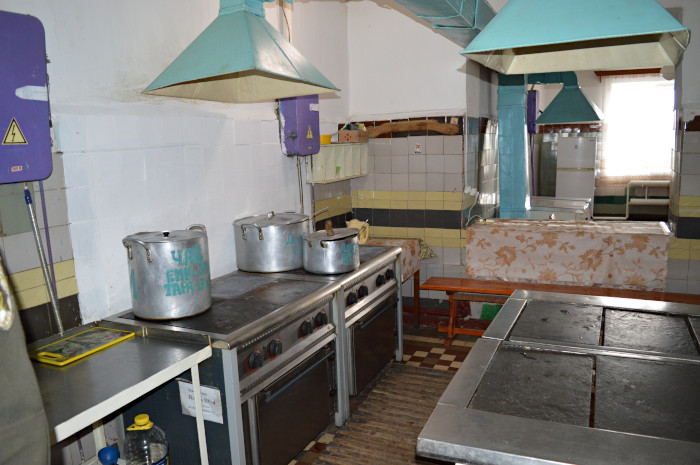
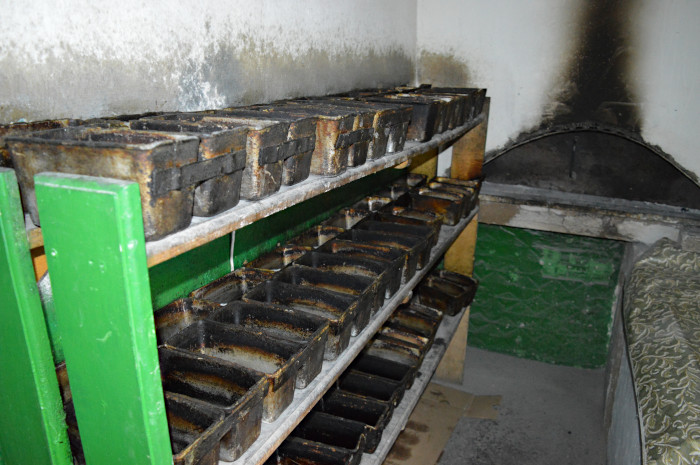
During conversation, the inmates reported that there was porridge for breakfast, although the menu and the menu-distribution list of products indicated pasta. This may indicate either a discrepancy between the menu and the food actually prepared, or that the inmates did not attend the canteen. The kitchen is equipped with electric kitchen equipment. There is an in-house bakery.
VI. Quarantine and distribution section
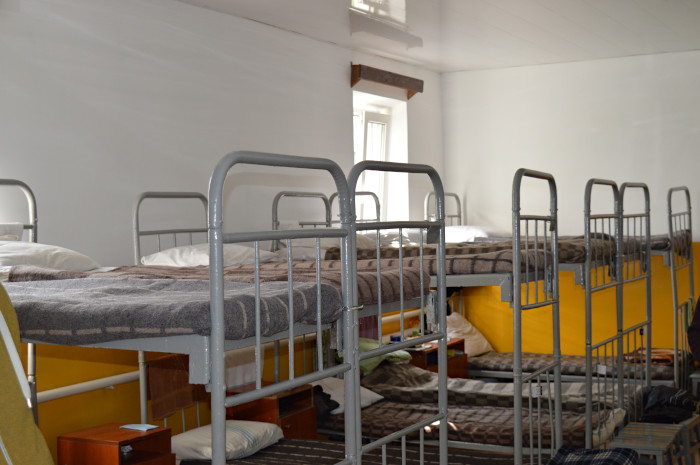
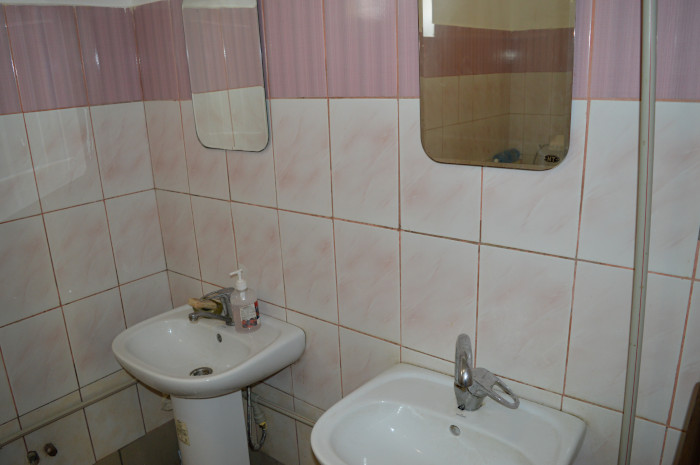
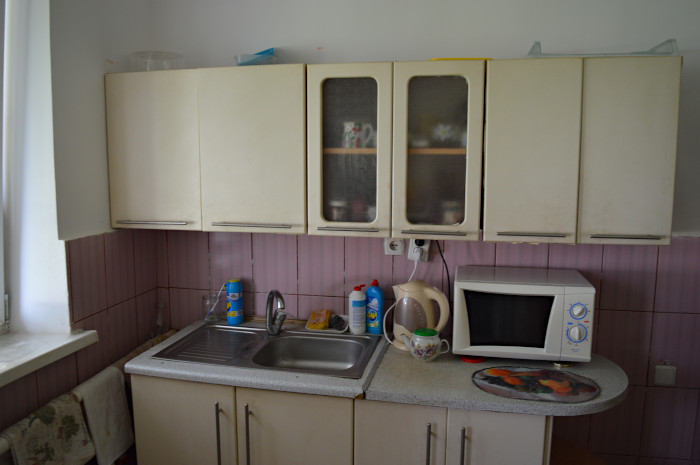
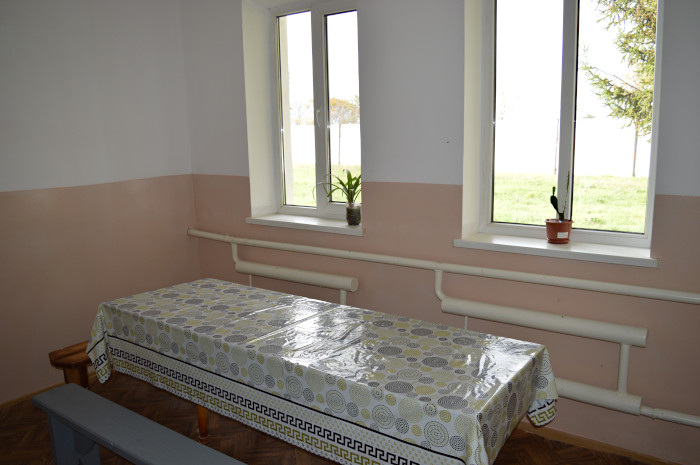
At the time of the visit, there were inmates in the section. The section has undergone routine cosmetic repairs. Bunk beds are installed in the rooms, with the top bunks not being used. The sanitary facility is equipped with washbasins. The toilets are fitted with outdated “Genoa” bowls (squat toilets). The toilets are separated by a partition, but the doors are missing, which violates privacy. The dining room is equipped with kitchen furniture and appropriate kitchen utensils.

VII. Production
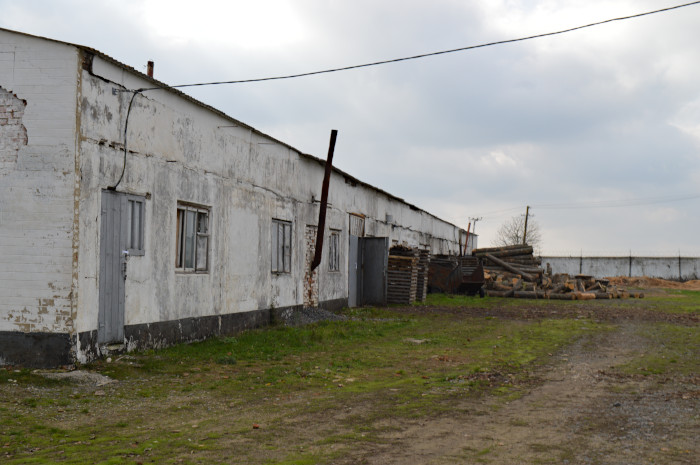
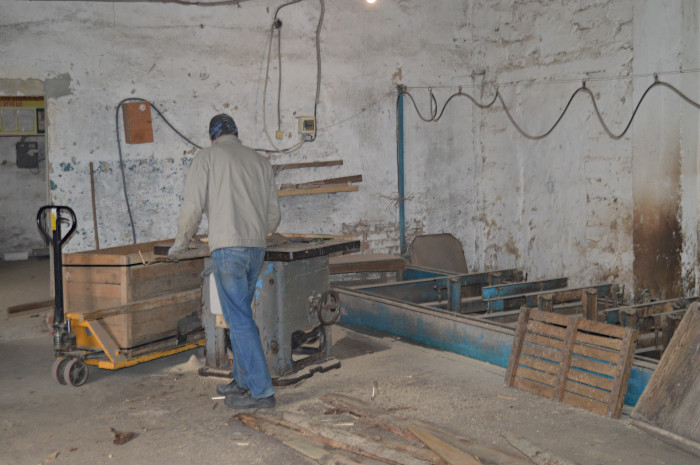
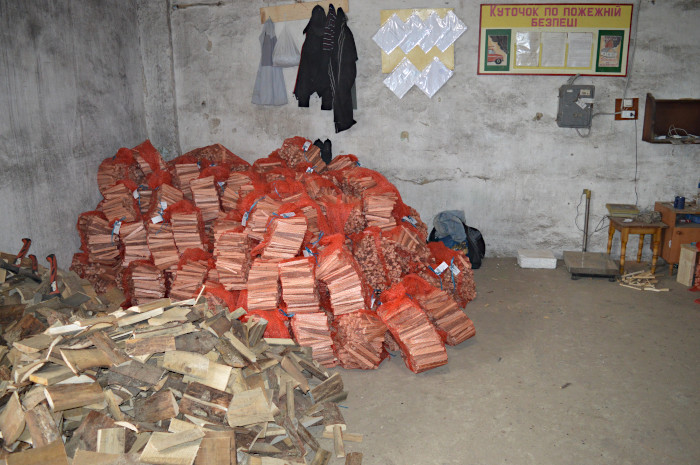
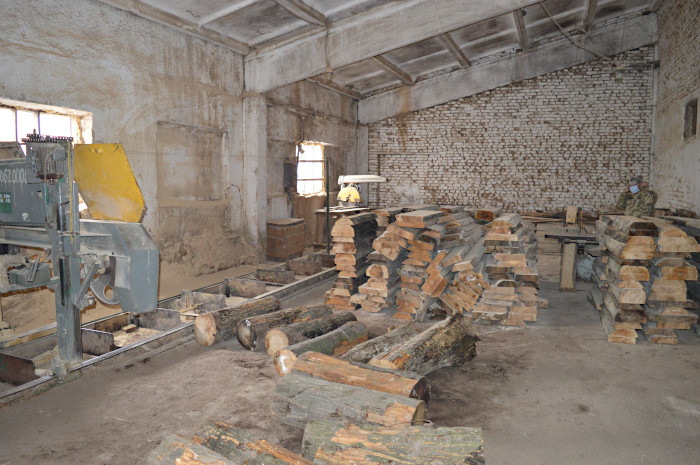
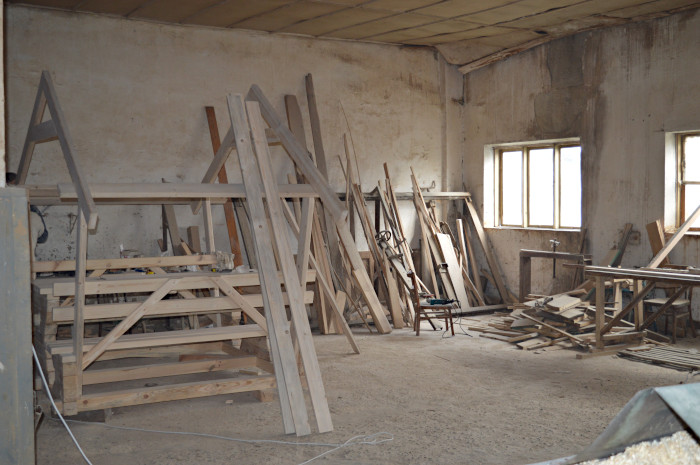
There are 52 inmates working in the institution. Production is represented only by woodworking and carpentry shops. They manufacture wood chips, beams, and various wood products (benches, gazebos, etc.). 27 inmates work in production directly on the centre’s territory. All inmates in production work under civil law contracts. Protective equipment was available, but not actually being worn by the workers.
According to the institution’s administration, 25 inmates work outside the centre at the Vinnytsia Poultry Farm. Employment contracts have been concluded with all of these inmates, and they receive the minimum wage.
VIII. Auxiliary farm
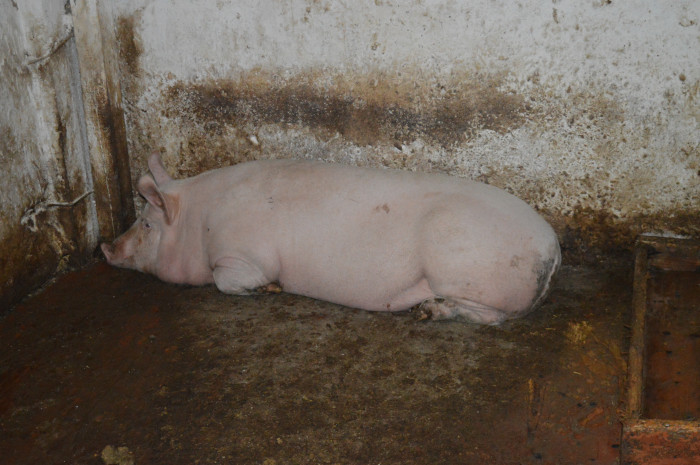
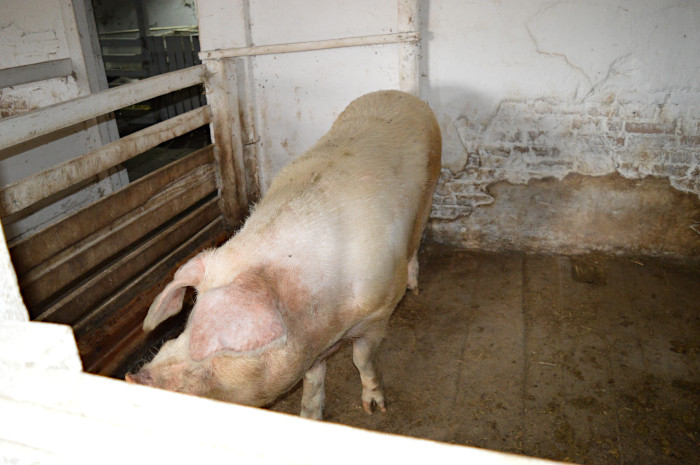
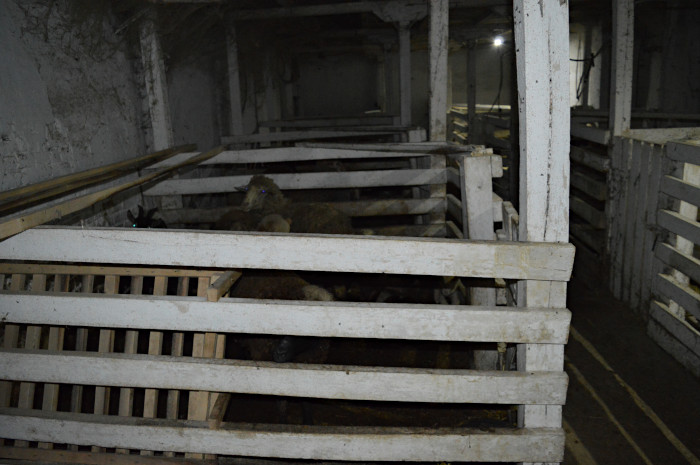
The institution operates an auxiliary farm where 30 head of cattle and 35 pigs are raised; there are also sheep and goats. The auxiliary farm is used for the institution’s own needs.