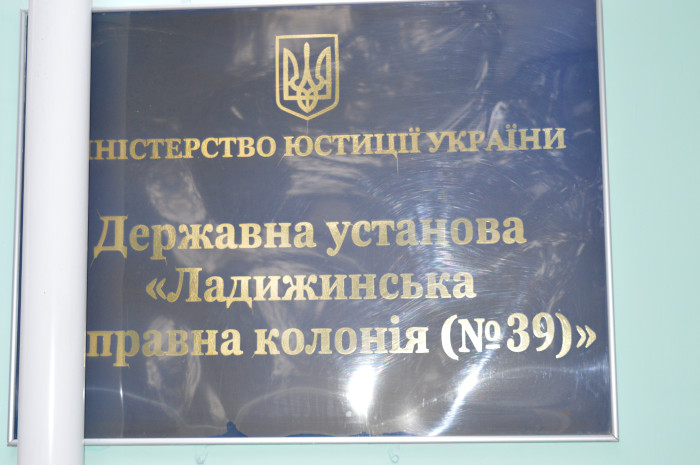
Monitoring visit to the State Institution “Ladyzhyn Correctional Colony No. 39”
I. General information
On 5 November 2020, a KHPG monitoring group consisting of Maksym Revyakin, Pavlo Shvab, and Ihor Sosonskyi visited the Ladyzhyn Correctional Colony No. 39. The institution is located in the settlement of Hubnyk in the Vinnytsia region. The colony is a maximum-security institution for men serving sentences of imprisonment for a fixed term, as well as life imprisonment. At the time of the visit, there were 265 people in the colony; the planned capacity of the institution is 609 people. Since the beginning of this year, 27 people have been released from the colony. The establishment has been operating since 1949.
After checking their documents, the monitors, accompanied by colony representatives, entered the territory without hindrance. At the entrance to the checkpoint, there were announcements and explanatory information regarding safety measures, counteraction to the spread, and prevention of the COVID-19 coronavirus infection. Adhering to all government recommendations on quarantine measures, the monitors’ body temperatures were checked at the checkpoint, and they were required to fill out visitor questionnaires regarding symptoms of COVID-19.
II. Maximum-security sector
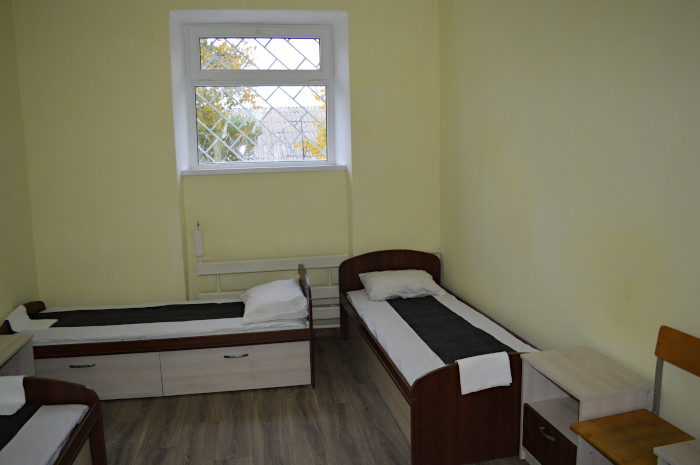
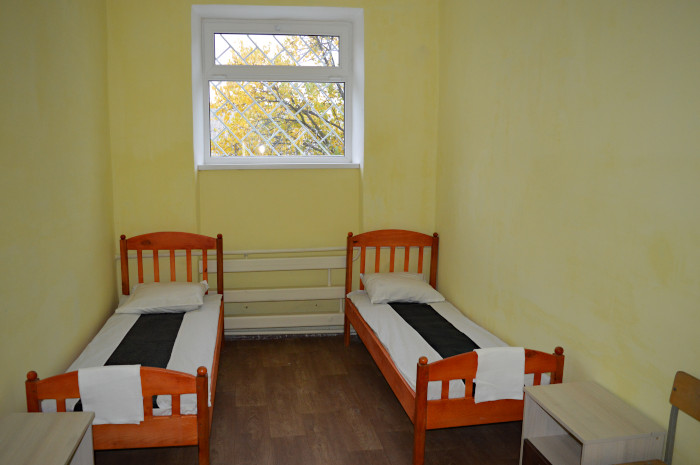
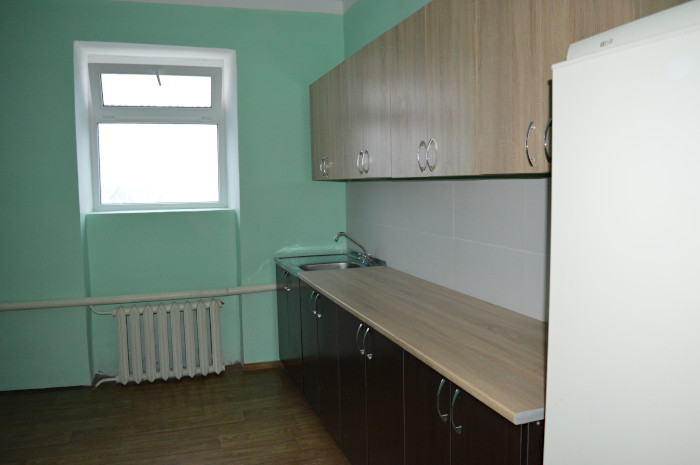
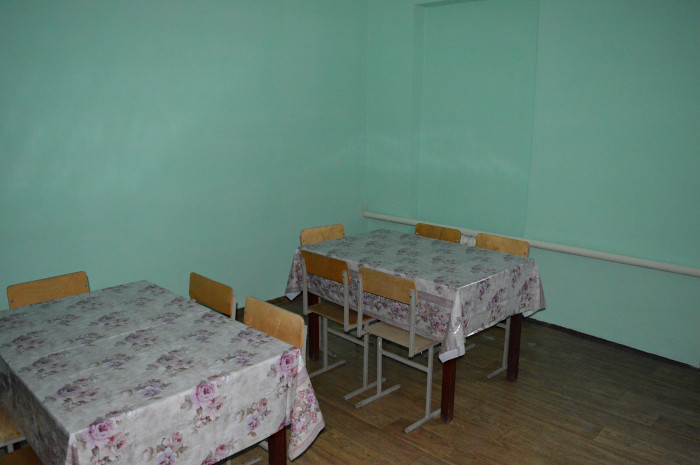
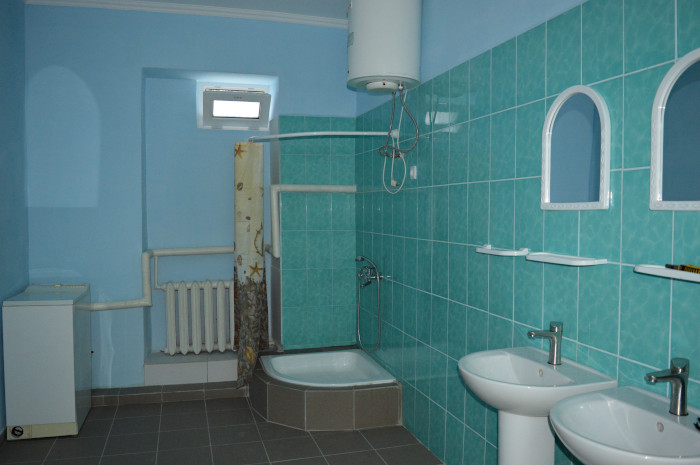
First, the monitors visited a newly renovated premise intended for persons sentenced to life imprisonment who have served 10 years of their sentence and have proven by their behaviour that they can serve their sentence in a multi-occupancy cell. At the time of the visit, there were no inmates in the unit. The administration explained that the renovation in the unit was recently completed and that “worthy” inmates would be transferred there in the near future.
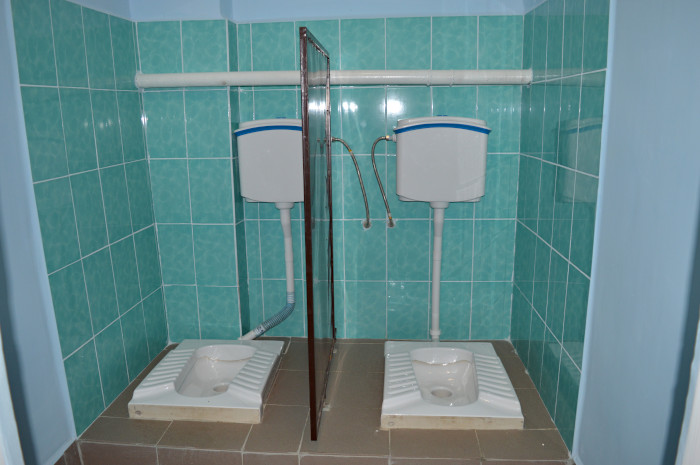
The dining room is furnished and equipped with a refrigerator; other kitchen appliances must be purchased by the inmates at their own expense. There is a washing room and a toilet in the unit. The monitors noted that the toilet cubicles are not equipped with doors, which violates the right of inmates to privacy.
III. Kitchen/Canteen
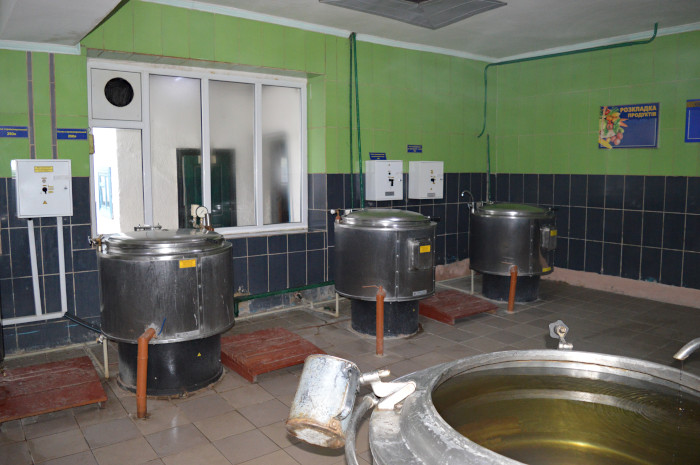
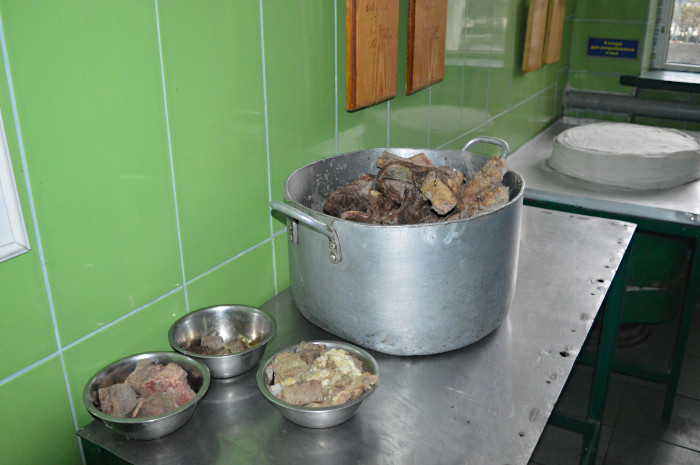
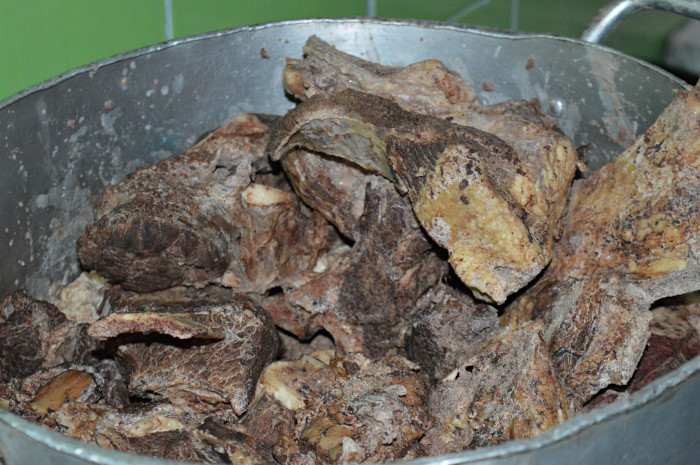
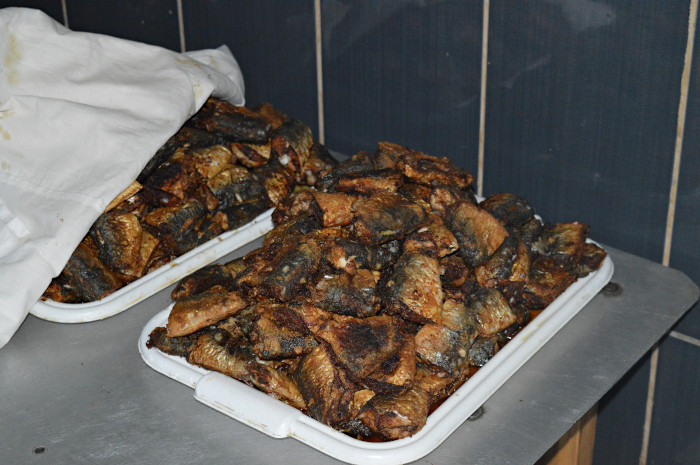
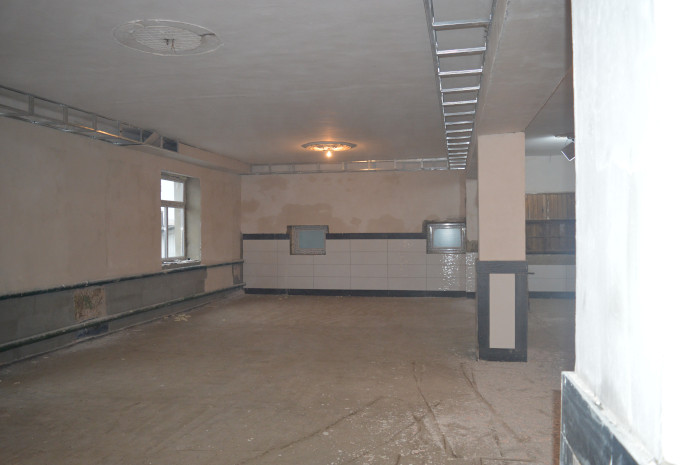
Renovations have been carried out in the kitchen area, and the cooking area is equipped with new boilers. During the visit, dinner was being prepared, but there was an unpleasant and sharp smell of stale fried fish in the canteen. The monitors noticed that the beef, which was thawing, did not look edible. The monitors also noticed bony fried fish.
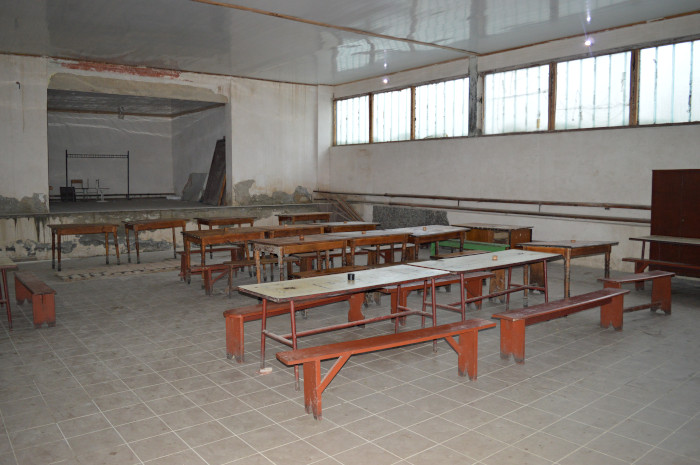
Currently, the canteen area is being renovated, so the inmates are forced to eat in the club building, where there are no washbasins, soap, towels, heating, a menu, or disinfectants.
At the request of the monitors, the institution’s representatives could not provide the medical books of the canteen staff.
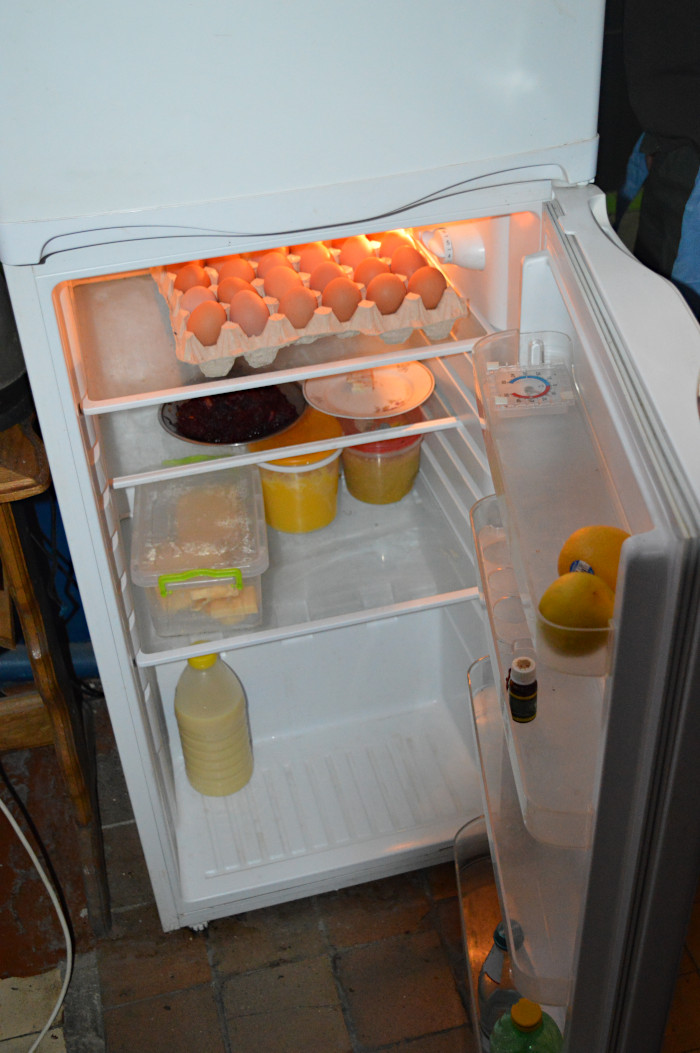
According to the colony administration, 16 people receive dietary nutrition. The monitors were shown the products intended for the meals of such inmates.
IV. Bath and laundry facility
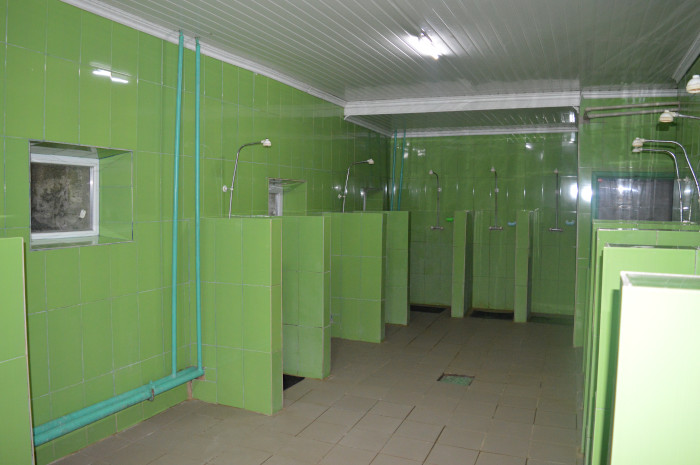
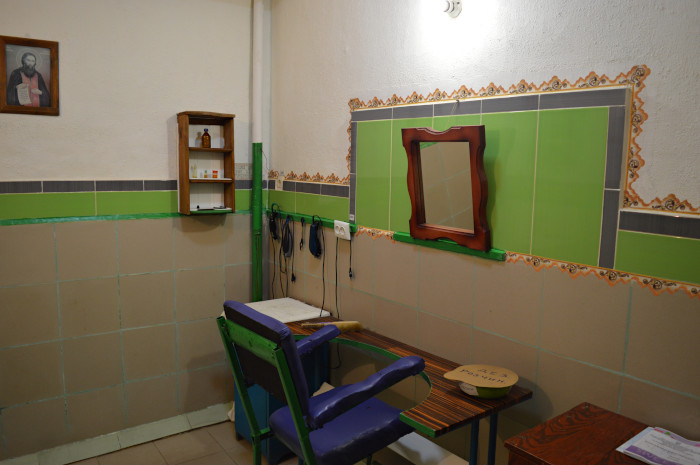
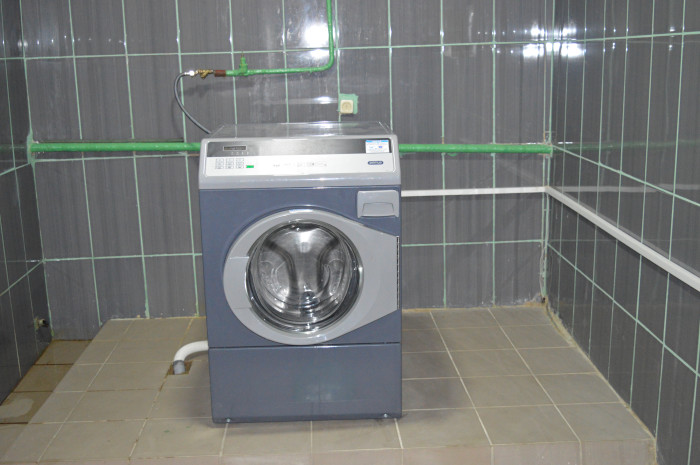
The bathhouse was renovated in 2019. High partitions and rubber mats are provided, but shower curtains are missing. There is a barbershop. The laundry is equipped with one new washing machine, and other outdated equipment is also in use. The monitors noted that the medical assistant’s office at the facility is quite small, which does not allow for a private and thorough examination of inmates for bodily injuries. The examination is conducted through glass that overlooks the room where the inmates take showers.
V. Production
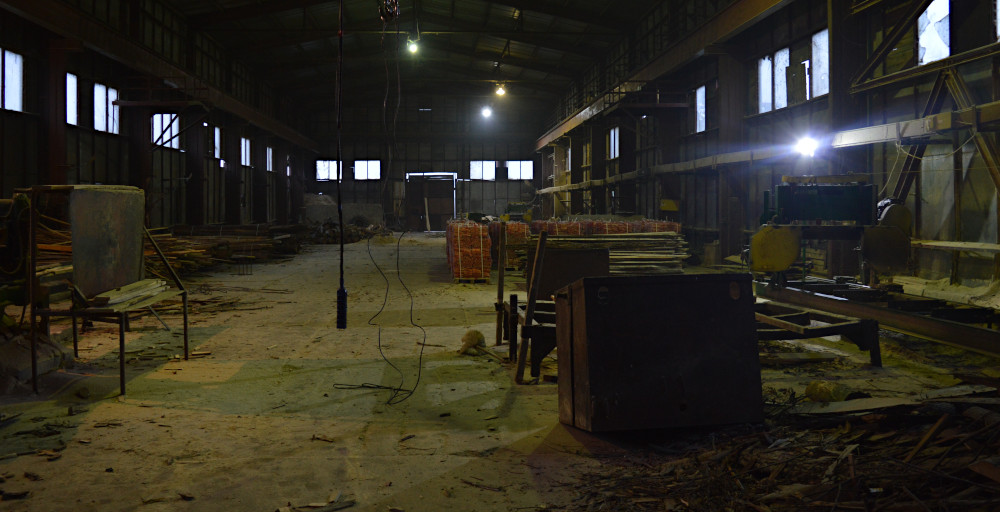
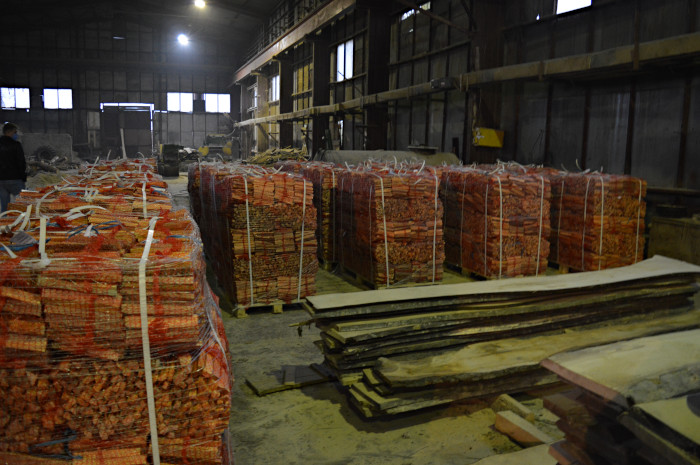
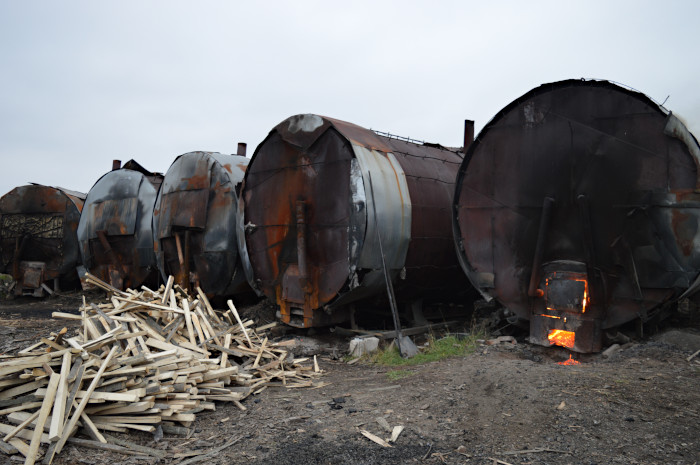
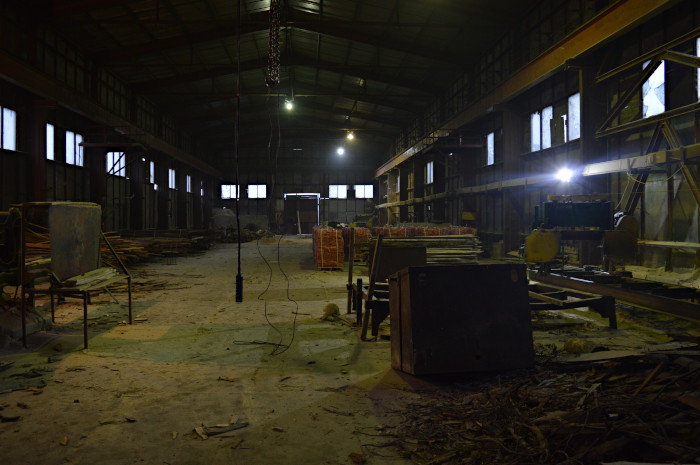
Production in the colony consists of a woodworking shop and a workshop for manufacturing barbecue charcoal. The woodworking shop produces wood chips for starting fires. 187 people work in production. The monitors spoke to the workers, who reported that they work under civil law contracts and were unable to clearly answer questions about the amount of remuneration. Information about the remuneration for work performed is missing from information boards. The monitors would like to note that the employment of inmates under civil law contracts significantly narrows and fails to protect their labour rights.
VI. Living departments
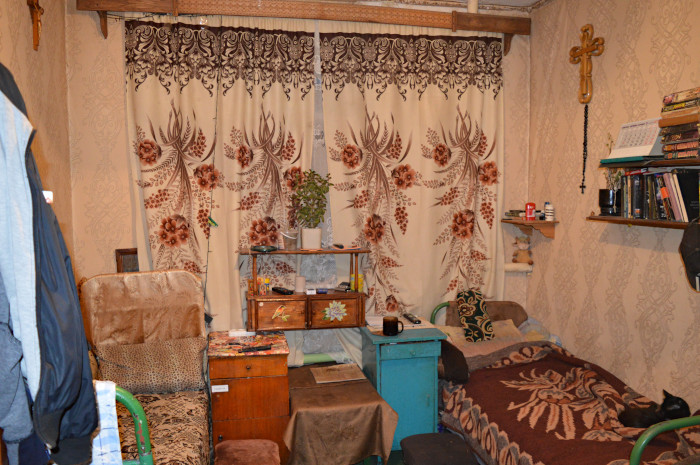
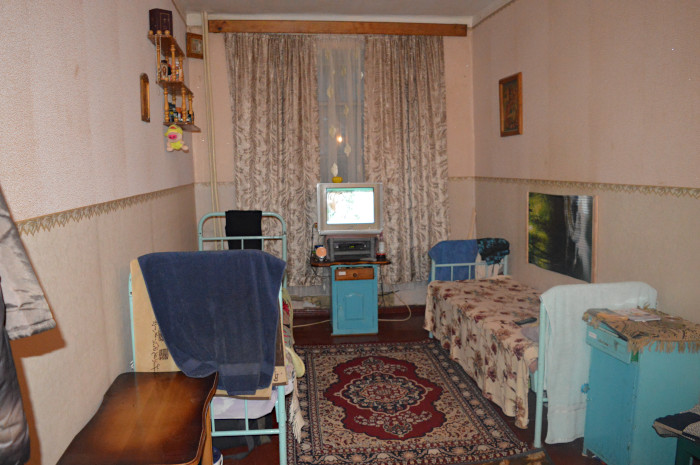
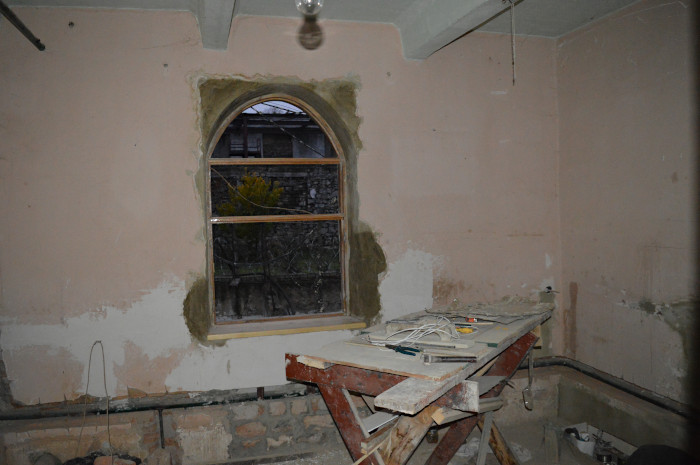
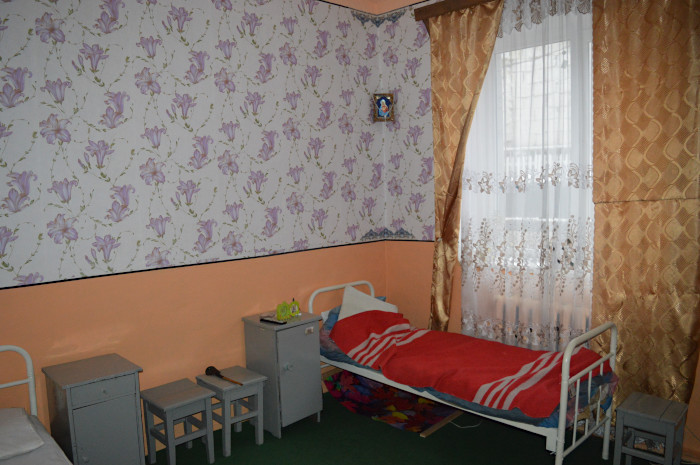
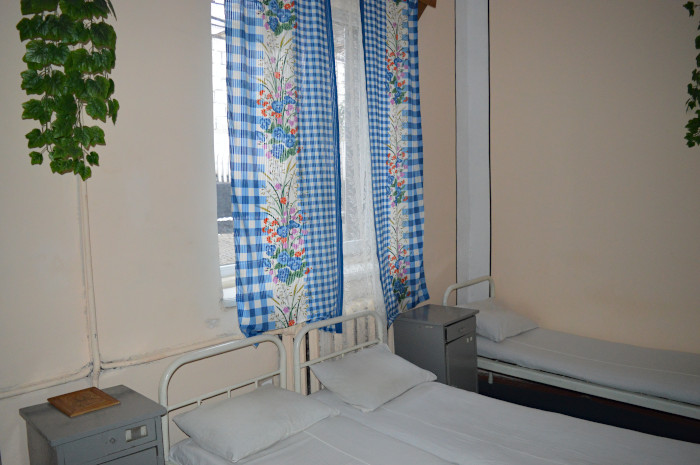
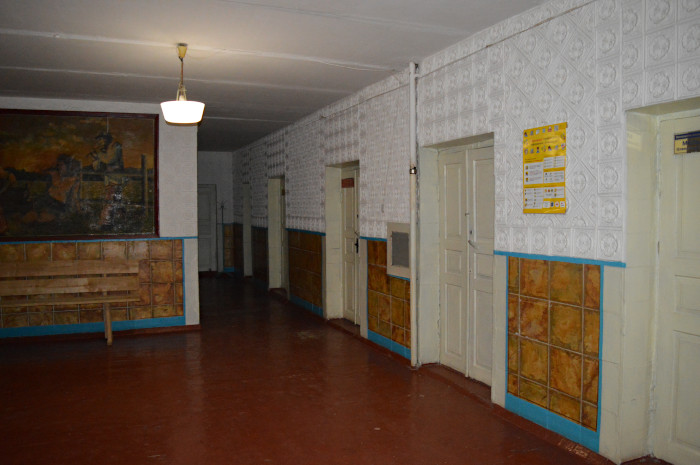
There are three local sections in the colony, each with two departments. Old wooden windows are installed in all living departments. Also, each department has its own autonomous heating, namely, solid-fuel furnaces. The premises have undergone cosmetic repairs. The rooms are designed for 2–4 people. Outdated iron beds are in the rooms. Order in the rooms is maintained by the inmates themselves, so some rooms look better than others.
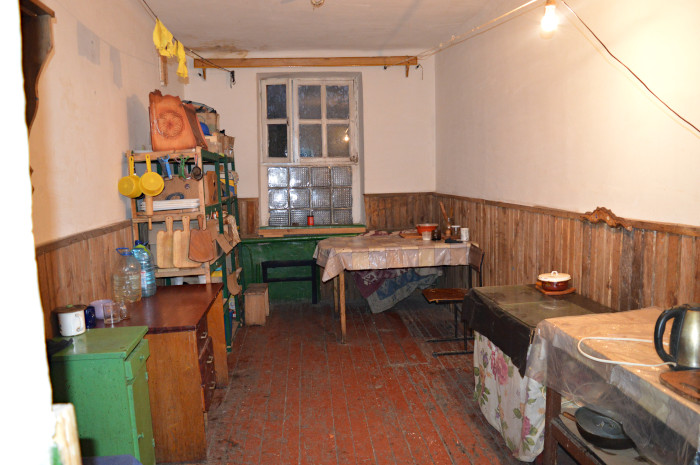
The dining rooms are poorly equipped, with a minimal amount of household appliances.
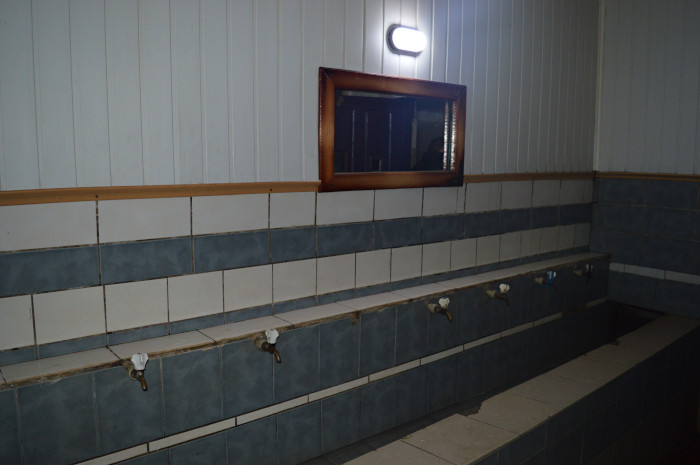
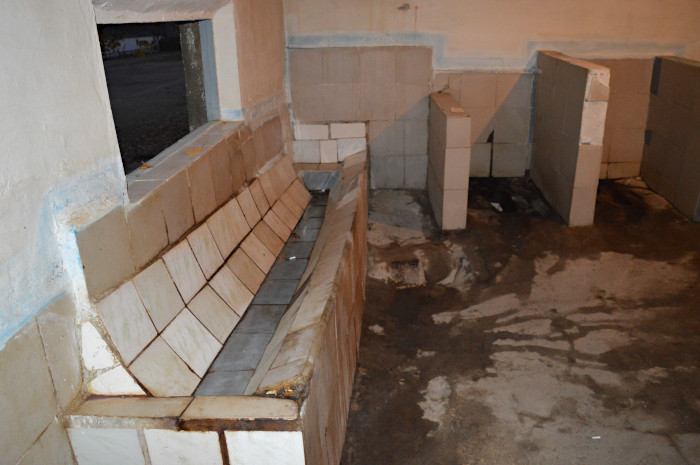
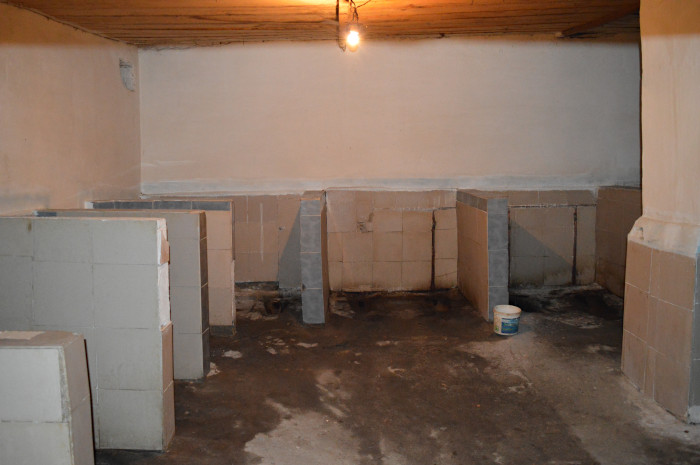
Washrooms are located in the corridors of the departments. The toilets are located outdoors. According to the colony representatives, preparations are underway to install toilets inside the department buildings.
VII. Medical unit
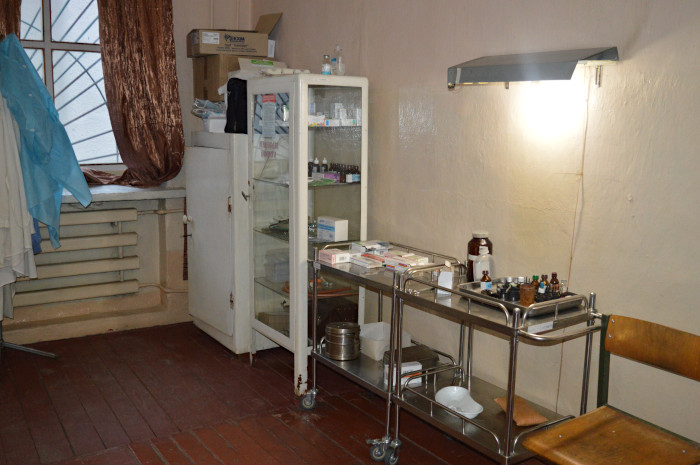
At the time of the visit, the staff was nearly 100% complete, but according to the staffing table, there are no positions for a dermatologist or an infectious disease specialist. Twice a year, an infectious disease specialist from the “100% Life Network” charity foundation visits the institution. There is a dental office where they not only extract teeth but, as the medical unit representatives assured us, perform fillings and fit dental prostheses. At the time of the visit, no one was in the inpatient ward. No cases of COVID-19 infection were detected among the inmates or the colony staff. In case of infection, a separate, isolated ward has been prepared in the medical unit.
VIII. DIZO/PKT
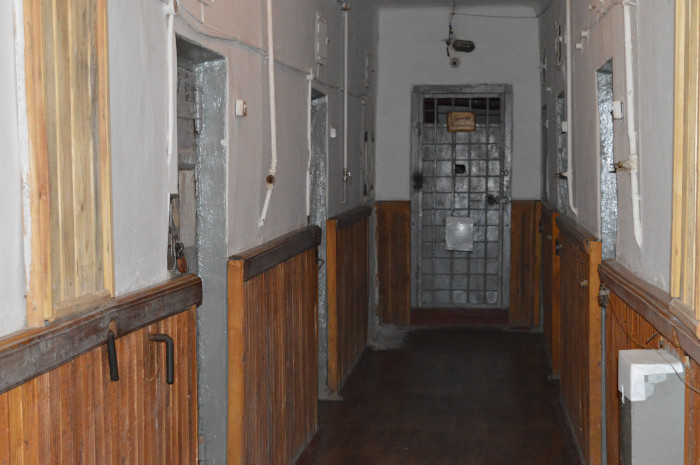
At the time of the visit, one inmate was in the sector. In total, since the beginning of the year, the disciplinary penalty of placement in the DIZO has been applied 47 times, and in the PKT 5 times.
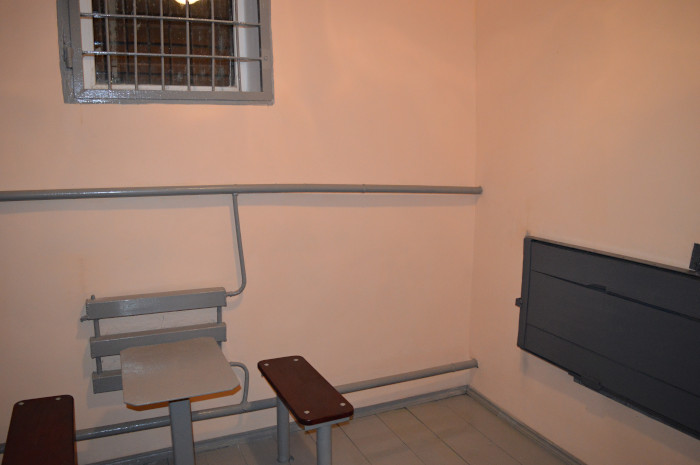
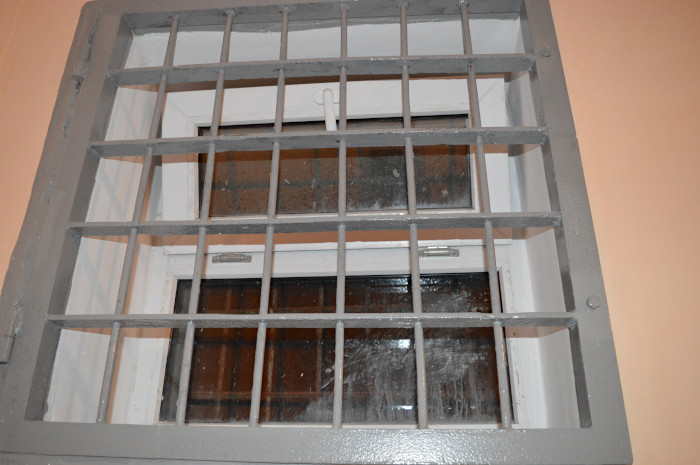
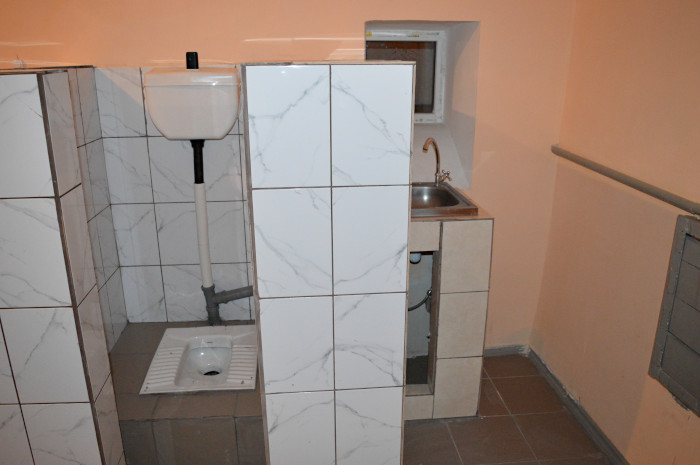
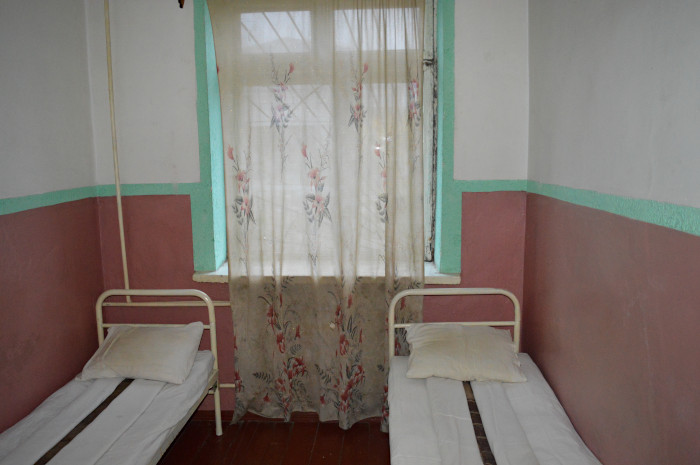
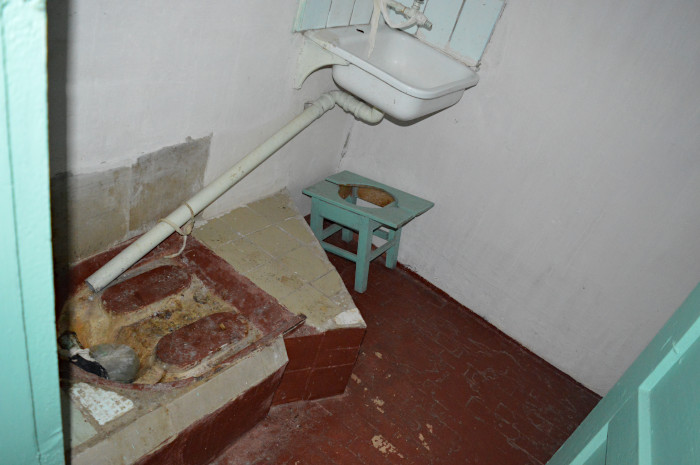
Metal-plastic windows have been installed in all cells, and routine repairs have been carried out. The cells are designed for 2 people. The cells are equipped with washbasins and “Genoa-style” toilets, which are located opposite the entrance doors and, accordingly, the video surveillance cameras; the toilets are separated by partitions but have no doors, which collectively violates the inmates’ right to privacy. The premises are ventilated, and the inmates are able to open the windows themselves to control the temperature and the amount of air in the cell.