Monitoring visit to Mogilev-Podilskyi Correctional Colony No. 114
I. General information
On 4 November 2020, a KHPG monitoring group consisting of Maksym Revyakin, Pavlo Shvab, and Ihor Sosonskyi visited the Mogilev-Podilskyi Colony No. 114. The institution is located in the Vinnytsia region, in the village of Skazyntsi, 14 kilometres from Mogilev-Podilskyi.
This colony is a medium-security institution for men sentenced to imprisonment for the first time. The planned capacity of the colony is 313 people; at the time of the visit, 231 convicts were serving their sentences there. Since the beginning of this year, 47 people have been released from the institution. The administrative staff consists of 169 employees. The institution has been operating since 1985.
Upon arriving at the institution, the monitors noticed the absence of protective masks among the colony’s staff; however, subsequently, after the monitoring began, all staff members put on masks. At the checkpoint, there is a disinfection barrier and a hand sanitiser. The monitors underwent temperature screening.
II. Living area
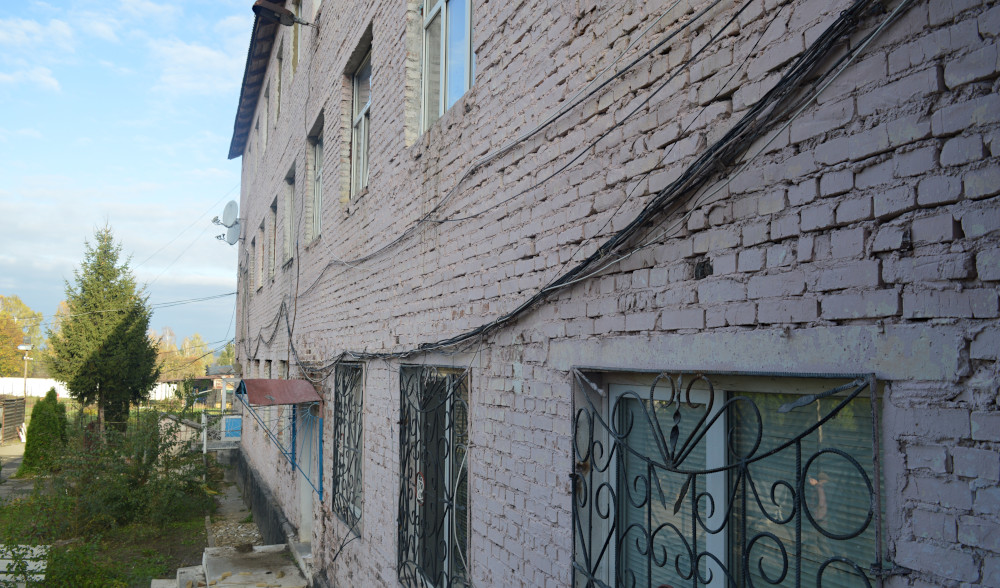
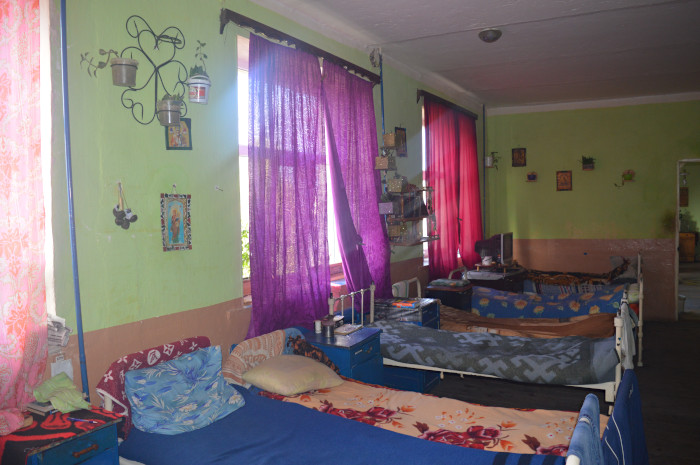
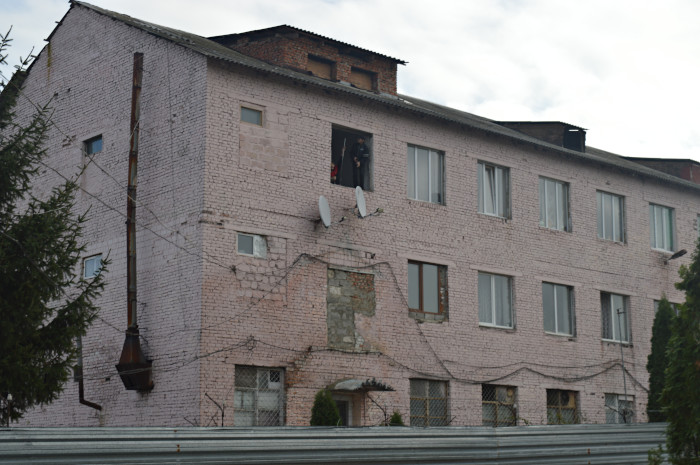
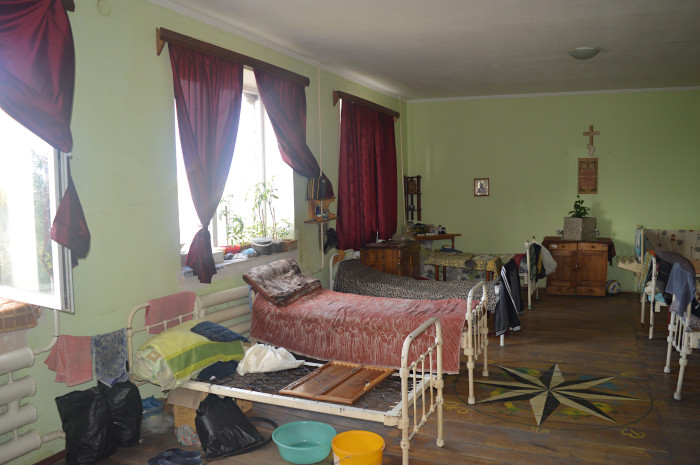
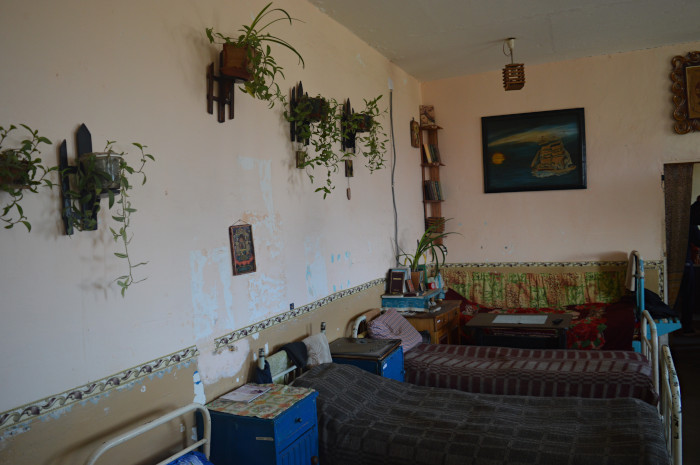
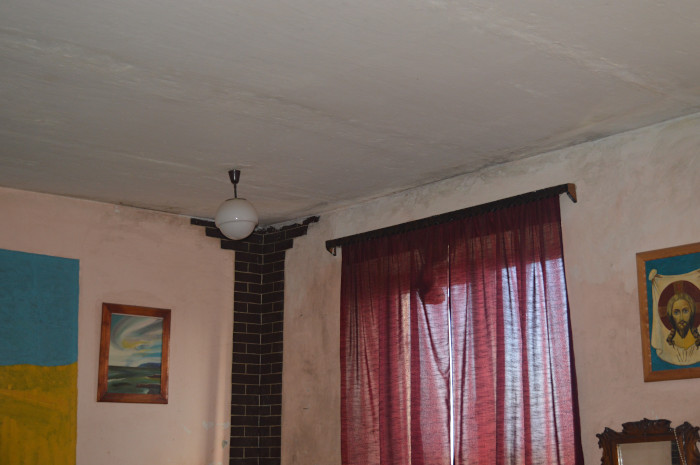
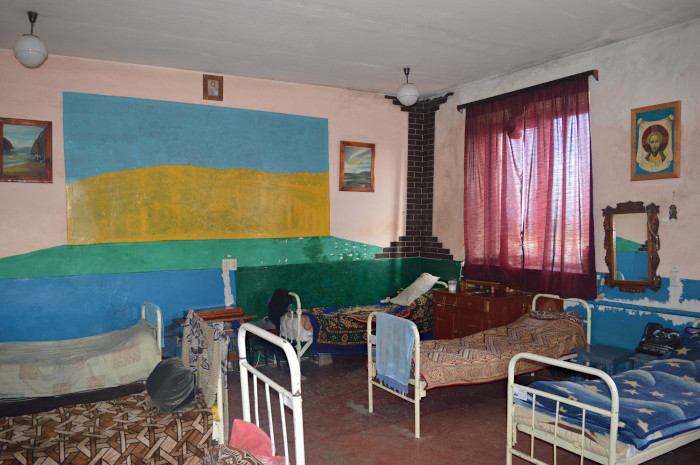
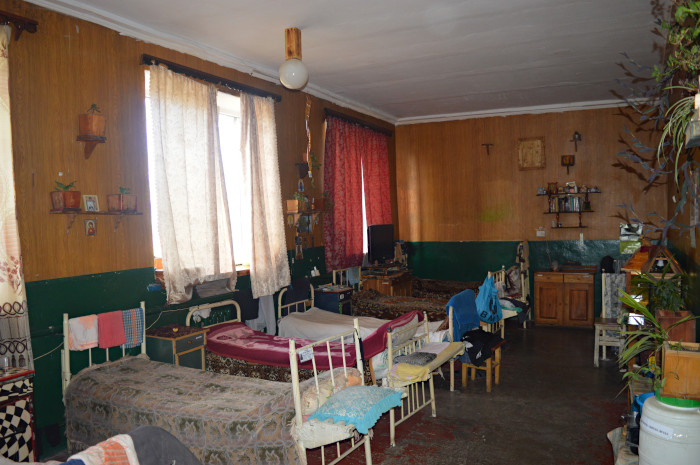
The institution has 6 residential units located in two buildings. All units are of a block type. One of the units has been recently renovated. Other units clearly require renovation. Some units are equipped with double-glazed windows, while others have wooden ones. The beds are metal, and the bedrooms are sufficiently bright, although in some places there is insufficient light due to the windows being covered with dark curtains. In some living rooms, there are traces of water damage and, in places, mould is visible. The air in the rooms is stale, and in some areas, dampness can be felt. The living quarters were not being heated at the time of the visit. The monitors did not see a disinfection schedule for the premises or disinfection agents in the units. Representatives of the colony claimed that all of this is available in the medical unit.
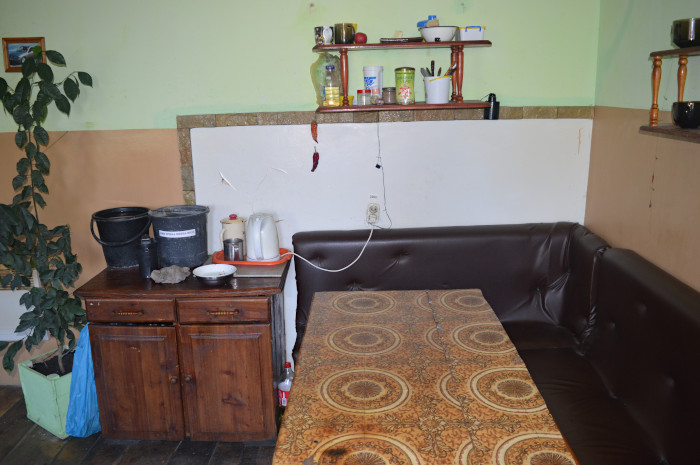
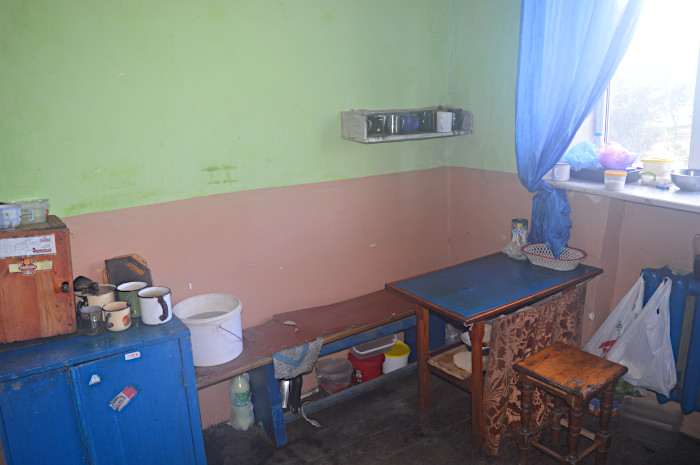
The dining rooms have been cosmetically renovated but look old and shabby. There is old kitchen furniture; in some places, there are refrigerators and electric kettles, but multicookers were absent. Drinking water tanks were provided in every unit.
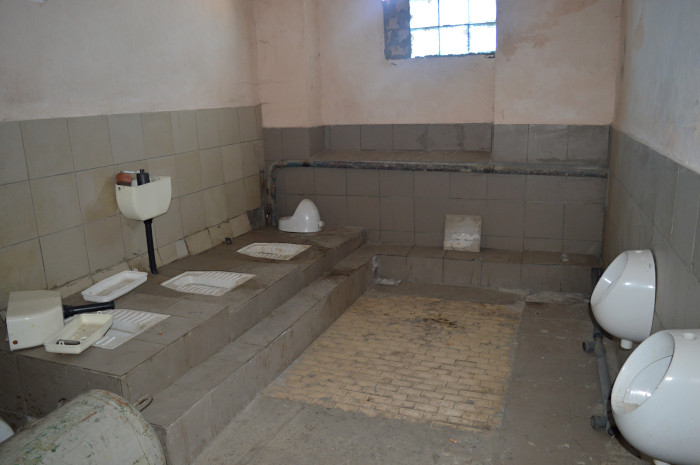
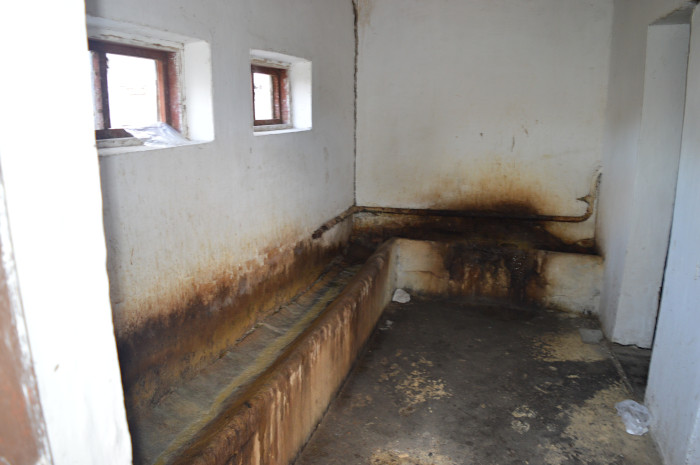
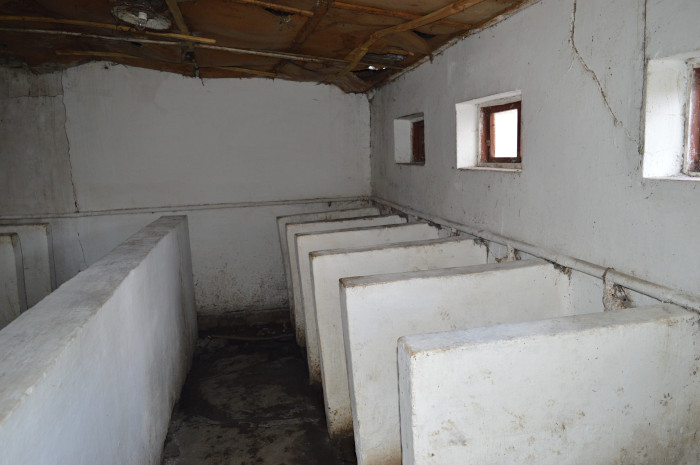
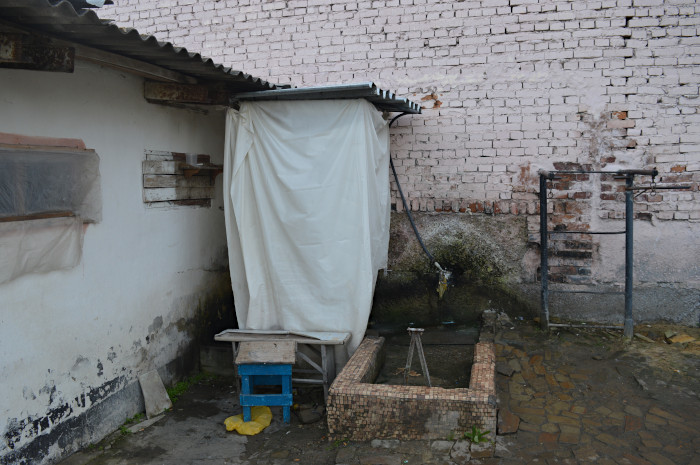
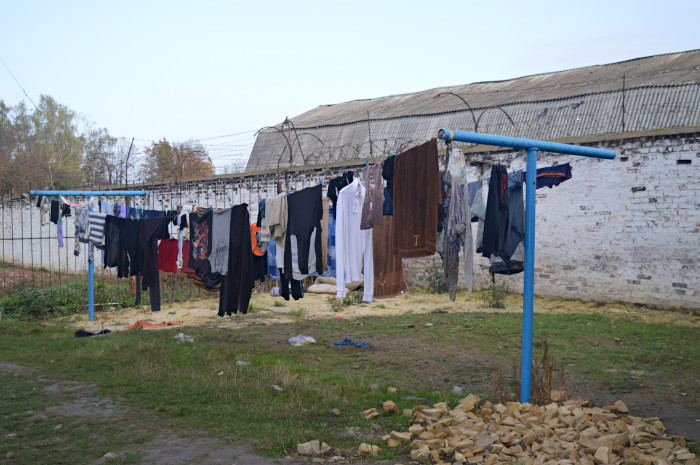
Sanitary facilities in the rooms are undergoing renovation, so prisoners are forced to use a toilet that is in a neglected state and located outside. Instead of washbasins, convicts use a tap built into the wall, which is also located outside. The monitors noticed that the convicts were drying laundry outdoors at a temperature of +8 °C.
The convicts had no complaints about the conditions of detention.

III. Medical unit
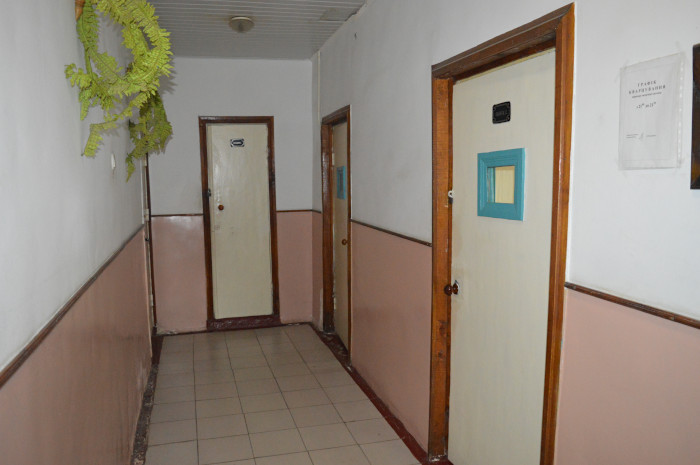
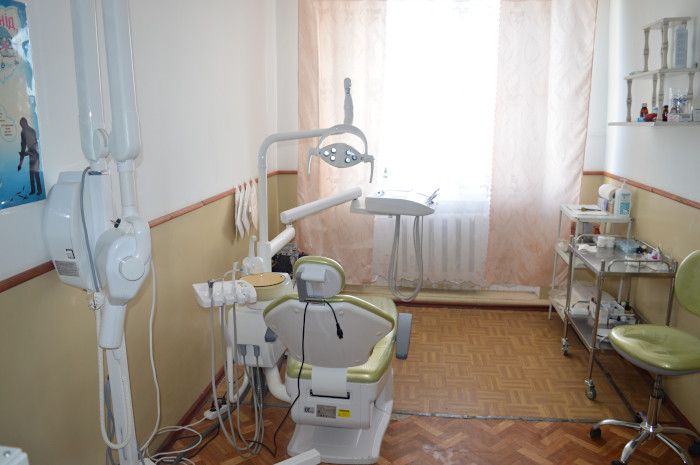
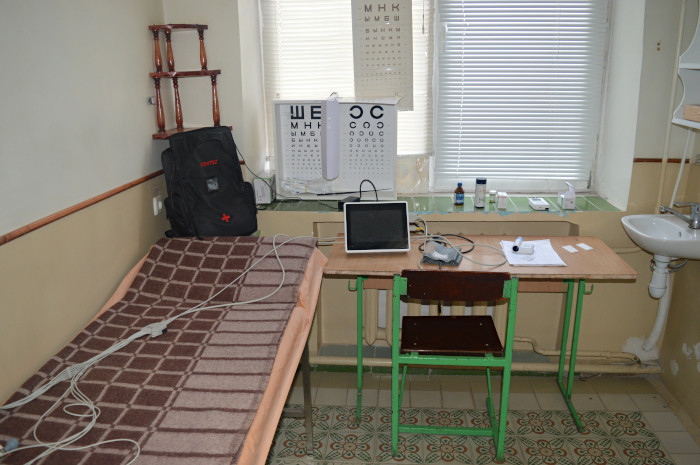
In the medical unit, according to the staffing schedule, the position of psychiatrist is vacant. The staffing schedule does not provide for the position of a pharmacist, who should be responsible for medicinal products for the convicts. There is a dentist in the unit. Modern dental equipment is available. There is an X-ray machine, and a new oxygen generator has been purchased. General laboratory testing of biomaterials is carried out.
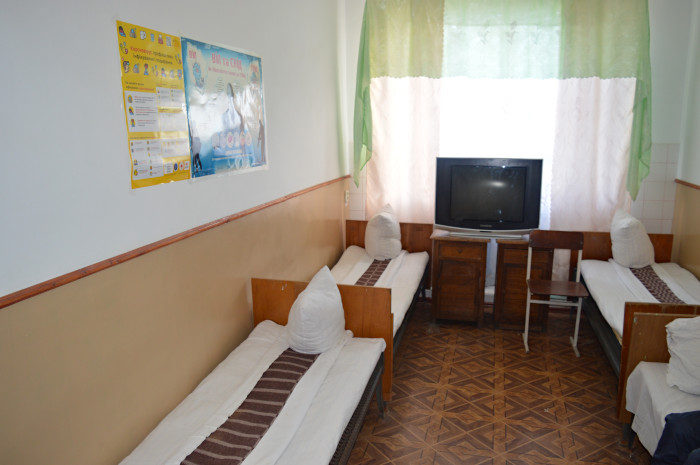
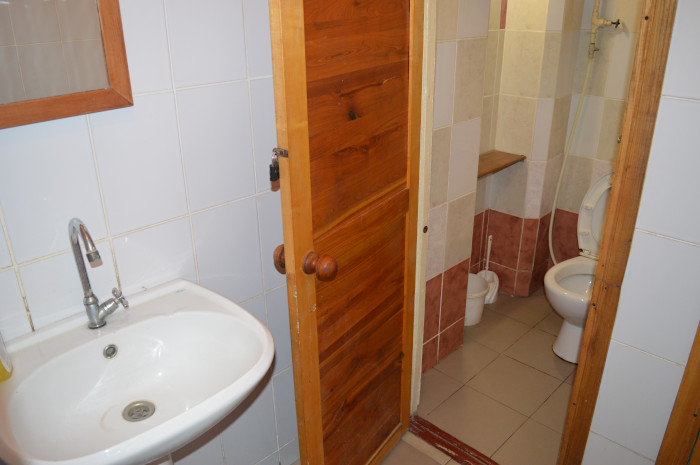
The inpatient wards are bright and tidy, equipped with double-glazed windows. At the time of the visit, one convict with epilepsy was in the inpatient unit; he had no complaints about the treatment. There is an isolation ward with three beds, a toilet, and a shower. The isolation ward can be used to quarantine convicts in case of COVID-19 infection.
During a conversation with convicts in the living units, the monitors received a complaint about the non-provision of medical drugs to a patient with hypertension. According to the convict, representatives of the medical unit demanded a recalculation of the convict’s pension in exchange for the medicines. The head of the medical unit assured that this was untrue and that the convict himself does not come to the medical unit to receive the necessary medicines.
IV. Canteen
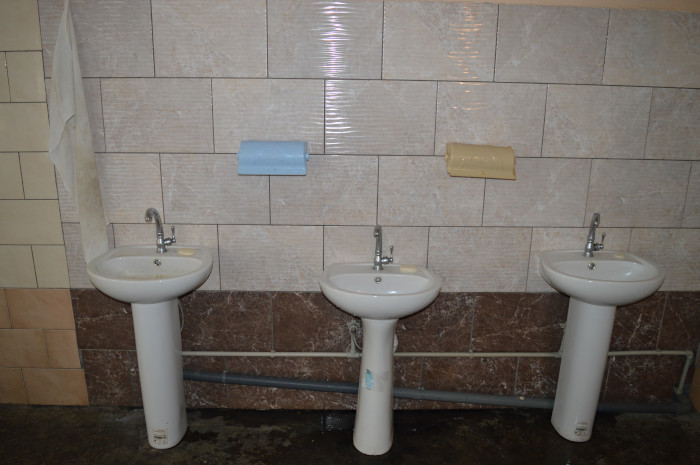
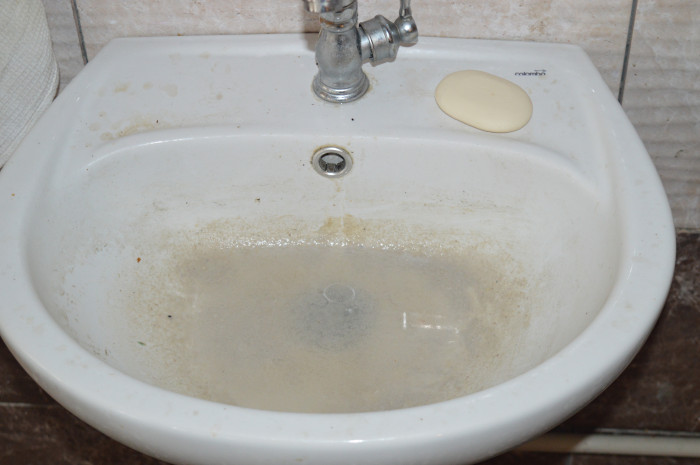
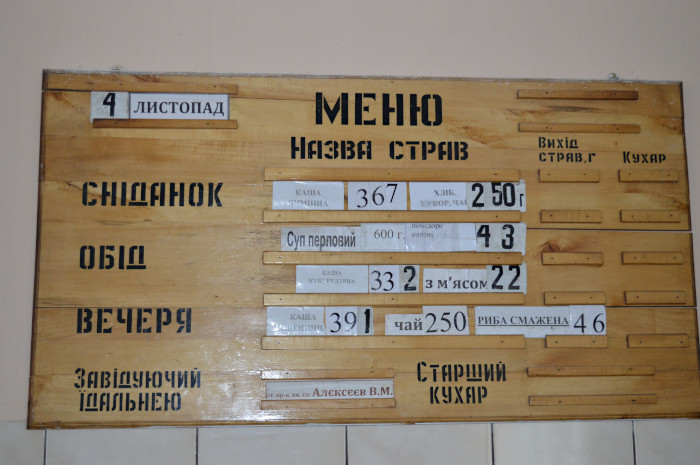
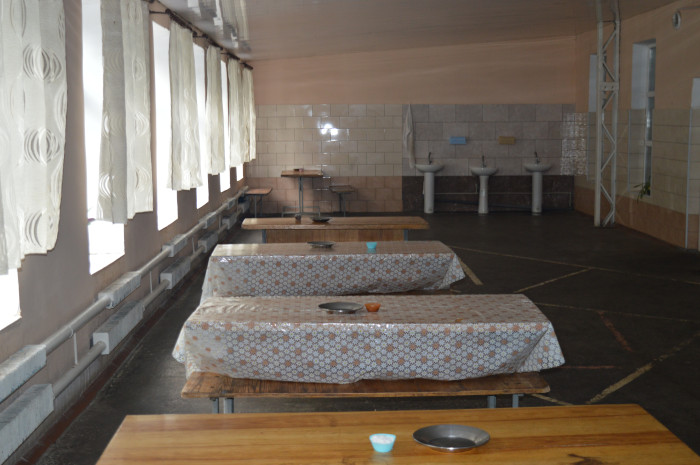
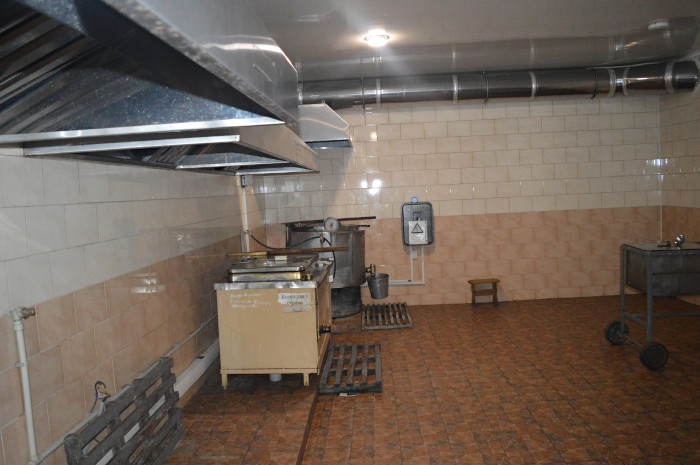
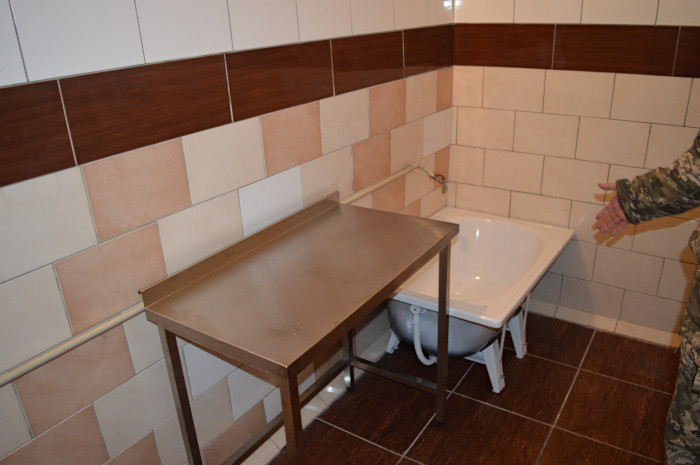
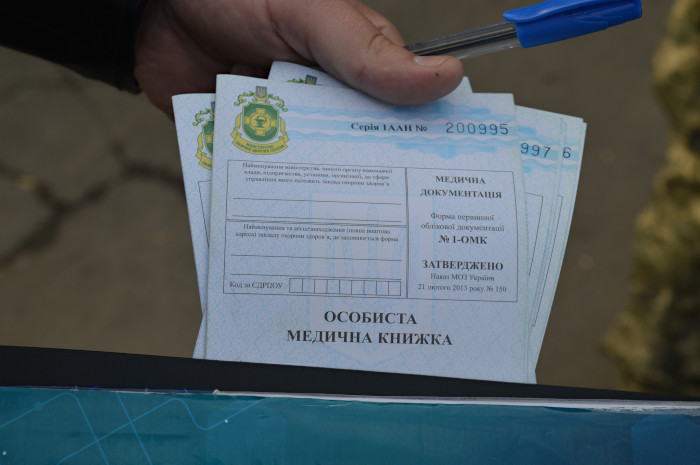
At the entrance to the dining hall, there are three washbasins, a towel, and soap. However, the monitors noticed that there are problems with water supply and sewage. On the wall in the dining hall, there is an information menu board with relevant information. The canteen is bright and spacious. Last year, a major renovation was carried out in the kitchen and new equipment was installed. Another stove will be purchased soon. Persons working in the canteen have properly completed medical records.
Also, during communication with the convicts, it turned out that almost none of them attend breakfast, which may indicate the inadequate quality of the food.
V. DIZO/PKT
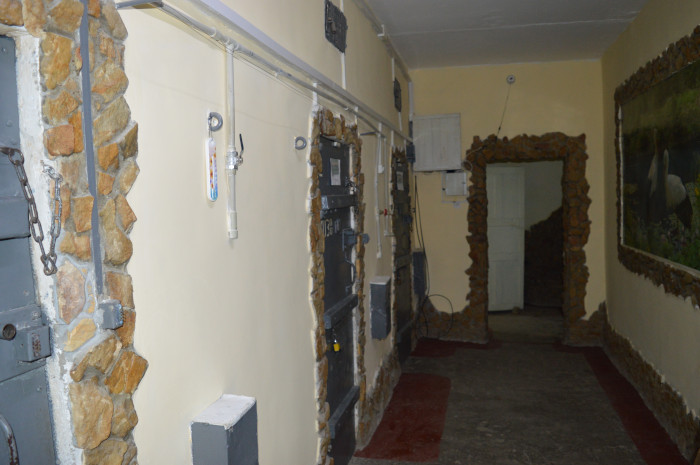
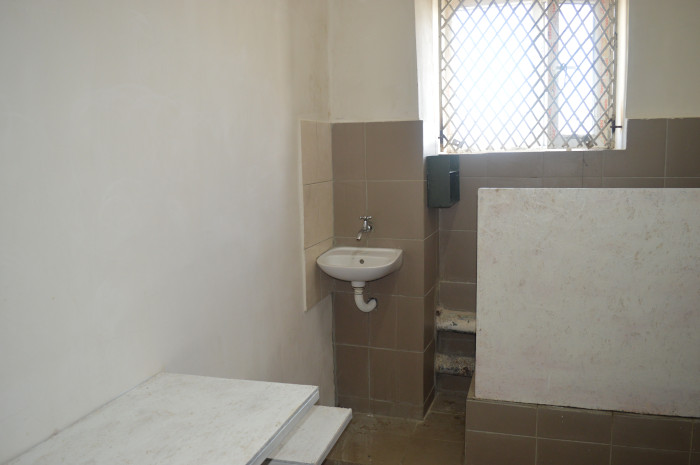
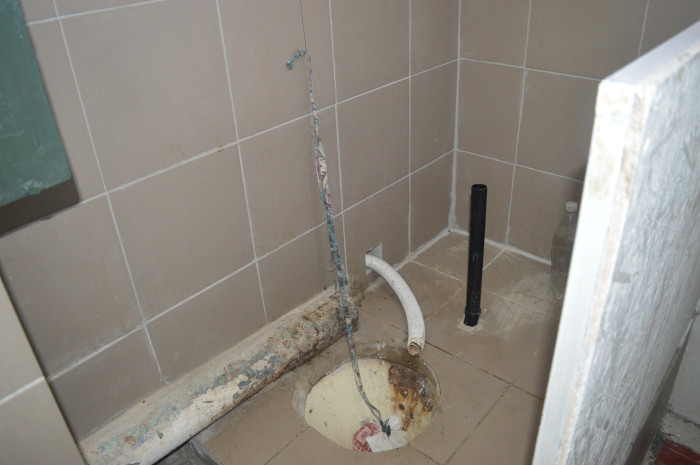
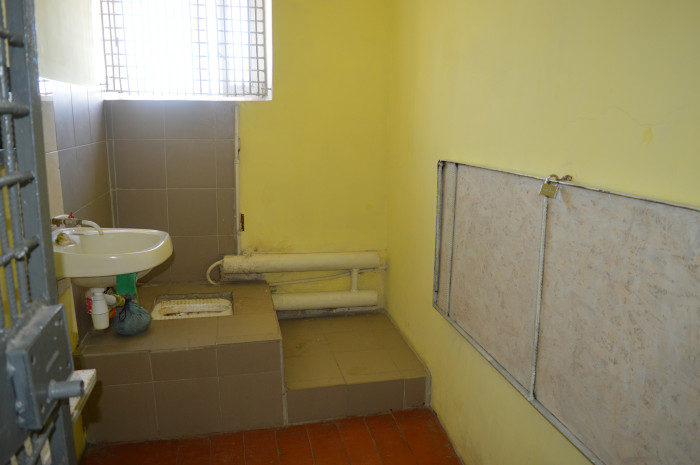
At the time of the visit, there were four people in the disciplinary isolation ward (DIZO). Since the beginning of the year, a disciplinary penalty has been applied 126 times. The disciplinary isolation ward has undergone current repairs. The cells are designed for two people and are sufficiently bright, with double-glazed windows installed. Convicts do not have the opportunity to open the window on their own; they must call a junior inspector for this. Also, there are washbasins and toilets in the cells, but in one cell, the absence of a partition between the toilet and the living area was discovered; in another, there is a hole in the floor instead of a toilet, from which convicts flush sewage using a hose sticking out of the wall. This hole in the floor was closed with a self-made plug. There are no drinking water tanks; convicts are forced to drink water from the tap.
Persons who were in the disciplinary isolation ward had no complaints about the conditions of detention.
VI. Production
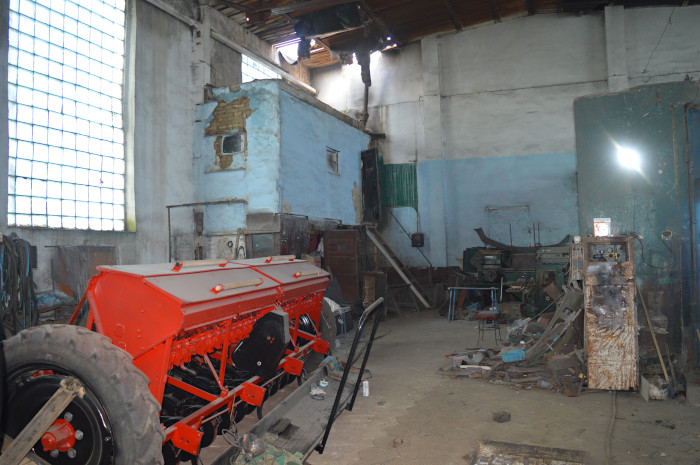
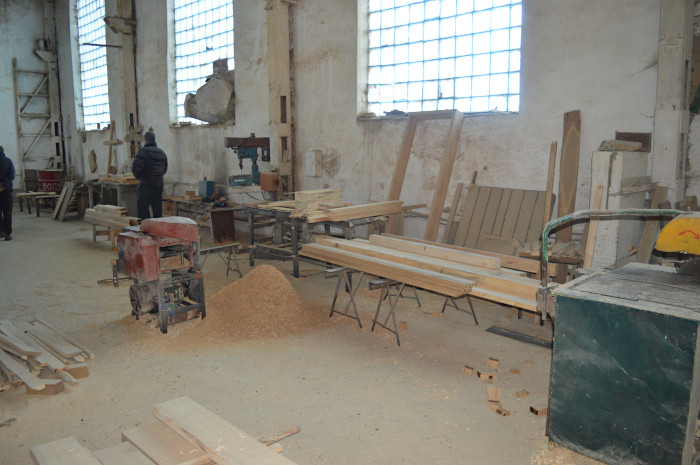
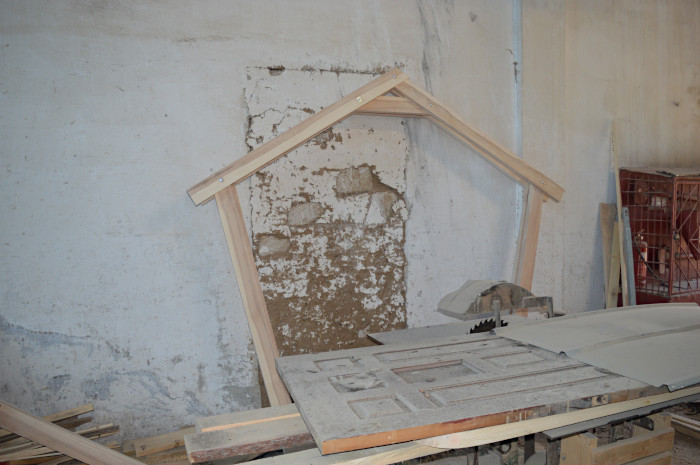
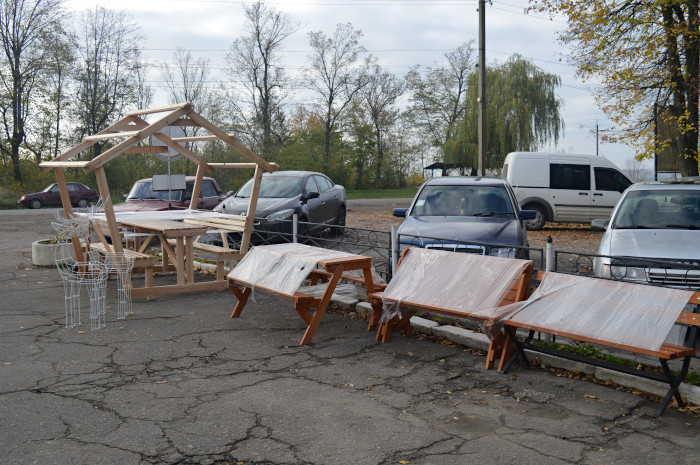
Production in the colony consists of a woodworking shop and a car repair shop. 16 people work in production. In the woodworking shop, they manufacture wooden gazebos and outdoor benches, and in the car repair shop, two cars were being repaired. The monitors noticed that the convicts do not use personal protective equipment, but at the request of the monitors, the convicts confirmed that they are available. According to the workers, they do not prefer to use protective goggles or earmuffs. Also, all workers reported that they work under civil law contracts and receive a monthly remuneration of 1500–1600 hryvnias.
VII. Bath and laundry complex
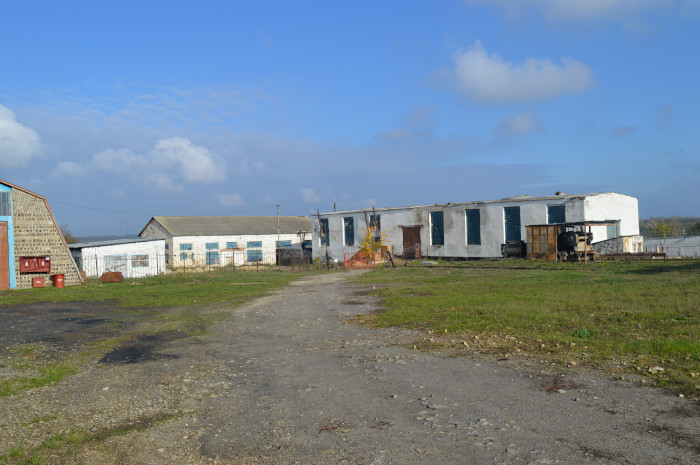
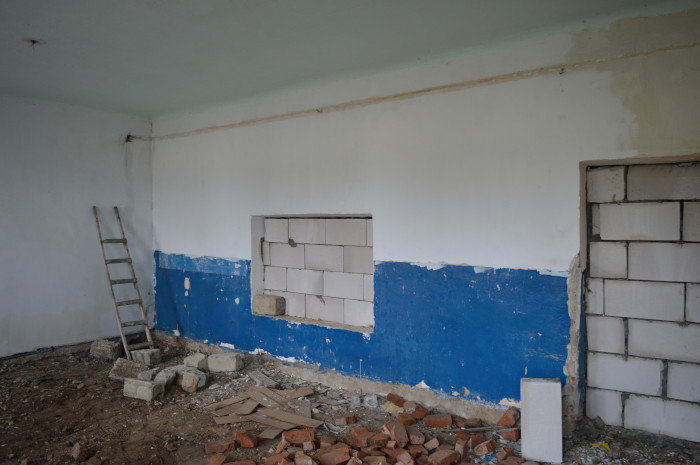
At the time of the visit, the bath and laundry complex was not working due to ongoing major repairs. Convicts have the opportunity to wash in the boiler room (1 shower stall) and at the production site (2 shower stalls).
EU Project “Combating Torture, Ill-Treatment and Impunity in Ukraine”