Report on the monitoring visit to Bilenkivska Correctional Colony No. 99
I. General information
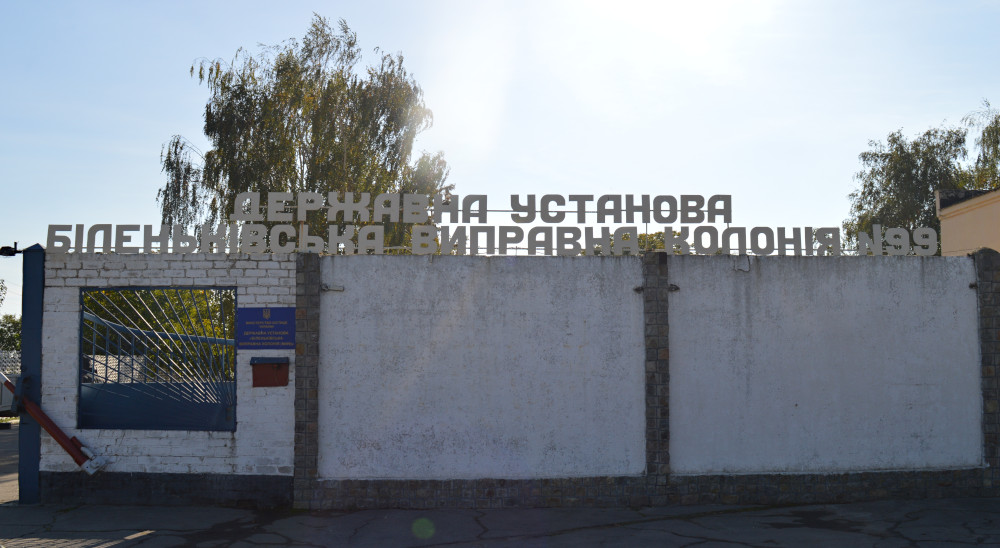
On 21 October 2020, a KHPG monitoring group consisting of assistant to the People’s Deputy of Ukraine Maksym Revyakin and two journalists – Pavlo Shvab and Hanna Ovdiienko – visited the SI ‘Bilenkivska Correctional Colony No. 99’. The institution is located in the village of Bilenke, Zaporizhzhia district, Zaporizhzhia region – on the shore of the Kremenchuk Reservoir, fifty kilometres from the city of Zaporizhzhia.
This colony is a medium-security correctional institution for men sentenced to imprisonment for the first time. The planned capacity of the colony is about 1000 persons. On the day of the visit, there were 424 persons in the colony.
Before entering the colony, the monitors had their documents checked, underwent temperature screening, and were finally admitted to the secured zone. The monitors were offered gloves and masks, but they had their own.
II. Living quarters
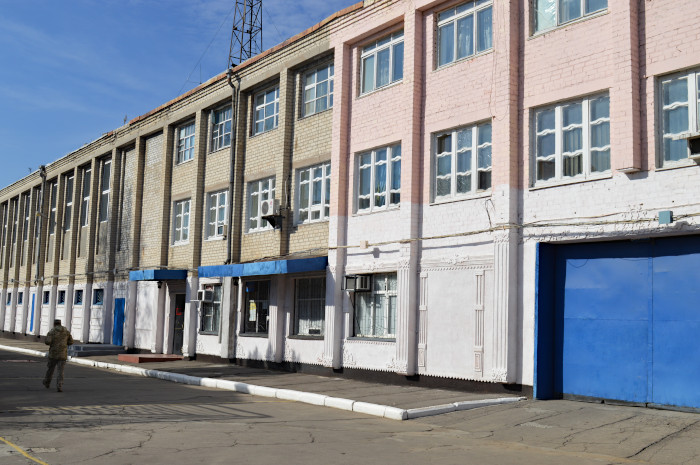
First, the monitors visited the institution’s residential unit No. 1. All residential units of the institution are of a block type.
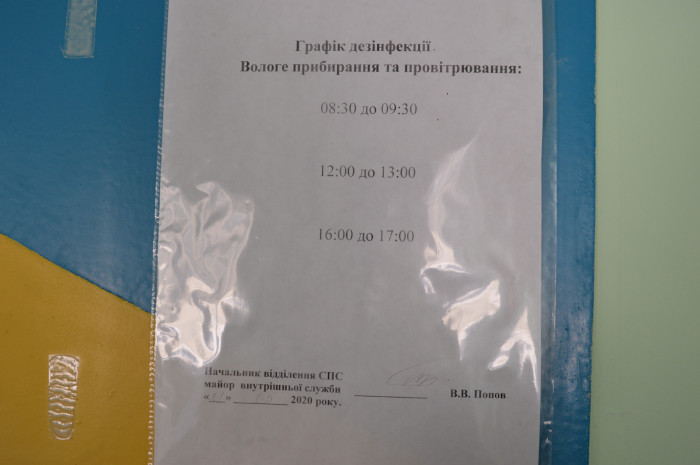
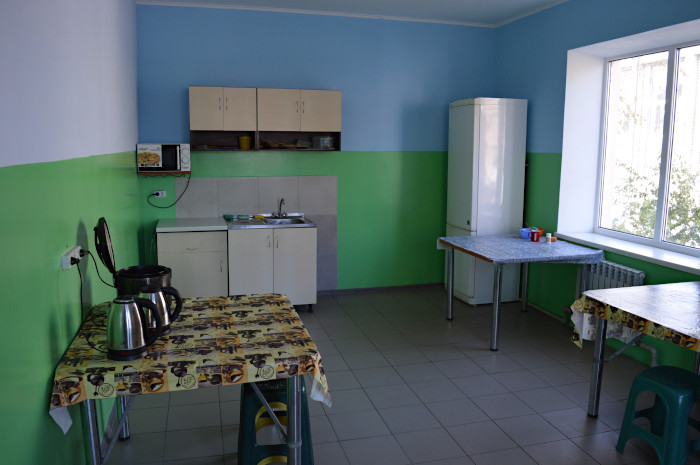
According to a colony representative, major repairs were carried out in this unit two years ago. On the ground floor, a section for isolation has been set up for the quarantine period in case of detection of the COVID-19 coronavirus disease. On the first floor is the unit where approximately 30 inmates were staying. A lot of sunlight enters the rooms, so it is light and clear. uPVC windows are installed in the rooms. Persons serving sentences can open windows for ventilation. Each room is designed for six persons. Each room has a television, a separate toilet, and a shower cubicle. The unit has a recreation room. The dining room has a refrigerator, electric kettles, a microwave, a multicooker, and necessary kitchen utensils. A disinfection schedule is available, but there is no schedule for the performance of disinfection.
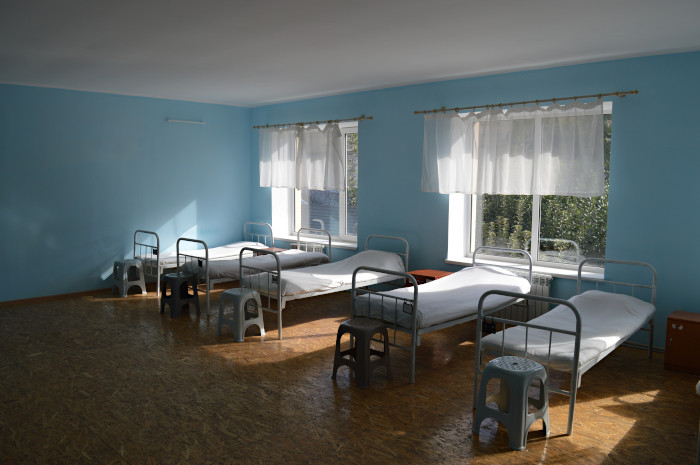
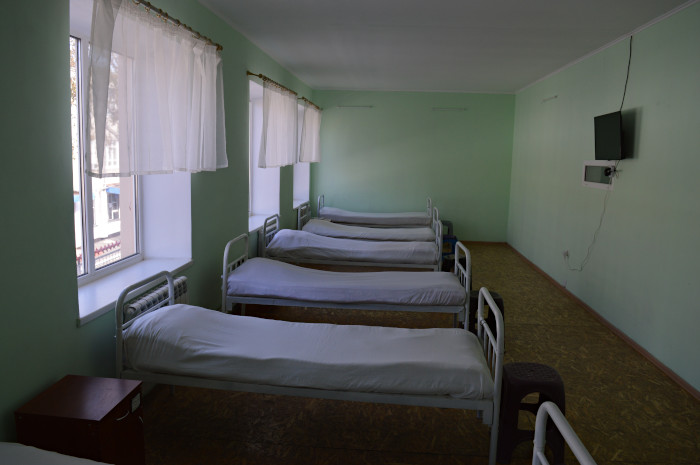
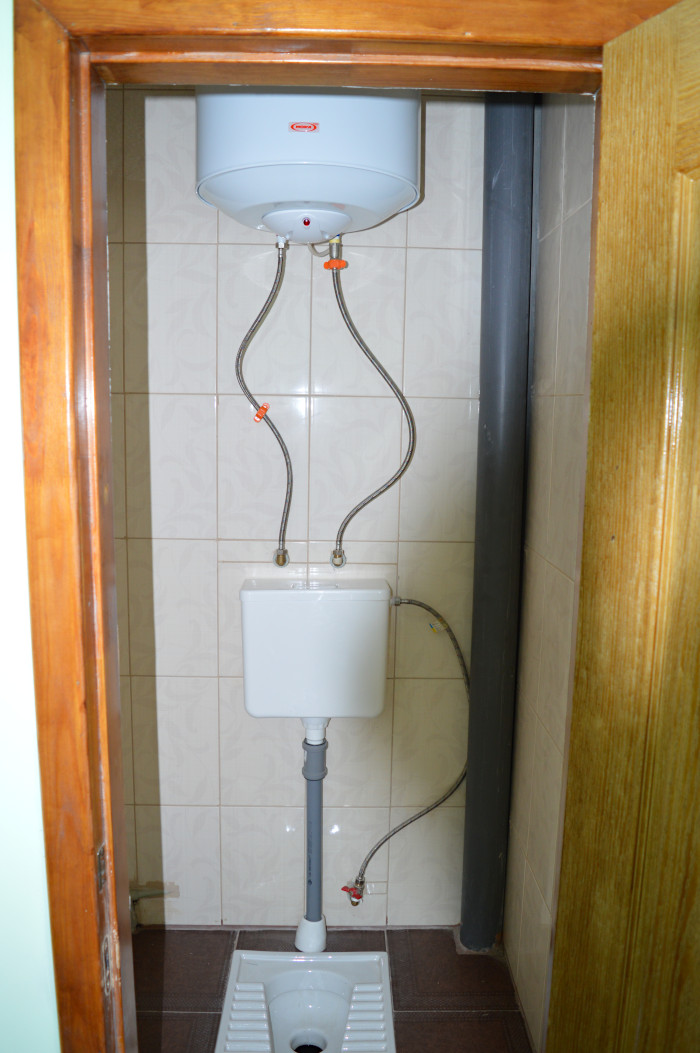
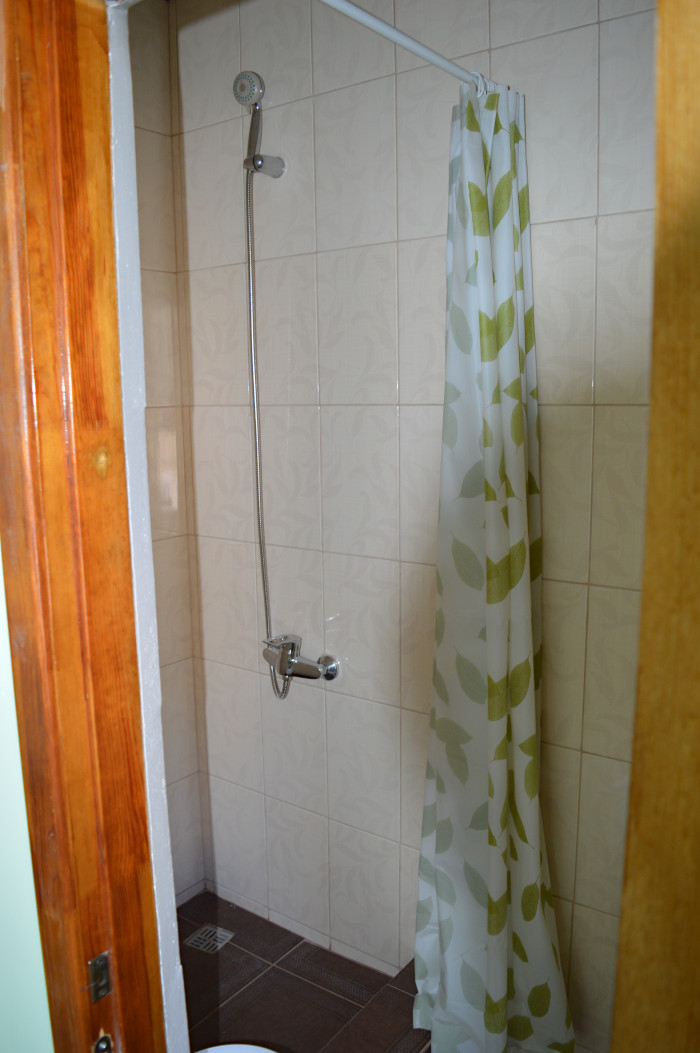

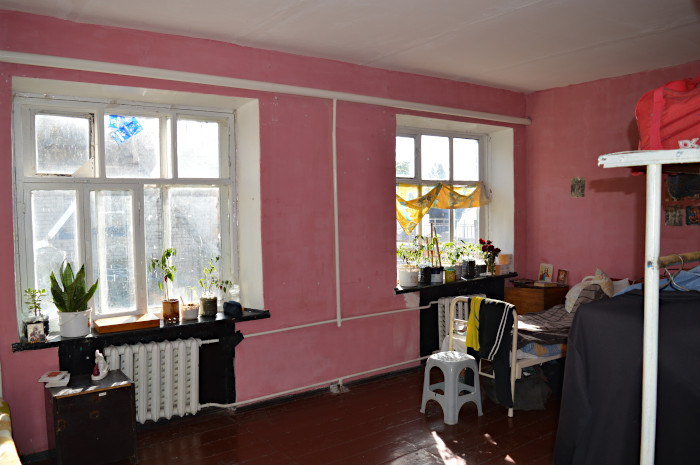
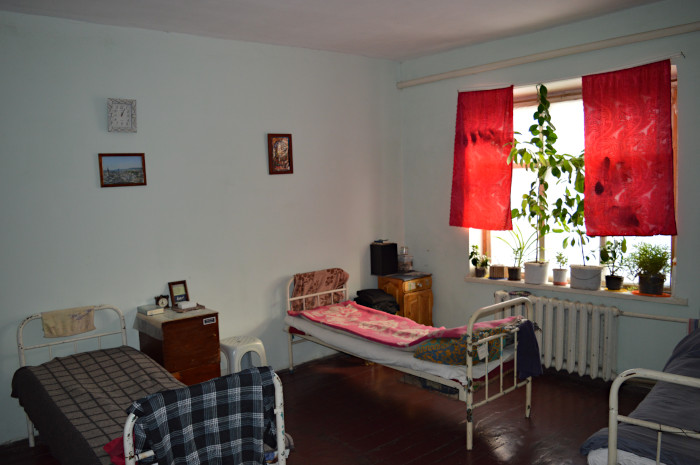
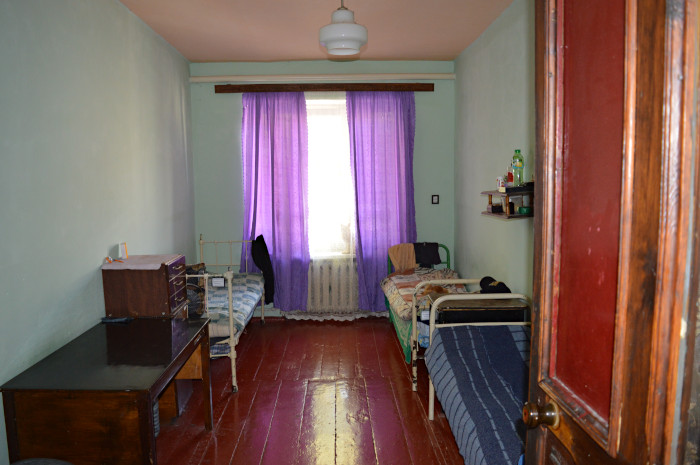
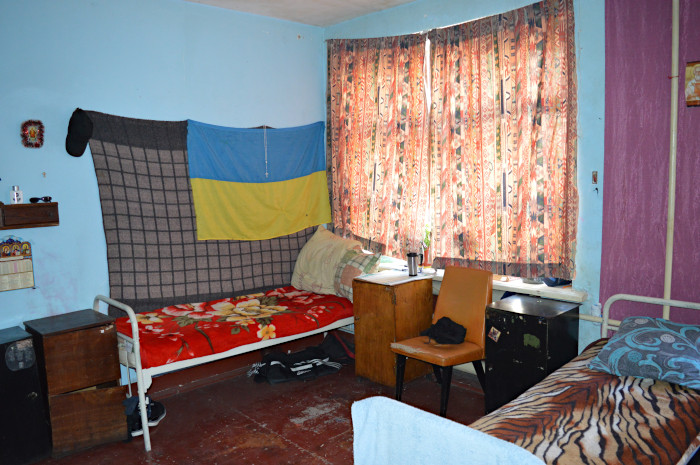
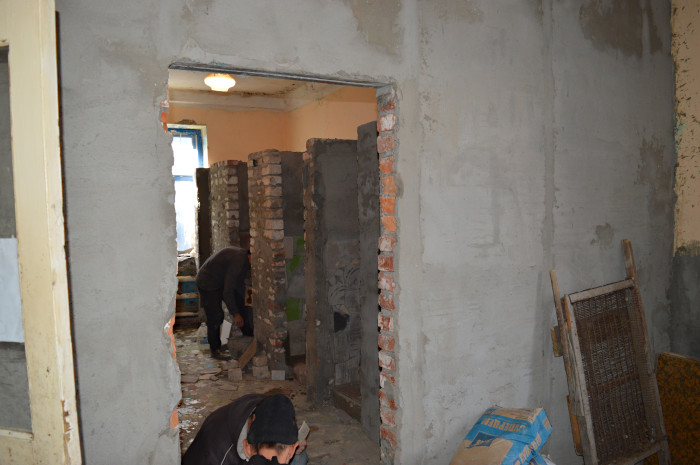
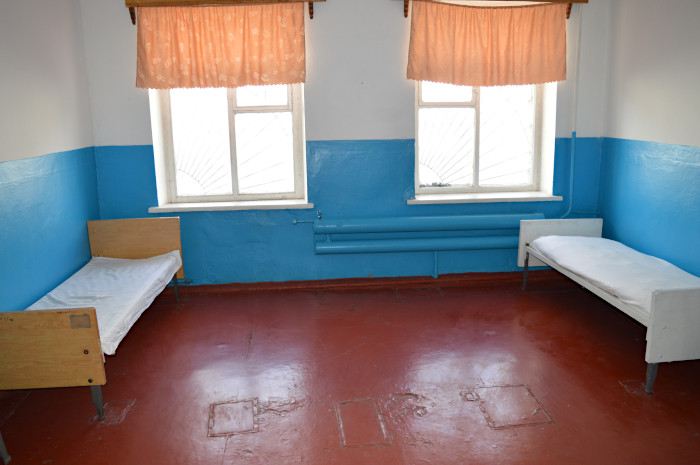
However, other residential units are worse. In some rooms, cosmetic repairs have been carried out, but most premises require major repairs. The windows in the rooms are wooden and curtained with rags. In a room, mostly eight to ten persons are held. The sleeping rooms are cluttered with bags of belongings that should be stored in the property room.
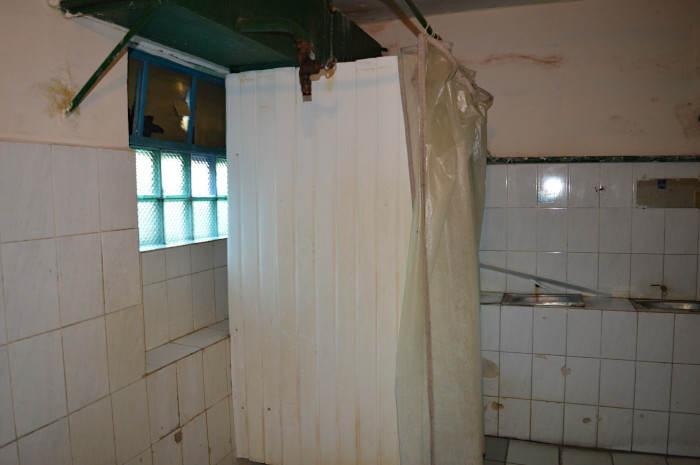
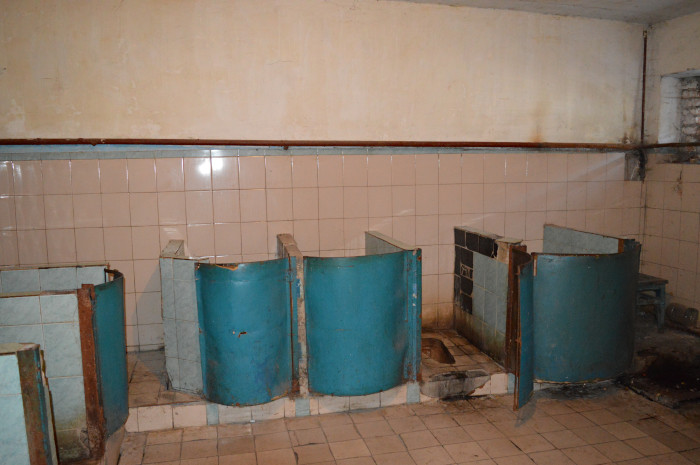
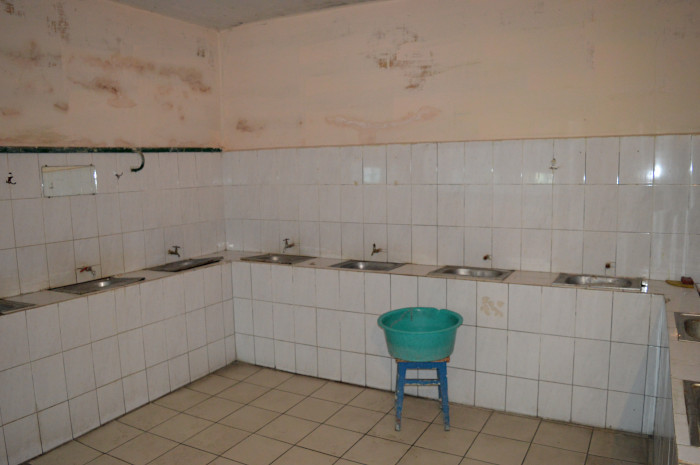
Toilets are located in the yard – one for two units. The toilets are in an emergency state. There is a specific unpleasant odour, and in the hand-washing room, there is mould on the walls. Washbasins are installed in the sanitary facilities, dampness is felt in the premises, and there are traces of mould on the walls.
However, in one of the units, a sanitary facility has been set up in the living area itself. Such privileges are granted because 100 per cent of the inmates in the unit are employed in production.
In all residential units, boiled drinking water is absent.

III. Bath and laundry complex
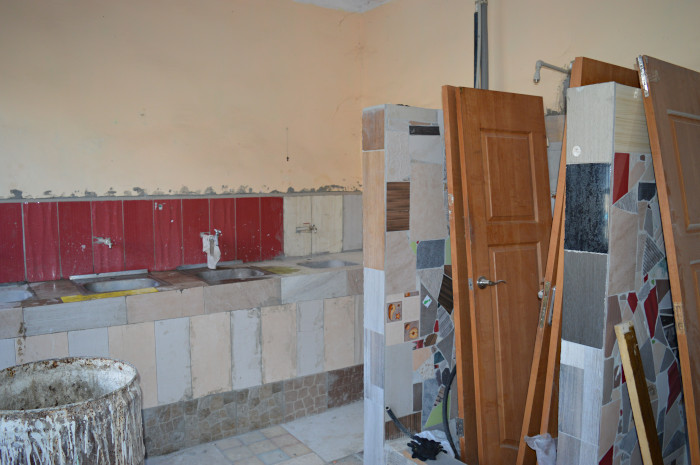
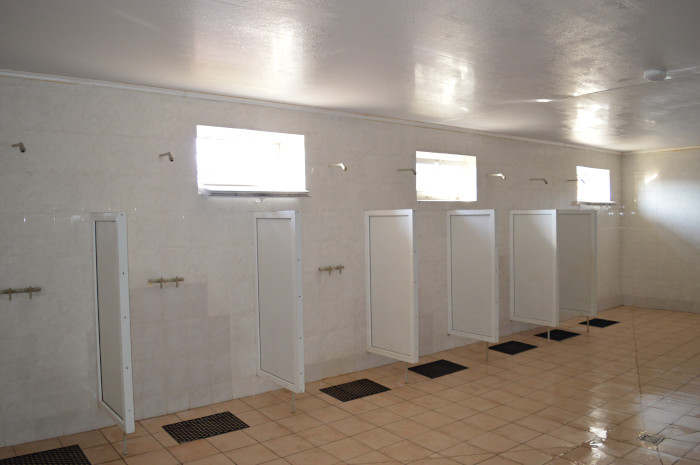
Next, the monitors visited the bath and laundry complex, which was completely renovated a year ago. At the time, the bath procedures for inmates had just ended, so there was steam, and curtains and shower heads were missing, as they were being dried for the next visits. Mats are available. There is a paramedic’s room for examining bodily injuries in inmates. The monitors positively note the privacy of the examination.
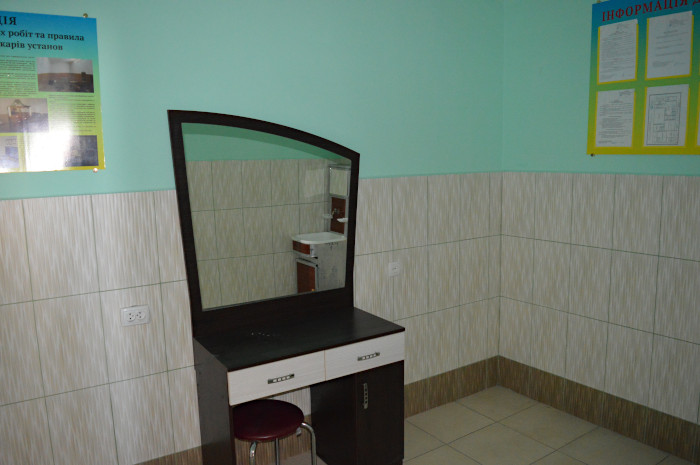
There is also a barbershop, where services are provided free of charge.
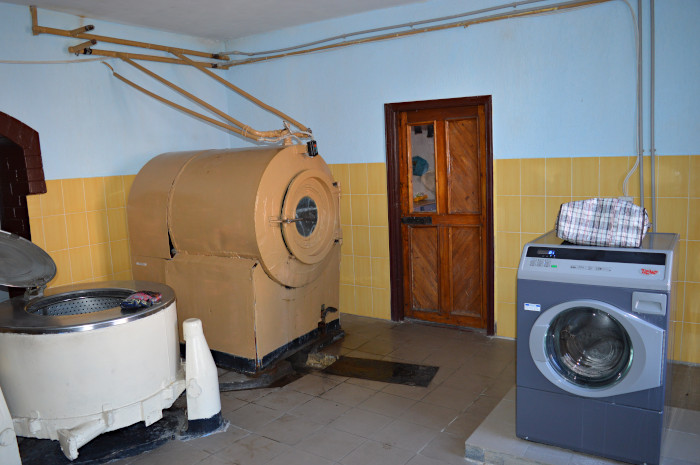
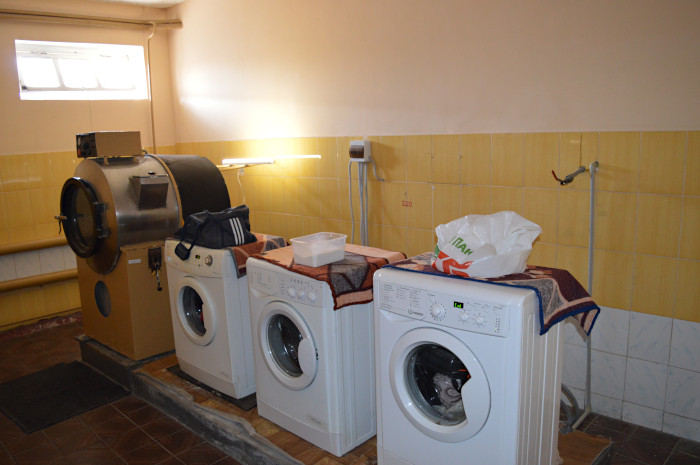
A year ago, new washing machines, which are more economical and efficient, were purchased in the institution. The capacity of the washing machines is sufficient to service the needs of all inmates.
IV. Canteen
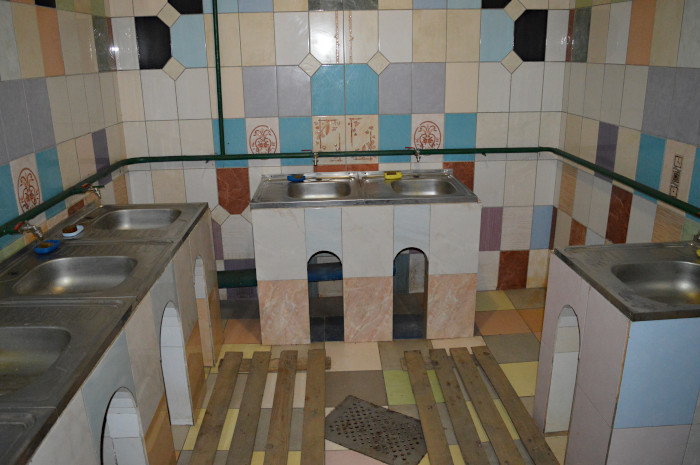
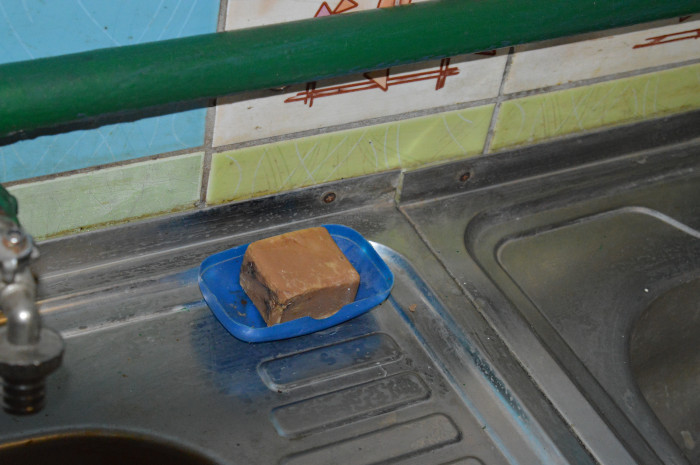
At the entrance to the canteen, there are washbasins. Next to each washbasin, there is soap. It is clear to the naked eye that the soap is actually used.
At the entrance to the kitchen, the monitors were given white coats.
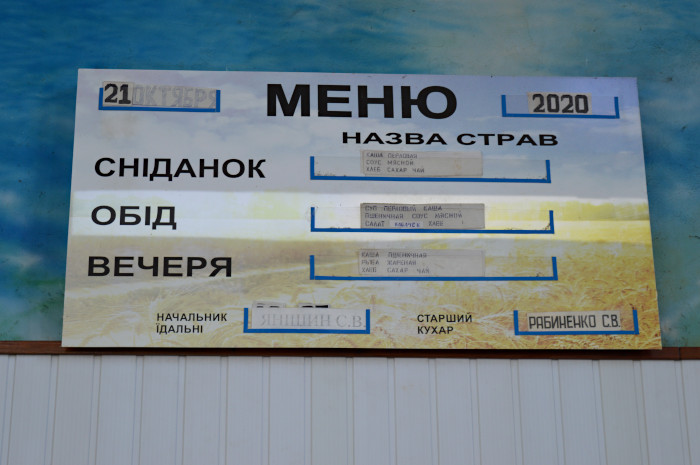
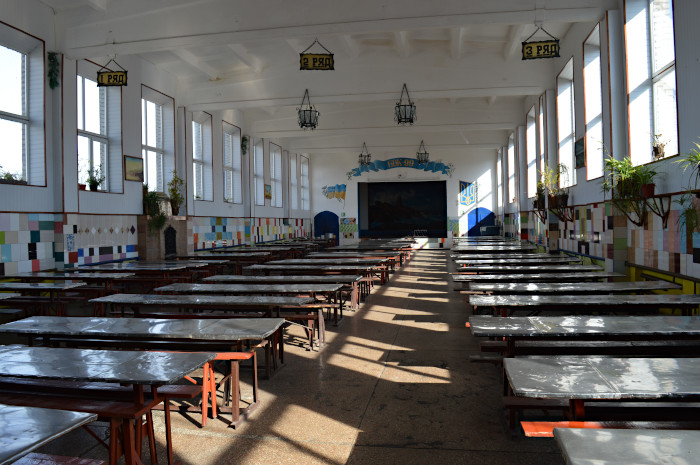
The canteen premises are designed for 700 persons. It is located on the first floor. The stairs are too steep. Inmates can get to the canteen both from the industrial and the residential zone. There is an information menu in the canteen.
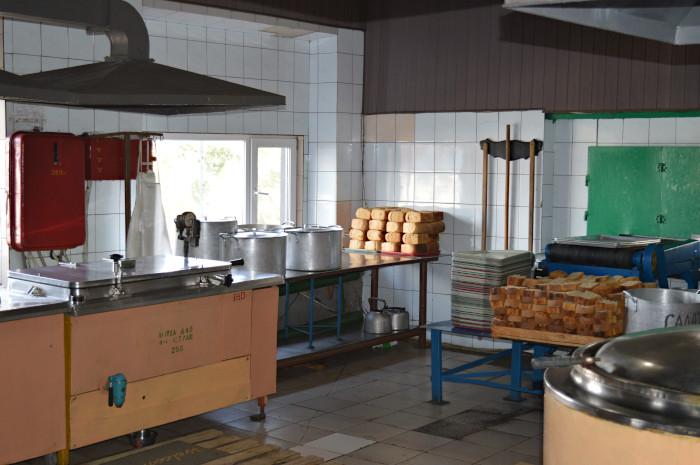
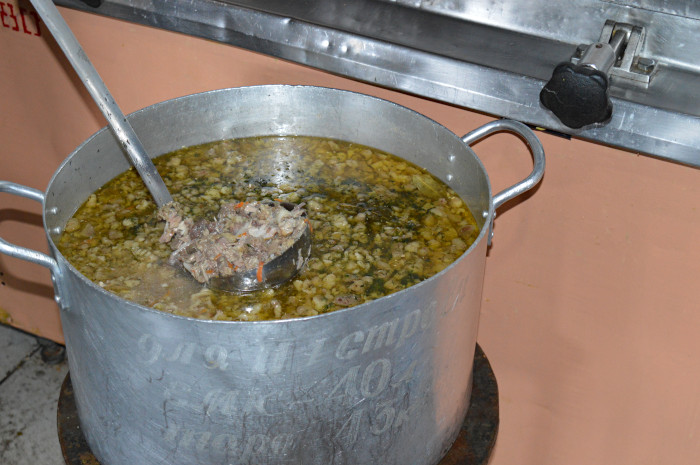
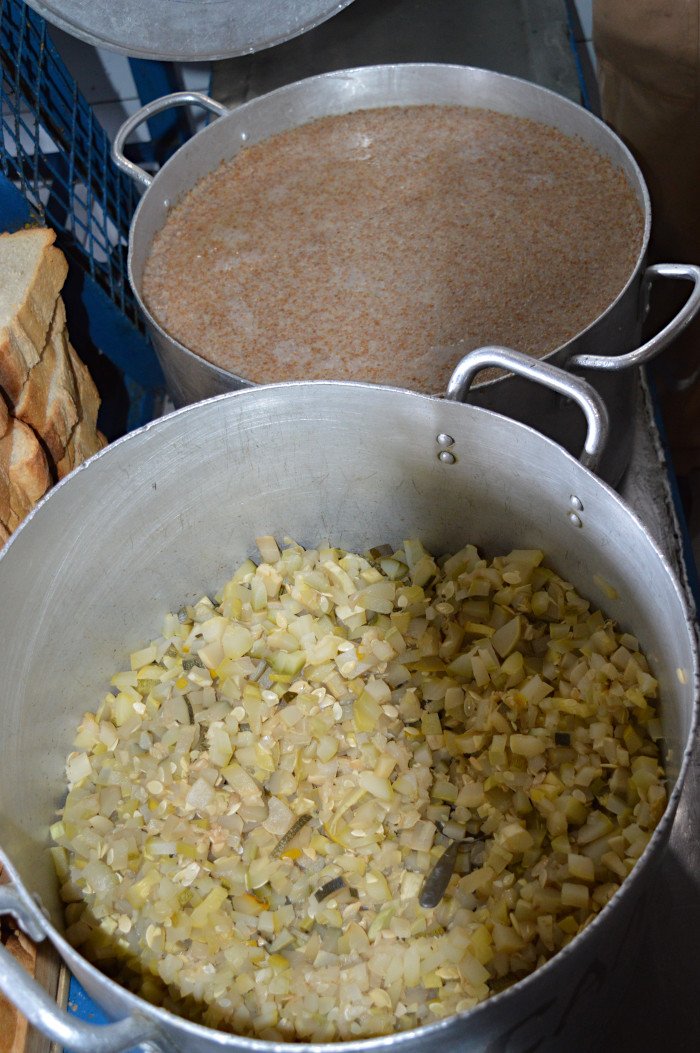
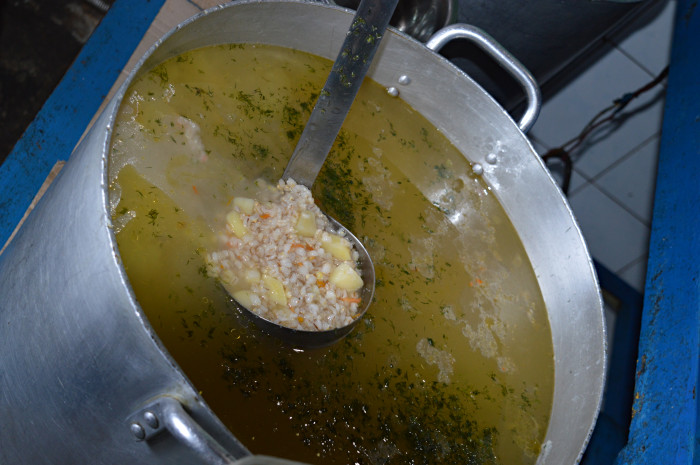
The kitchen is renovated. Unlike kitchens in other institutions, it smelled of freshly prepared meat. When asked about medical certificates, the head cook said that they were outside the secured zone, so he could not show them.
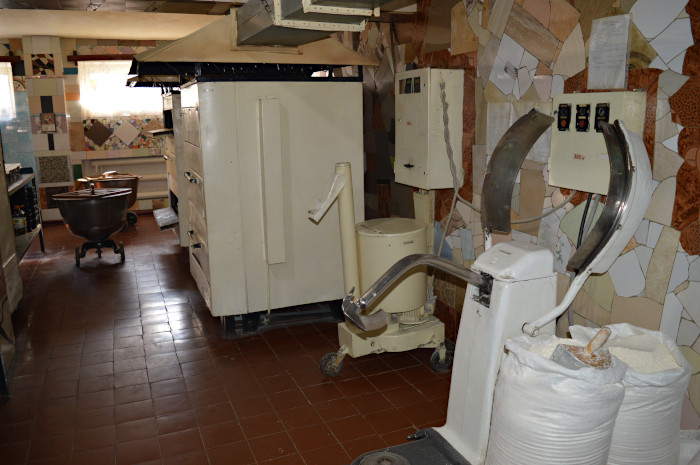
The institution has a bakery and a backup wood-fired bakery, which is used during power outages.
V. Production and workshops
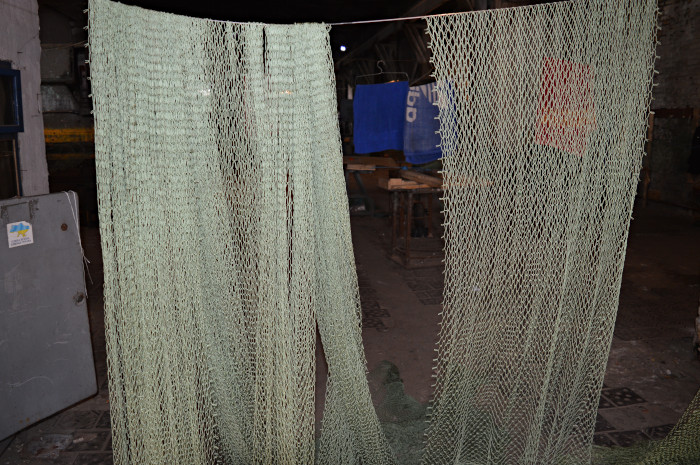
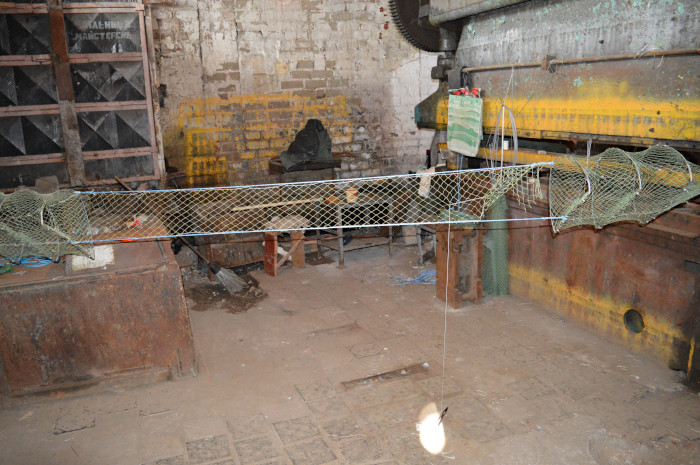
There is a workshop and production in the colony. The workshop is represented by a sewing shop and a shop for weaving fishing nets. 106 inmates work in the institution.
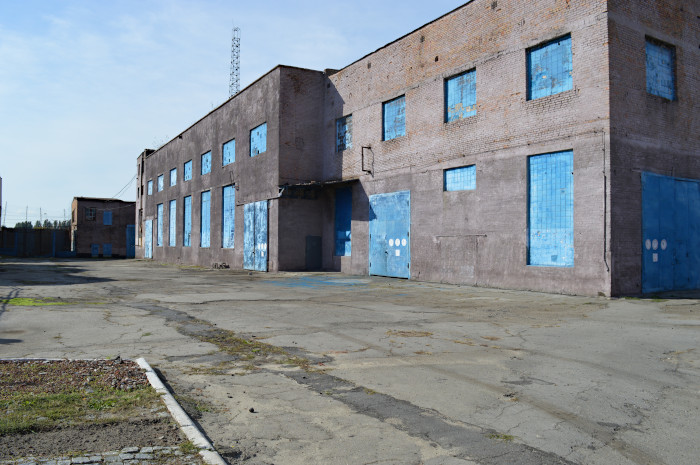
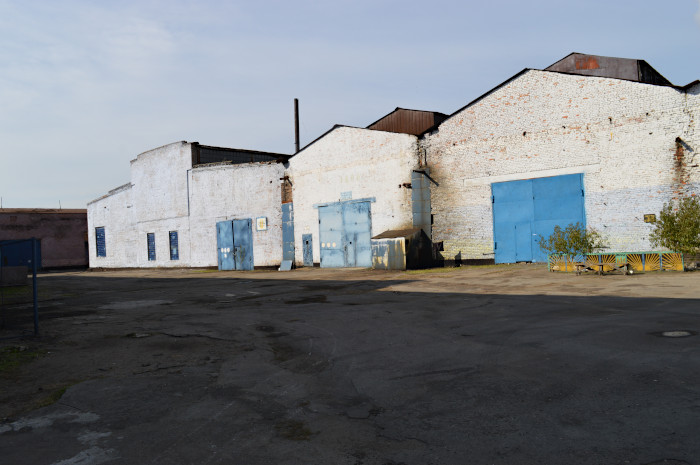
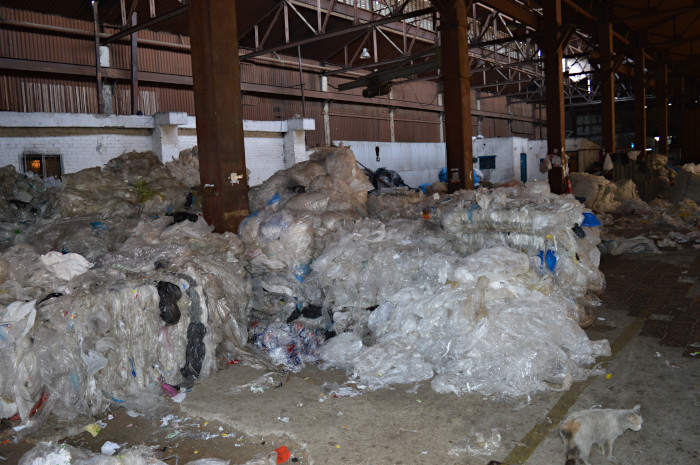
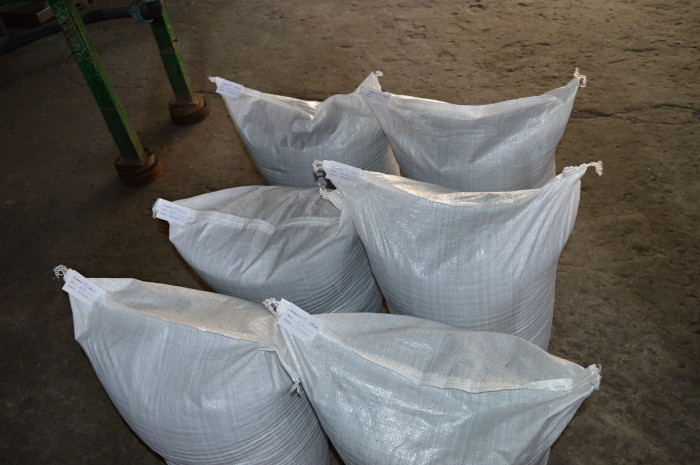
The territory of the industrial zone is very large, but most of the objects are mothballed. At the present time, in connection with the reduction of orders in the colony, production is represented only by polyethylene recycling and metalworking.
According to the production director, in past times, production was larger and was aimed at the manufacture of components for agricultural machinery. He also emphasised that the inmates have no desire to work.
At the same time, when the monitors asked a crowd of inmates about the amount of salary, they laughed and did not provide an answer. The deputy head of the colony noted that the inmates work under civil law contracts.

VI. DIZO/PKT
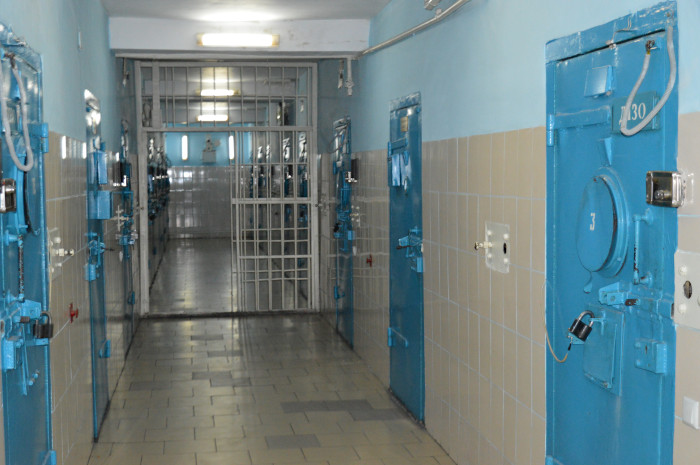
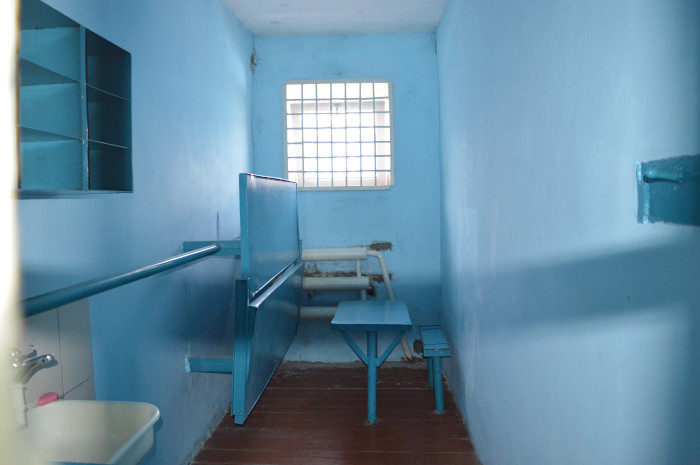
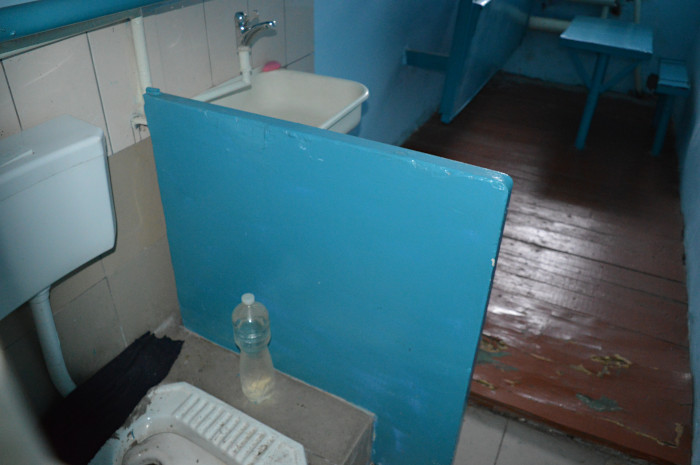
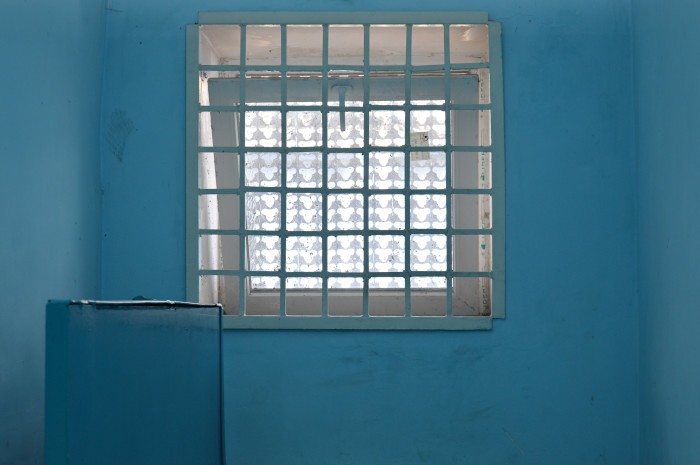
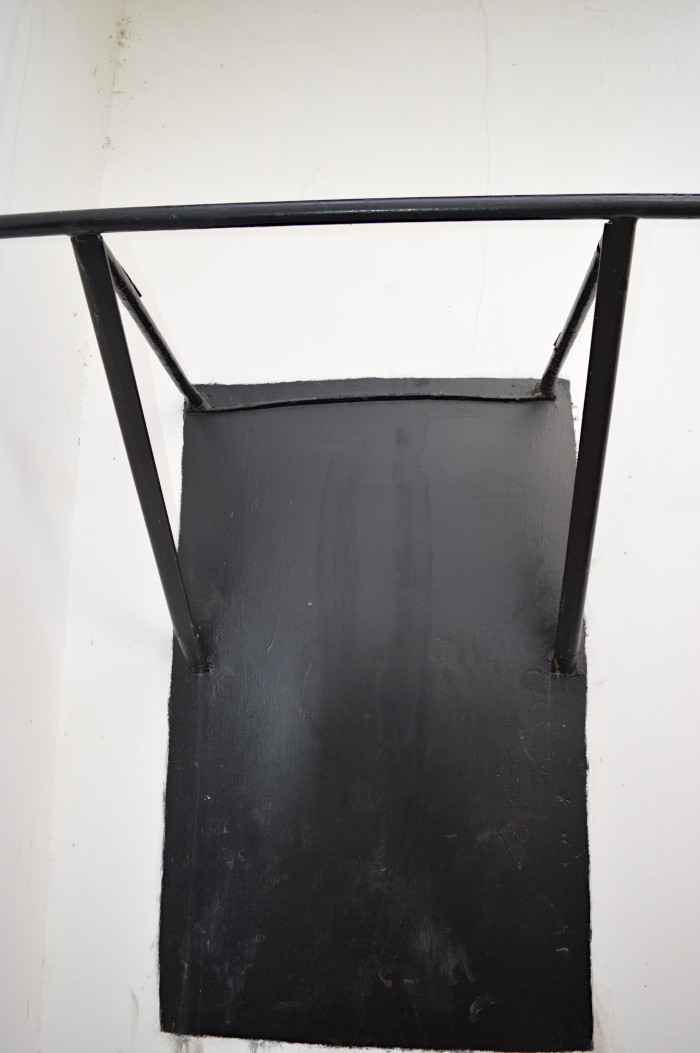
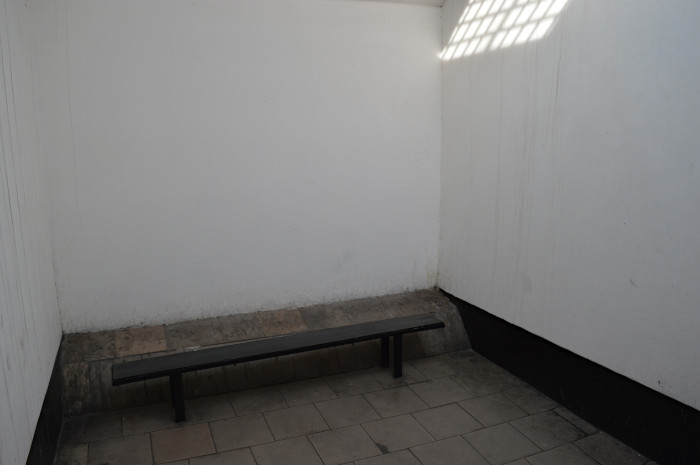
At the time of the visit, 14 inmates were in the institution's DIZO. In total, since the beginning of the year, 256 persons had been subjected to a disciplinary sanction in the form of placement in the DIZO, and 5 had been in the PKT.
The DIZO cells have undergone cosmetic repairs. All cells are equipped with uPVC windows. The exercise yards, in accordance with the Ombudsman's recommendations, are equipped with sports equipment.
VII. Medical unit
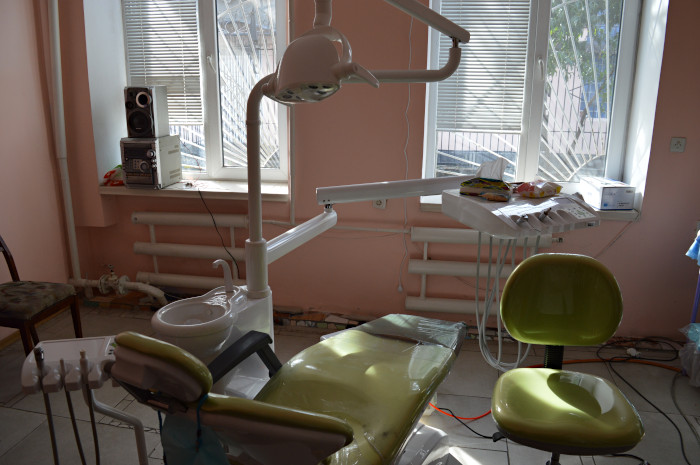
Of the senior medical personnel in the medical unit, only the head of the medical unit – a therapist – and a dentist work there. In the medical unit, there is a digital fluorograph and instruments for conducting laboratory analyses. A dental office is also equipped. The dentist visits the institution twice a week and performs not only extractions but also dental treatment. This is a plus.
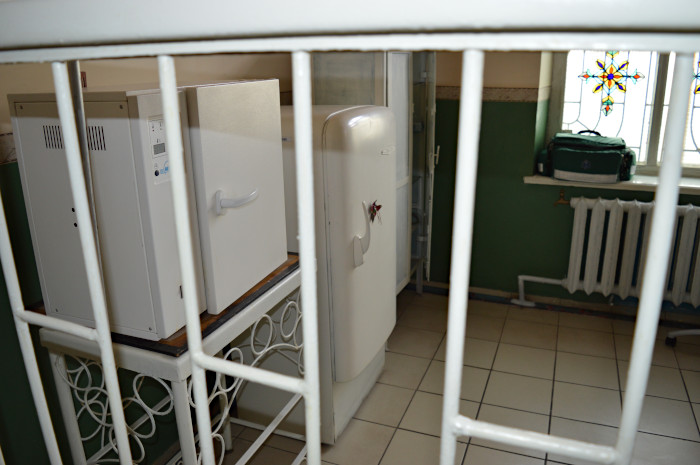
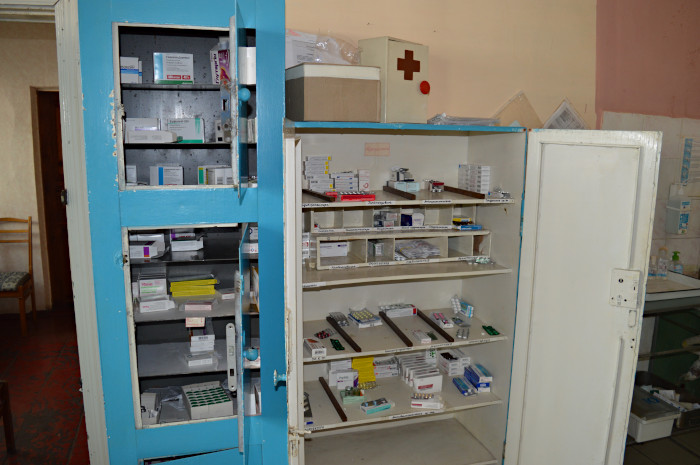
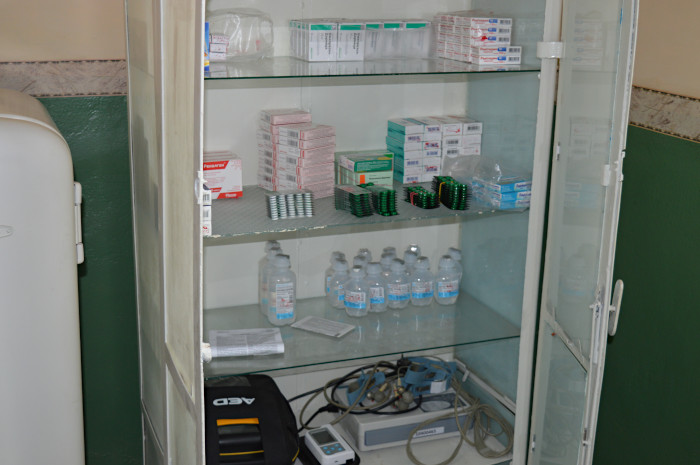
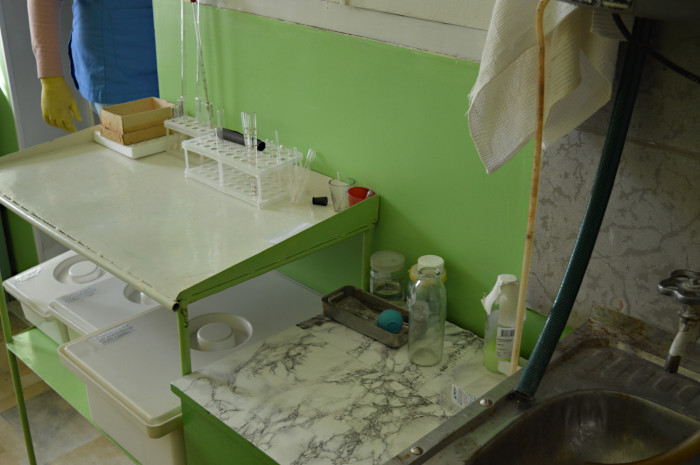

The institution is fully provided with medical supplies. Unlike other institutions in the region, they perform tests for HIV viral load every three months and determine the level of CD4 cells. Inmates did not complain about the quality of medical assistance.
EU project ‘Resisting torture, ill-treatment and impunity in Ukraine’