Report on the monitoring visit to State Institution ‘Sofiyivska Penal Colony No. 45’
I. General Information
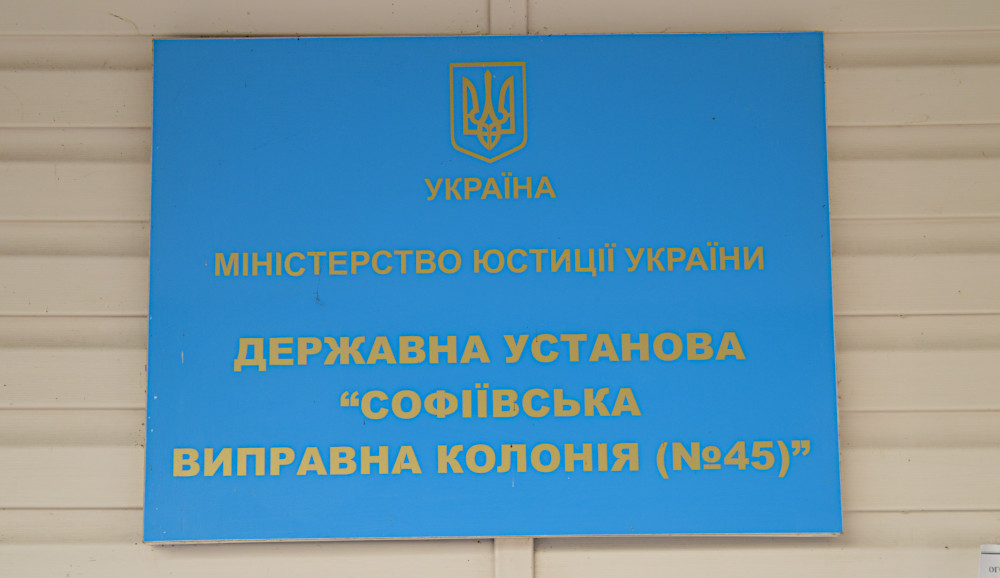
On 1 October 2020, the monitoring group, consisting of People’s Deputy assistant Maksym Revyakin and two journalists, Hanna Ovdiienko and Pavlo Shvab, visited the State Institution ‘Sofiyivska Penal Colony No. 45’. This is a medium-security facility for men sentenced to fixed-term imprisonment. A distinctive feature of the institution is the accommodation of persons with Group I and II disabilities who require constant medical supervision and rehabilitation. The institution is located in the village of Makorty, Dnipropetrovsk region, which was built specifically to serve the colony in the 1950s. The planned capacity of the institution is 1,202 people. At the time of the visit, there were 312 people in the institution, about 100 of whom are persons with disabilities.
At the entrance to the institution, the monitors underwent a temperature screening and were issued protective suits and gloves, as well as being offered masks. According to the colony’s representatives, the personal protective equipment was purchased at the administration’s own expense.
II. Medical Unit
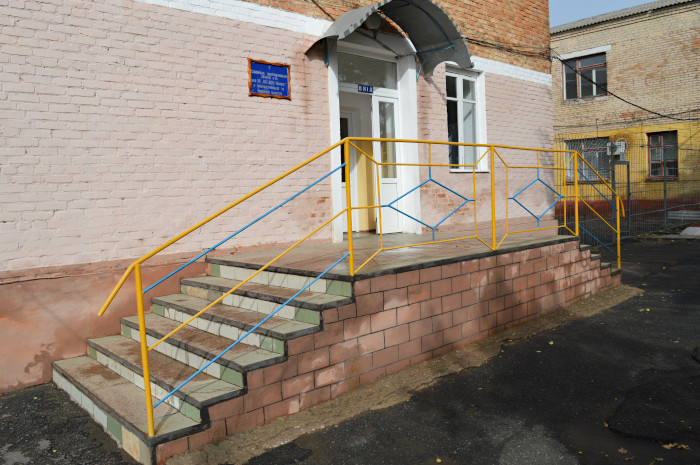
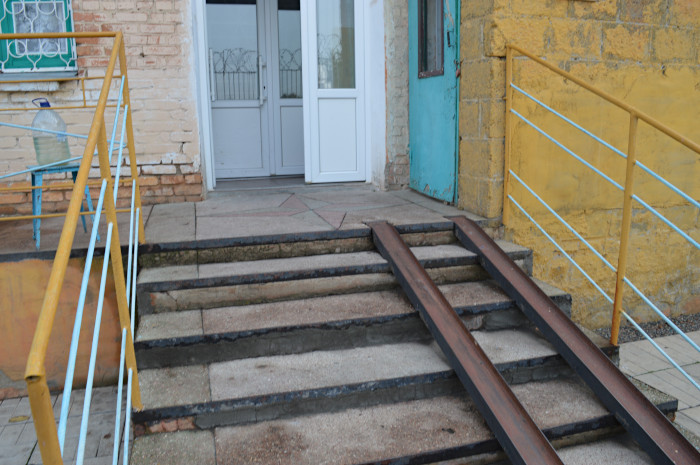
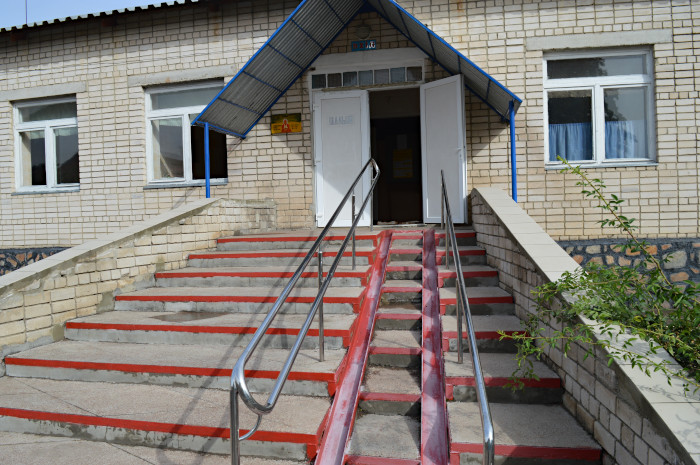
The medical unit is located in a two-storey building. The entrance to the medical unit is not equipped with a ramp. In front of the entrance is a high porch with six steps. In particular, the side exit is equipped with a ramp that is completely unsuitable for use by persons with disabilities. On the first floor, there are doctors’ offices and manipulation rooms. On the second floor, the inpatient wards are located. There is no lift or special hoists.
Before inspecting the premises, the monitors attempted to speak with the head of the medical unit, who initially refused to comply with the requirements of Article 24 of the Criminal Executive Code of Ukraine and referred to an instruction from the head of the Healthcare Centre of the State Penitentiary Service of Ukraine not to communicate with journalists or assistants to People’s Deputies of Ukraine. In a rude manner, she began to demand permits for speaking with her that were not provided for by public regulations. After the monitors attempted to film the conversation, the head of the medical unit immediately changed her behaviour and began to answer questions. After the conversation, the monitors thanked the head and informed her that they needed to speak with the convicts and photograph the conditions of detention in the medical unit, to which the head replied that she would not allow any photographs to be taken. However, during the subsequent inspection and documentation of conditions in the medical unit, the head did not create any obstacles.
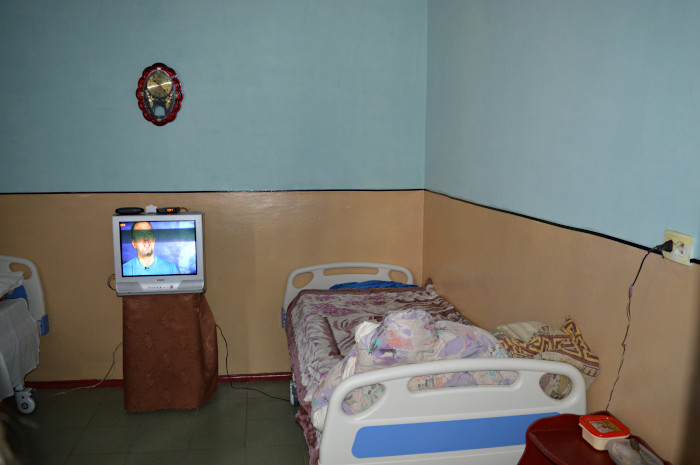
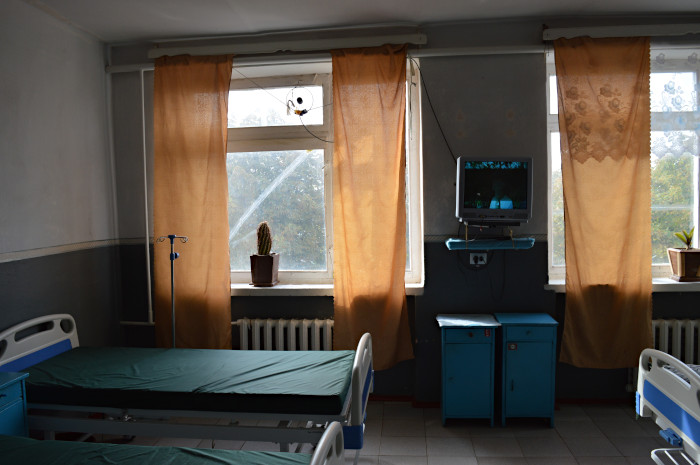
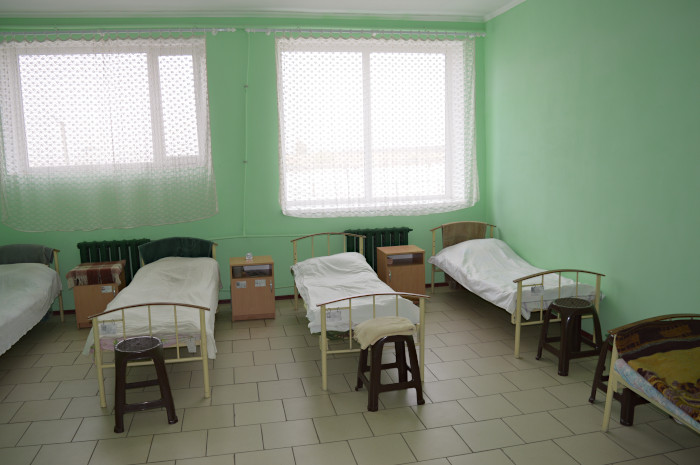
At the time of the visit, 44 people were receiving inpatient treatment. Convicts are housed in four- and eight-bed wards. The wards are not fully occupied – there were 2–4 people per ward. We would like to note that the beds are modern and comfortable. The repairs in the wards are cosmetic. There are televisions and bedside tables.
The monitors note that, despite the large number of sick convicts in the institution, over the last three years, not a single person has been recognised as eligible for release due to health reasons.

III. Living Zone
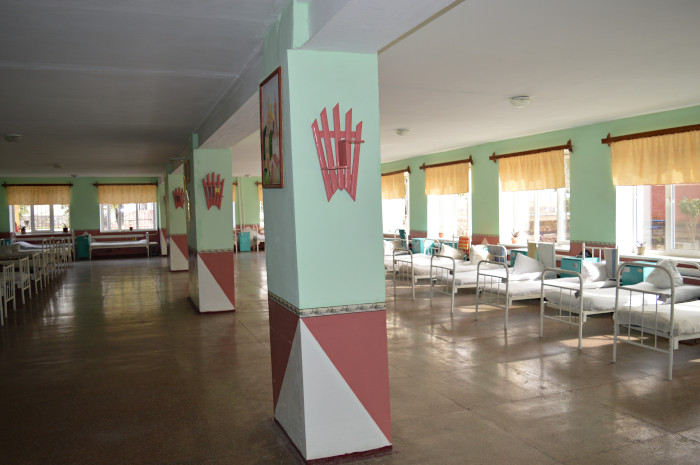
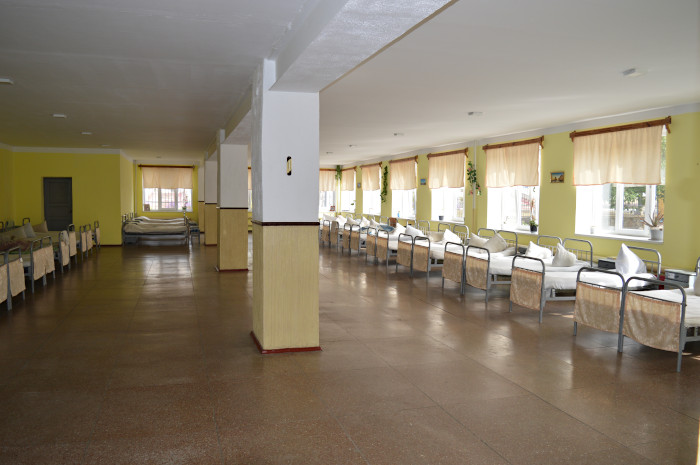
The living zone consists of 12 units, five of which are mothballed. Among the occupied units, two have a block system and five are of the barracks type.
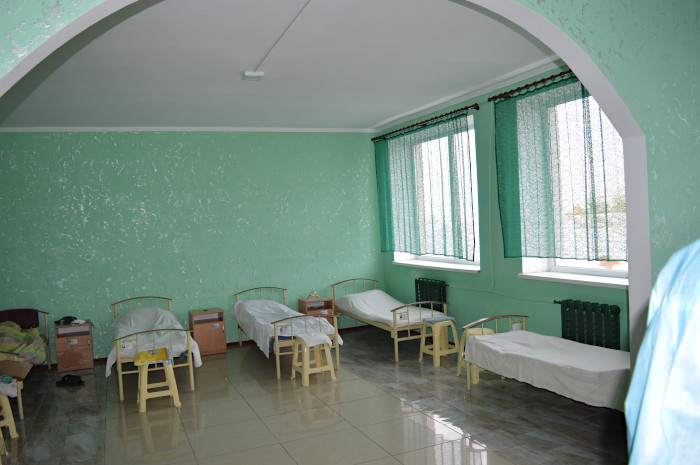
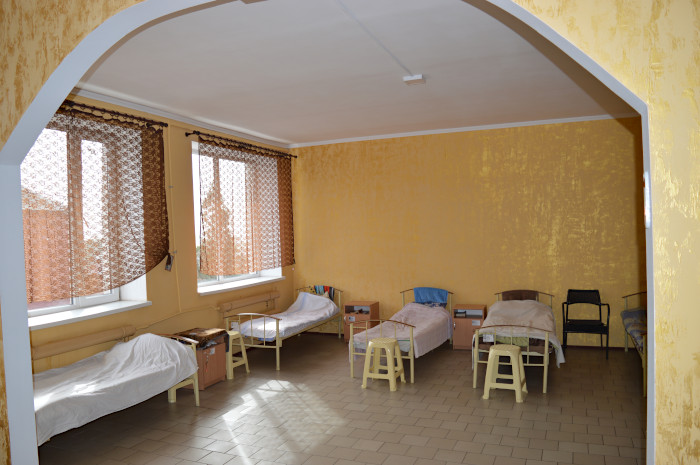
The living quarters are 80 percent equipped with metal-plastic windows. The sleeping areas of the barracks system are quite spacious. The beds are placed along the perimeter of the rooms, and in the centre, there is plenty of free space – unlike in other institutions where this space is also occupied by beds. The rooms receive sufficient sunlight.
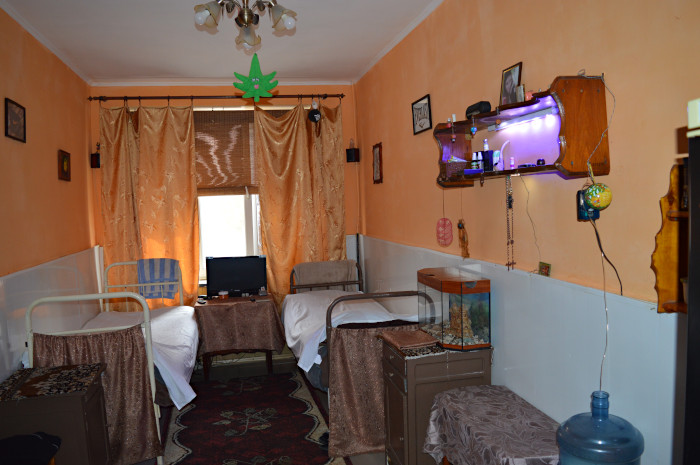
In one of the block-system units, renovations were recently completed. There are no inter-room doors between the rooms in the unit. The interior of the blocks is executed in different colour schemes. Between themselves, the convicts and the administration call them the ‘green room’ and the ‘golden room’.
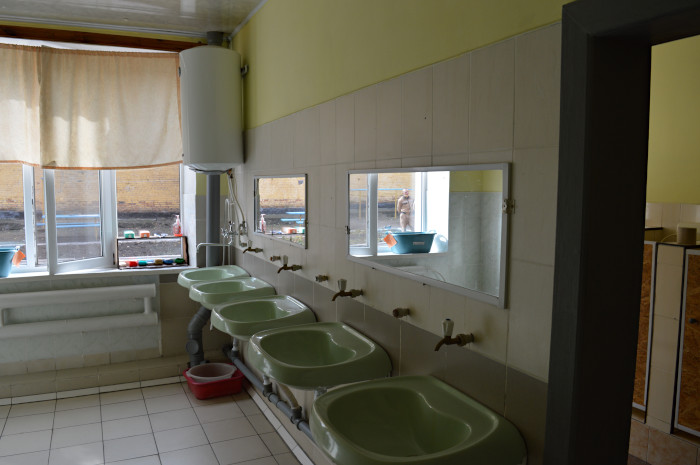
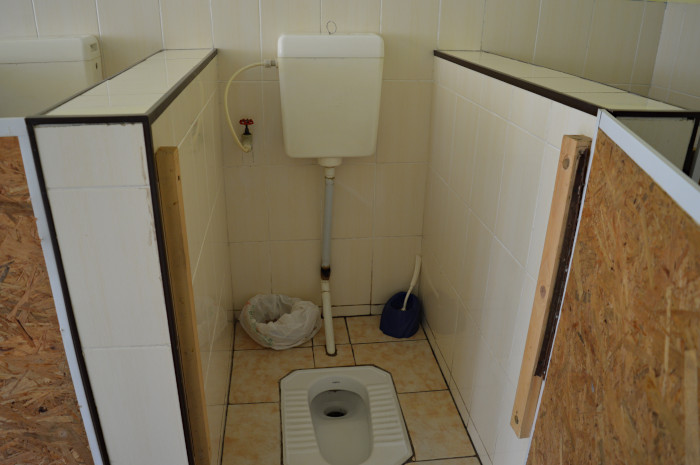
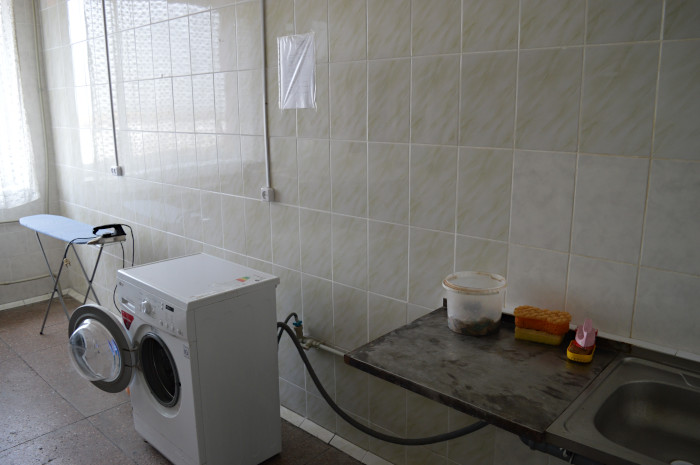
The monitors were pleasantly surprised that each unit has its own mini-bathhouse with hot water, where convicts are able to wash more than once a week. Convicts can also wash their laundry as needed, rather than by schedule. Hot water is also available in the washbasins. The toilets in the units are renovated and have high doors. There is no unpleasant, specific odour in the toilets.
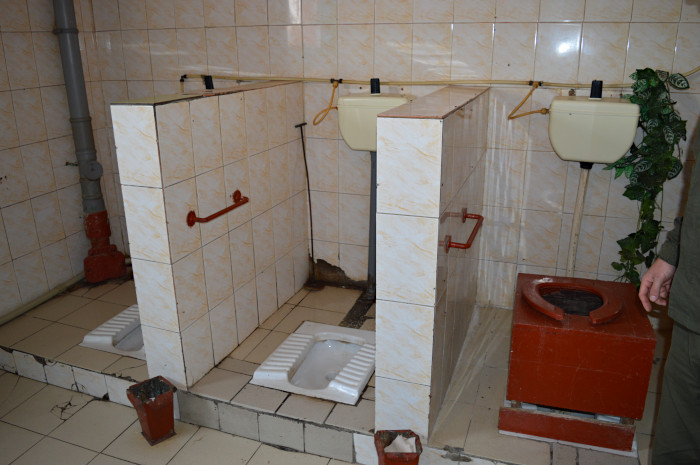
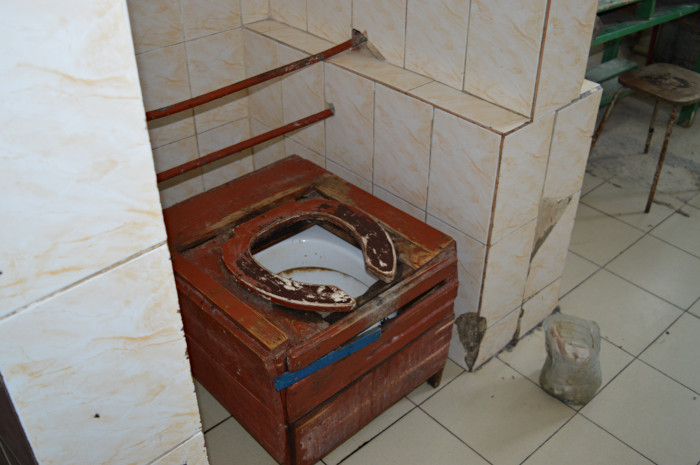
The last living area the monitors visited was the section where people with significant physical disabilities who require outside assistance are serving their sentences. The section is located on the ground floor. Part of the premises is undergoing renovations. The repairs in the toilets are outdated, but special handrails have been installed in the partitions between the toilets for convicts who cannot move independently. The institution also has specially equipped stands for attending to natural needs for people using wheelchairs.
The administration assured the monitors that by the end of the year, the renovations in this unit would be completely finished.
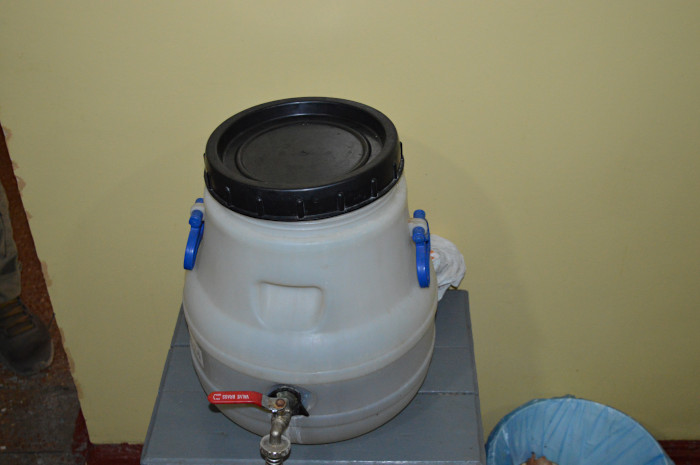
Each unit has a container with drinking water.
IV. Canteen
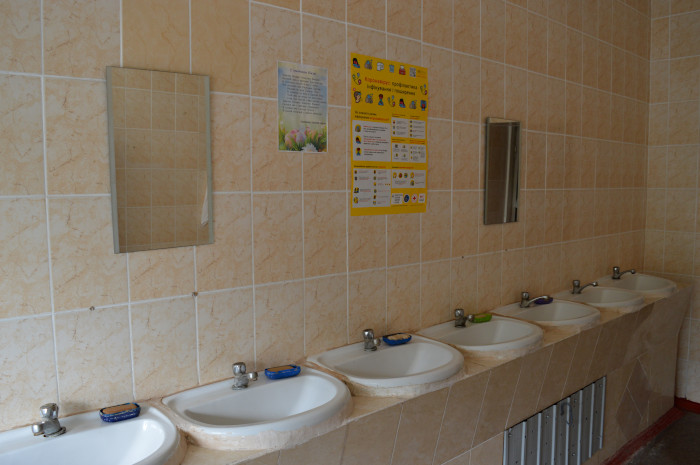
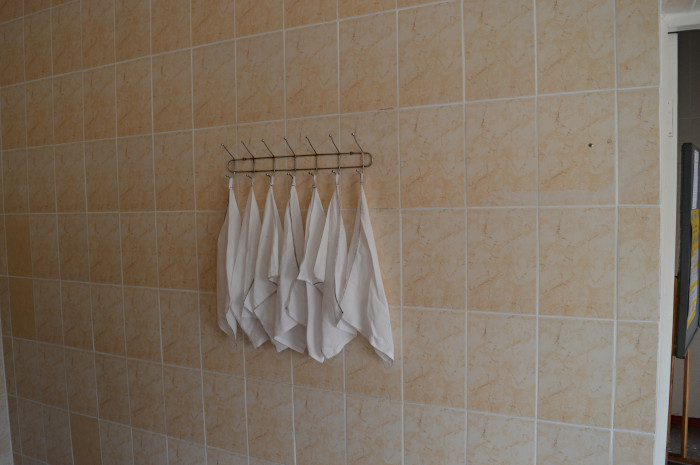
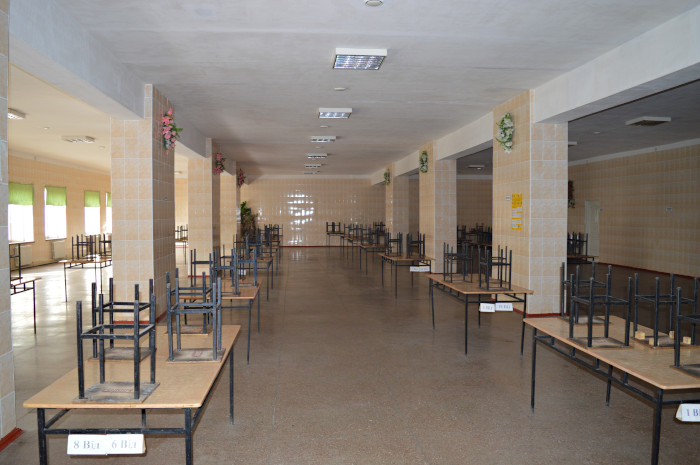
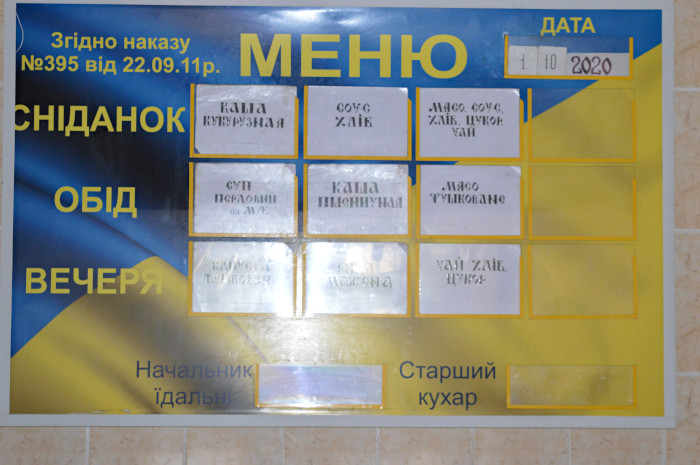
The canteen is located in a separate single-storey building. The porch is equipped with a special ramp for people using a wheelchair. The washbasins are in working order; there is soap and towels. The washbasins are positioned so that they can be used by people with disabilities. The canteen hall is spacious, large, and bright. The hall was recently renovated. The tables are for four people. There is an information board with a daily menu.
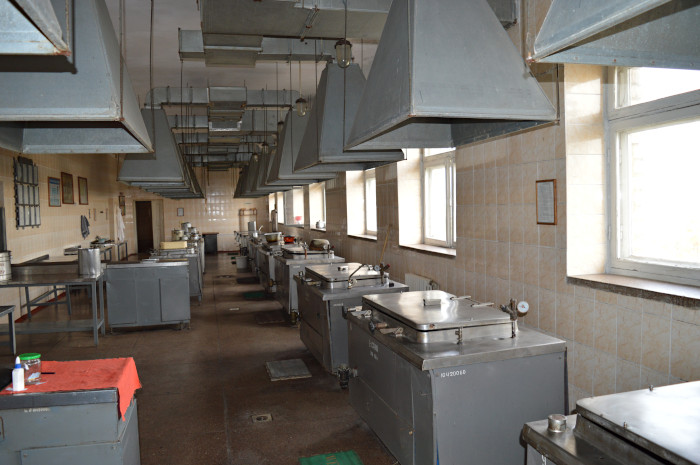
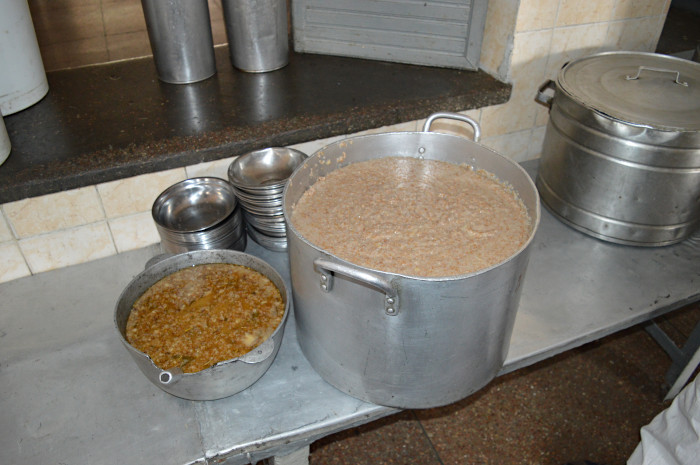
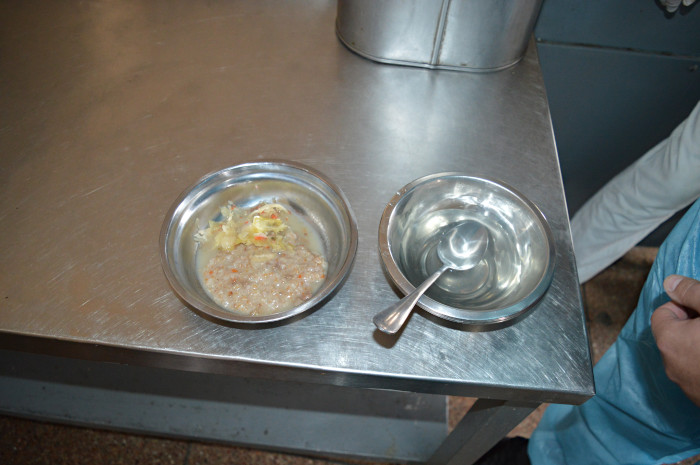
The kitchen is clean and bright. In the kitchen premises, there is a pleasant smell of freshly prepared food. At the time of the monitors’ visit, lunch had been prepared: pearl barley porridge with gravy and stewed meat, sauerkraut salad, and soup. The monitors tasted the lunch. It turned out to be edible.
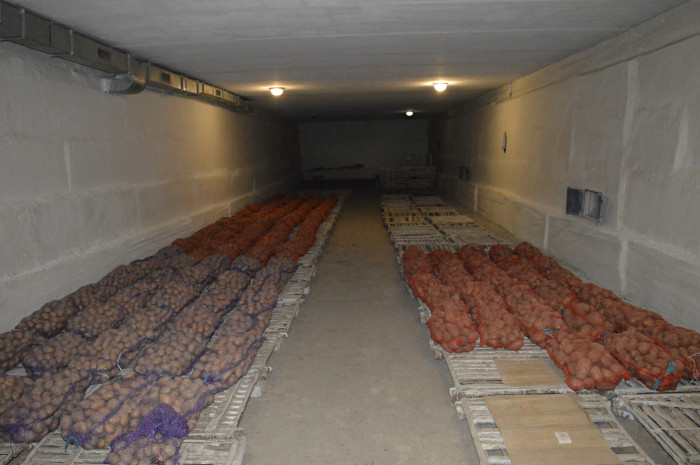
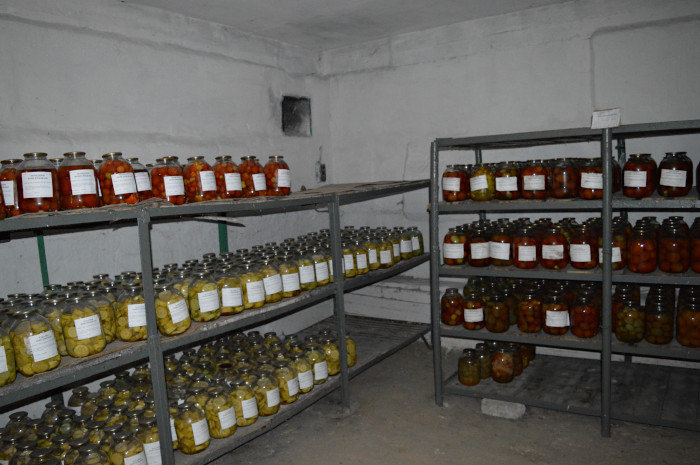
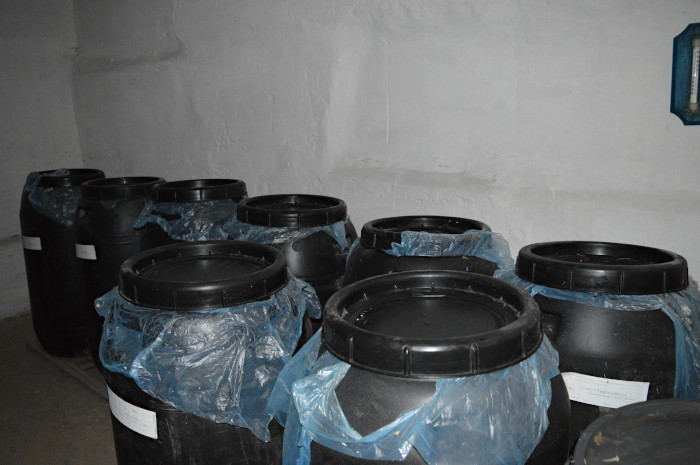
In the canteen’s basement, there is a vegetable storage area, where potatoes, onions, and canned goods are kept, namely tomatoes, courgettes, and sauerkraut. The sauerkraut is kept in special containers.
V. Bathing and Laundry Complex
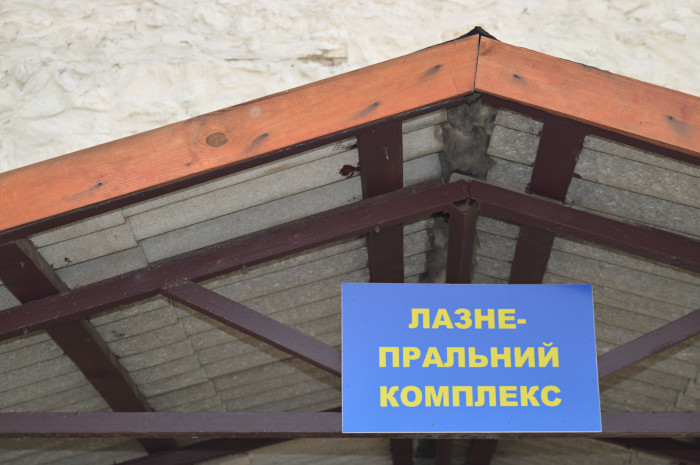
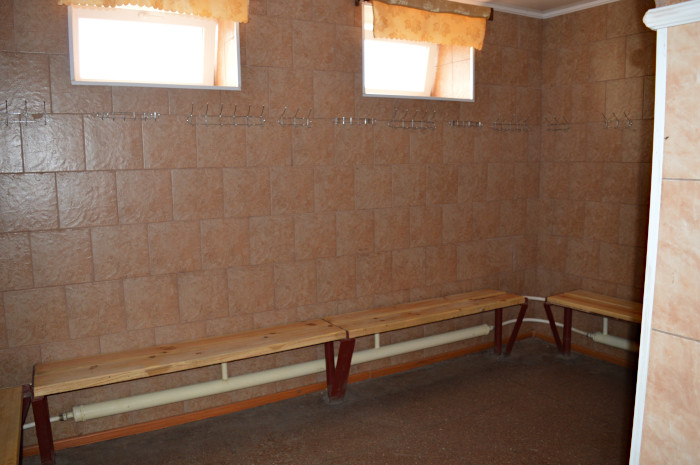
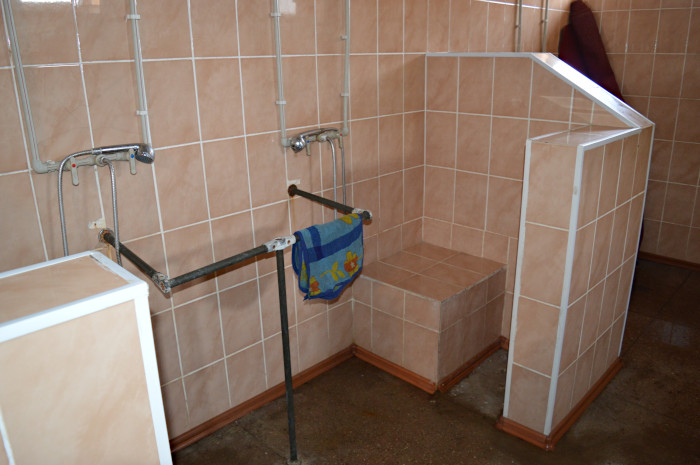
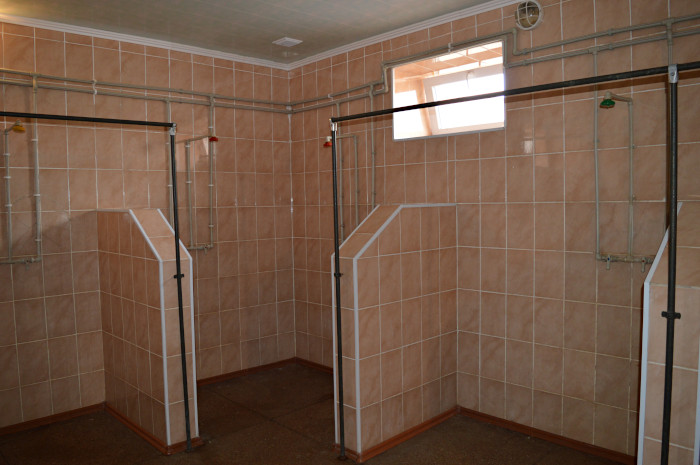
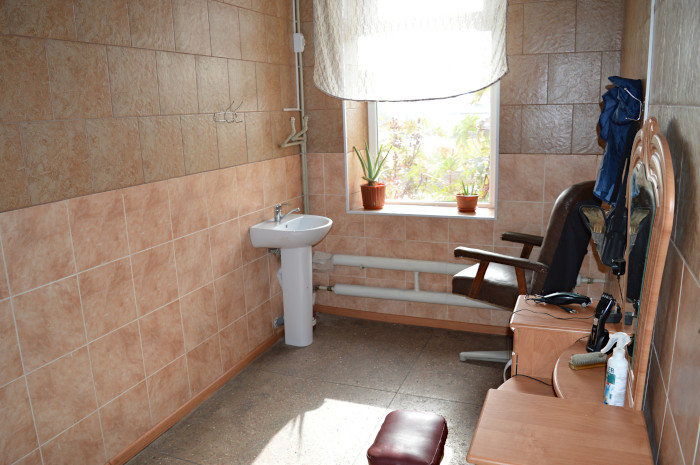
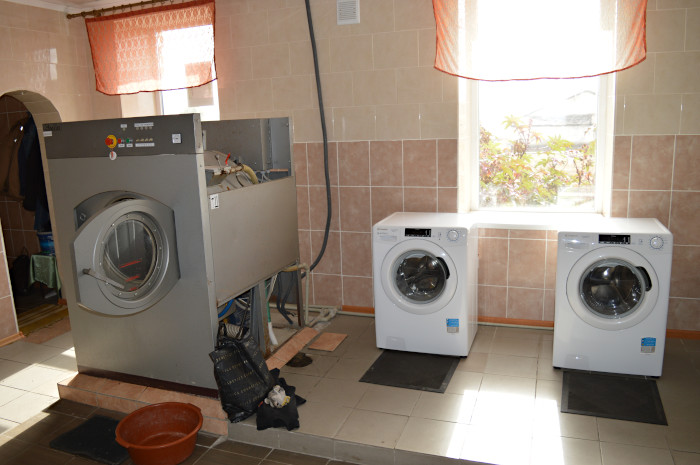
The bathhouse is well-renovated and inclusively equipped. At the time of the visit, the curtains and mats from the shower cubicles were being disinfected. The complex includes a barbershop, which convicts can use free of charge. The bathhouse has one modern high-powered washing machine and two new washing machines.
VI. Disciplinary Isolation Unit (DIZ)
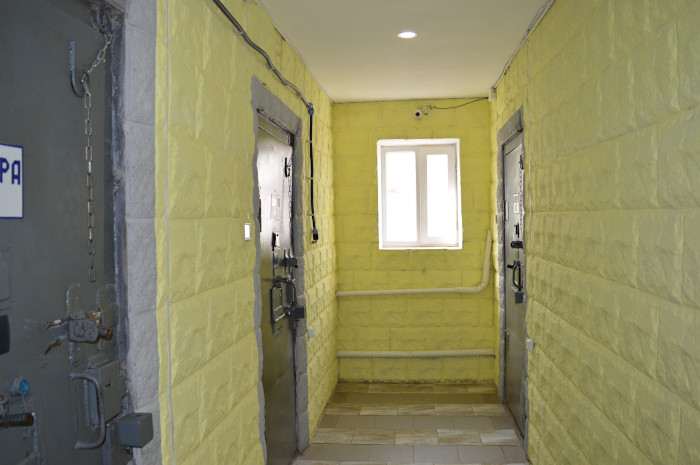
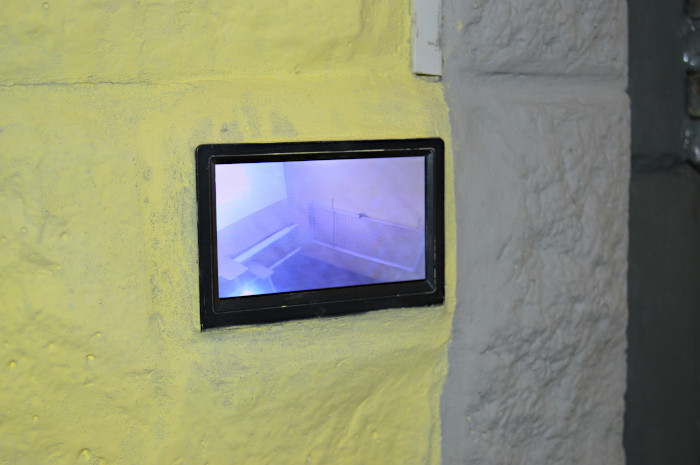
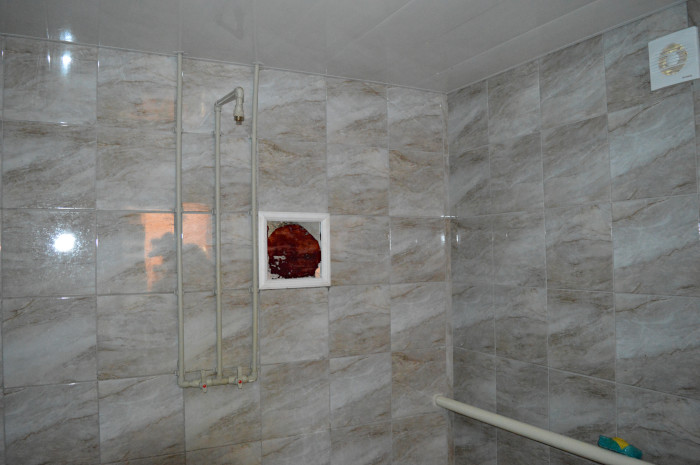
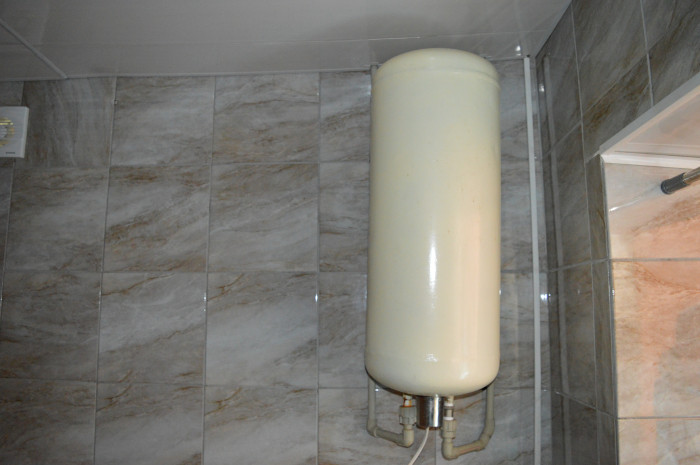
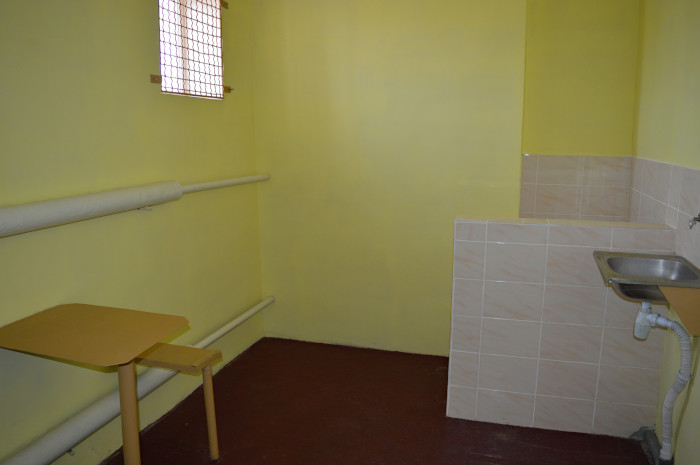
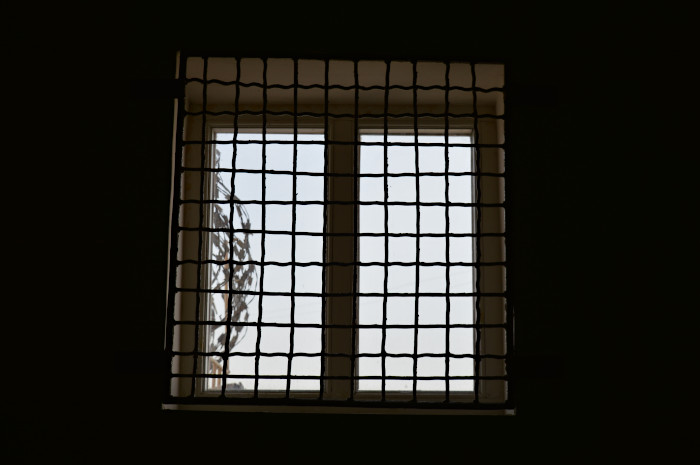
The DIZ sector is renovated. The monitors were impressed that in the DIZ, with full respect for all privacy rules, there are video surveillance cameras, and the video feed is displayed on monitors right in the DIZ corridor. A shower with hot water is installed in the section. The DIZ cells are tidy, but the window in the cell does not open.
EU project ‘Resisting torture, cruel treatment and impunity in Ukraine’