Report on the monitoring visit to State Institution ‘Petrivska Penal Colony No. 49’
I. General Information
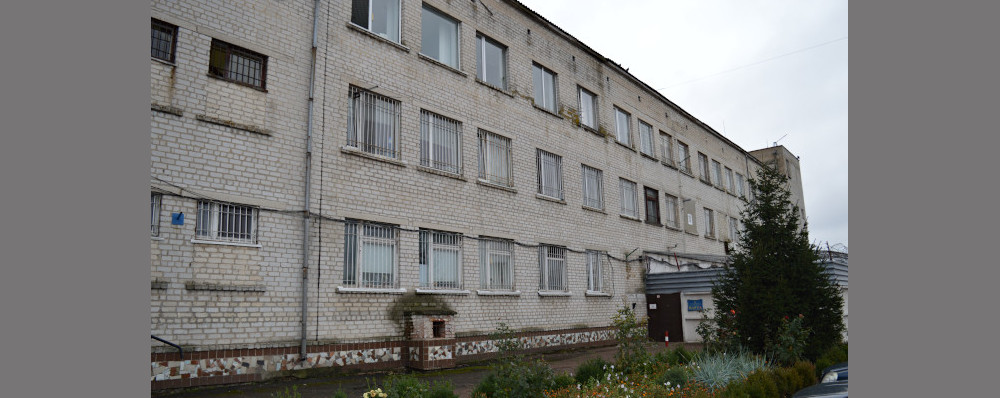
On 30 September 2020, the KHRPG monitoring group, consisting of People’s Deputy assistant Maksym Revyakin and two journalists, Hanna Ovdiienko and Pavlo Shvab, visited the State Institution ‘Petrivska Penal Colony No. 49’. The colony is located in the middle of a field, near the village of Novyi Starodub in the Kirovohrad region. The road to the colony is very damaged, and it was extremely difficult to get to the colony. To get to the colony, one must walk past dilapidated buildings of a Soviet industrial zone.
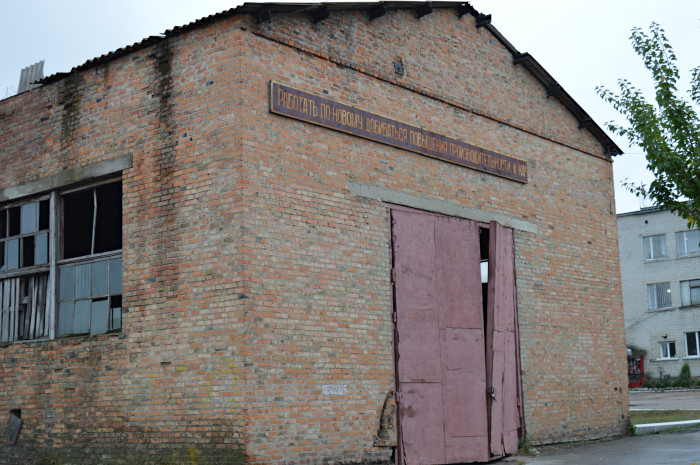
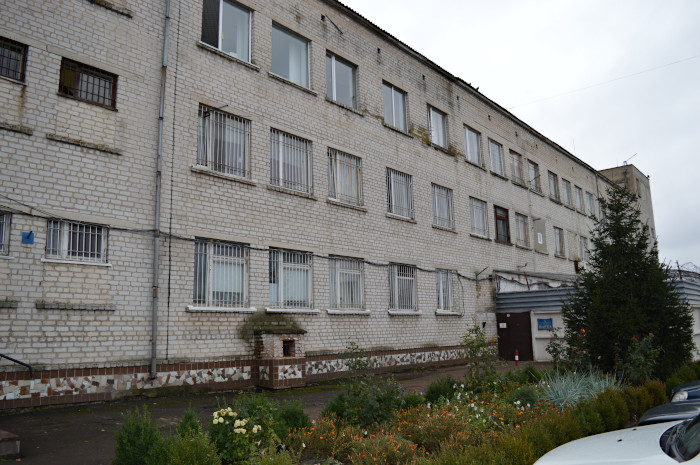
At the time of the visit, 419 convicts were serving sentences in the colony. This is a maximum-security colony for men. According to the administration, the institution’s staff is fully equipped.
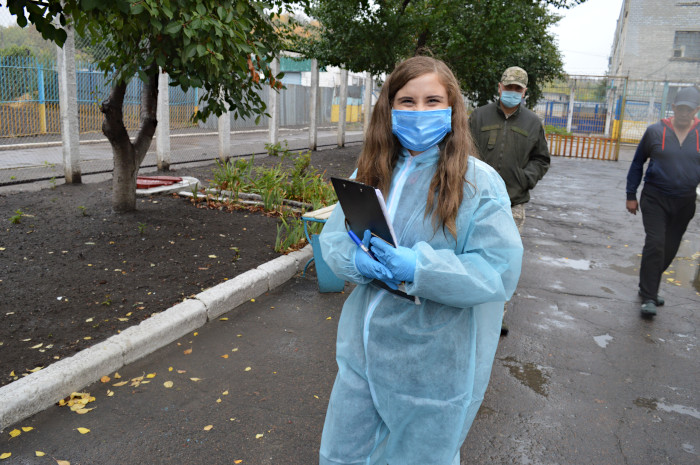
The monitoring group’s documents were checked very thoroughly, but they were eventually admitted to the protected area. Before entering the protected zone, the monitors underwent temperature screening, were offered hand sanitiser, and were also provided with protective suits and gloves.
II. Bathhouse
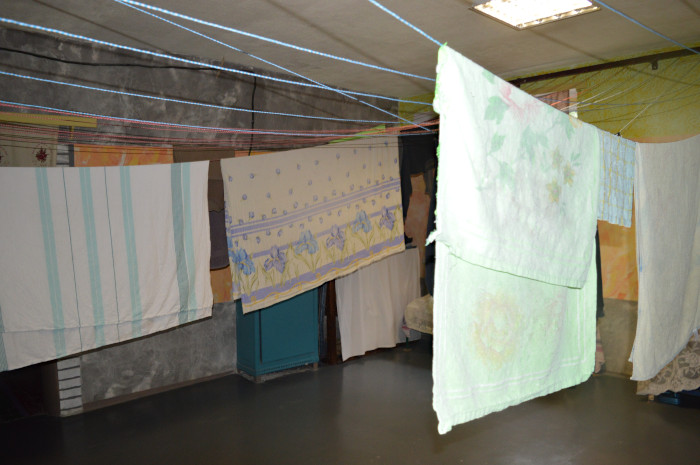
Initially, the monitors visited the bathhouse. The bathhouse has a changing room, shower cubicles, a barbershop, a drying area for laundry, washing machines, as well as an area for the distribution of clean laundry and soap. All the premises look tidy, although the renovation in them is outdated. There are curtains and mats in the shower cubicles, although they are of very small dimensions. It is clear that this is half of a large mat.
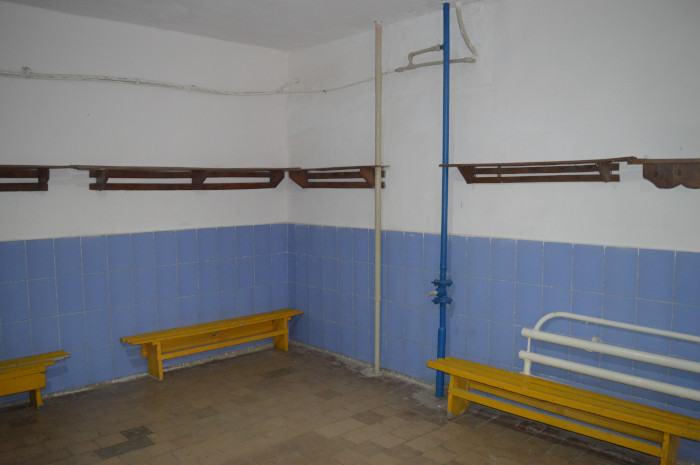
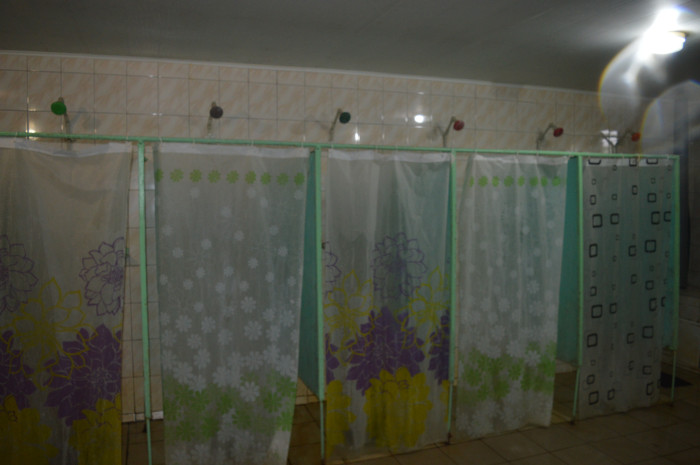
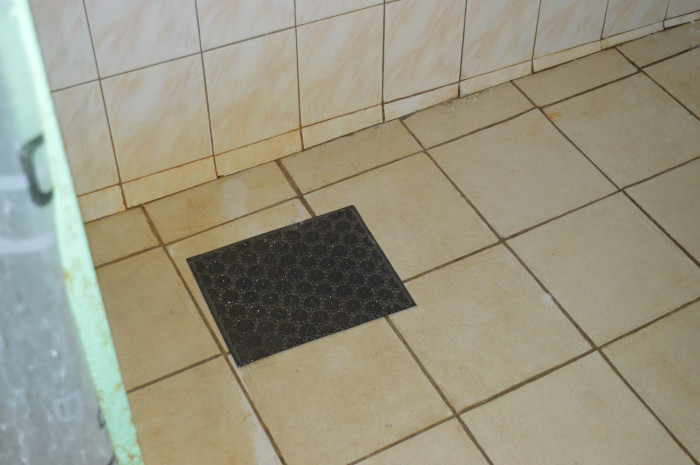
On the day of the visit, it was raining, so the laundry was being dried indoors.
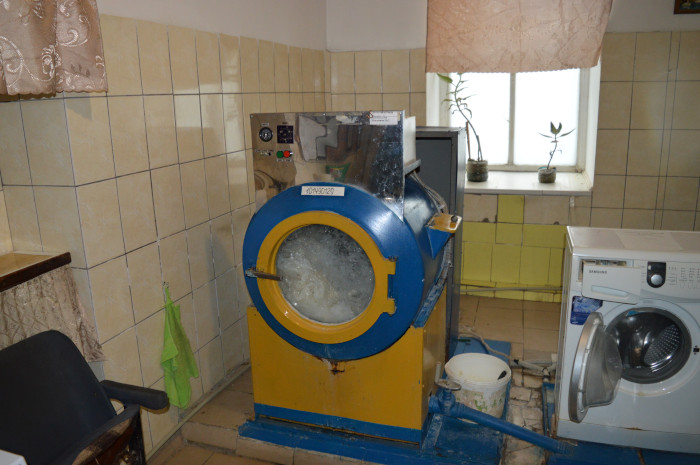
The washing machines are outdated, but functional. The newer washing machines are new. According to the administration’s representatives, they were purchased at the expense of the Red Cross.
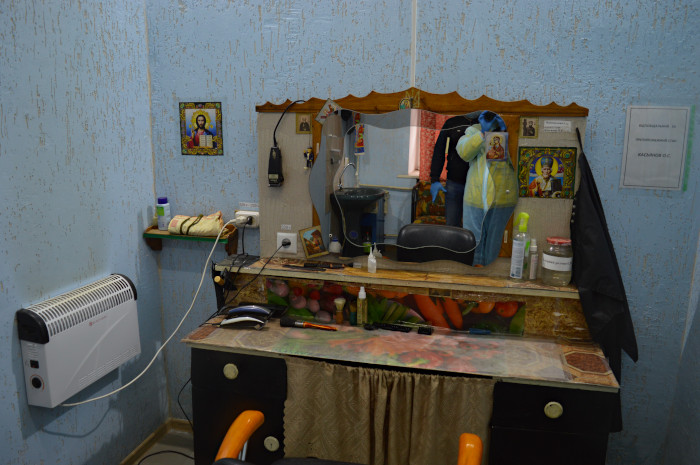
The institution has a barbershop. Barber services, unlike in other institutions, are free.
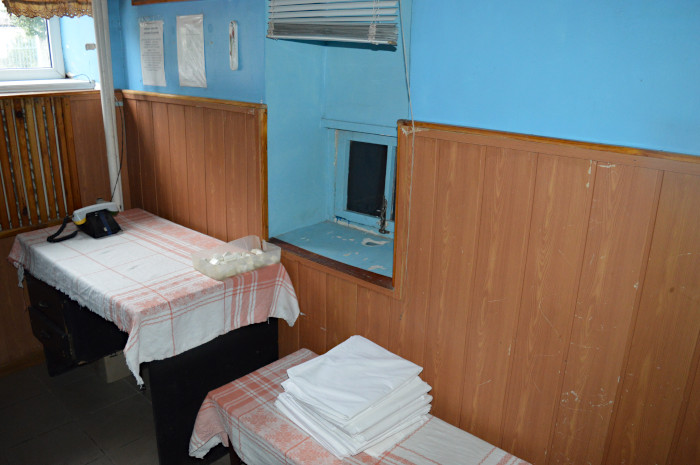
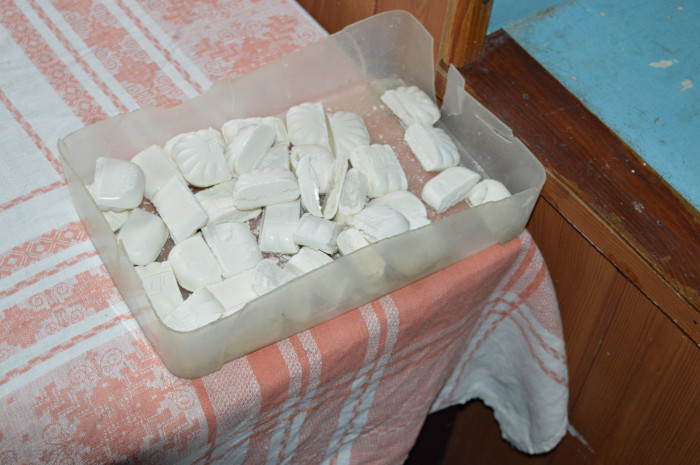
In the room for the distribution of soap and laundry, there is soap, cut into small pieces, and there is clean laundry.
III. Canteen and Kitchen
At the time of the visit, the premises of the canteen and kitchen were undergoing renovations, which, according to the administration, would be finished by the end of the year.
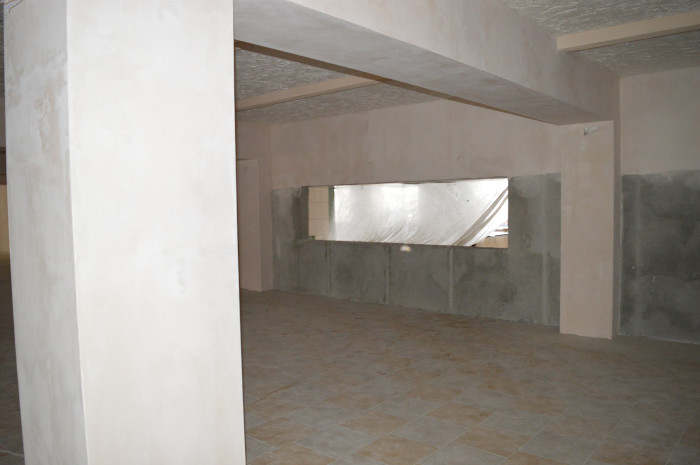
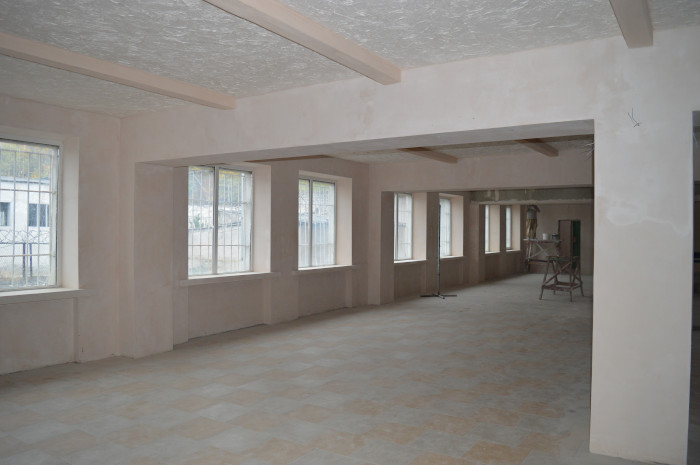
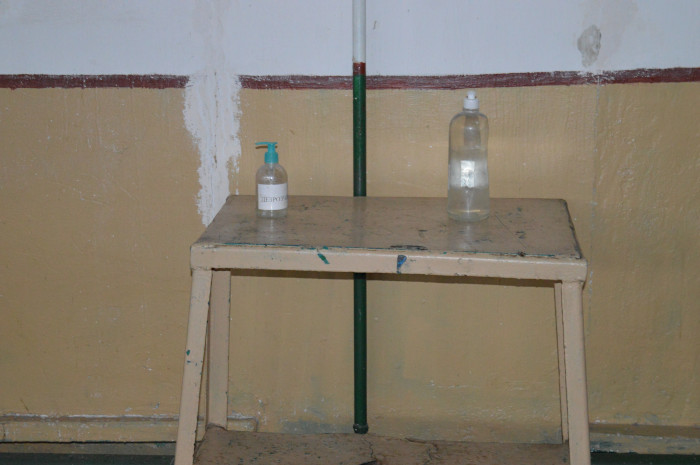
The canteen was temporarily moved to the club, which is located on the second floor of the same building. Disinfectants are available in the temporary canteen.
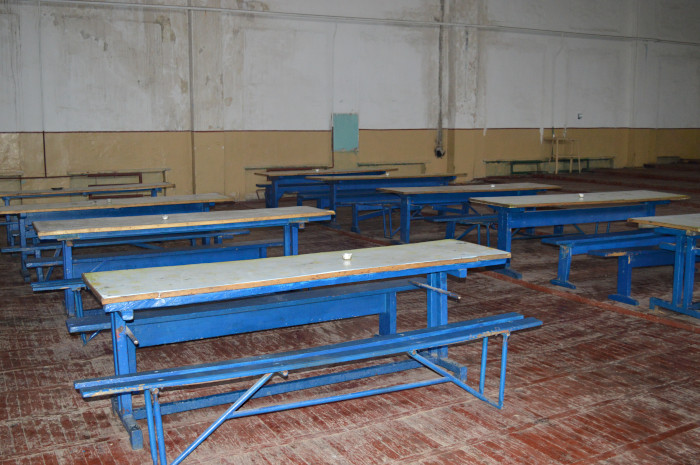
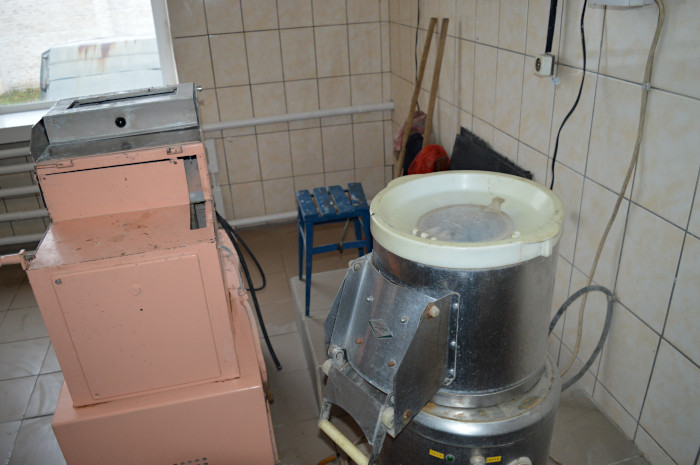
There are no unpleasant odours in the kitchen; there is a machine for cutting noodles and a potato-peeling machine.
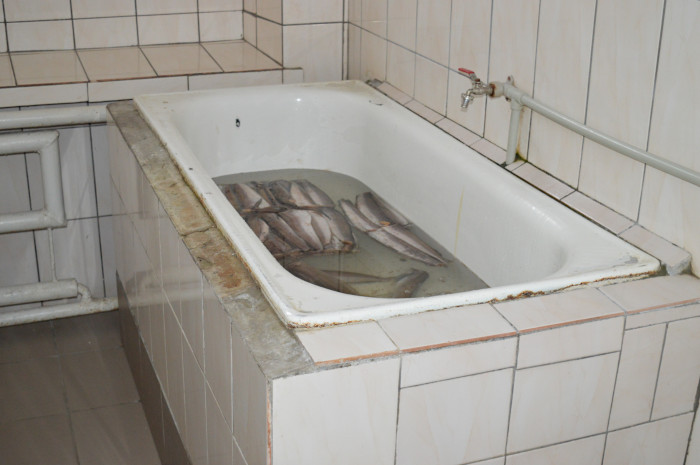
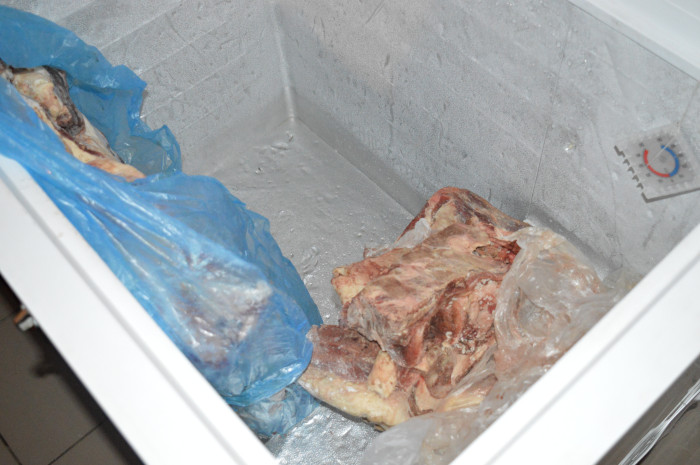
The fish and meat processing units look tidy and are equipped with modern freezers. According to the administration’s representatives, products are brought in daily, so the food is always fresh. Indeed, the meat and fish look appetising.
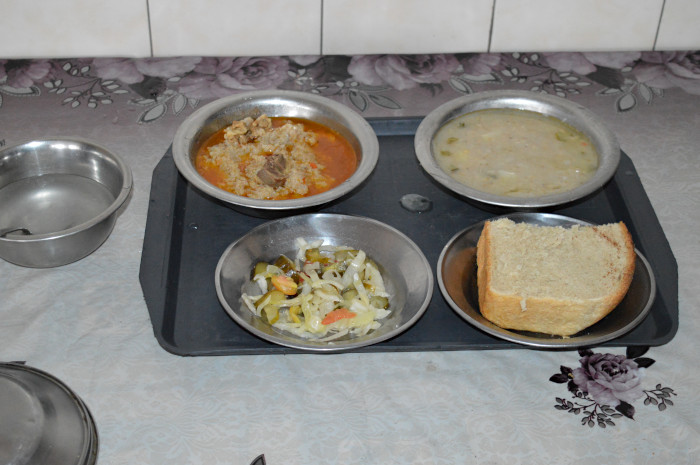
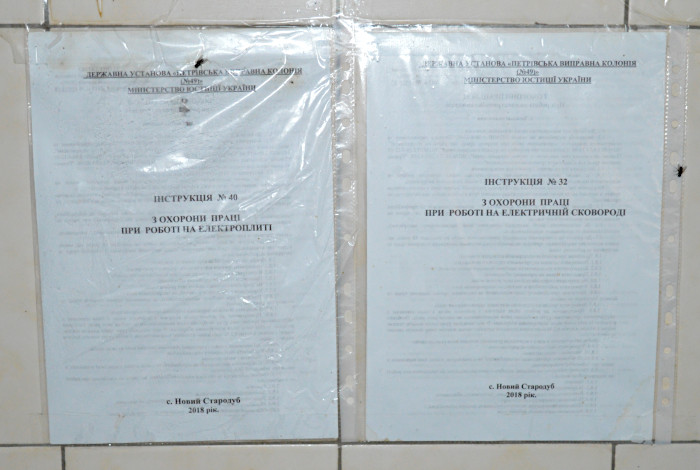
The monitors arrived immediately after lunch. For lunch, the institution served soup, porridge with stewed meat, vegetable salad, and a piece of bread. But, unfortunately, there was no tea. The monitors were pleasantly surprised by the presence in the kitchen of instructions on occupational safety when working with an electric stove and electric frying pan.
IV. Production
Production in the institution is small and consists of a welding workshop, a forge, a boiler room, and a sewing workshop. Not all convicts who wish to work have the opportunity to realise their desire.
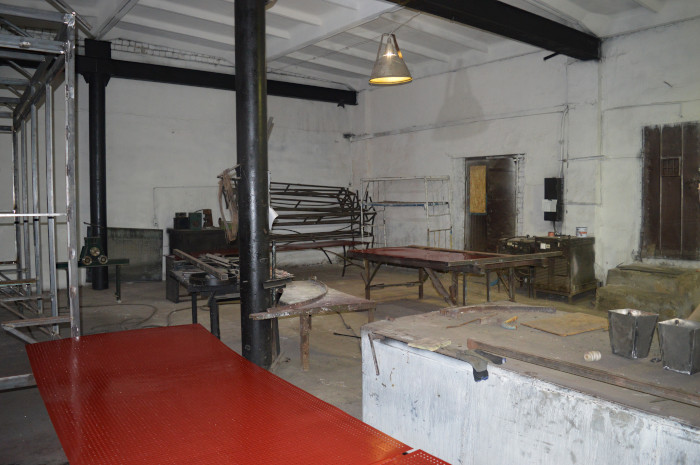
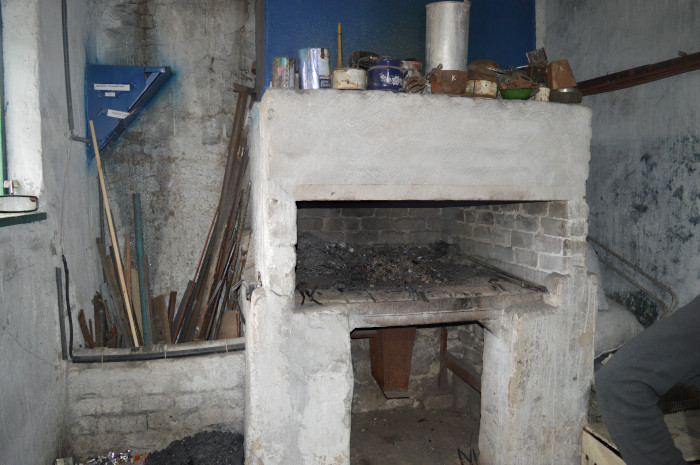
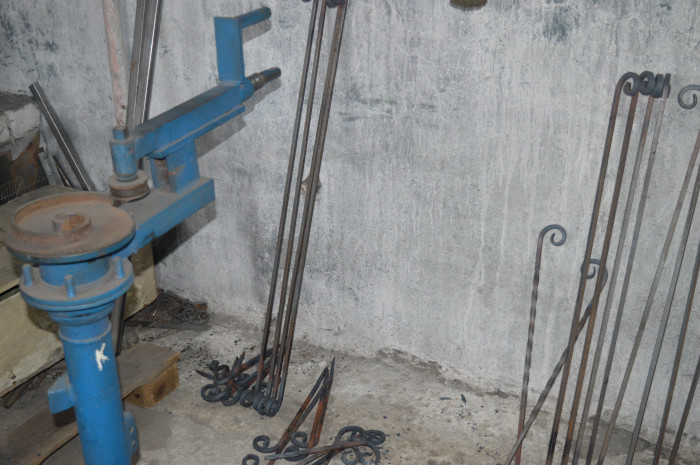
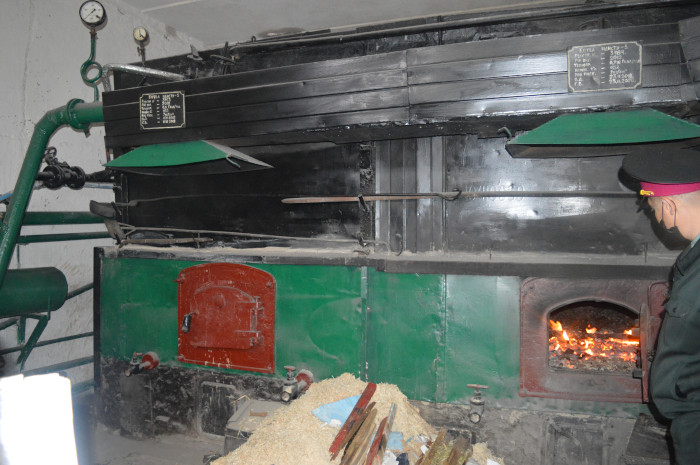
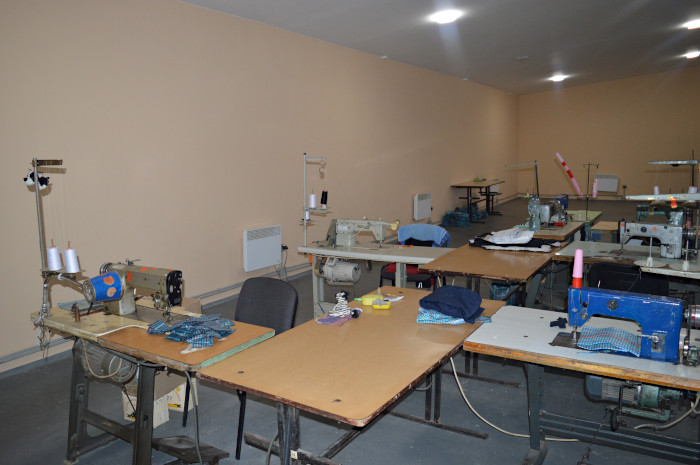
According to the convicts, the average salary depends on the quantity of products produced and averages 2,000 hryvnias. Some convicts claimed that if you have the desire, you can earn money in the institution. A vocational school operates at the enterprise, where approximately 120 convicts are studying.
V. Living Zone
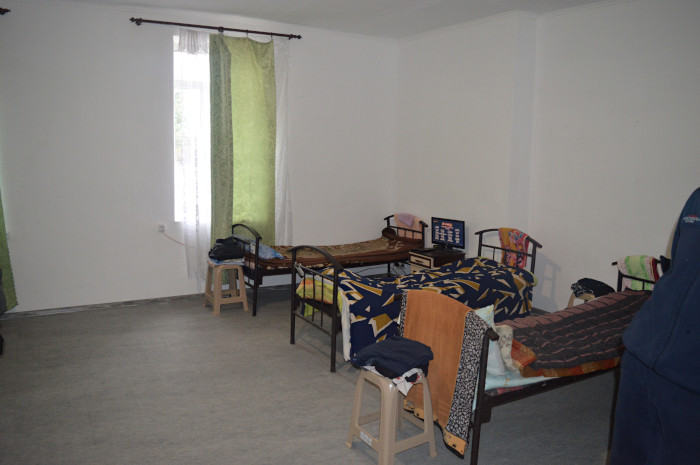
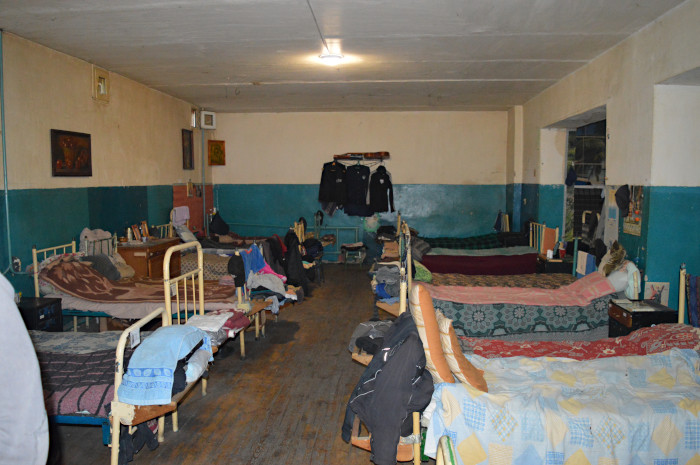
The institution has 10 sleeping units, two of which are mothballed, five units of the block type, and three of the barracks type. One unit has already been completely renovated, and some are in the process of renovation. Because of this, some of the convicts have been moved to other units and are forced to sleep on double-decker beds, which is a violation of the European Prison Rules. However, in all likelihood, this is a short-term discomfort for the convicts until the moment the renovations in other units are completed.
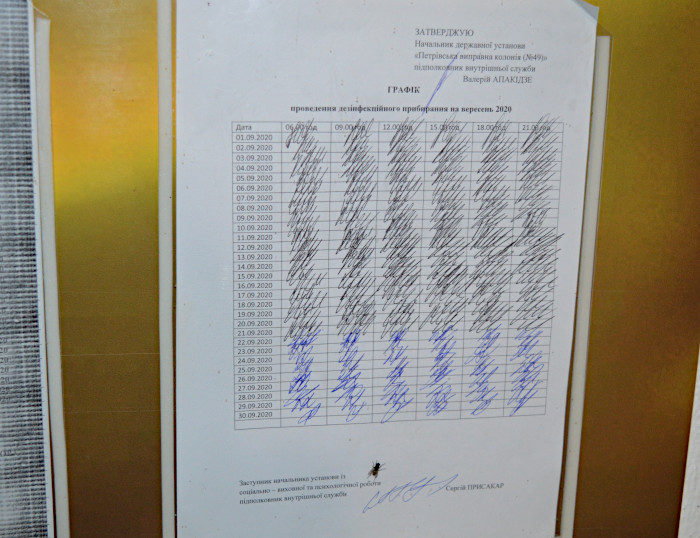
Disinfection is carried out in the living quarters, but it is done irregularly. At the time of the visit, according to the schedule, disinfection for the entire day had already been carried out, so the monitors had doubts about the veracity of the schedule and the performance of the disinfection in general.
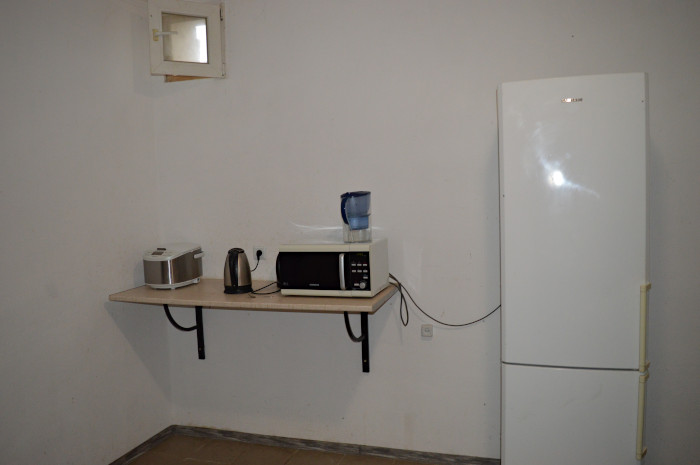
The sleeping rooms in the living zone are tidy, and they lack mould and extraneous odours. They receive sufficient sunlight. In the dining room, there is a refrigerator, microwave oven, multicookers, and electric kettles.
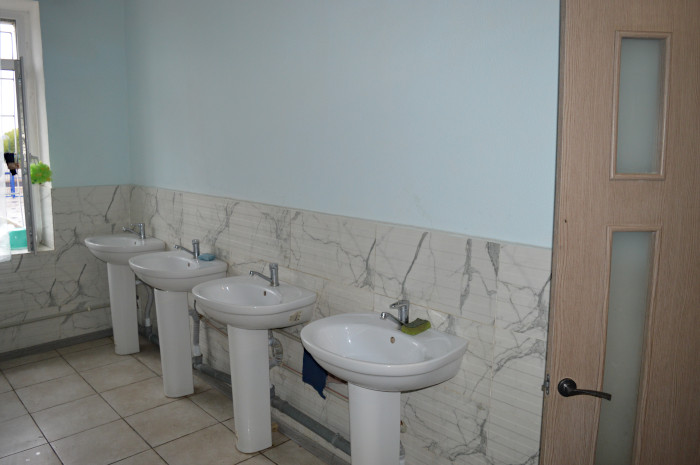
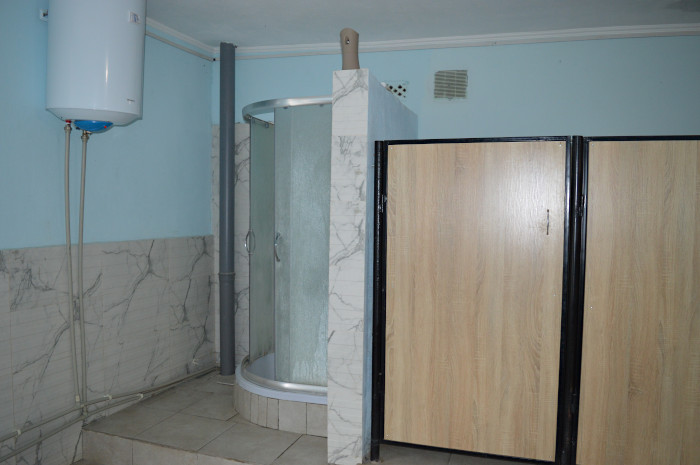
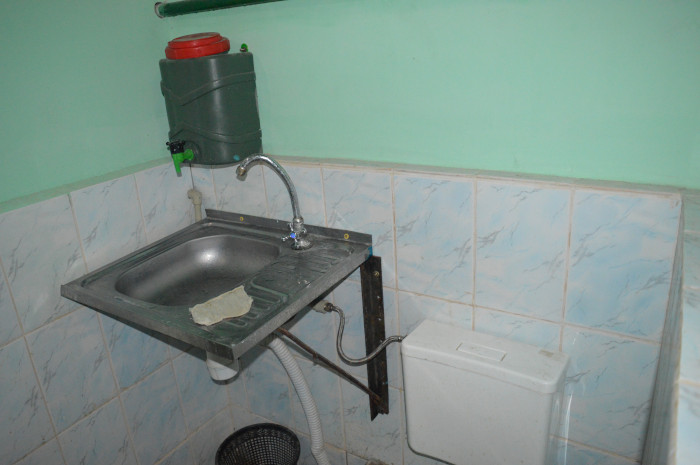
In the toilets, the washbasins are in working order; there is hot and cold water. Hot water is supplied from a boiler. There is a shower cubicle in the living zone, which allows convicts to wash more often than once a week, as stipulated by national norms. The toilet rooms are equipped with high partitions and doors.
VI. Disciplinary Isolation Unit (DIZ)
At the time of the visit to the institution, nine convicts were in the disciplinary isolation unit. Since the beginning of the year, there have been 142 cases of placement in the DIZ and 9 in the PKT ( камерa камерного типу - cell-type unit). The DIZ-PKT cells are outdated but tidy. There is drinking water in the cells, but almost no sunlight enters through the window. Convicts do not have the ability to open the window themselves. During the visit, there were no free cells in the DIZ. The administration explained this by the ongoing renovations.
VII. Medical Unit
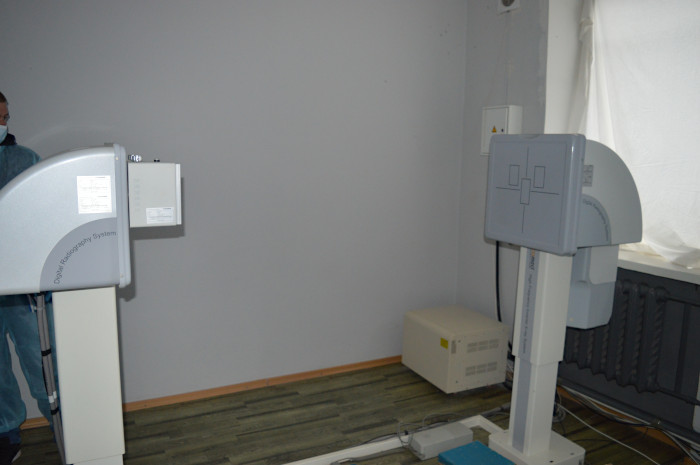
At the time of the visit, there were nine people in the medical unit. The vast majority of convicts were resting. The medical unit looks outdated. A modern Italian X-ray machine and a modern dental chair are installed in the medical unit.
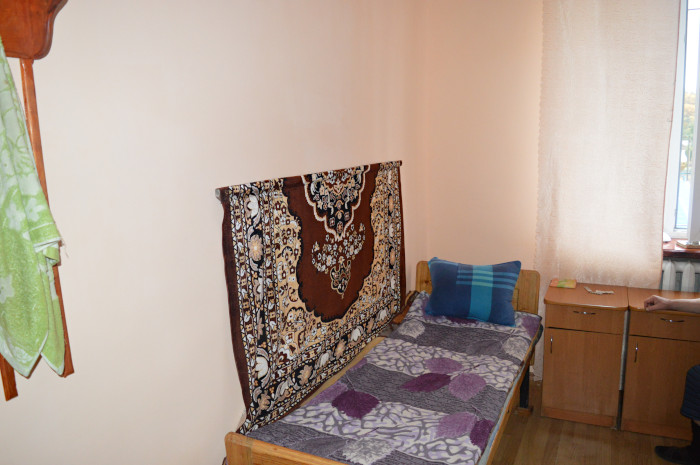
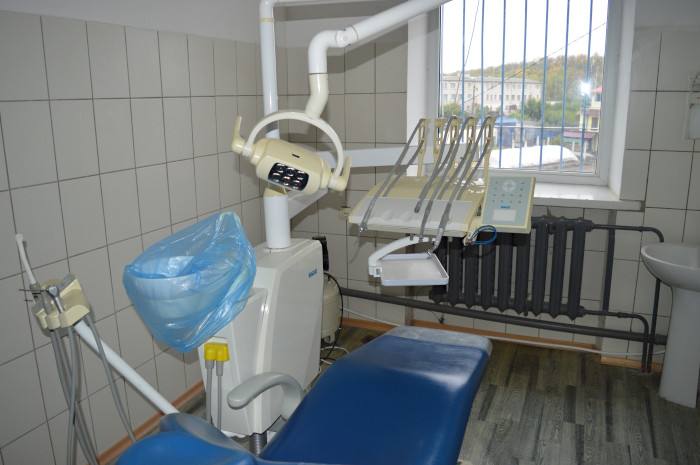
According to the representatives of the medical unit, the dentist only comes to the institution twice a week on weekends. There are 45 HIV-infected individuals in the institution, of whom 44 are receiving ART therapy. During the current year, there were two ambulance calls to the institution. 17 cases were recorded in the register of bodily injuries for 2020. The medical unit is fully staffed, except for a 0.5 position for a general practitioner. According to the convicts, medical assistance is provided in full.
No cases of coronavirus infection were detected among the convicts and the institution’s representatives.
EU project ‘Resisting torture, cruel treatment and impunity in Ukraine’