Report on the visit to the Kamianka Penal Colony No. 34
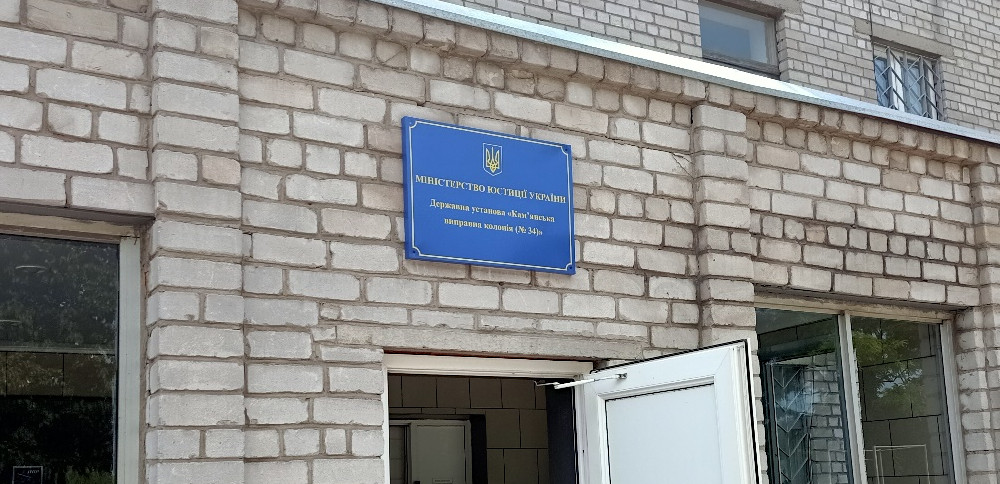
On 2 July 2020, two members of the Pardon Commission under the President of Ukraine visited the Kamianka Penal Colony No. 34, which houses women who have been convicted of imprisonment for the first time. The report on meetings with the convicted women who submitted petitions to the Commission was sent directly to the Commission and is not public, given the information collected and contained therein. However, since there was an opportunity to inspect the conditions of the convicts' stay while visiting the colony's territory, this has been described in the report below.
The report was prepared by Oleksandr Pavlichenko, a member of the Pardon Commission under the President of Ukraine and Executive Director of the Ukrainian Helsinki Human Rights Union.
On 2 July, two members of the Pardon Commission under the President of Ukraine—Kateryna Pavlichenko, Deputy Minister of Internal Affairs of Ukraine, and Oleksandr Pavlichenko, Executive Director of the Ukrainian Helsinki Human Rights Union—with the approval of the Deputy Minister of Justice of Ukraine Olena Vysotska, visited the Kamianka Penal Colony No. 34, which houses women who have been convicted of imprisonment for the first time. During the quarantine period caused by the COVID-19 coronavirus epidemic, visits to penitentiary institutions are restricted; therefore, the opportunity to visit the colony and speak with the convicts had to be agreed upon with the leadership of the Ministry of Justice, for which we extend our special thanks to Olena Vysotska.
The need for in-person meetings with the convicts arose due to the requirement to obtain more complete information for making decisions in response to pardon petitions submitted by women convicted in this colony. Members of the Pardon Commission under the President of Ukraine approach the decision-making process regarding the potential substitution of a sentence with the utmost diligence, and for this, it is, of course, important to speak directly with the convicts, which is what took place during the visit to the colony on 2 July.
Moreover, considering the experience of other countries, it is worth noting that in most cases, the issue of pardoning is resolved, in particular, through direct communication with the persons who have submitted petitions.
Consequently, during the visit to the penal colony, seven separate individual interviews were held with the convicted women who had submitted petitions for pardon to the Commission.
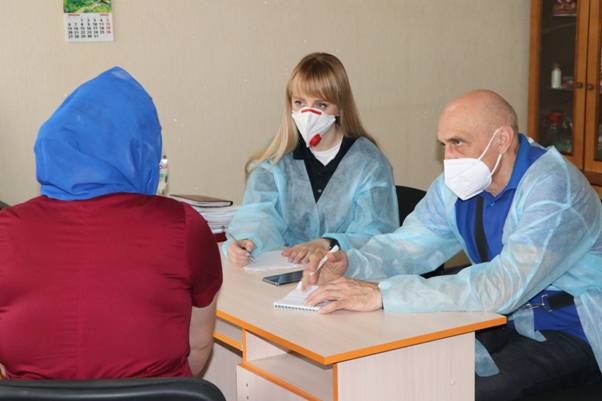
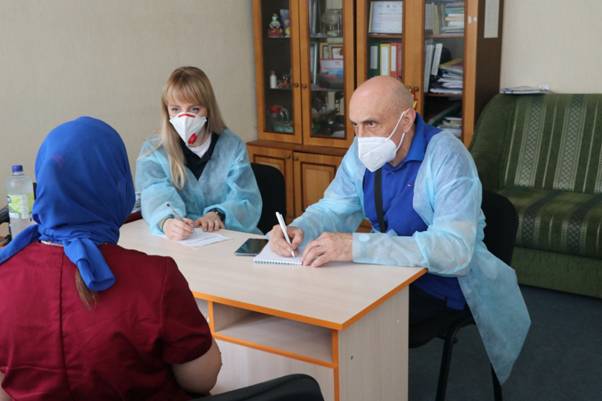
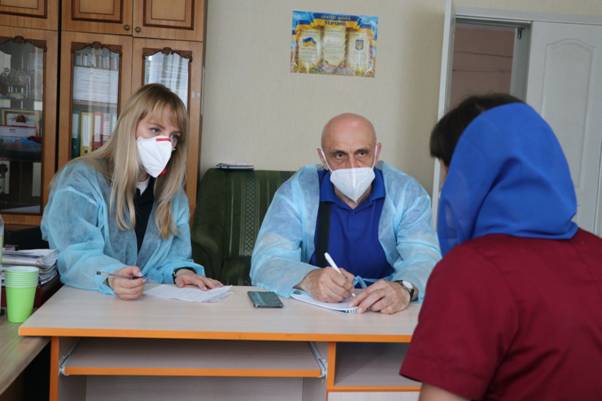
While on the premises of the penal colony, the members of the Commission became acquainted with the living, detention, and working conditions of the convicts serving their sentences in this correctional facility, information about which is provided below.
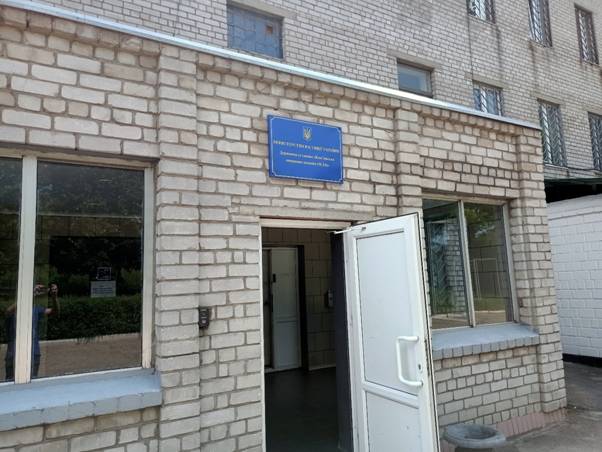
First and foremost, it should be noted that the Kamianka Penal Colony No. 34 is one of two correctional facilities for housing convicts where women serve their sentences with children under the age of 3 (the second facility is the Chernihiv Penal Colony No. 44). The specifics of women staying with children in the colony consist in the fact that the child may be with the mother until the age of three. After this, the child must be handed over either to relatives-guardians in the community or placed in an orphanage. A child may be kept in the colony until the age of four if the mother's sentence term ends within this one-year period. In particular, during the meetings with the convicts who appealed to the Commission, several such situations were identified where the sentence term ends within one and a half to three months after the child reaches the age of four, which would necessitate the separation of mother and child after the child reaches the age of three. This information is also important when considering pardon petitions.
In total, as of 2 July 2020, 250 convicted women were serving their sentences in the colony. 12 of them have children under the age of 3; the children live with their mothers in a separate sector located on a specially designated area.
Sector for living with children
The members of the Commission visited this sector and all other premises of the colony together with the head of the Kamianka Penal Colony No. 34, Iryna Yuriivna Bobrova.
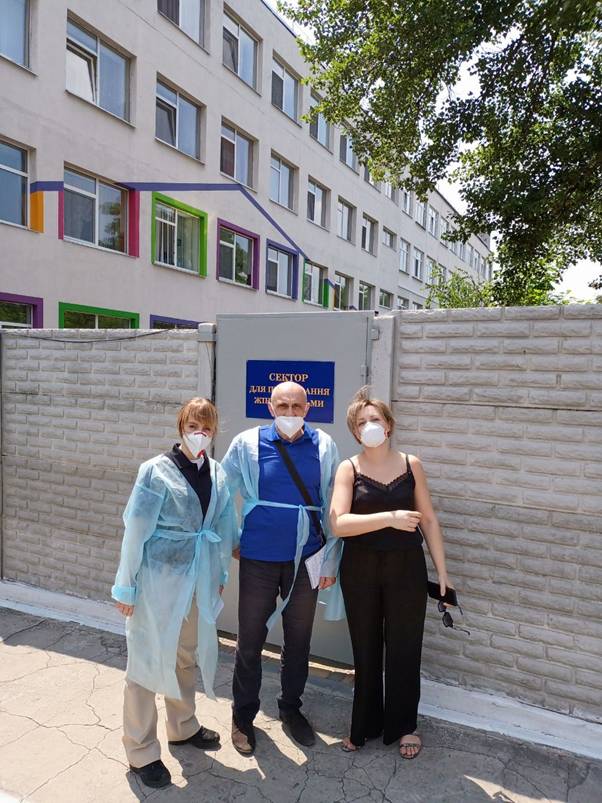
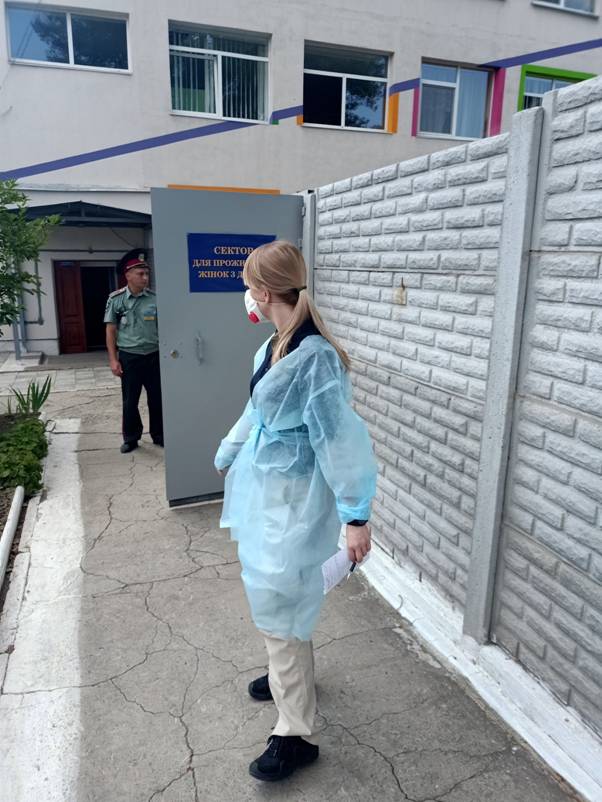
In the sector for women living with children, there were 13 children; the older children were playing outside at the time of the visit, and the younger ones were in the residential premises located on the second floor.
These photos will help provide an idea of the children's living conditions:
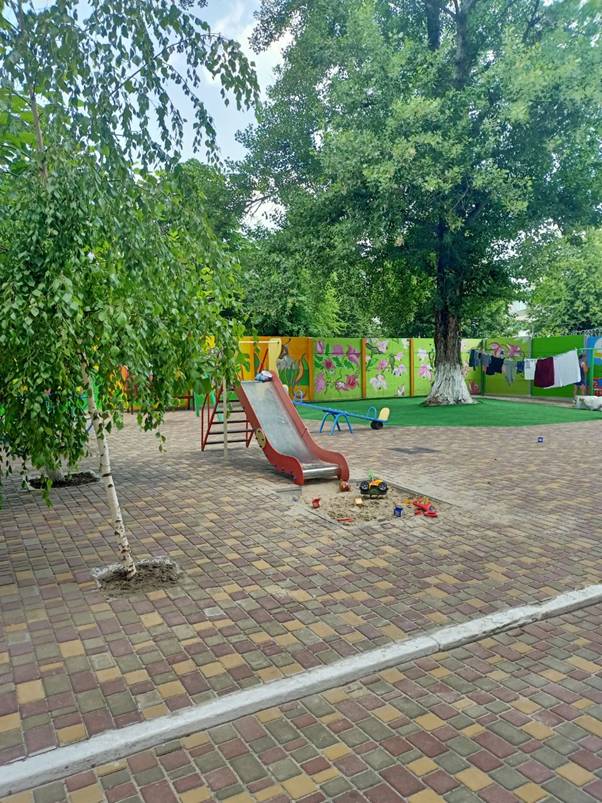
Children's playground in the sector
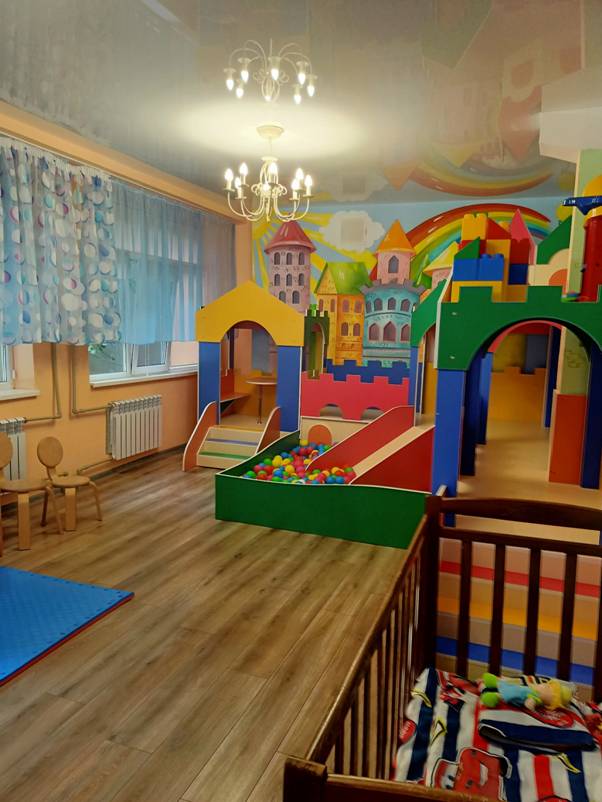
Playroom
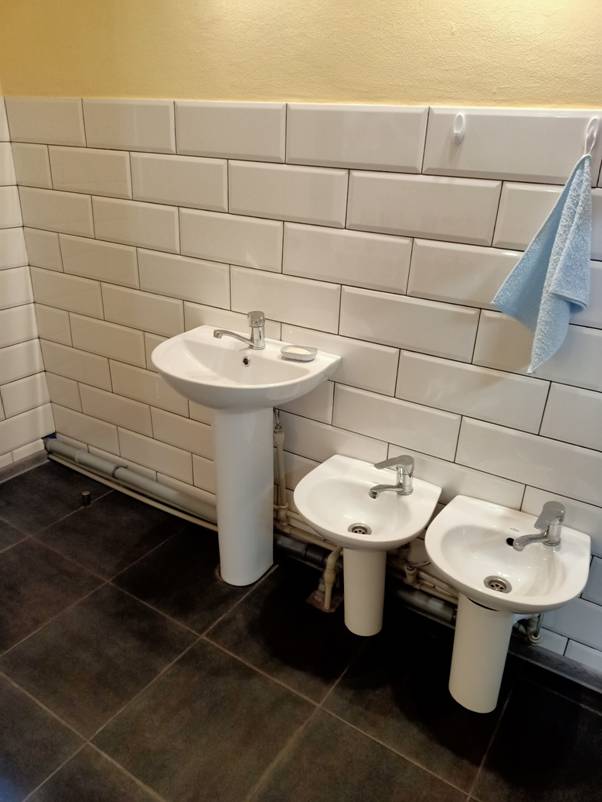
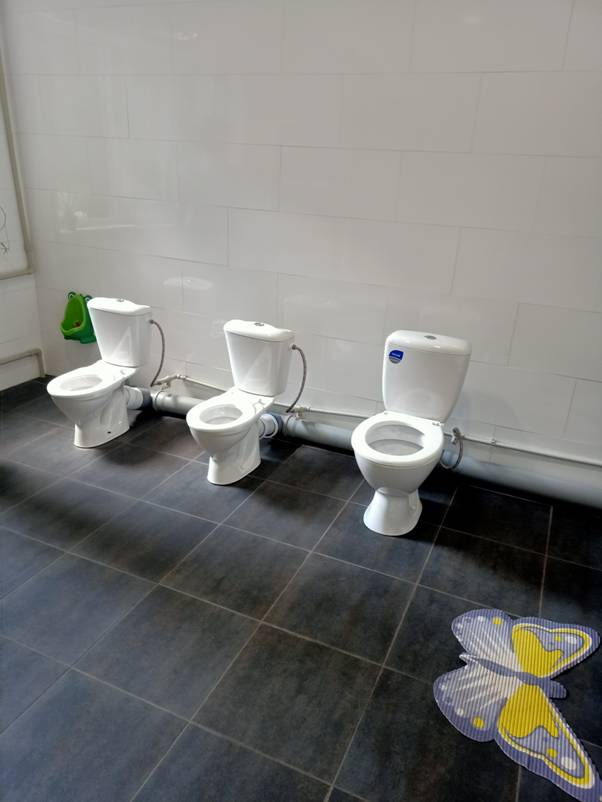
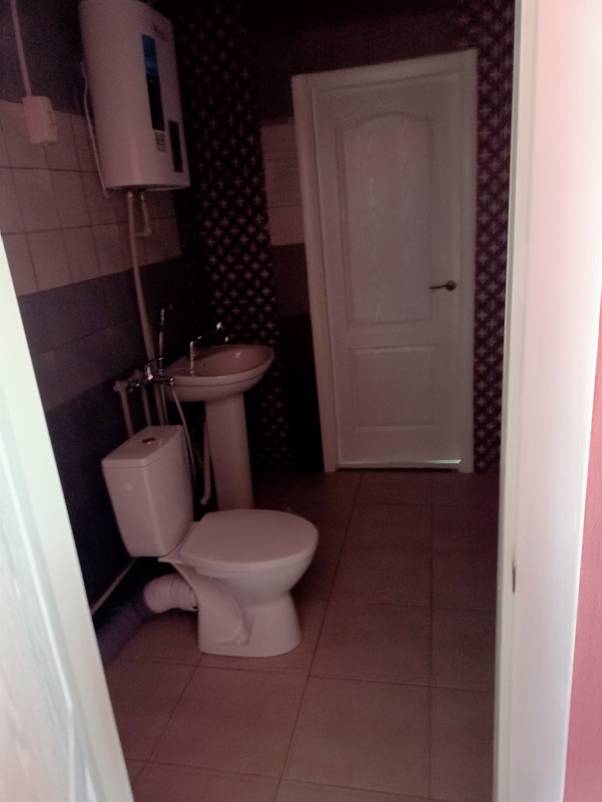
Children's bathroom
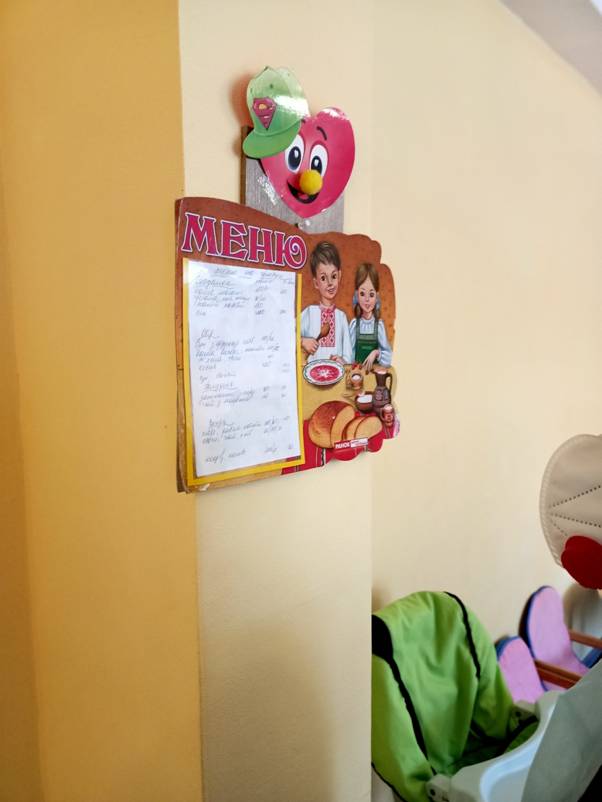
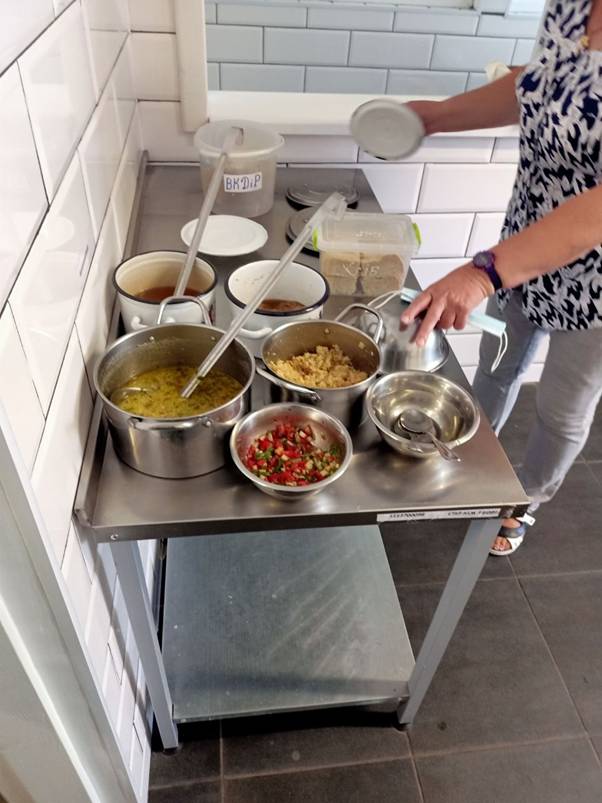
Lunch already almost ready for the children according to the menu
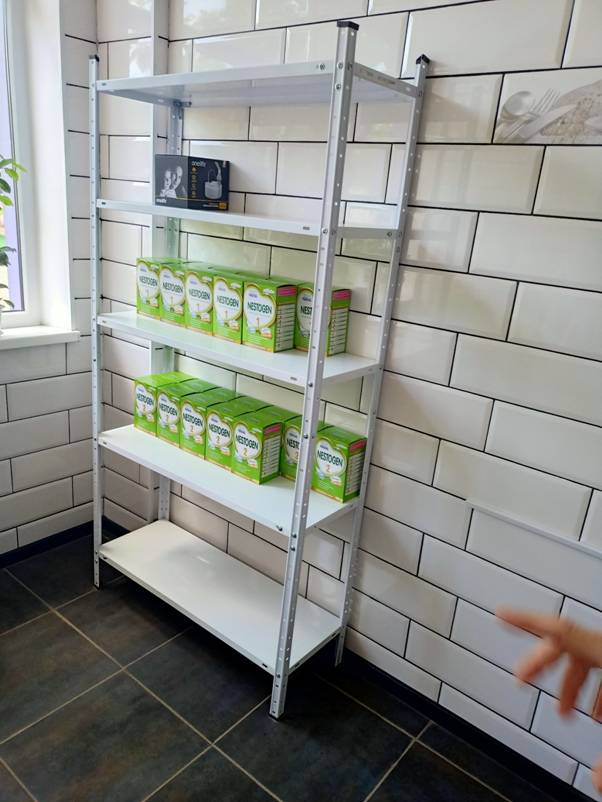
This is artificial baby formula. It is fresh and of high quality.
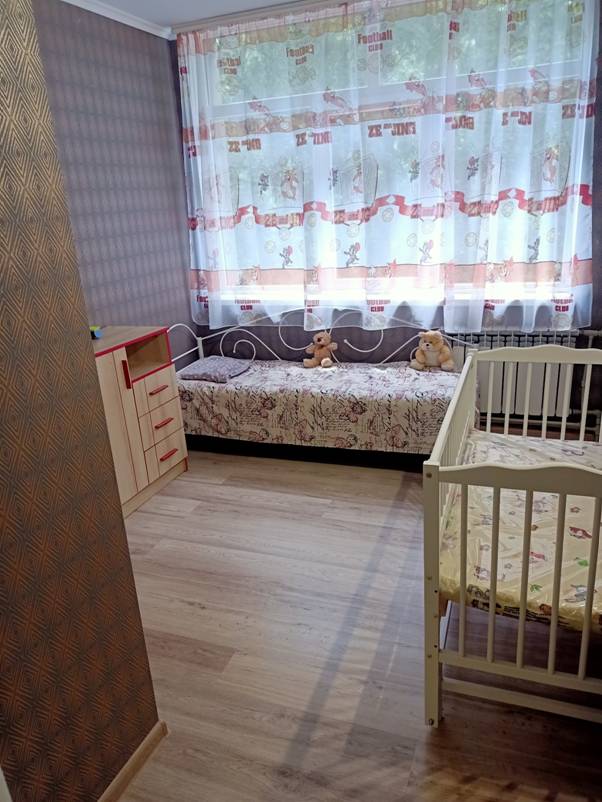
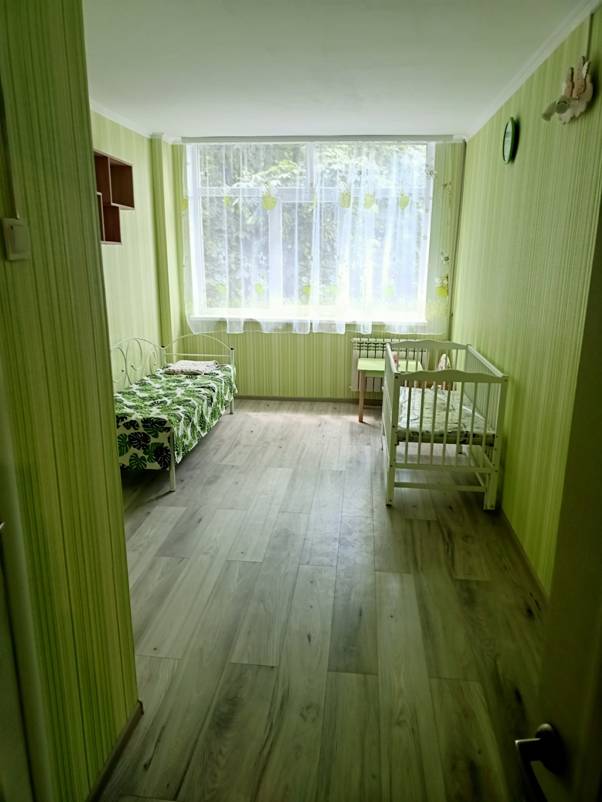
The rooms for mothers to live with their children have one bathroom for two rooms (see photo):
The rooms themselves are decorated in different colours, for example:
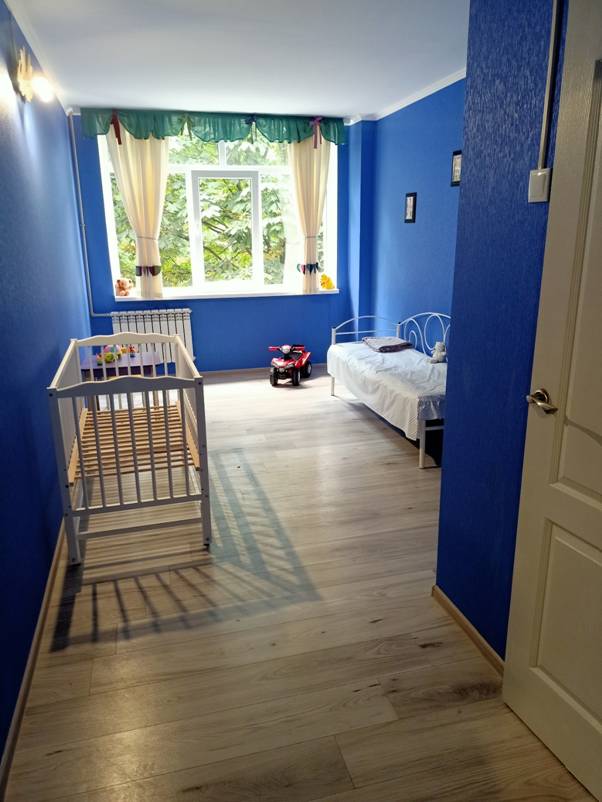
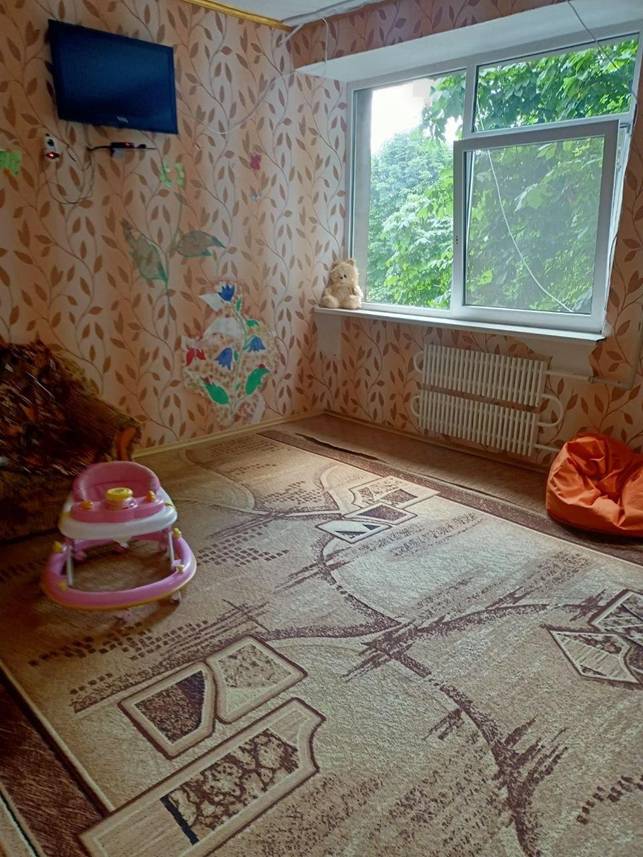
Playroom
The conditions for housing mothers with children are actually good, and this is the main assessment of the sector for women living with children.
Regarding issues that need to be resolved and recommended to the Ministry of Justice, this includes solving the problem of providing children with nappies, which every child needs, but the purchase of which is not provided for and cannot be carried out at the expense of the correctional institution. This same problem accompanies all children who are in the Chernihiv Penal Colony No. 44 and in remand prisons in various cities. The administration of the facility in each case finds a way out—some comes as aid from charitable organisations, funds from industrial production are used when available. But in general, the issue must be resolved, and this applies to the entire range of children's items—medicine, clothing. This is related to the status of the so-called "children's sector," which must find proper definition, consolidation, and appropriate regulation, which was also discussed with the head of the institution, Iryna Bobrova.
Medical Unit
During our stay at the colony, we visited the medical unit. At the time, one woman was staying in the medical unit. Among the 250 convicted women, 47 are HIV-positive. 43 women are receiving antiretroviral therapy (ART); according to the head physician, the majority are on dual-component therapy. Testing of CD4 cell levels and viral load is carried out every 6 months, which complies with protocols; there are also regular visits from representatives of PLWH organisations, who provide the necessary counselling from an infectious disease specialist.
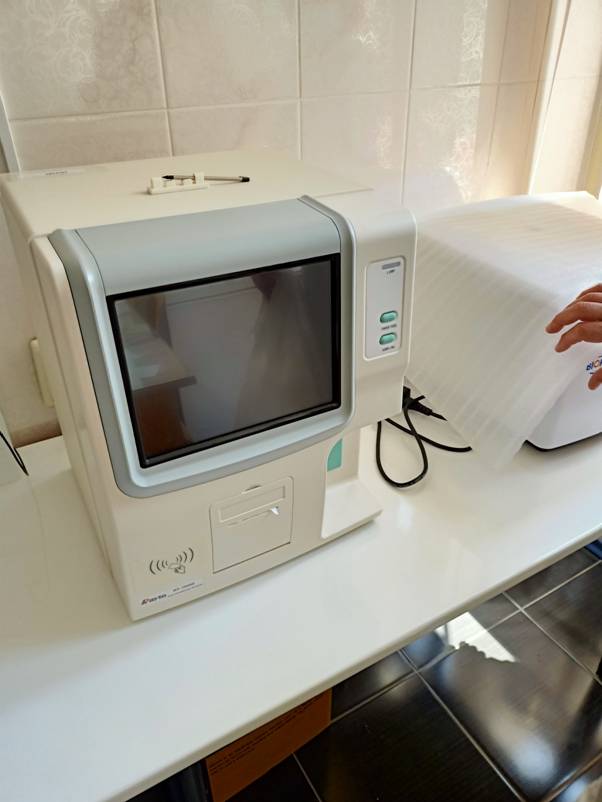
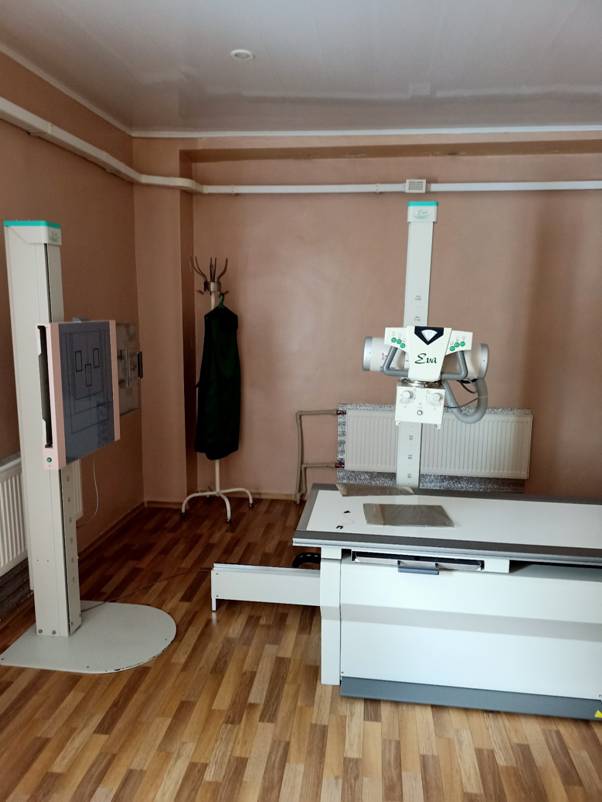
There were no complaints about a shortage of medical staff. The colony has good modern laboratory and instrumental medical equipment, which can be seen in the following photos.
There is a computerised X-ray machine and a digital laboratory unit:
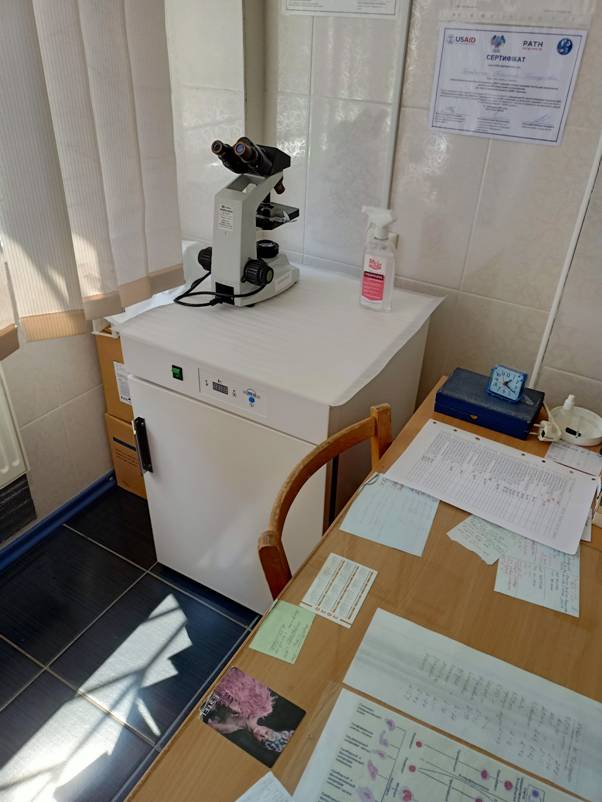
The dental and gynaecological rooms are properly equipped.
There are no recalls of convicts being released due to health conditions (Article 84 of the Criminal Code of Ukraine) in the colony; there are cases of convicts being sent for treatment to other correctional institutions, in particular, to the Vilniansk Penal Colony No. 20 (mental illnesses) or the Zbarazh Penal Colony No. 63 in the case of tuberculosis patients.
The institution's medical unit is well-supplied; one could wish that all medical facilities in the correctional system were provided for in the same way.
Among general systemic remarks that are worth emphasising again is the access of women, who are released from the colony upon completing their sentence, to receiving their medical records. According to the standard, only a so-called epicrisis is issued on a single sheet, and, given that a woman is in the colony for years and has various incidents, analyses, and treatments during this time, and this is part of her important personal information, she should receive this information without a separate request procedure, which is often also ineffective.
Industrial production zone
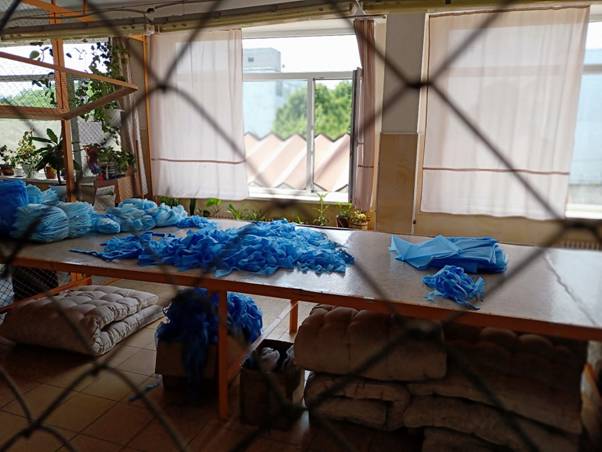
Out of the 250 women in the institution, an average of 120 work in the sewing and other production facilities. The level of pay varies and depends on experience and the products manufactured and sold. The maximum payment that a convict received into her card account (which is 50% of the "net" amount after all deductions) was 4,000 UAH per month; accordingly, the convict's salary in that month was 8,000 UAH. The minimum credited amount to the card account was 400 UAH.
It is worth noting that all women in the colony wear a uniform, which consists of a housecoat-dress with a scarf (see photo of individual interviews); all other women are dressed similarly, including those who worked in the sewing production.
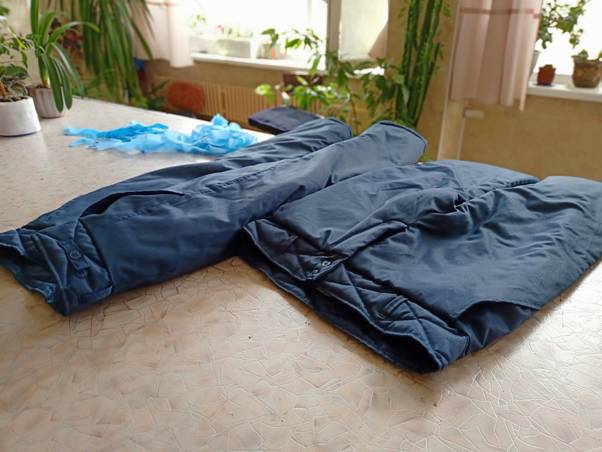
In the sewing department on the day of the visit, protective equipment (masks) and work clothes were being manufactured.
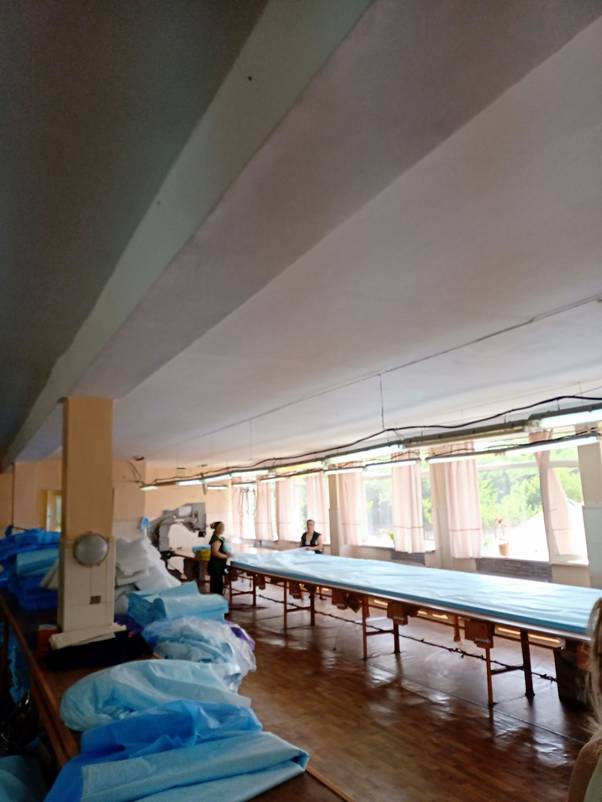
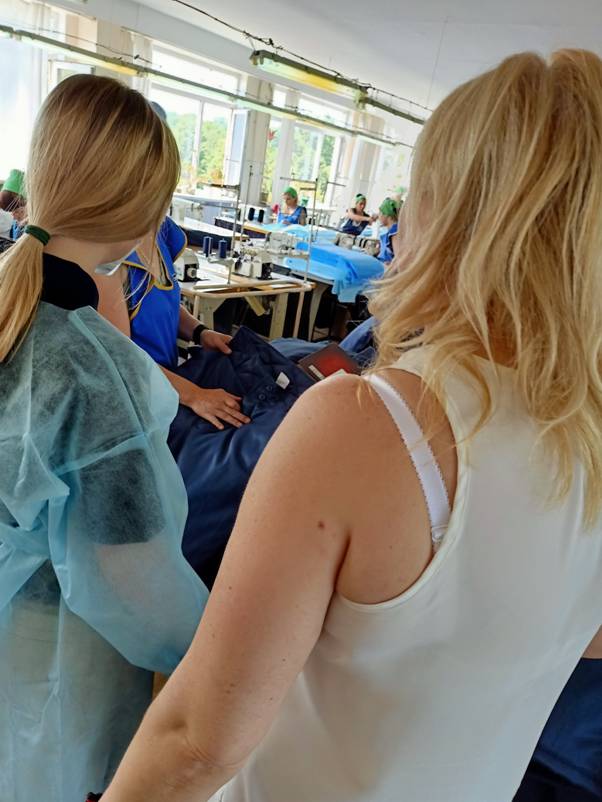
Disciplinary Isolation Ward (DIZO) section
On the day of the visit, one woman was in the disciplinary isolation section, H. S., who was serving an administrative penalty of 10 days (the maximum for women's colonies). The documents for placement in the disciplinary isolation ward were properly processed; the basis for such placement was physical aggression by the convict towards another woman. In this case, it should have been recommended to apply psychological help and correction; at the same time, isolation in such a form was, it seems, justified.
Conditions of stay in the disciplinary isolation ward. The convict was in a not-yet-renovated "typical" cell, whereas the members of the Commission saw a renovated cell with proper conditions.
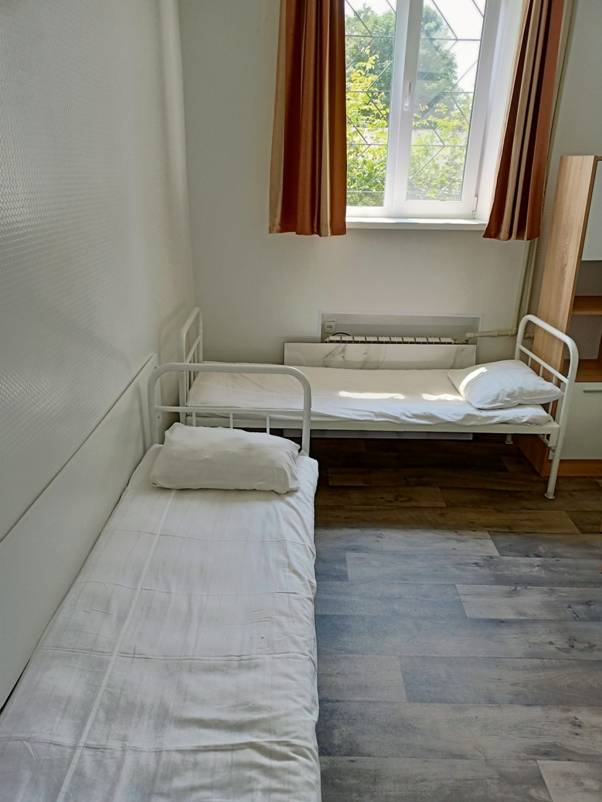
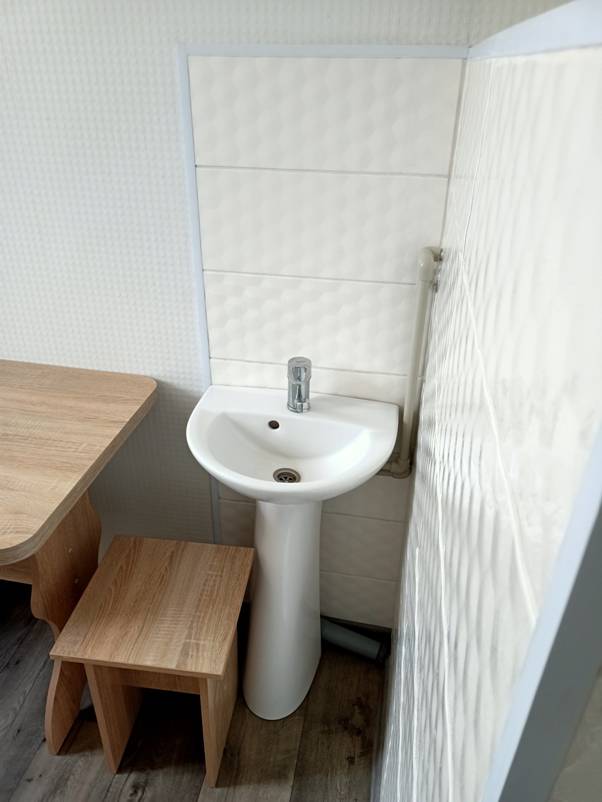
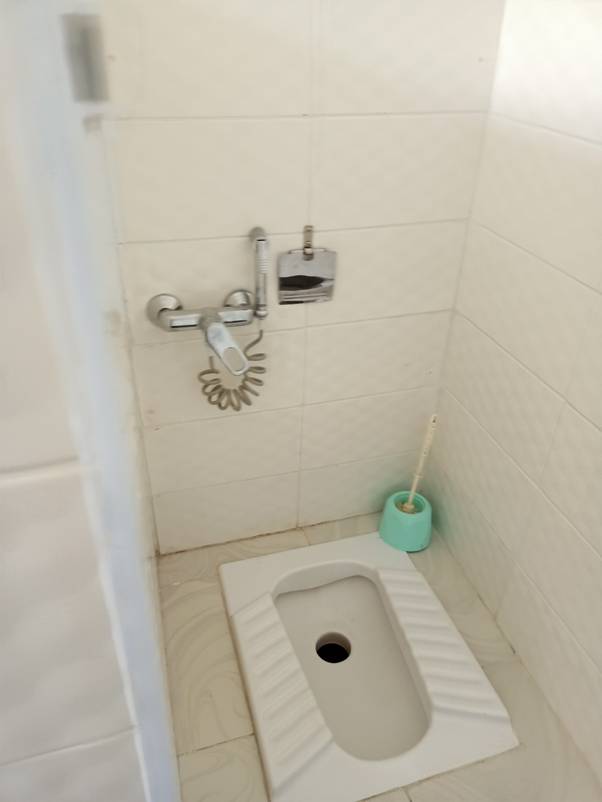
Regarding this last photo, it is worth installing toilets in such premises that will seal the smells from below, because in similar cases, as practice shows, convicts independently block the hole with plastic bottles filled with water.
The social rehabilitation section (DSR) was not visited, but from a conversation with the head of the colony, Iryna Bobrova, it was established that 17 women are preparing to be released and are living in this section. No reports of cases of being transferred from this section back to the colony territory were received.
COVID-19
No cases of diagnosing the disease among convicts and administrative personnel were established. Testing (rapid or PCR tests) had not been conducted.
Post Scriptum
The participants of the visit covered a distance of 900 km on Ukrainian roads within twenty-four hours; the car became richer by one nail, which a tyre "caught" on these roads, however, the information collected in the end convinces us that exactly such an approach should be used in the future by members of the Pardon Commission under the President of Ukraine in complex cases, where personal communication with applicants submitting to the Commission allows for determining additional circumstances and motives for the Commission to make the appropriate decision.
EU project ‘Resisting torture, ill-treatment and impunity in Ukraine’