Monitoring visit to Lychakivska Correctional Colony No. 30
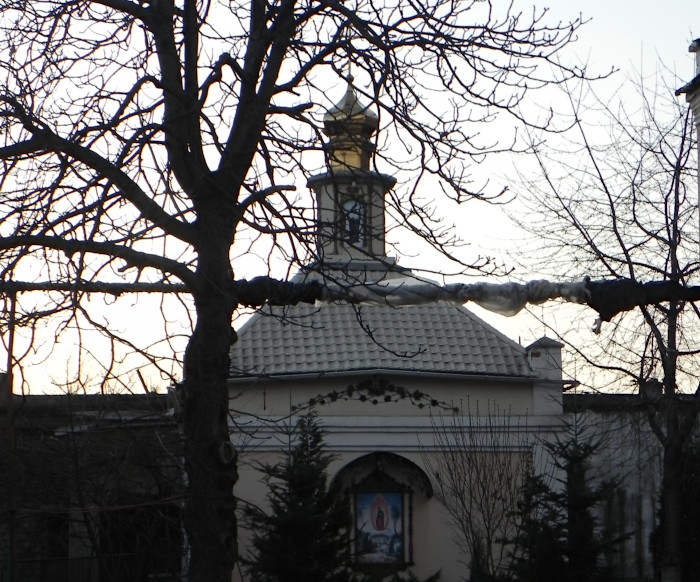
On 21 December 2019, representatives of the Kharkiv Human Rights Protection Group carried out a monitoring visit to the State Institution ‘Lychakivska Correctional Colony No. 30’.
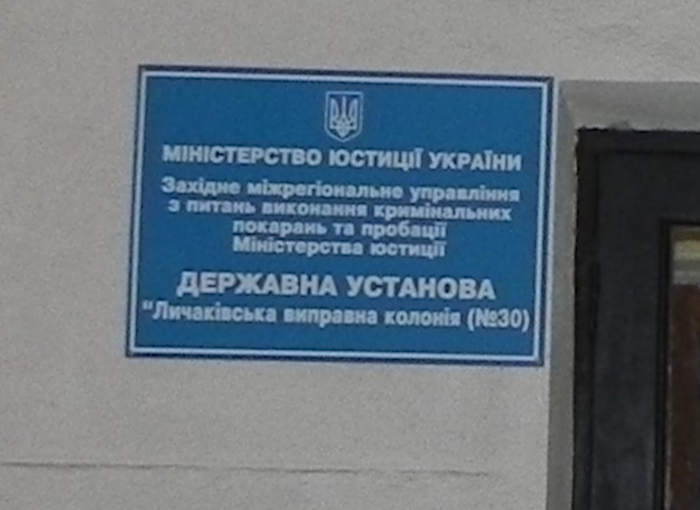
This is a medium-security facility for housing men sentenced to a fixed term who have previously served a sentence of imprisonment. Currently, 672 convicts are serving their sentences in the colony. An educational centre operates within the colony, where 118 convicts are studying. They train specialists in eight trades, including, for example, boiler operator, computer data entry operator, baker, electrician, and welder.
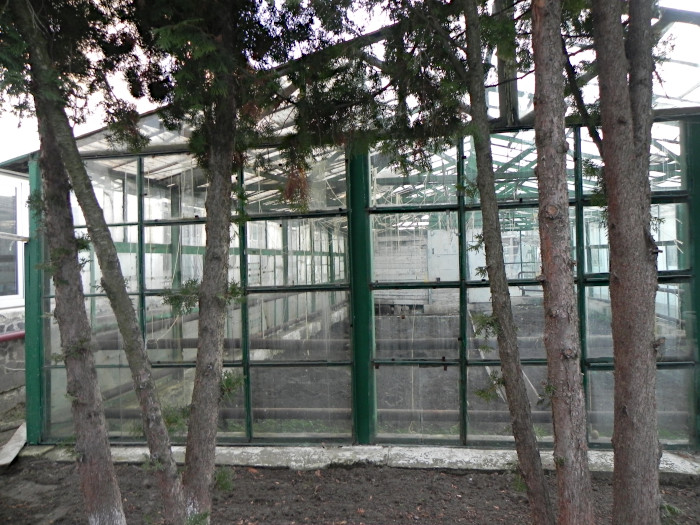
Industrial Zone
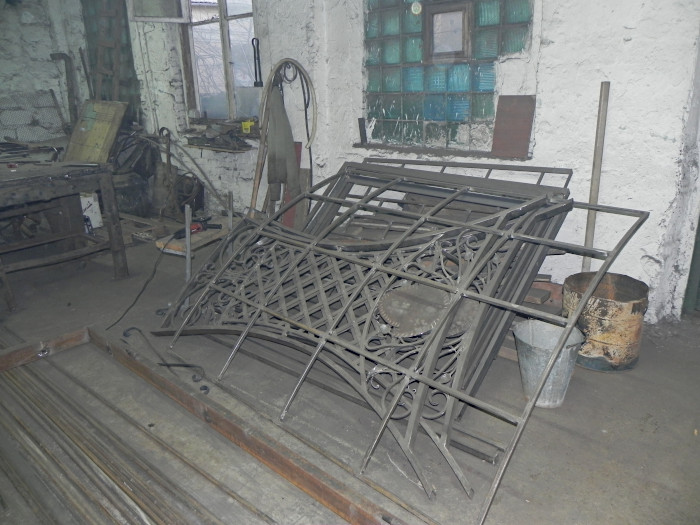
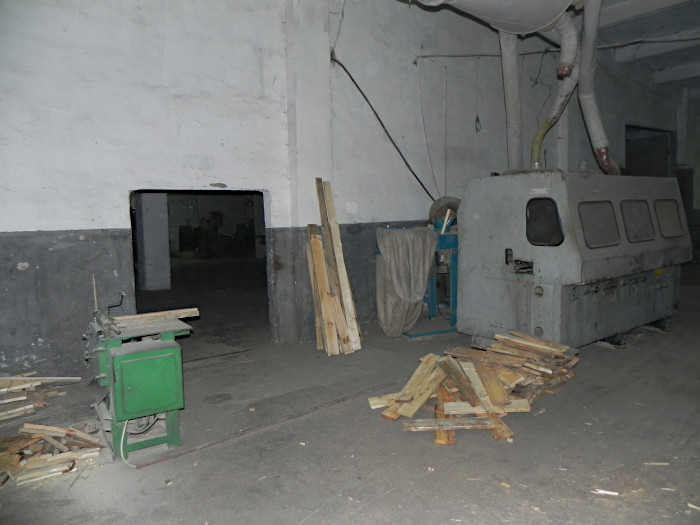
The facility is engaged in sorting bags and manufacturing furniture, as well as forged and concrete products. However, the main activity is the production of automotive wiring harnesses for ‘Fujikura’.
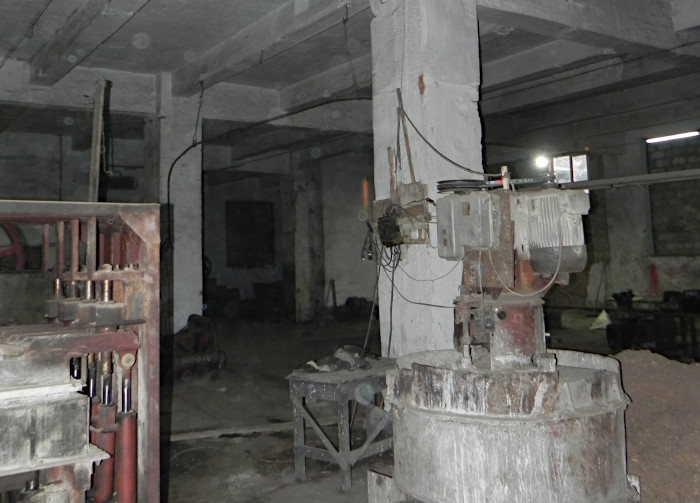
The monitors arrived at the colony on a weekend, so not all workshops in the industrial zone were operating. It turned out that the convicts work without employment contracts. To the monitors’ remark that this violates labour legislation, the facility’s administration representatives explained that the enterprise has no salaried positions; all convicts who wish to work are piece-rate workers; otherwise, the enterprise would be loss-making.
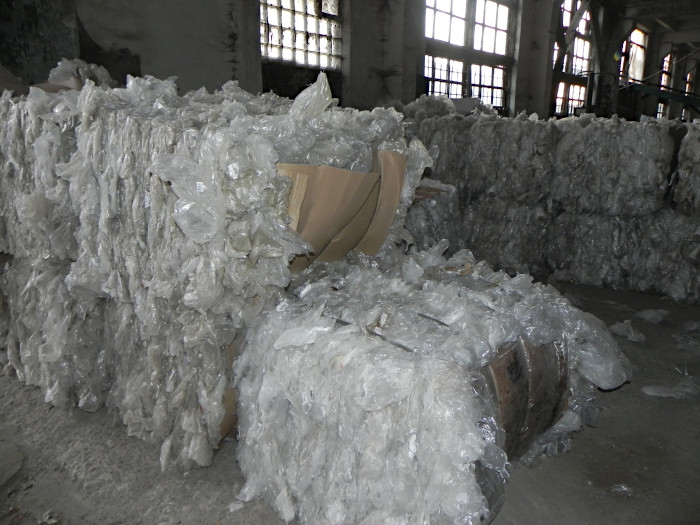
Unofficial employment is not the only problem in the colony’s industrial zone. The actual number of convicts brought to work on that day did not match the figures indicated in the assignment sheets.
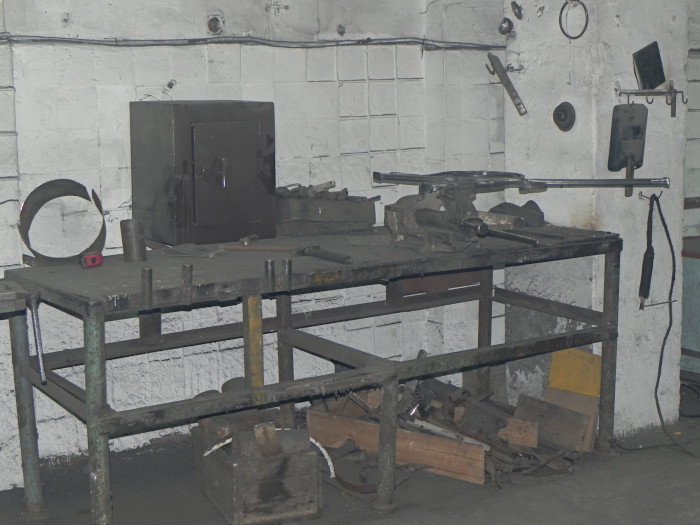
We were never shown the occupational safety logbook.
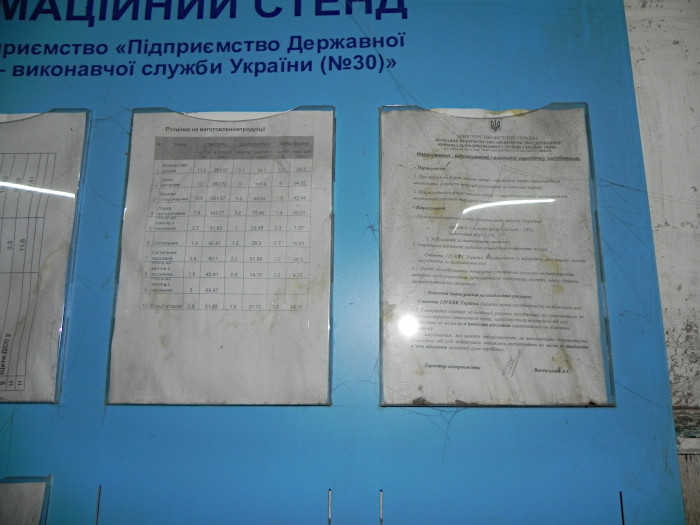
Medical Unit

The monitoring group also identified problems with documentation in the medical unit. Here, according to the head, a hospitalisation log is not kept at all, nor is a mortality log. The fluorography log is ‘hidden’ in the radiologist’s office, where renovations are underway, making it inaccessible. The head of the medical unit was also unable to find the log for medication transferred to patients by relatives.
Overall, the medical unit lacks a general practitioner. Among the convicts, 67 are living with HIV; 65 are receiving antiretroviral therapy, and two are preparing to start it.
The log of bodily injuries in persons arriving at the correctional colony No. 30 contains 9 entries, including such cases as: an incised wound to the abdomen; closed craniocerebral injury; concussion (explanation – ‘slipped and fell in the toilet’); lower jaw fracture (‘hit themselves’), etc.
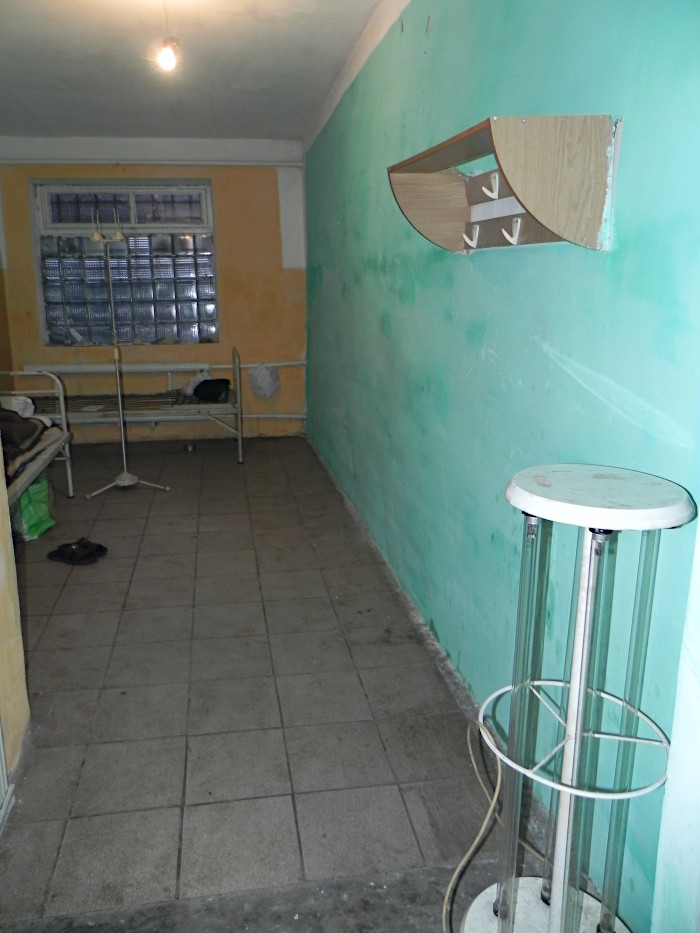
In the ward where a convict with a lung disease was being held, the window glass was sealed with adhesive tape, and the ward was quite cold.
Canteen
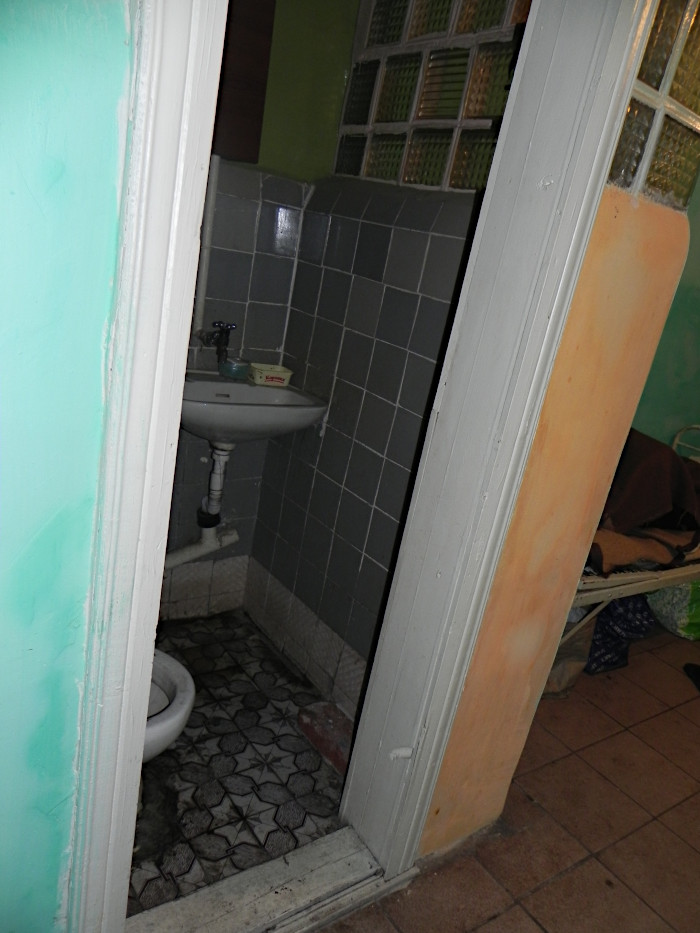
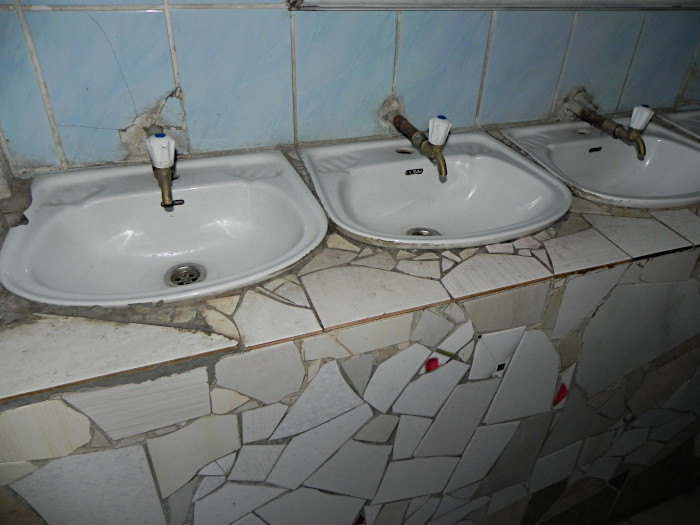
There is no lighting in the hand-washing area of the canteen, and soap and towels are missing. The hall is large (it is an assembly hall), but there are extraneous odours.
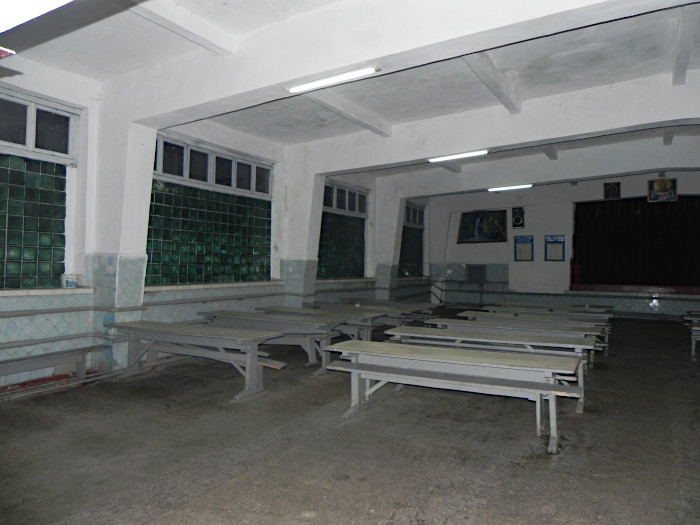
Ten convicts work in the canteen, but their medical records, according to the administration, are kept by the civilian head of the canteen, whose working day had already ended.
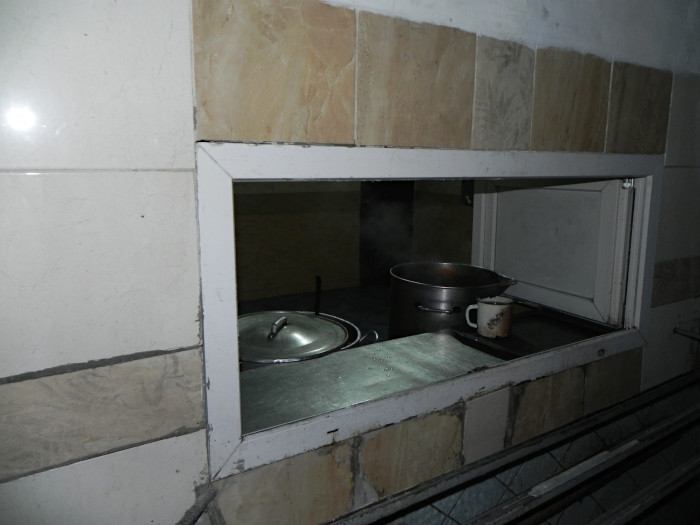
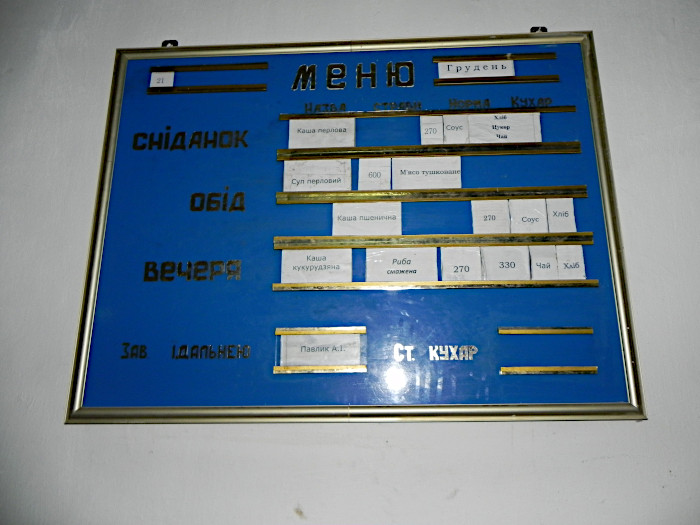
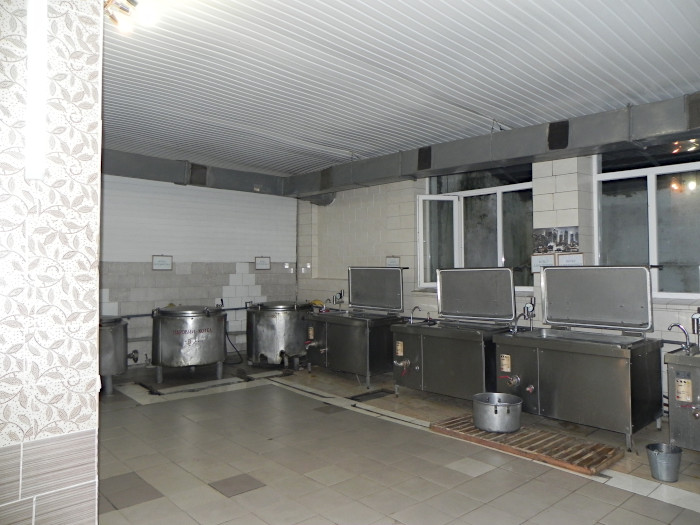
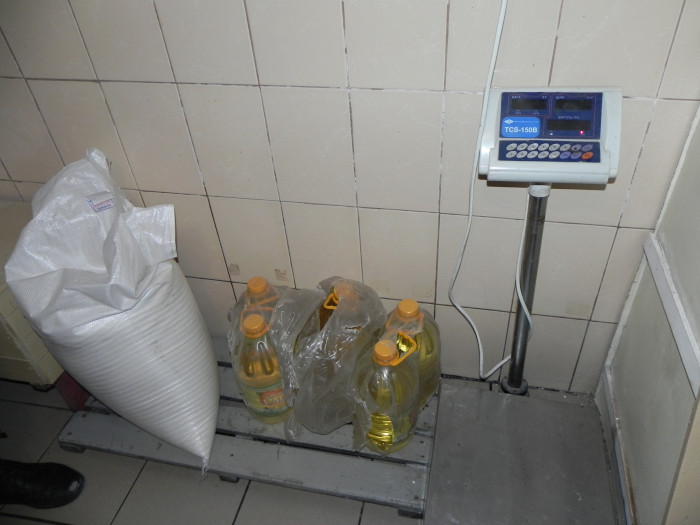
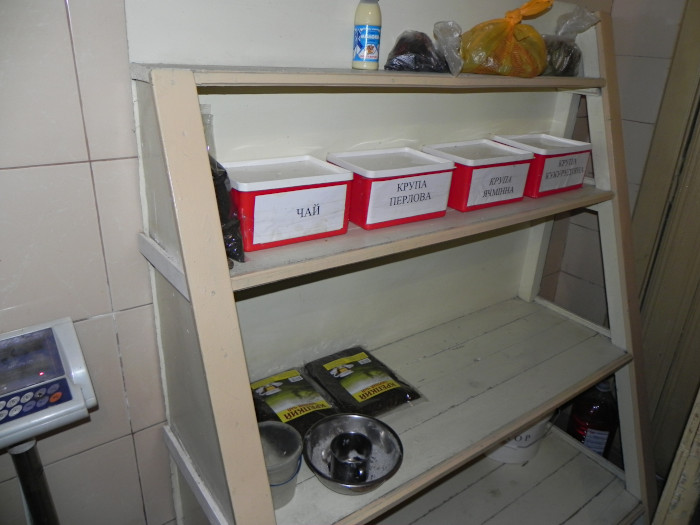
Fish was served for dinner, which looked appetising. There is no dietary catering, despite the fact that there are many convicts among the patients with hepatitis and gastrointestinal diseases.
Living Zone
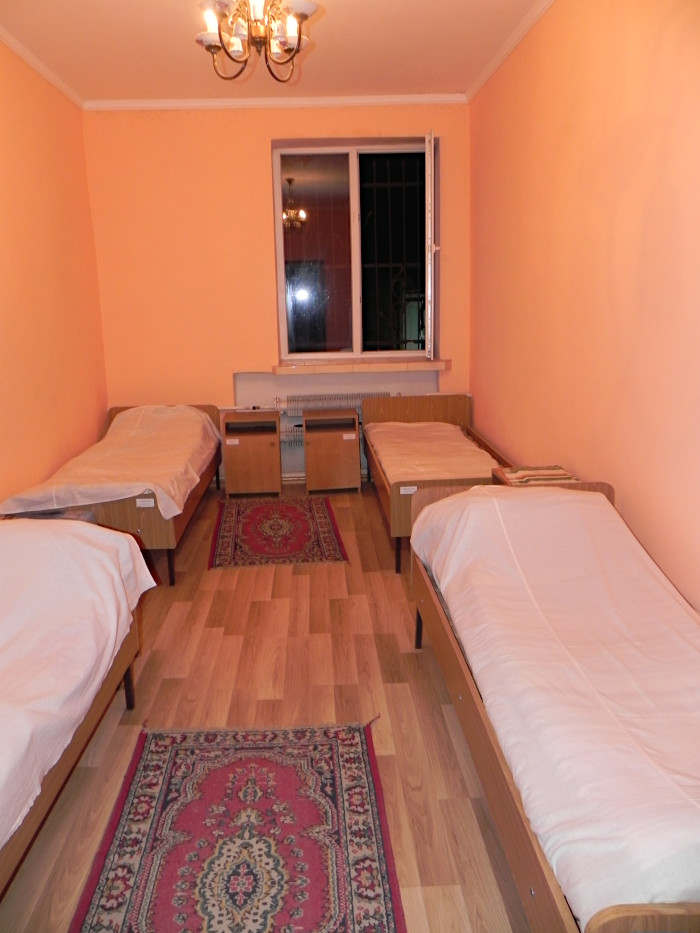
The first unit is almost renovated (repairs are ongoing on the second floor). Decent conditions have been created here: it is clean and spacious.
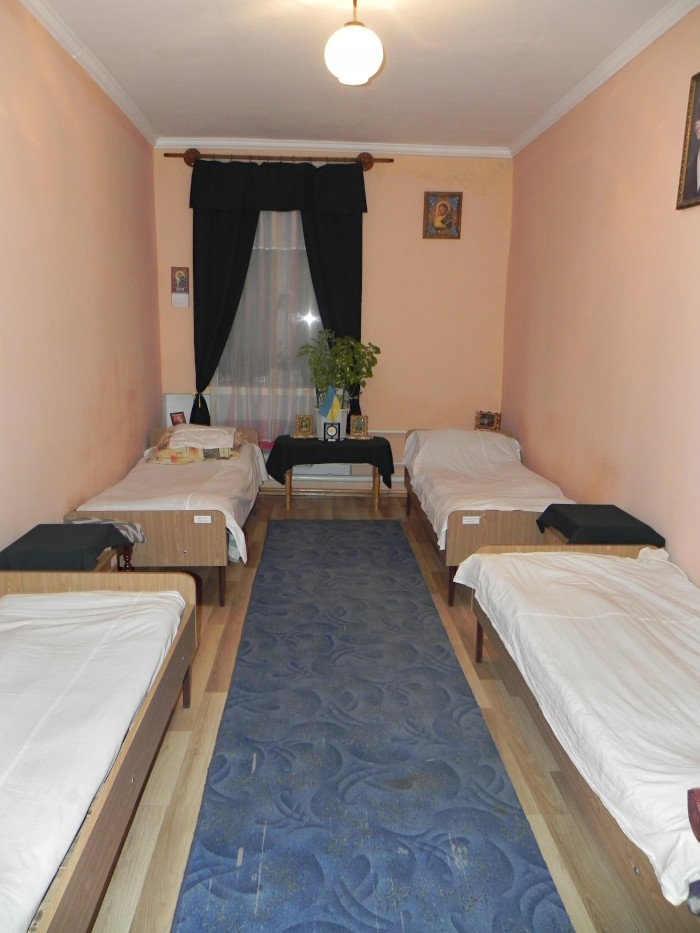
The social rehabilitation sector is also in reasonably good condition.
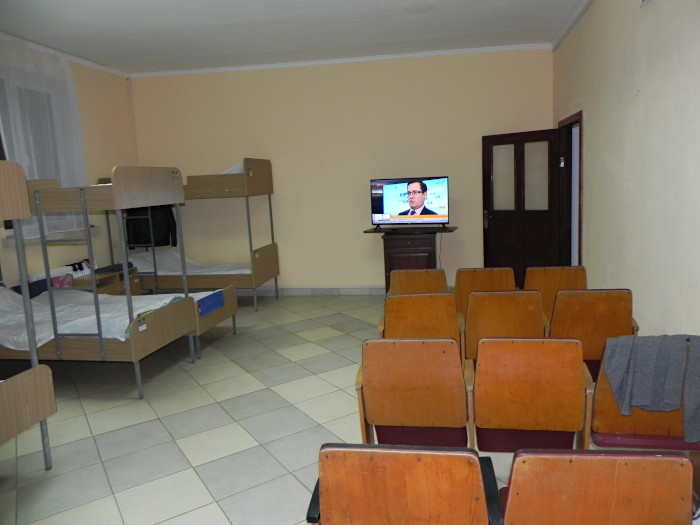
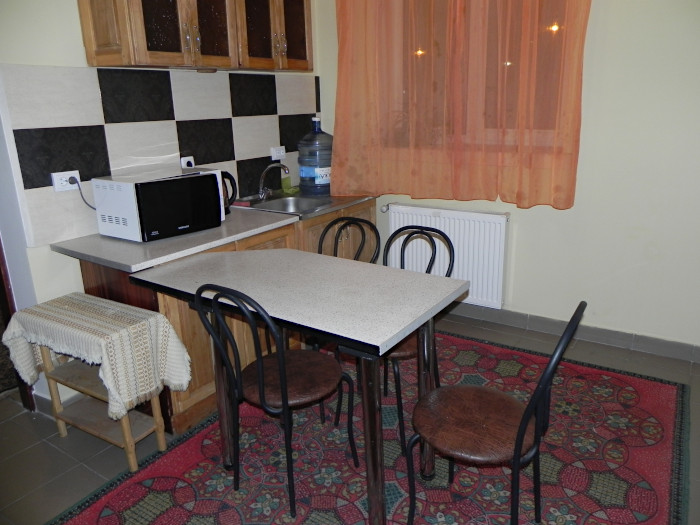
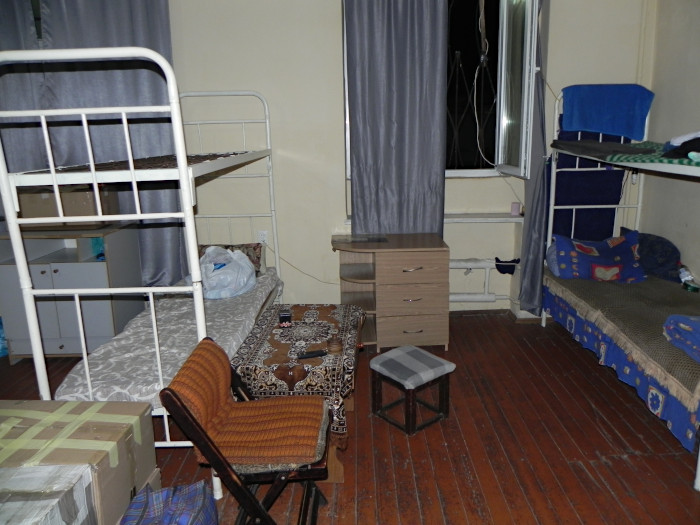
However, such conditions are not found everywhere. One of the units is clearly overcrowded: bunk beds are pushed tightly against one another and covered with blankets. Some rooms could not be photographed without convicts appearing in the frame.
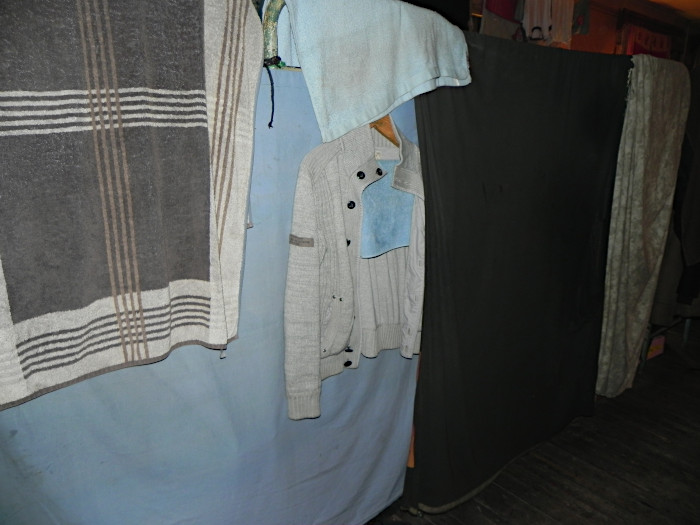
Disciplinary Isolation Unit (DIZO)
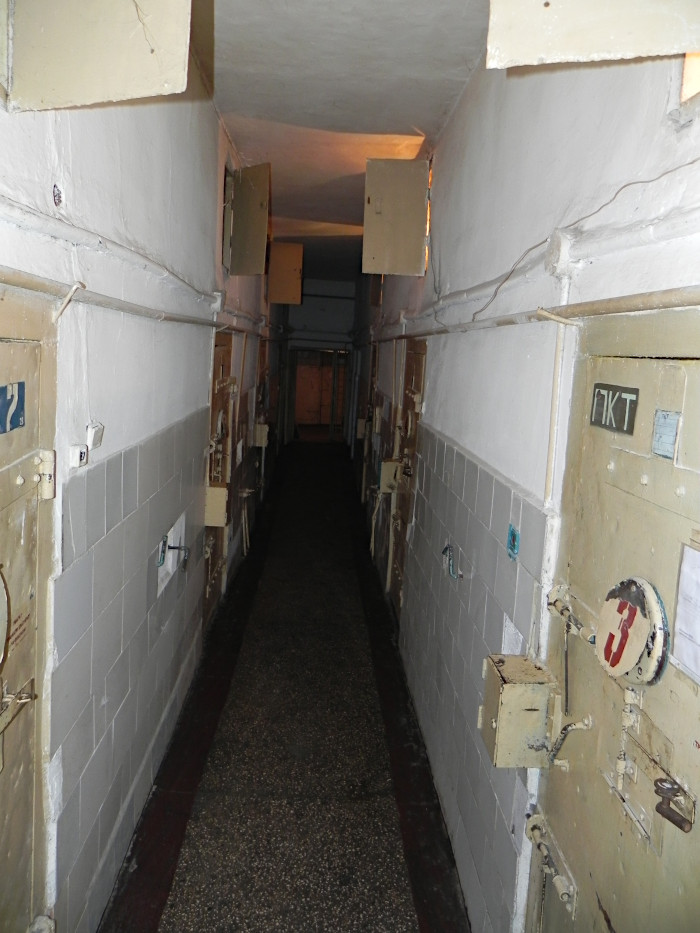
About 140 convicts end up in the disciplinary isolation unit per year. At the time of the visit, one convict was in the DIZO, and one was in the chamber-type premises. It is quite cold in the isolation unit.
Bath Complex
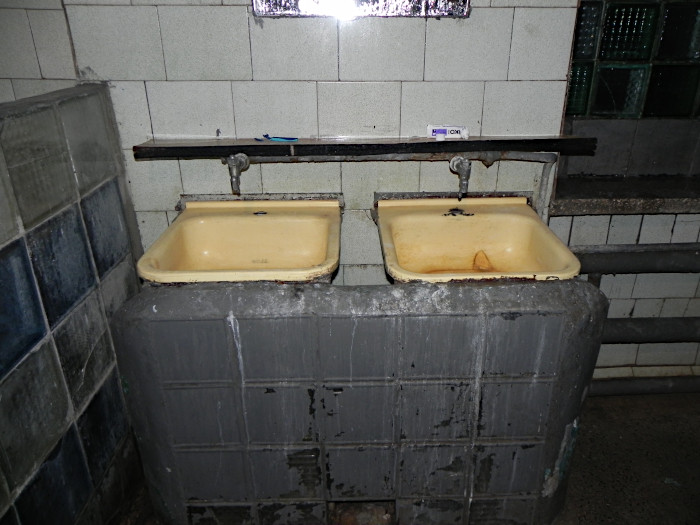
The bath complex has separate rooms for clothing repair and ironing.
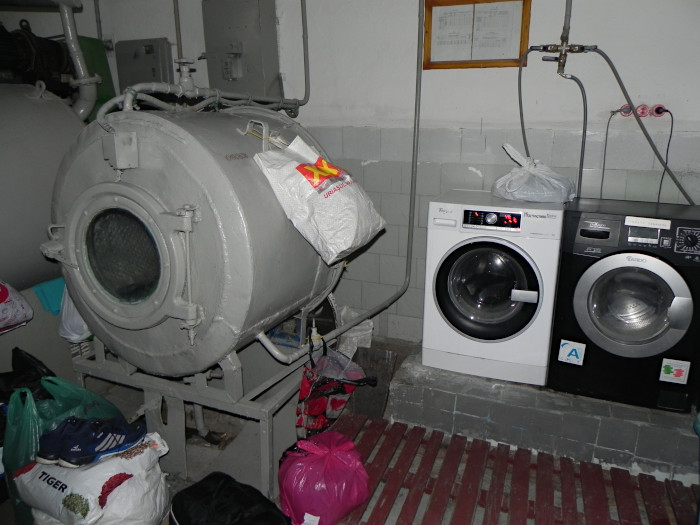
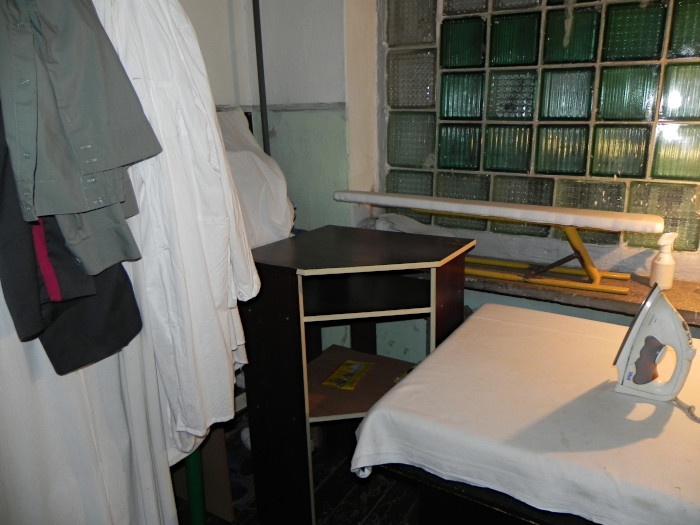
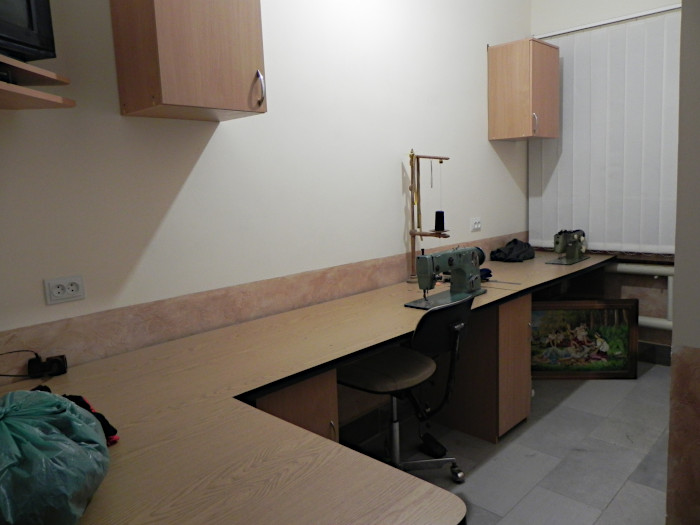
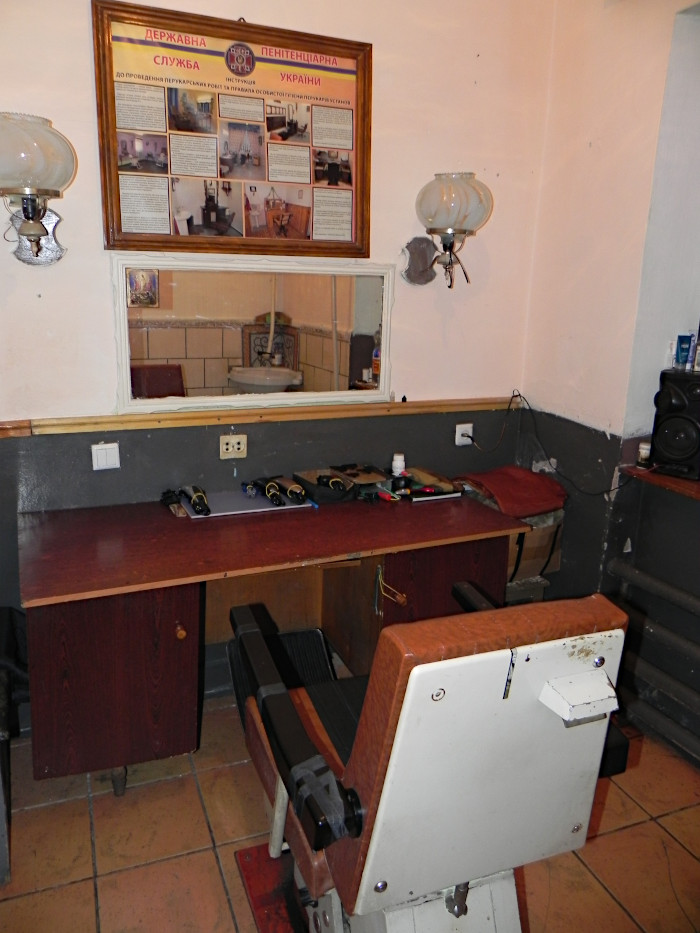
There is a functioning barbershop.
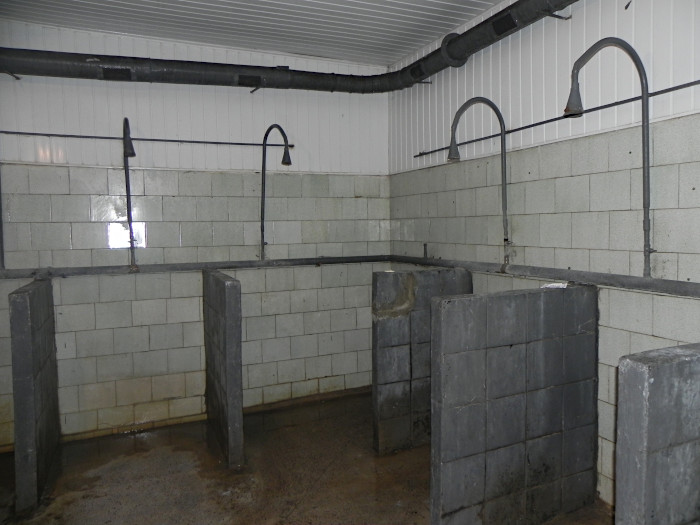
The shower area is in need of repair; the cubicles do not close, which violates the convicts’ right to privacy.
Recommendations:
-
resolve the issue regarding employment contracts;
-
bring living conditions in all units into compliance with the standards established in legislation;
-
familiarise industrial zone workers with occupational safety standards and maintain the appropriate logbook;
-
maintain medical unit documentation properly;
-
complete repairs to the X-ray room;
-
equip shower cubicles in the bath complex with at least curtains.
EU Project ‘Fight against torture, ill-treatment and impunity in Ukraine’.