Monitoring visit to Vesele Correctional Centre No. 8
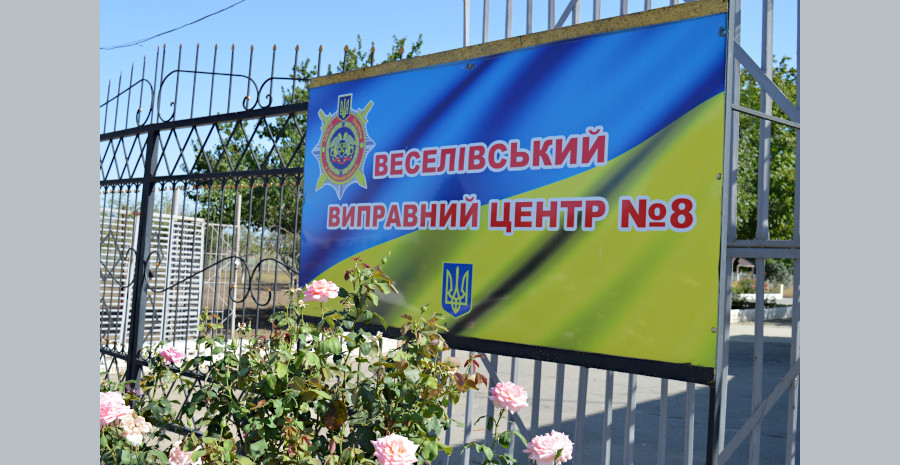
On 27 August 2019, the KHRG monitoring group visited Vesele Correctional Centre No. 8. This institution is located in the village of Ozerne, Vesele district, Zaporizhzhia region, at a significant distance from the main transport hubs. Therefore, it is not surprising that the relatives of the convicts rarely visit the institution, and the convicts themselves dream of being transferred to other institutions located closer to ‘civilisation’.
The correctional centre has its own specific features. Here, convicts sentenced to restriction of liberty serve their sentences, as well as those whose remaining part of the sentence was replaced with a milder one. They have the right to move freely around the institution’s territory, go outside the institution to the industrial zone, and also (with the permission of the head) go to the shop, post office in the village, etc. Convicts are also allowed to use mobile phones.
On the day of the visit to the institution, 64 convicts were serving their sentences there. Although a few weeks ago there were over eighty—eighteen people have been released on parole recently.
One of the main problems of the institution is the great difficulty with parole. In particular, the local court has repeatedly and baselessly refused to grant their motions for release. Subsequently, the regional court of appeal has repeatedly cancelled such decisions.
Industrial zone
The correctional centre has a primary—agricultural—focus in its industrial activities. It owns more than five thousand hectares of arable land; it also has equipment for their cultivation and hired workers who perform such work. Convicts are rarely allowed to work with machinery due to a lack of relevant knowledge. Most of them work in auxiliary jobs—for example, as shepherds, grain loaders, etc.
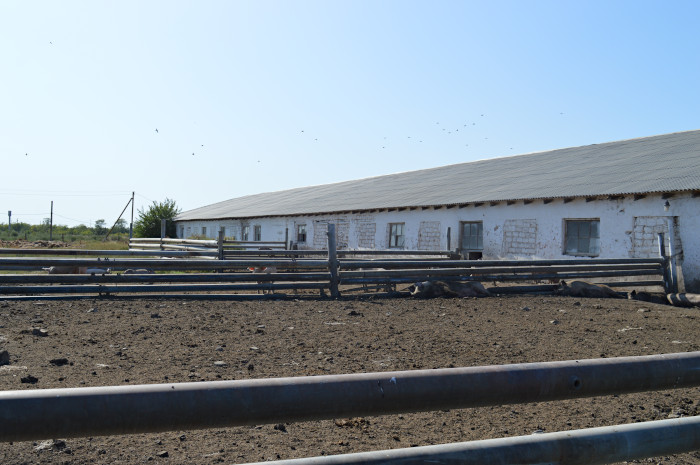
The monitoring group inspected the cowsheds, pigsties, and saw the paddocks for horses. In most cases, the livestock equipment used is old, of Soviet design. The convicts complained that their work is not automated at all.
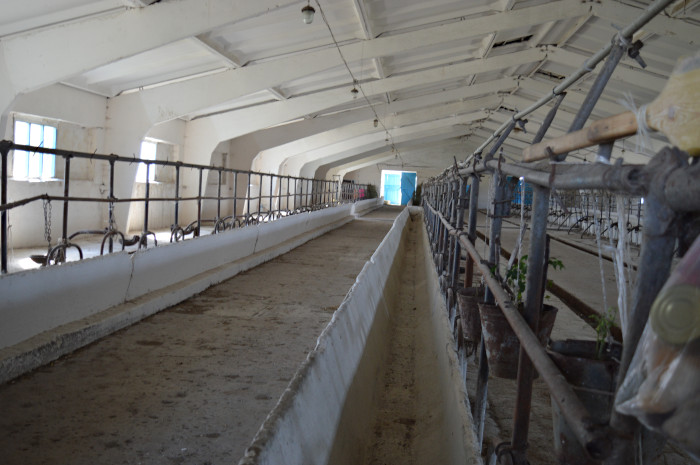
The main problem is the salary level. The convicts complained that, working a full day in heavy production, they receive 500–600 hryvnias ‘net’ in their hands. Only a few of the convicts receive more—shepherds, for example, can receive up to 2000 hryvnias in season. The convicts are also outraged by the size of the deductions for heat, water, and electricity supply. Especially since they are not provided in full. In particular, at ten o’clock in the evening, the lights in the institution are not just turned off, but electricity as such disappears.
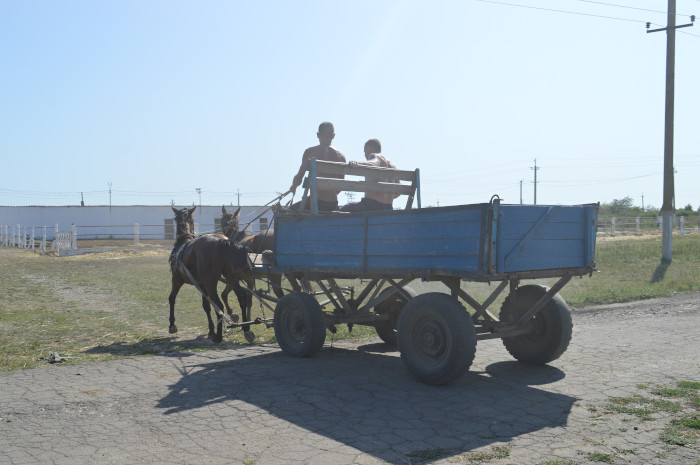
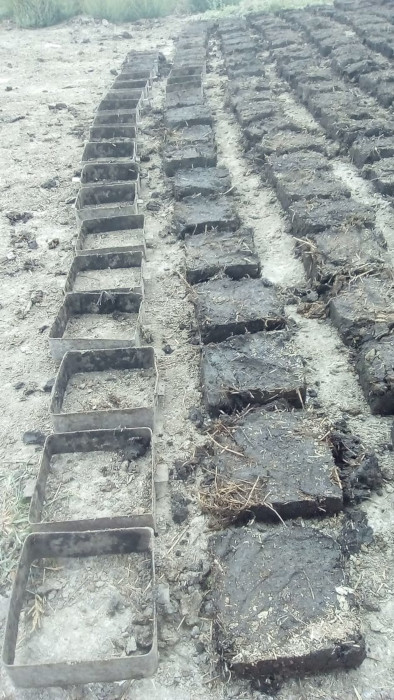
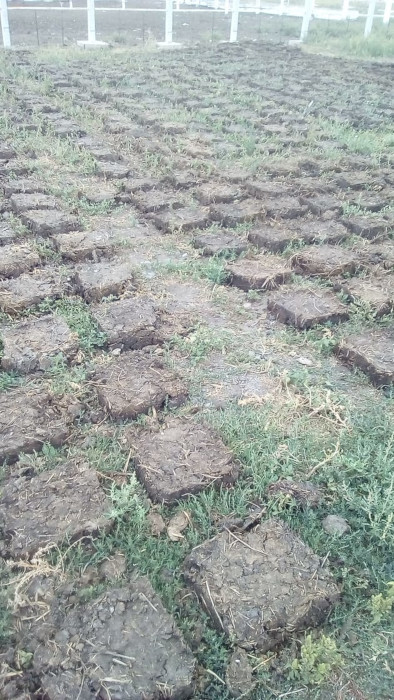
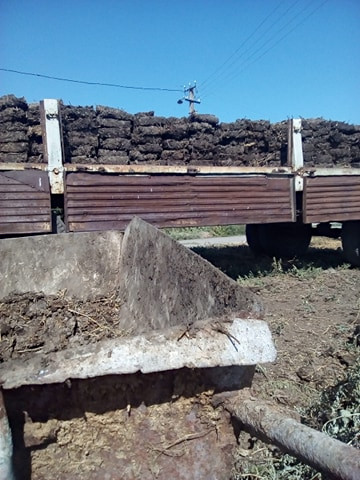
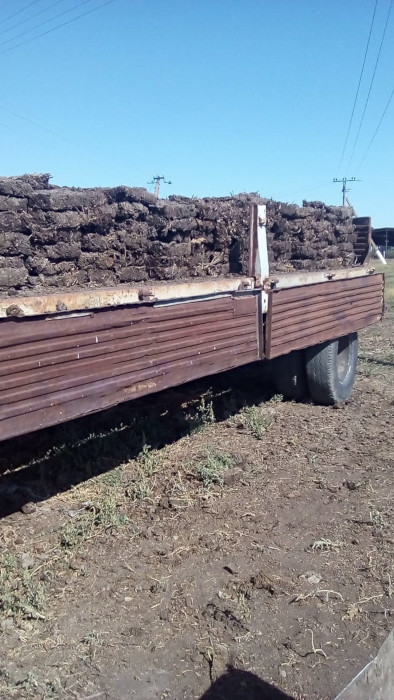
Some convicts also spoke about underground production, which, of course, was not shown to the monitoring group. We are talking about the production of alternative fuel from cow dung. The institution is heated with its help in winter, but work in such production is not registered in any way, although it is quite difficult. In particular, the convicts have to carry heavy wheelbarrows of manure by themselves. The work norms are significantly inflated, which does not allow the convicts to receive decent wages.
DIS-PKT
At the time of the monitors’ arrival at the institution, there were no convicts in the DIS. However, according to the administration, disciplinary practice in the institution is quite widespread. The DIS cells are renovated and in a satisfactory condition. The sanitary unit is separated by a sufficiently high partition from other rooms.
In a private conversation with the monitors, the convicts reported that disciplinary sanctions are occasionally applied without grounds to those who wish to be released on parole. Such sanctions, on the eve of the commission’s consideration of materials on such a matter, become the basis for refusal of release.
Residential zone
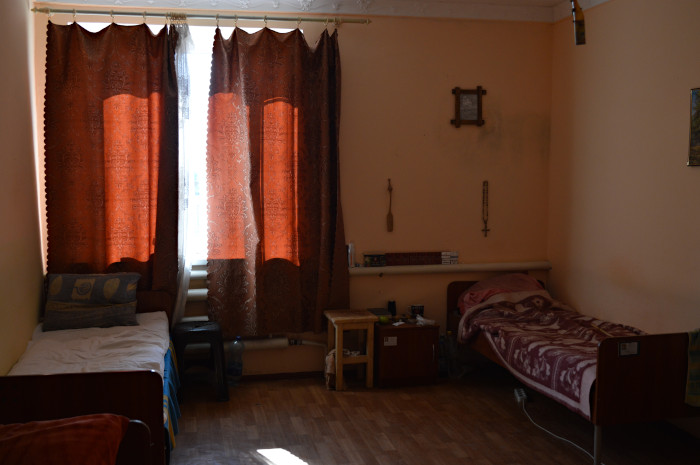
All convicts are accommodated in a two-storey residential building. Initially, the monitors visited the second floor, where bedrooms, sanitary units, rooms for eating, and rooms for rest are located. The bedrooms are designed for six to eight people. The institution’s administration reported that rooms had recently been re-planned. Thus, previously all convicts were accommodated in one large dormitory, but subsequently, a decision was made to change the layout for the convenience of the convicts.
On the second floor, there is also a room for social and psychological work with convicts. Reconstruction was recently carried out in this room according to European standards. Indeed, the room looks clean and well-kept. However, the monitors were unable to speak with the psychologist himself—he was on leave. The convicts reported that he does not conduct psychological and educational work with them, and it is impossible to sign up for a consultation with him. They see him in the morning when he comes to work and in the evening when he goes to the bus.
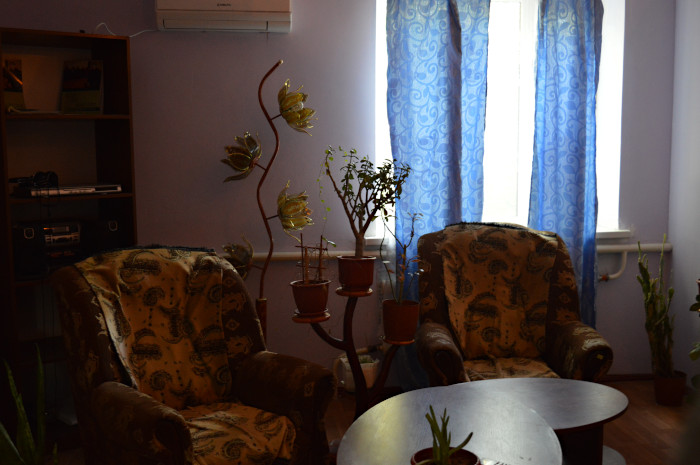
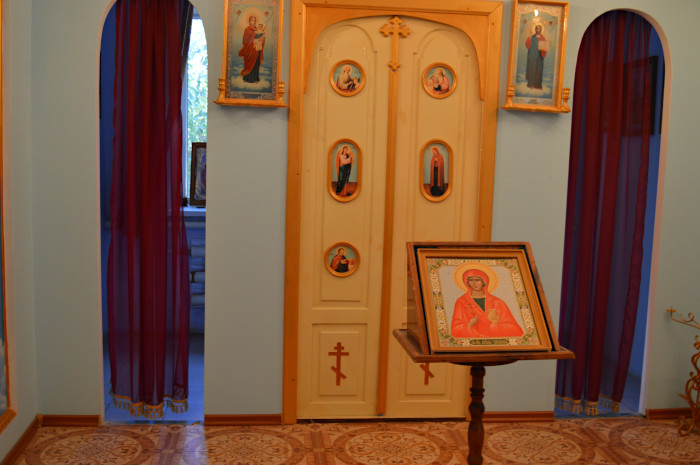
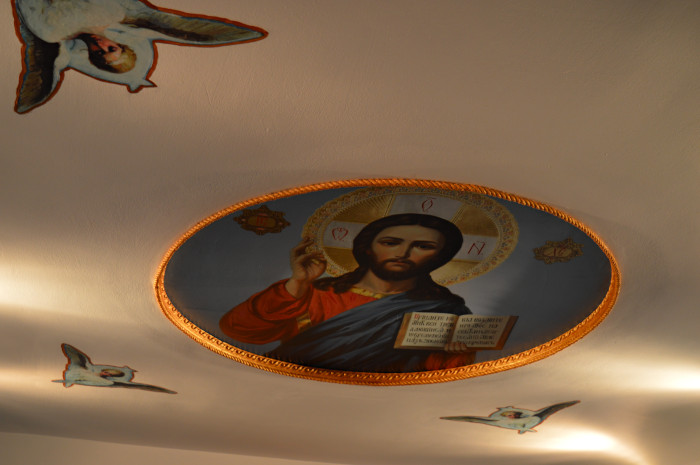
In the residential area, there is also a room—an Orthodox church. It was also recently renovated. According to the administration, representatives of the Orthodox denomination, as well as other religious organisations, regularly come to the institution.
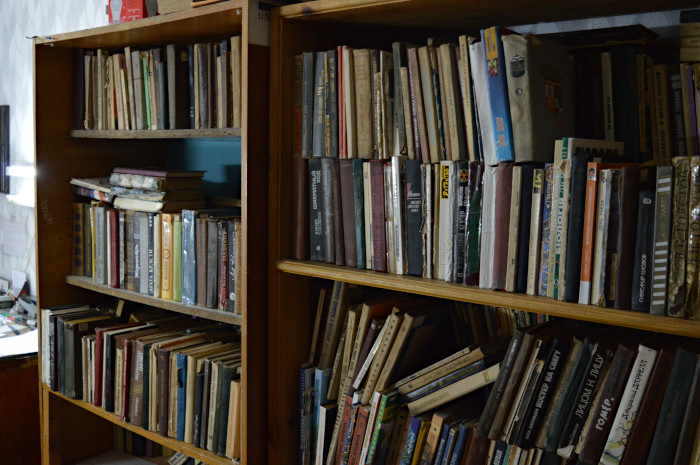
There is a library operating in the institution. There are many books there, including legal literature. However, the codes are already very ‘well-read’, so the base of legal literature requires updating.
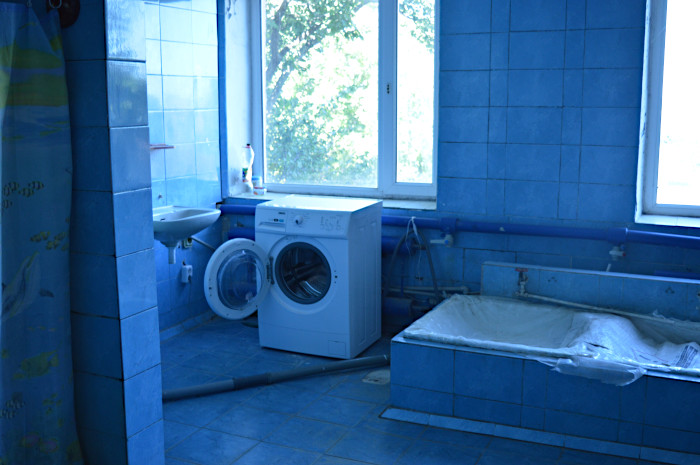
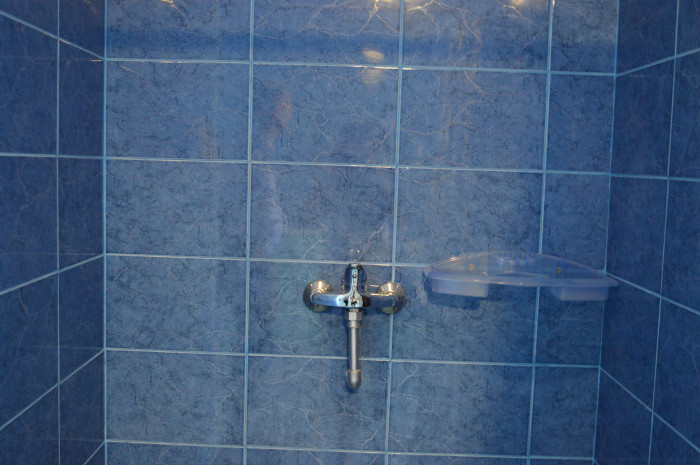
Finally, the monitors visited two bathrooms—on the first and second floors. The bathroom on the second floor is in a satisfactory condition. However, there are no toilet rooms in the bathroom—only showers and washbasins. Washing machines are also installed here. During a personal conversation, the convicts reported that they can only do laundry three days a week, so the capacity of the machine and the time are not enough for all 64, and previously 80, convicts to wash their things.
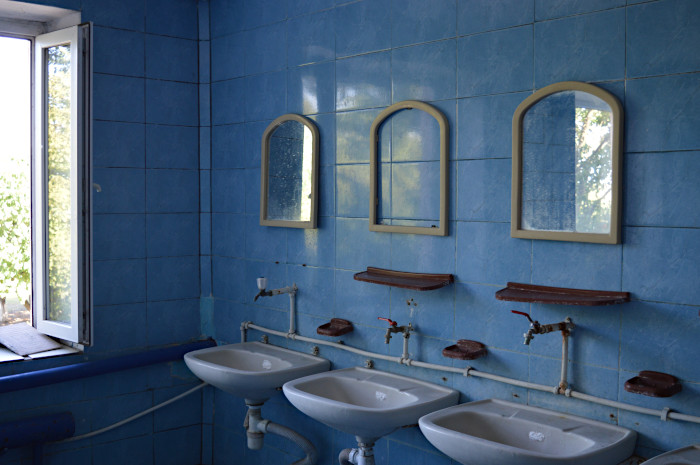
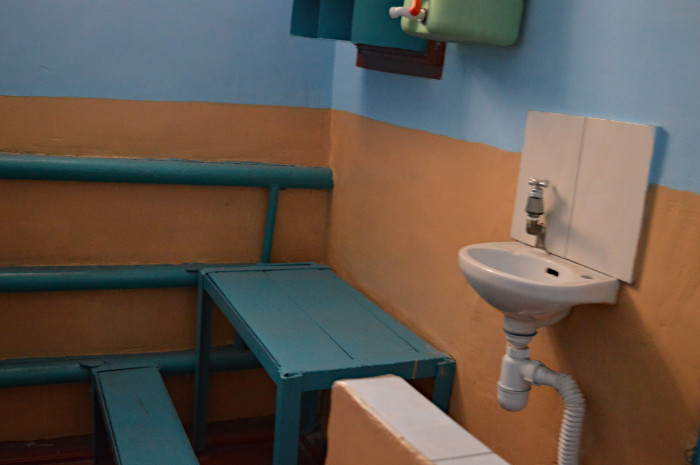
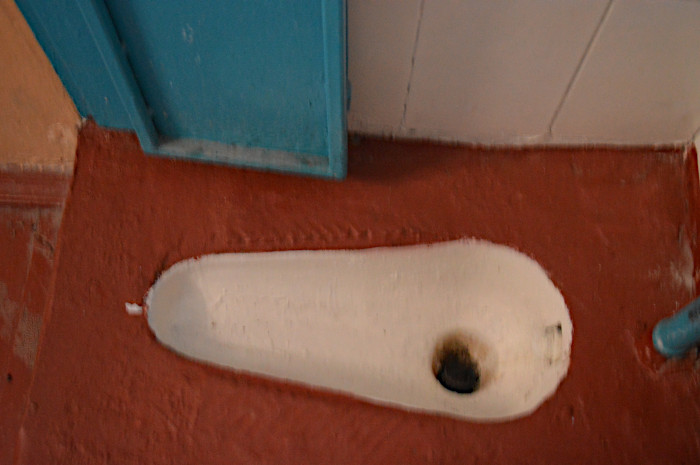
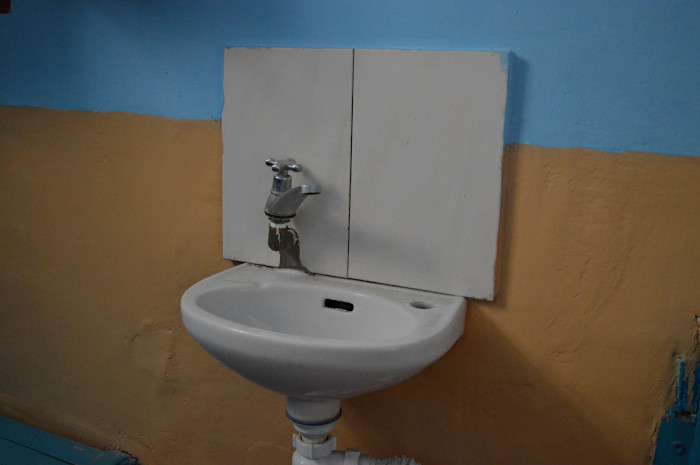
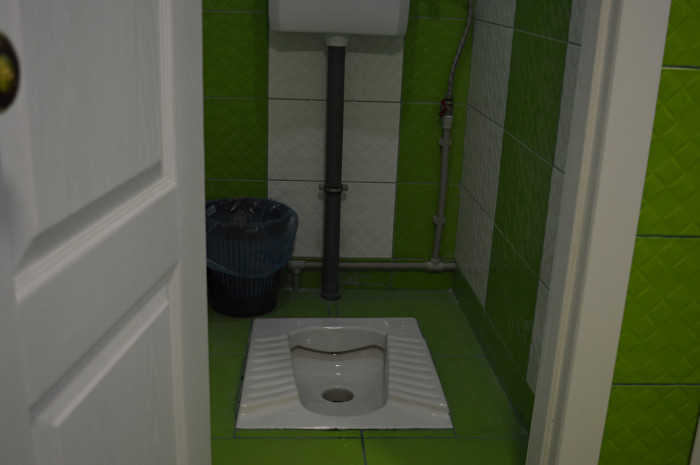
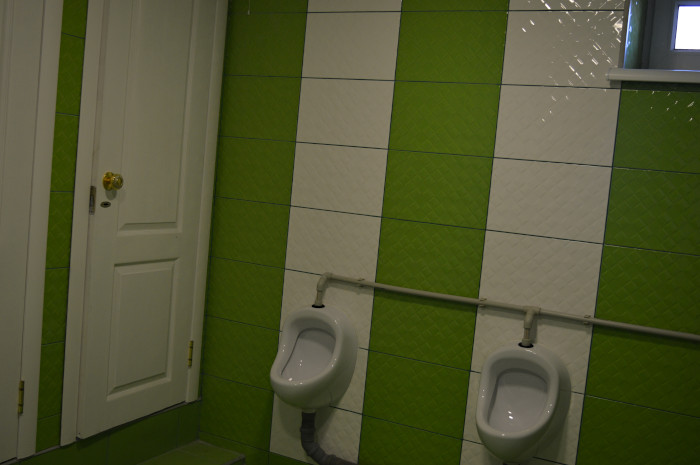
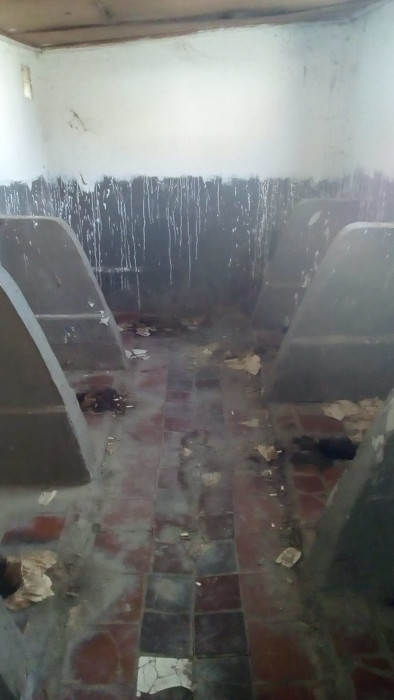
But in the bathroom on the first floor, there are toilet rooms. The sanitary room was recently renovated and is clean. However, there is no water in the washbasin taps. And most importantly, the convicts claim that they cannot use this room. On weekdays, it is locked, and it is only opened when inspections come. On other days, the convicts are forced to go to the outdoor toilet, which is in a dilapidated state. In addition, utilities are not connected to that toilet, and therefore the convicts have to pay for the pumping out of sewage from the cesspool at their own expense. We suggest comparing the conditions in the new and old toilets.
Food block
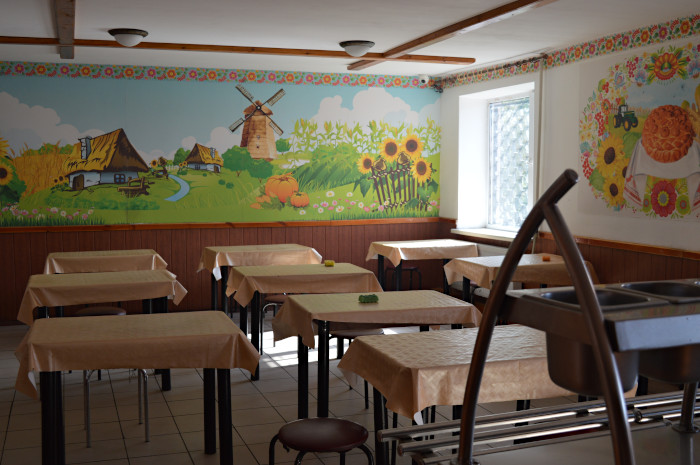
The monitors visited the institution’s food block. Dinner was just being prepared there. All the food had a pleasant smell and looked fresh. However, the convicts told the monitors the opposite. According to them, the food is impossible to eat. Firstly, the meat provided is black, has a very unpleasant smell, and tastes disgusting. The fish also has an unpleasant smell and tastes like nothing. Worms appear in the cereals from time to time. And the convicts here have not seen potatoes for more than three months. The convicts do not understand why this happens, because the institution has its own farm, which could fully supply the institution with fresh meat, cereals, eggs, etc.
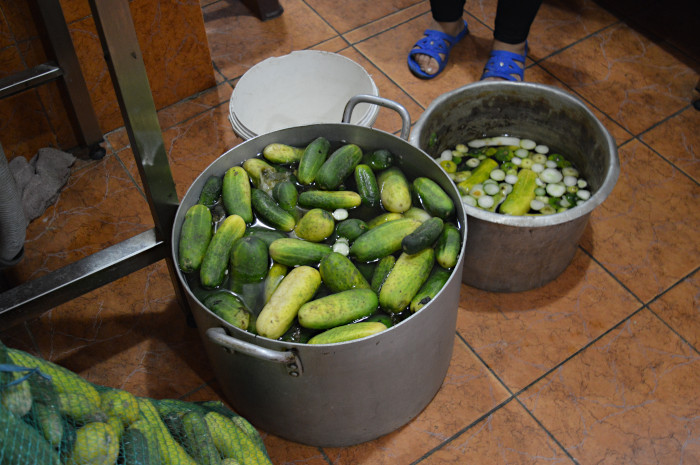
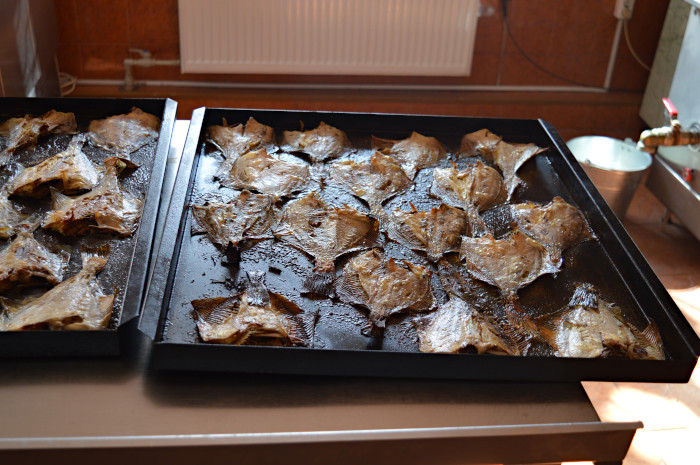
The kitchen premises themselves look clean and renovated, but at the same time, the convicts working in the kitchen do not have sanitary booklets.
EU project ‘Fight against torture, ill-treatment and impunity in Ukraine’