Report on the results of a monitoring visit to the State Institution ‘Priazovska Correctional Colony No. 107’
On 26 April 2019, a monitoring group consisting of Dmytro Reva, Maryna Davydova, and Oleksandr Kadiievskyi visited the State Institution ‘Priazovska Correctional Colony No. 107’ for an unannounced monitoring visit.
Upon arriving at the gates of the institution, the monitors met the acting head of the colony, K. V. Maliy; from the subsequent dialogue, it appeared that the administration of the Mariupol Pre-trial Detention Centre had warned her about the potential visit by the monitors to the institution.
Access for the monitors to the colony was granted in record time.
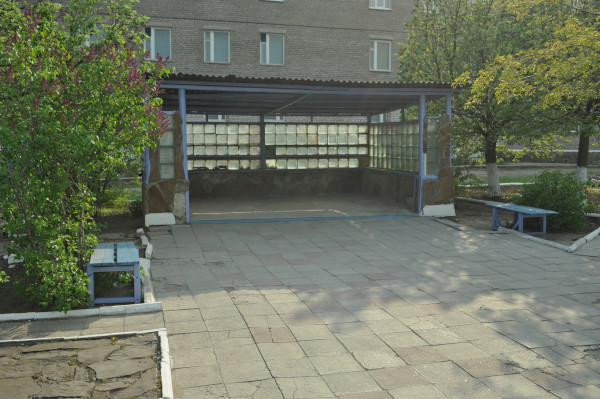
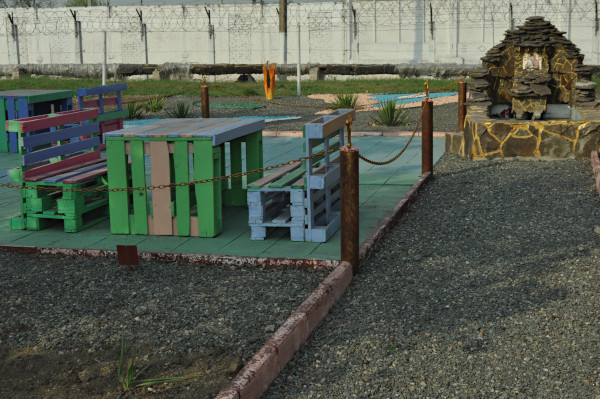
Colony No. 107, a minimum-security facility, houses women aged between 18 and 74. The institution is designed to accommodate 600 persons, but is currently at ten per cent capacity.
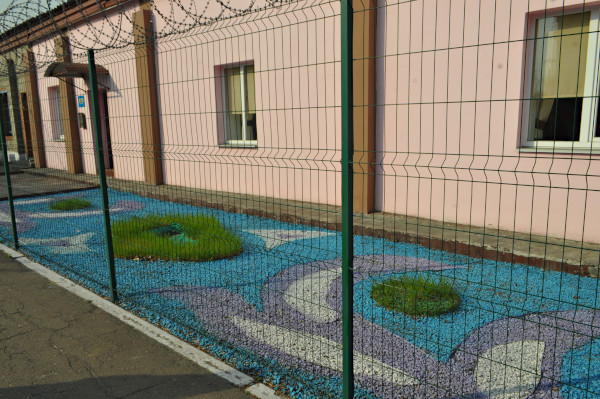
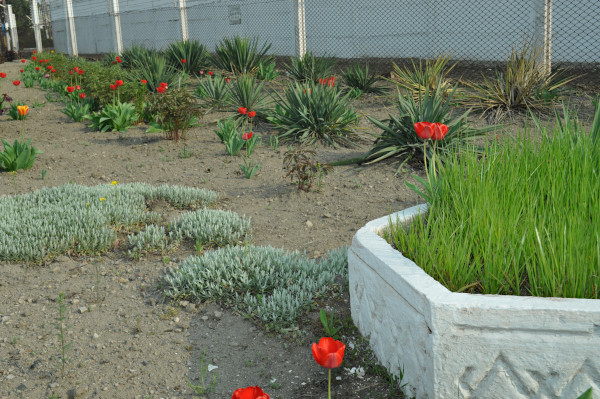
DIZO/PKT Section
At the time of the monitors’ visit, the DIZO/PKT section (disciplinary isolation cell/chamber-type premise) did not contain a single person. According to the administration, the imposition of such penalties on prisoners is a rarity; only one person has been placed there during the current year, and these cells are usually empty. The premises are in satisfactory condition; there are no foreign odours or dampness, and no signs of use.
Medical Unit
The medical unit is divided into an outpatient department and an inpatient ward. At the time of the monitors’ visit, there were no prisoners in the medical unit. According to the management, the medical unit staff is sufficiently staffed, and absent specialists are replaced by doctors from civilian medical institutions. The medical unit is fully stocked with antiretroviral therapy, which is received by all individuals with a confirmed positive status. Tests for viral load and cell counts are conducted regularly. Vacutainers and everything necessary for blood collection and transport are available. In general, the medical staff and the administration of the institution view the implemented reform positively. They note that there were logistical problems at the beginning, but these have now been resolved, and the separate medical unit is functioning well.
Living Area
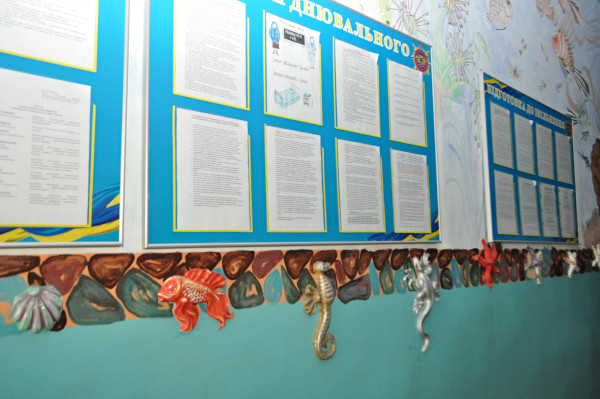
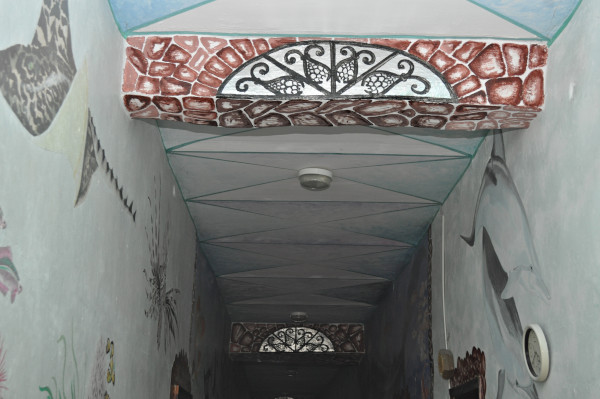
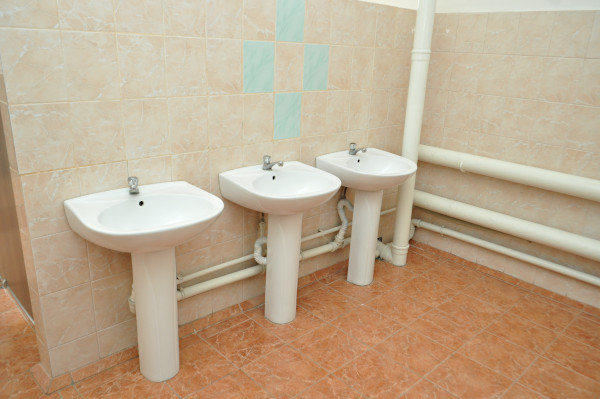
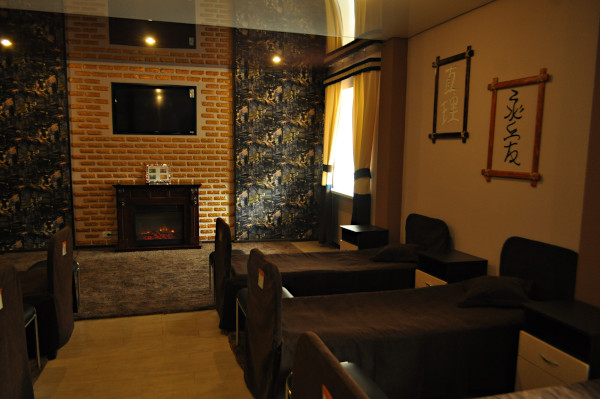
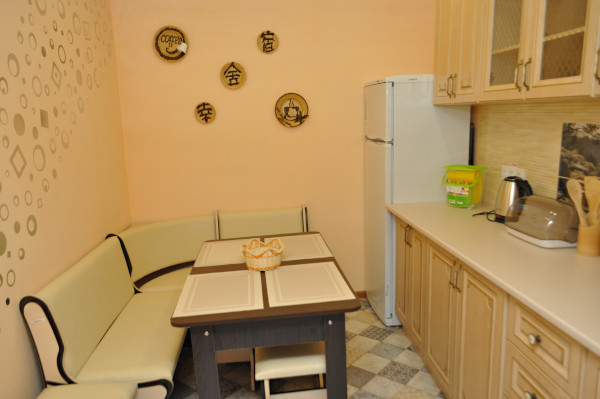
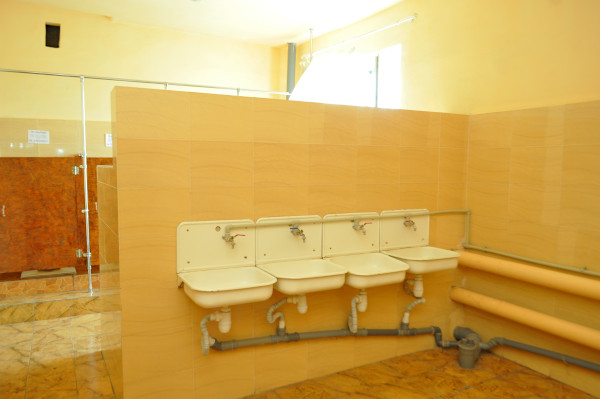
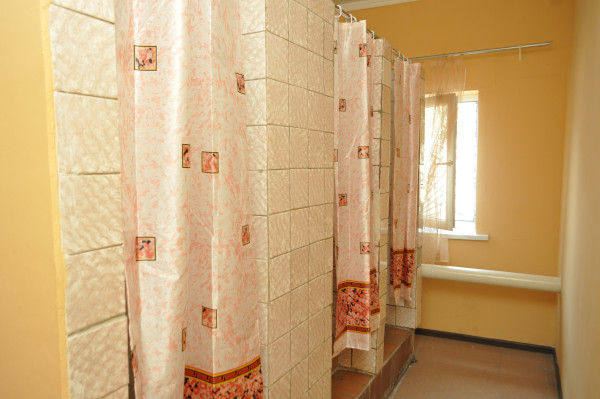
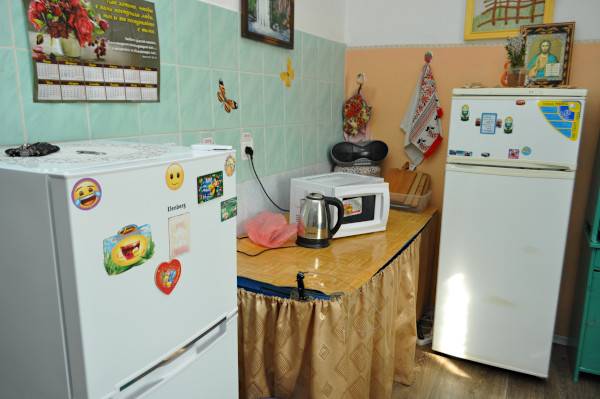
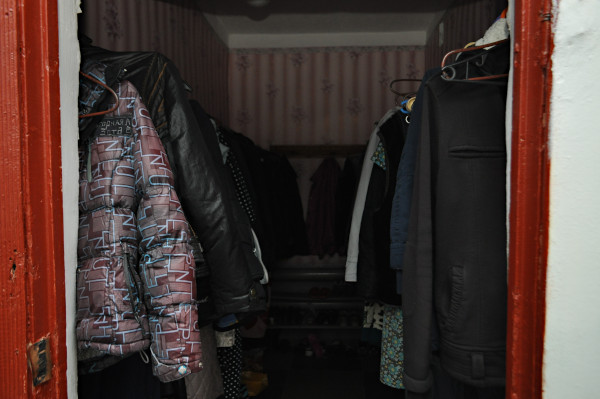
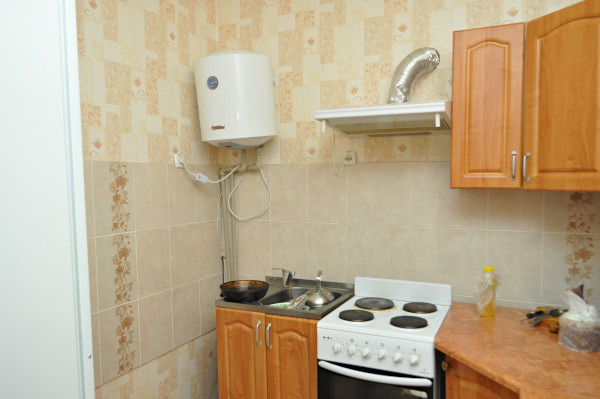
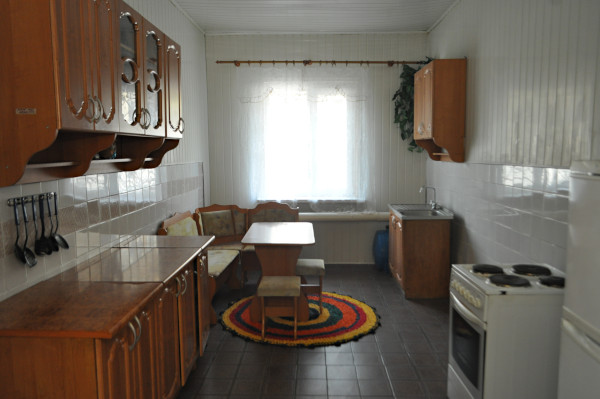
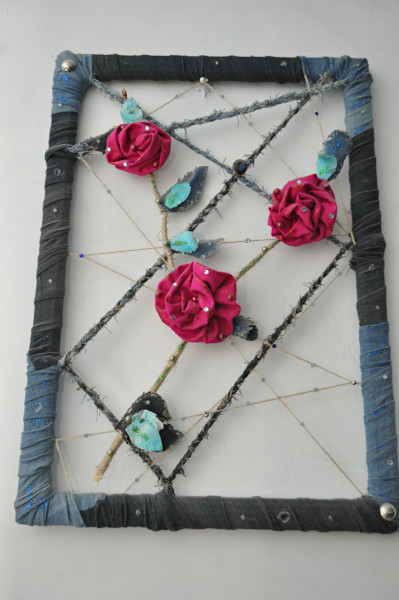
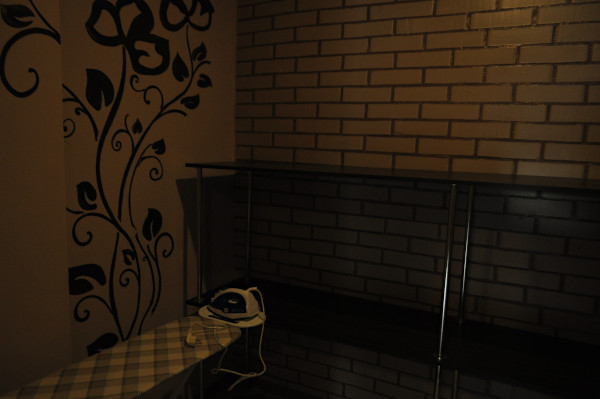
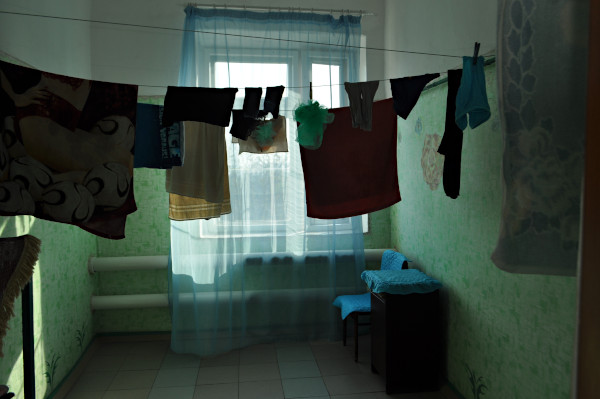
Currently, there are 60 people in the living area of the colony, which is designed for 600. Due to this, some of the buildings have been mothballed, and the convicts currently live on two floors of one building. The premises are well renovated and decorated with handmade decor. There is a faint scent of air freshener on the floors, and there are no unpleasant odours. According to the administration, they fought for a long time against the prisoners’ habit of smoking in the toilets and have finally succeeded. In the toilets on both floors, there is no smell at all. On each floor, there is a dining area. These are neat, clean, and equipped with functional appliances, and smell of fresh food.
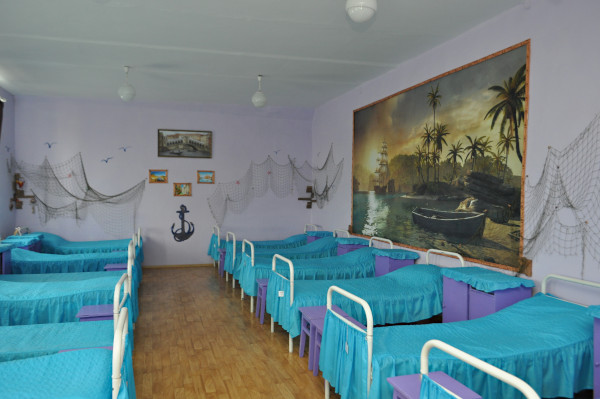
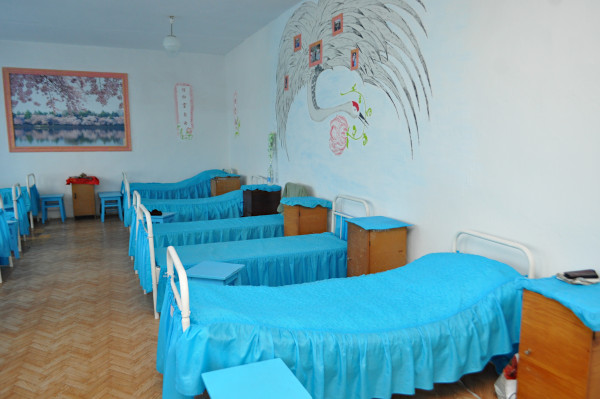
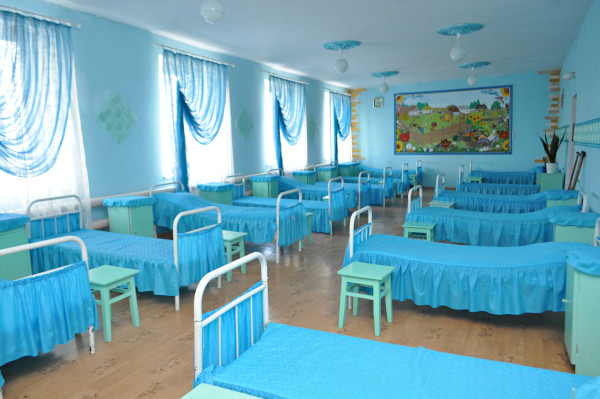
At the time of the monitors’ visit, the working day had already ended, and the prisoners were resting in the psychological relaxation rooms. On the first floor, there were about five people in the room, and on the second, a large number of convicted women were watching television.
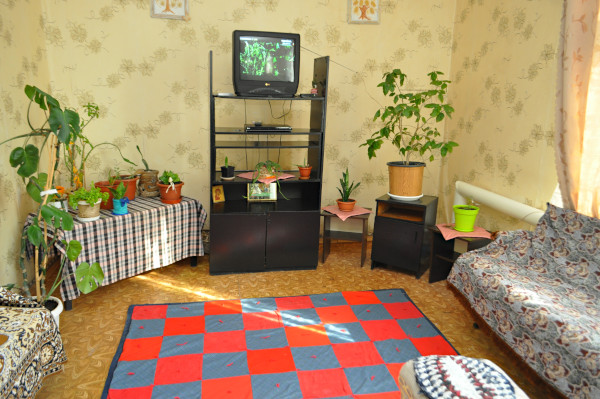
The conversation with the convicts took place without the presence of the institution’s management and mainly concerned general legal issues. The monitors received no complaints regarding the violation of the rights of the convicts.
Industrial Zone
At the time of the monitors’ visit, the working day in the industrial zone had already finished, and the workshops were closed. The institution specialises in tailoring; according to the administration, this is mainly the production of uniforms. There are many orders, but due to the small number of prisoners, it is not currently possible to increase production volumes and meet all demand. Of the 60 people held in the colony, 58 are involved in work. The administration explains this high percentage by several factors. Firstly, in their opinion, women are more responsible, and the prison ‘laws’ that make it impossible to involve certain categories of male prisoners in work do not apply to them. Secondly, most of the convicts have property obligations under court sentences (compensation for damages, alimony), and fulfilling them is a condition for parole. Employment is carried out exclusively under employment contracts, samples of which were provided to the monitors; however, in some cases, problems with obtaining passports for certain individuals (more on this below) stand in the way.
Quarantine and Allocation
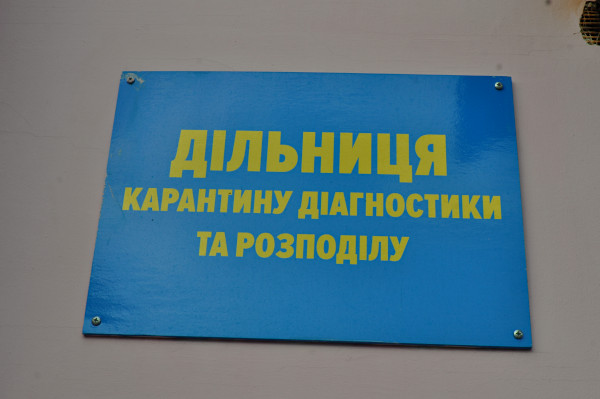
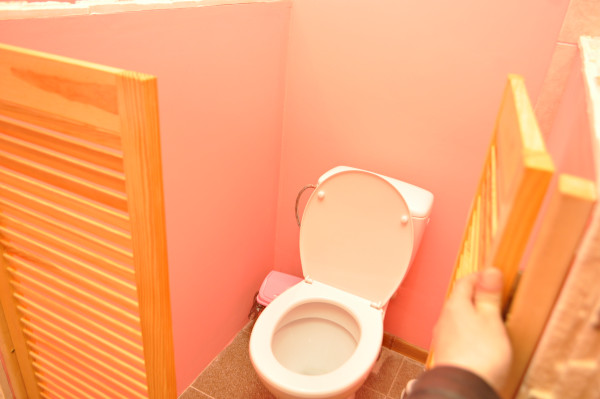
The institution has a recently renovated quarantine, diagnostics, and allocation ward. However, because no new transport groups have arrived at the colony for a long time, it has not been used.
Visitation Rooms
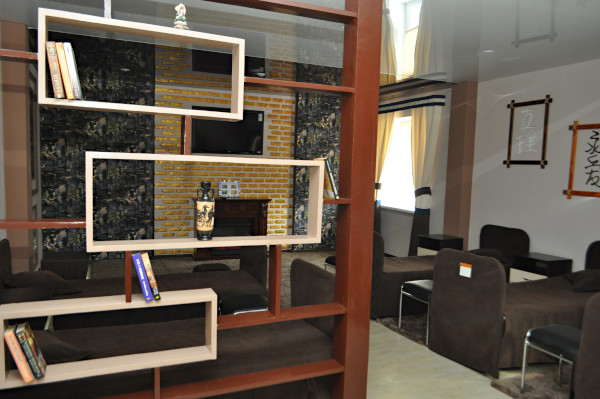
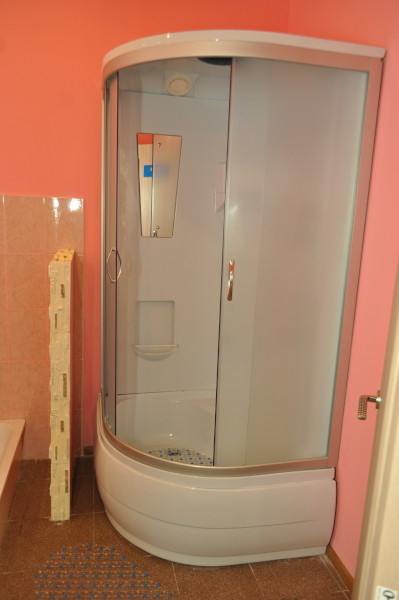
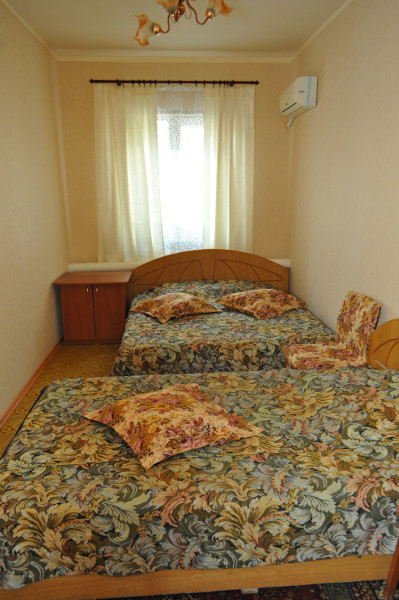
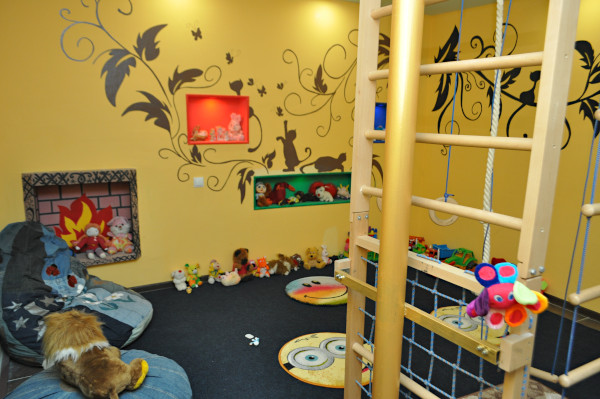
Convicts can hold long-term visits in deluxe, semi-deluxe, and standard rooms, with prices ranging from 180 to 90 hryvnias. The visitation block is equipped with a playroom for comfortable stays with children. As the administration notes, the convicts cannot boast of frequent long-term visits. There are several reasons for this, both outside and inside the institution. In addition to financial issues, there is a large percentage of convicted women who do not want their children to see them in a penal institution and forbid visits themselves. Also, the interest of relatives at liberty in visiting disappears over time.
Problems
According to representatives of the administration, the institution has no specific problems other than the lack of new transport groups. Passport issuance and the restoration of documents are underway, but there are cases where the problem is insoluble within the current legal framework. Two women from currently non-government-controlled territories are in the institution. They do not have birth certificates, and it is impossible to identify them and confirm the fact of their residence. In both cases, the administration took all necessary measures and received official refusals from the State Migration Service. The administration does not see any ways to resolve this problem on its own in the future; the contact details of the person responsible were obtained for possible cooperation with human rights defenders.
EU Project ‘Fight against torture, ill-treatment and impunity in Ukraine’