Report on the results of a monitoring visit to the Mariupol Pre-trial Detention Centre
On 26 April 2019, a monitoring group consisting of Dmytro Reva, Maryna Davydova, and Oleksandr Kadiievskyi visited the Mariupol Pre-trial Detention Centre for an unannounced monitoring visit.
The main activity of this institution is the detention of suspects and defendants in the pre-trial detention centre and the provision of transit to other regions.
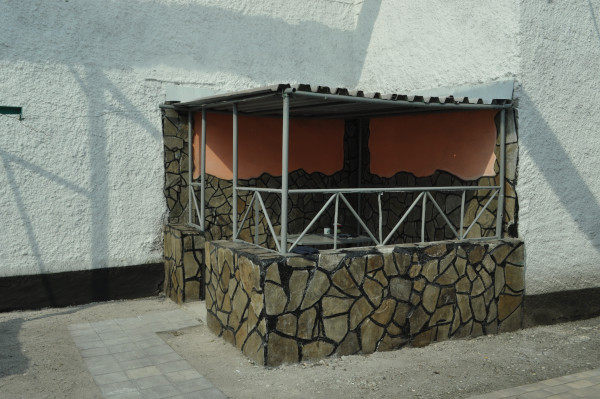
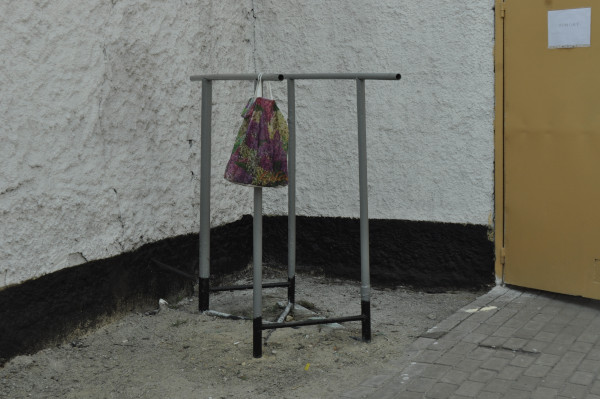
First and foremost, the monitors were interested in persons delivered to serve sentences from temporarily non-government-controlled territories. The institution claims that the last such transport group arrived on 13 December 2018, and all individuals who were placed in this institution (13 people) have already departed to their places of permanent sentence serving.
The institution does not have a maximum-security sector for life-sentenced prisoners. At the time of the monitors’ visit, there were five people with life sentences in the SIZO, four of whom were undergoing ongoing court proceedings. The person with a final conviction refused to speak with the monitors.
Medical Unit
Regarding the medical unit and the reform that has taken place in general, the institution’s administration has no particular complaints. The medical staff is 70–80% complete; specialists who are lacking for the provision of quality care are engaged from city institutions. The medical unit is equipped with tests for HIV/AIDS, viral load, and CD4, and has vacutainers and everything necessary for blood collection. They are 100% supplied with ART drugs; during the transfer of a person living with HIV, a two-month course of therapy is provided. Currently, there are 54 people in the institution with a confirmed status, 43 of whom are receiving therapy.
People who are prescribed substitution maintenance therapy (SMT) are taken under escort to the city’s drug dispensary daily.
The institution is equipped with a modern laboratory for diagnosing tuberculosis; this is the result of the work of the ‘Doctors Without Borders’ project.
During the current year, one person has died in the institution due to medical indications. The administration of the institution excludes the presence of conflicts, and even more so cases of violence, among persons held in the institution who have different political views.
The question about conflicts was related to a complaint submitted to the reception office by the father of one of the persons held in the institution, who had complaints against both other prisoners and the administration. Upon learning that one of the monitors had an attorney contract signed with the father, the administration did not try to hinder his communication with the complainant; on the contrary, they did everything to simplify the procedure and save time. After a confidential conversation with the prisoner and representatives of the administration, the information regarding illegal actions against him was not confirmed.
Living Area
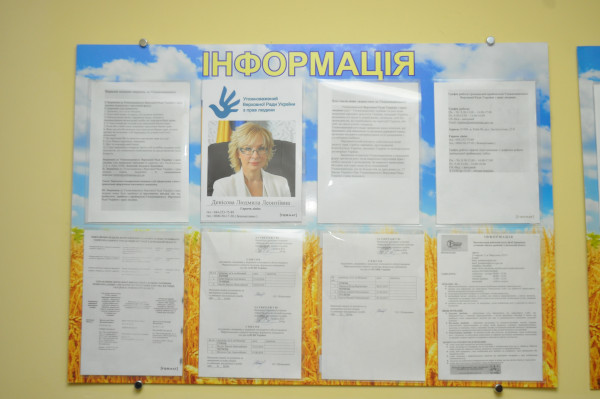
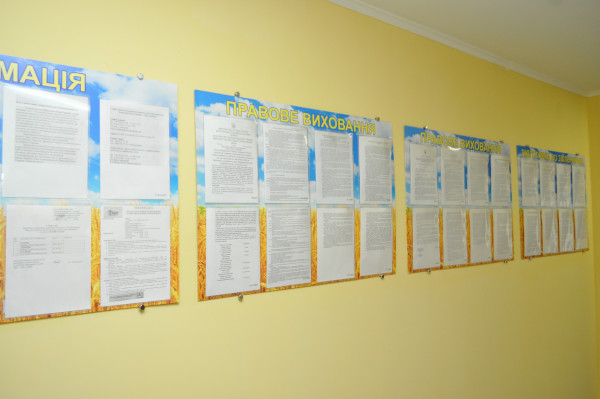
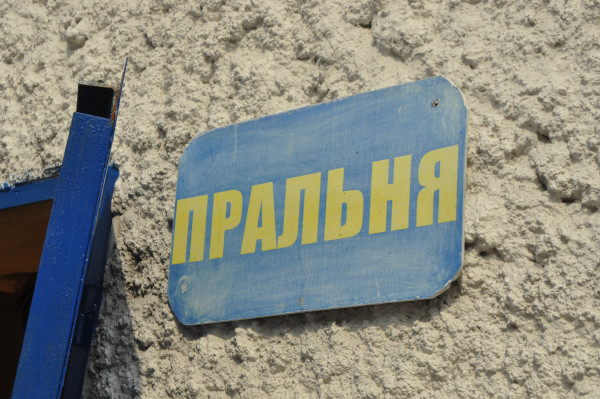
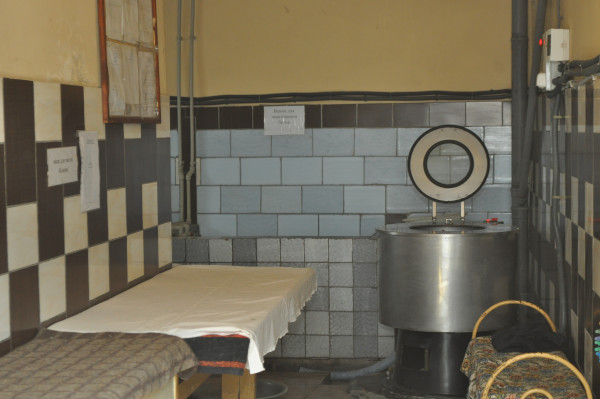
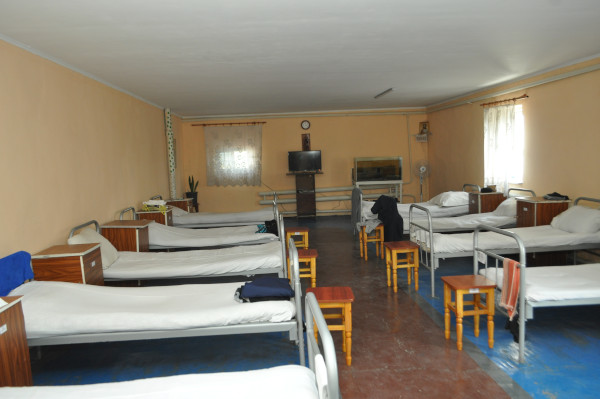
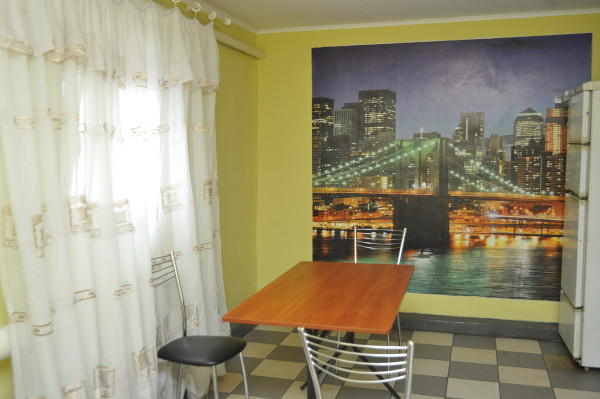
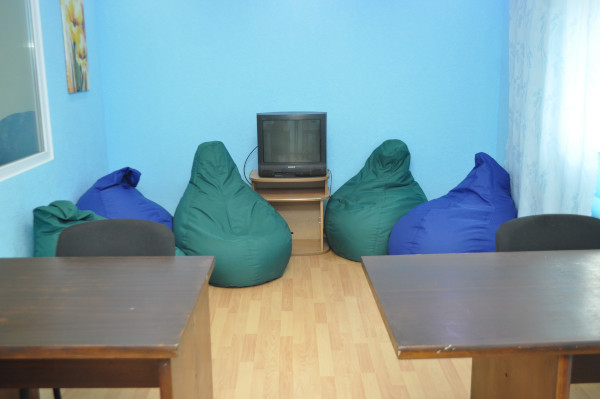
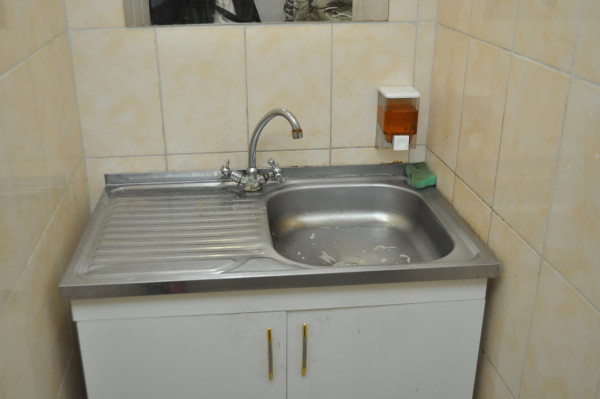
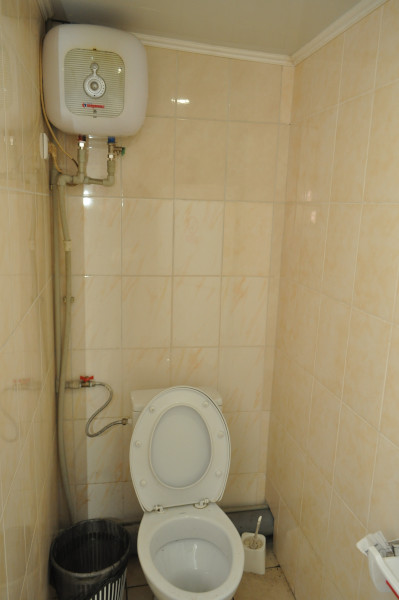
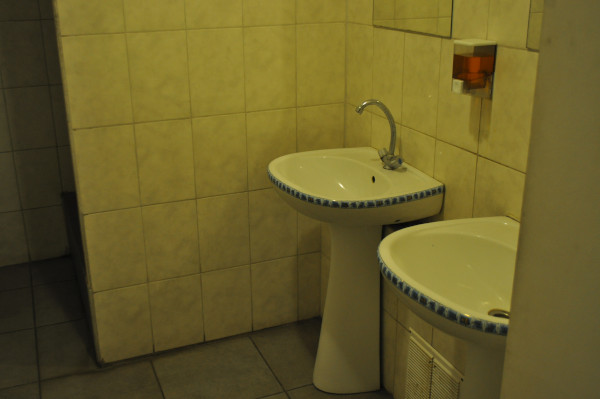
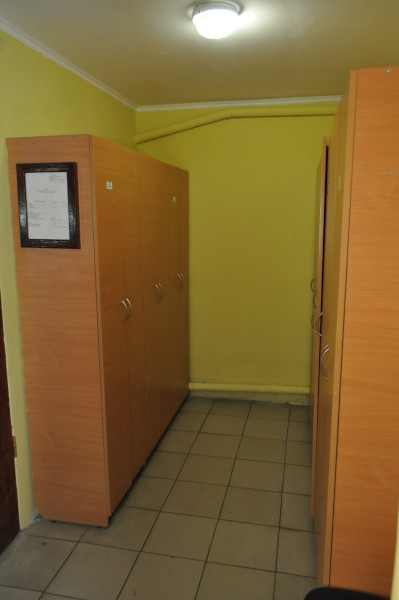
The monitors had the opportunity to talk to and examine the conditions of the persons employed in the administrative maintenance of the institution. The living premises are clean, freshly renovated, and have no foreign odours. The bedding is clean and neatly made. The dining rooms smell delicious, and there are no unpleasant odours. The bathrooms are clean, and the plumbing is in good condition. The premises show no signs of mould or dampness and are well-ventilated and light. All necessary information is available on the stands. No complaints were received by the monitors, and there were no willing participants for a conversation without the presence of the administration. The convicts are satisfied with their maintenance, food, treatment, and other conditions. According to the administration, the institution has no problems with parole.


EU Project ‘Fight against torture, ill-treatment and impunity in Ukraine’