Unannounced monitoring visit to “Pokrovskyi Penal Centre No. 79”
On 17 January 2019, a group of monitors consisting of Dmytro Reva, Maryna Davydova, and Volodymyr Pletenko paid an unannounced monitoring visit to the state institution “Pokrovskyi Penal Centre No. 79”. Women sentenced to restriction of liberty and imprisonment are held in this institution.
Upon entry, the monitors were met by: Head of the Supervision and Security Department, Major O. O. Kovalenko, and Assistant to the Head for Inmate Employment, D. Z. Petrychenko.
At the time of the monitors' visit to the facility, the head was not at her workplace, and the individuals who met the monitors were not familiar with the general problems of the penal centre.
Statistical Data
The number of inmates in the institution is 85 people, with a maximum capacity of 460 people. The number of administration staff is 86 people. The number of inmates convicted under Art. 391 of the Criminal Code of Ukraine is 0, the number of inmates convicted under Art. 345 of the Criminal Code of Ukraine is 0, the number of inmates prone to suicide is 0, the number of inmates prone to self-harm is 5, the number of inmates prone to escape is 0, the number of malicious offenders is 0, the number of complaining inmates is 0, and 0 people have been released during the current year. Representatives of three religious denominations are serving sentences in the centre. There is no medical worker in the facility, and an ambulance has been called twice since the beginning of the year. There are 11 people living with HIV in the facility, all of whom receive antiretroviral therapy.
DIZO Section
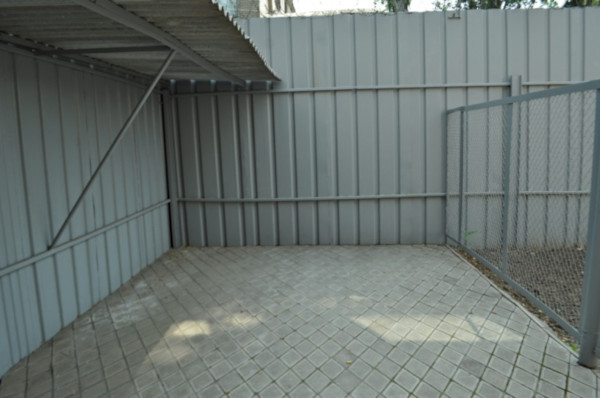
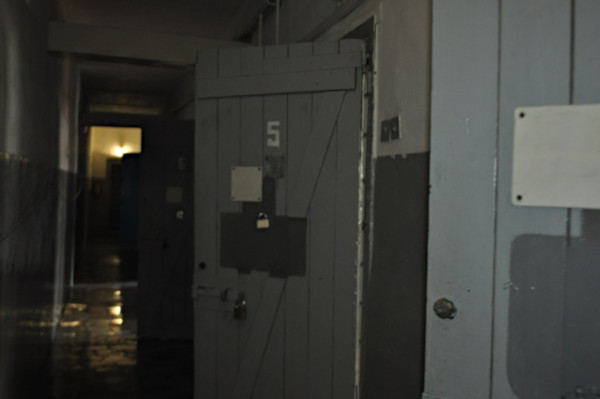
At the time of the monitors' visit, there were 0 people in the DIZO. The premises are designed for 8 people. There is one cell designed for 4 people, and four single cells. The maximum term of stay is 10–15 days. The section has not been used for a long time. There is a yard for walking. The conditions in the cells are standard: a raised bed without bedding, and the possibility to sit only on a bench at a table. The DIZO cells are light and clean.
Canteen and Food Storage Warehouses
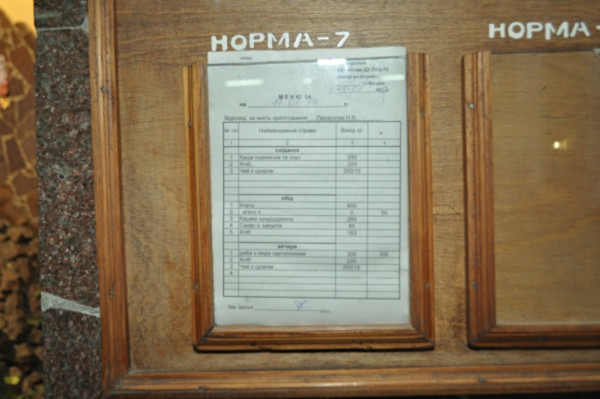
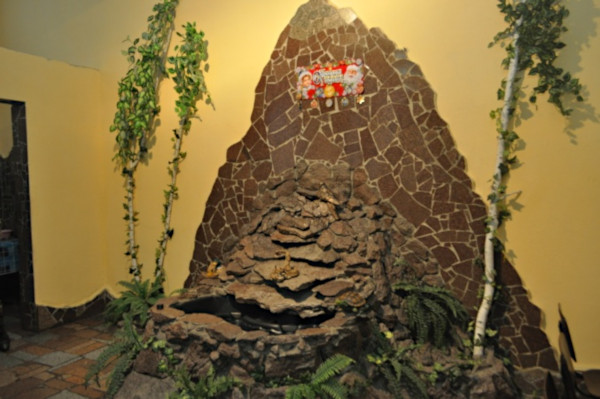
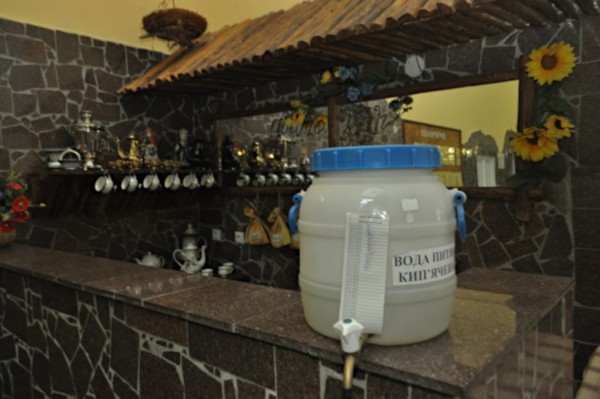
The canteen of PPC No. 79 is located in a separate building and is used for festive meals. On holidays, a fountain is also turned on here. The premises are clean, there are no foreign odours, and there is a phyto-bar where inmates can drink herbal medicinal tea. At the bar, there is a container of boiled water, which is accessible to all inmates. The kitchen is clean, and the staff are dressed in work uniforms. In the kitchen area, there are rooms for preparing meat dishes and fish dishes. There is a private bakery on the territory. In the warm season, an area for growing one's own vegetables is set up on the territory of the PPC. The warehouses are clean, without foreign odours; potatoes, onions, and other vegetables are stored separately, and there is an autonomous room for storing canned goods: tomatoes, cucumbers, and sauerkraut. On each jar, information is affixed with the date of preservation, the period until which it can be consumed, and the name of the product.
A complaint was received from the inmates that meat (mostly chicken) is not served as a single piece but is broken down into small fibres, which makes it impossible to taste the dish.
Dormitory
The inmates live in a four-story dormitory. Currently, two floors are closed due to the small number of inmates. One woman who is serving a sentence in the form of imprisonment (not restriction of liberty, like the majority) lives separately. She has daily access to a computer with internet access to communicate with relatives; other inmates have telephones. According to the inmates, the administration does not allow them to have tablets and laptops with them and does not let them use the stationary ones. This complicates the process of correspondence with human rights organisations and government authorities. According to the prisoners, handwritten letters are censored in 100% of cases, even when this is prohibited by the rules. One of the prisoners spoke about pressure from the administration regarding a complaint she sent to the European Court of Human Rights.
The living premises are clean, light, with new renovations and flowers. There are no foreign odours; it is dry and warm. In the toilet of one of the floors, there was a smell of tobacco, although a smoking area is equipped at the exit from the dormitory.
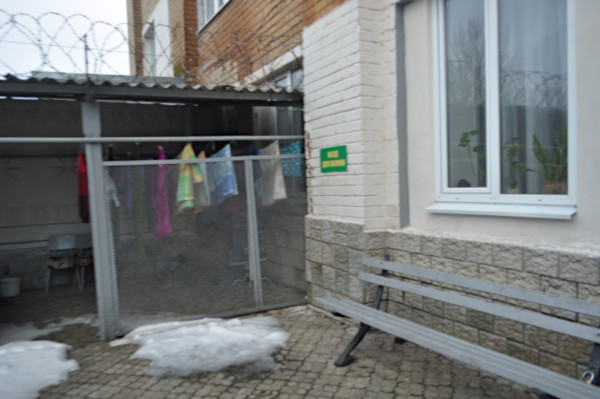
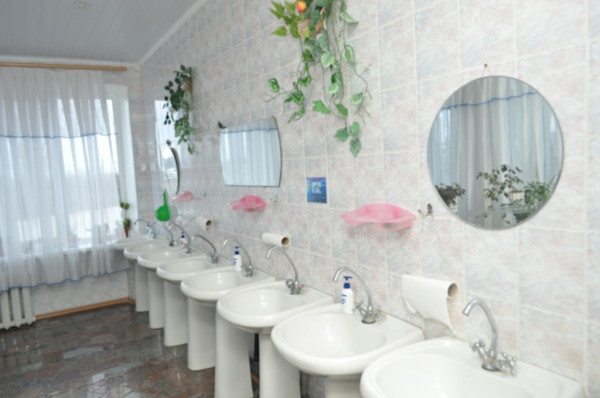
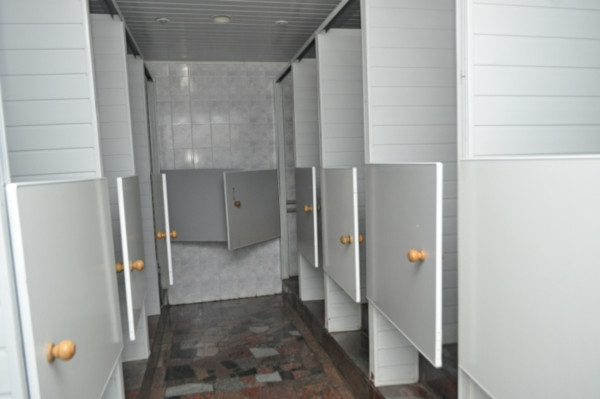
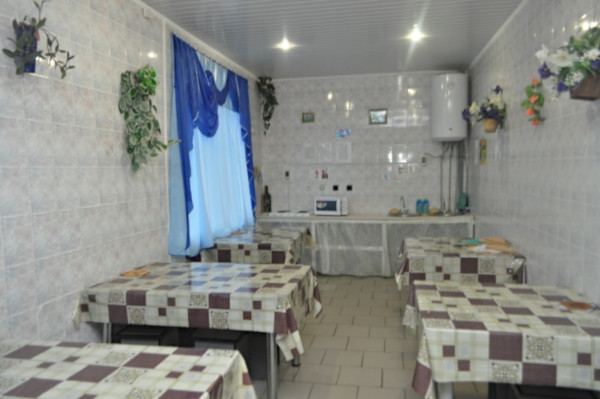
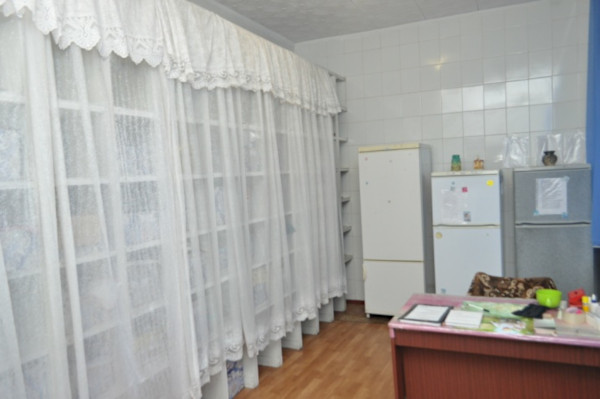
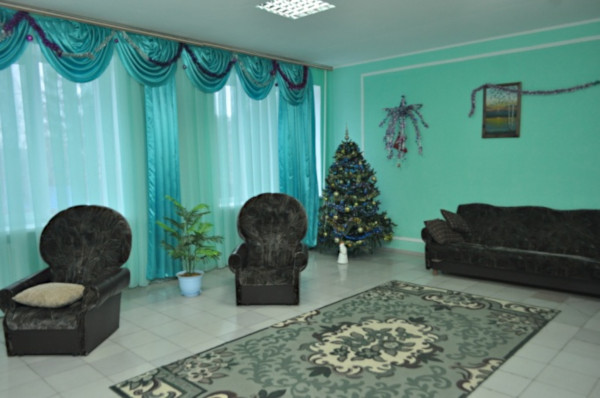
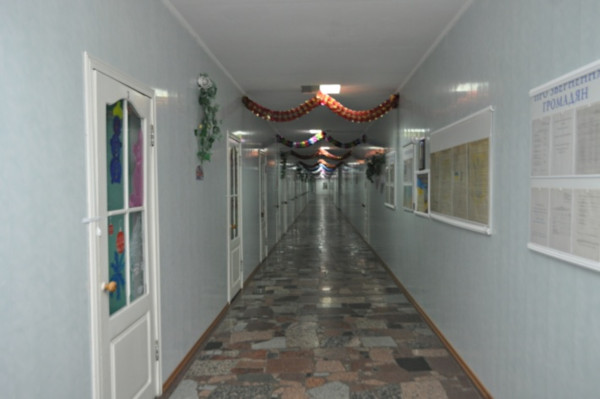
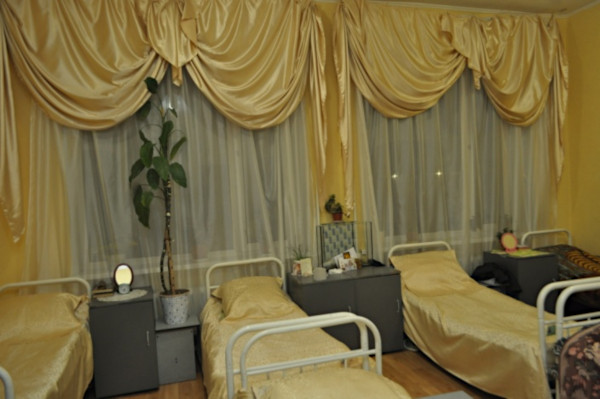
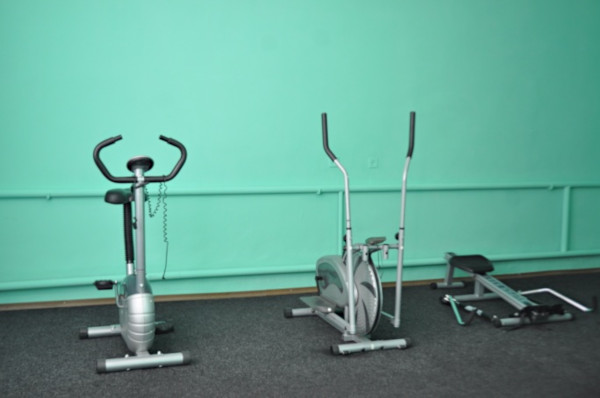
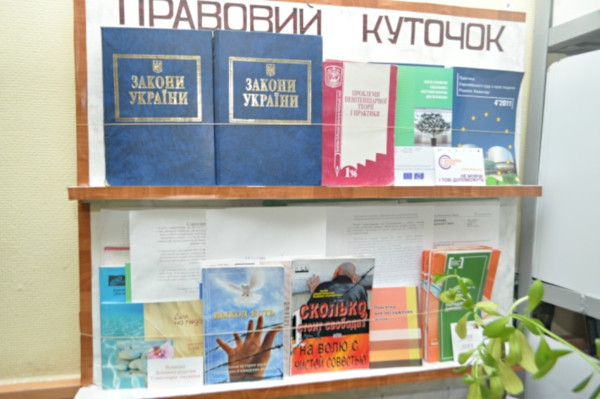
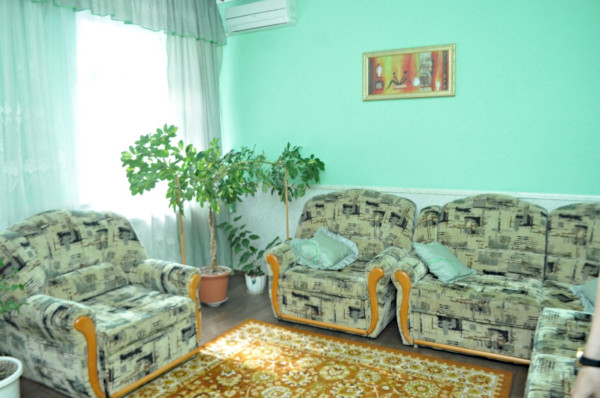
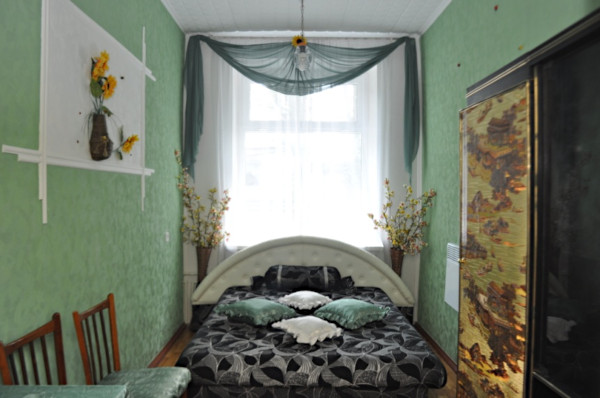
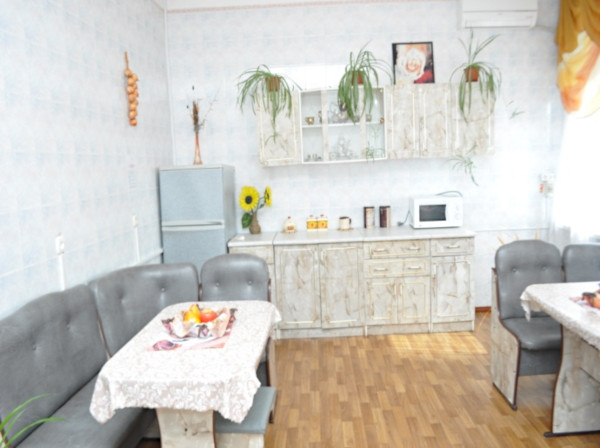
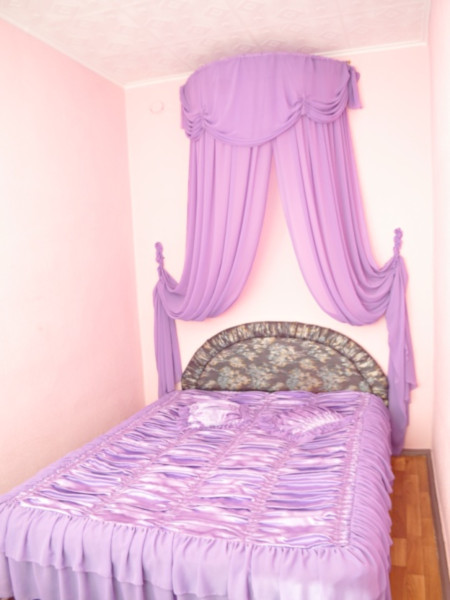
On each floor, there is a separate room for eating, which has personal drawers for storing dishes, refrigerators and freezers, boilers, and clean tables. The rooms are clean, without foreign odours. There are rooms for rest and educational work; there is soft furniture and live flowers, and there are televisions. The renovation and textile design create a cosy atmosphere. In the dormitory, there is a library, a study room, a room for working with a psychologist, and each floor has its own shower with a bidet; there is an opportunity to wash clothes. The area for drying clothes is located in the yard.
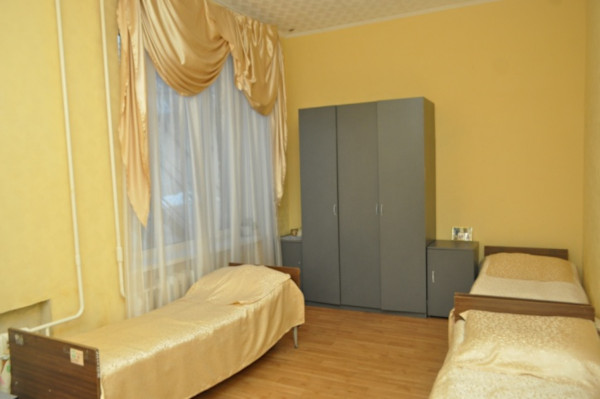
In general, the premises are neat, the bedding is clean, sleeping places are covered with sheets, the rooms are light and well-ventilated, very cosy, a specific colour scheme of curtains is selected for each floor, and the floors smell pleasant. Near the dormitory, there is a yard with benches and a volleyball court, a lot of flowers, beautifully decorated flowerbeds, a decorative pond, and an equipped smoking area. The daily routine is standard: wakeup at 6:00, lights out at 22:00.
Visiting Rooms
Inmates use the rooms in the order established by law; there were no complaints from inmates about this. The established cost of a short-term visit is from 11 to 80 UAH, a long-term visit is 110 UAH per person per day, and a long-term visit in a high-comfort room per day is about 250 UAH. The rooms are equipped with appliances and soft upholstered furniture; there are necessary conditions for cooking. Complaints were received from inmates about insufficient heating in the rooms for long-term visits.
Industrial Zone
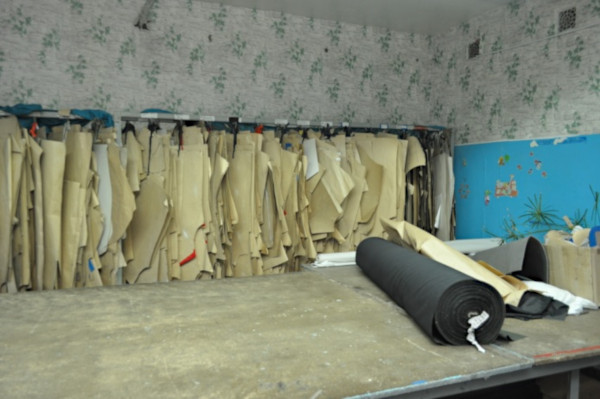
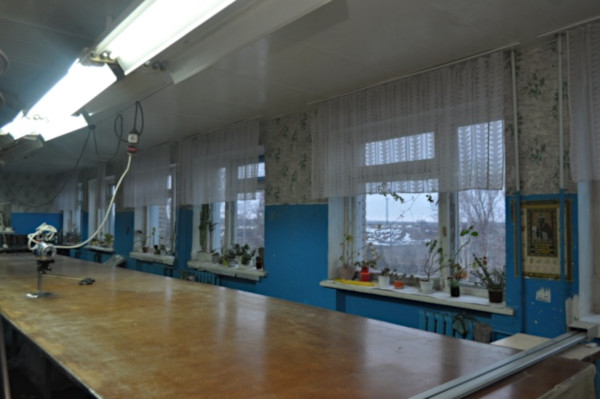
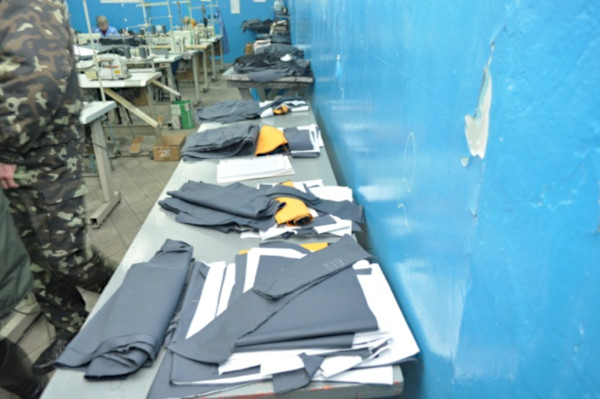
All inmates serving sentences in the institution are expected to work. Two workshops operate on the territory of the facility—a cutting workshop and a sewing workshop. At the time of the monitors' visit, they were producing gloves (for low-skilled seamstresses) and work clothes for DTEK employees. The workplaces are illuminated, there is no dust or dirt, the machine wires are insulated, and the monitors did not find any exposed electric wires. The inmates work in work clothes, with scarves tied on their heads, and music is playing. There is an embroidery workshop; at the time of the monitors' visit, two prisoners were working there.
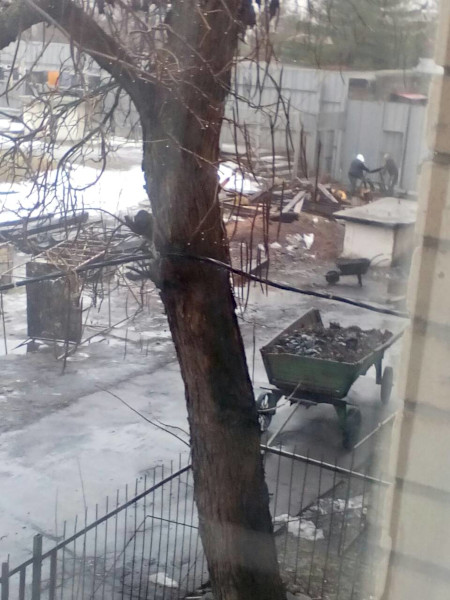
An inspection by the Prosecutor’s Office, which took place in July 2018 (speaker of the Prosecutor General’s Office), revealed violations of working conditions for inmates at the contractor production facility—the Nikopol Ferroalloy Plant. During this visit, the individuals accompanying the monitors did not provide information about the existence of the aforementioned facility, however, upon exiting the institution, the monitors saw a bus that brought a significant number of women to the gates of the PPC, from which it can be concluded that the labour of prisoners is also used outside the industrial zone shown to the monitors. According to the prisoners, some of the women are taken to the forest to collect wood there, which is then used for heating. Also, inmates work in the institution’s economic support sections. The monitors received a complaint from a woman who works in harvesting firewood for heating. According to her, she has to work hard outside in any weather conditions, sawing firewood with a hand saw, and there is no equipment to facilitate the work.
Complaints
20 prisoners expressed a desire to speak with the monitors without the presence of the administration. A typical complaint is about the inability to control funds in the account, the absence of employment contracts, and large negative balances (a figure of minus 18,000 UAH was voiced) after the deduction of all payments for maintenance in the PPC. This also entails a lack of access to medical care, as it is provided at the expense of the prisoners, and complaints about food, as the inmates cannot afford to buy and prepare food on their own due to a lack of funds. After release, according to them, inmates are given 60 UAH for travel in any direction, which is less than the cost of a taxi from the PPC to the city of Pokrov.
The administration explained that labour relations in their institution are regulated by an order on assignment to a work section, and negative balances are created due to the inmates' unwillingness to work.
The next common complaint is the almost complete lack of parole releases. Complaints are made both against the administration, which does not take into account characteristics from the prisoners' previous place of stay and evaluates not only work but also participation in singing and dancing groups, etc., and against the Prosecutor's Office, which, even with a motion from the PPC, does not grant parole.
The problem with the Prosecutor's Office was also confirmed by the institution's administration. They explained the absence of motions for parole by the fact that they wish to get to know the newcomers and be sure that they have embarked on the path of correction. There are not many inmates in the facility, so there is an opportunity to focus on each person—whether they are correcting themselves or not.
Following the meeting, a collective statement addressed to the Prosecutor General was drawn up, which was signed by 16 inmates.
Many inmates also complained about medical services, or rather, their complete absence. The previous monitoring visit revealed the presence of a medical assistant post on the territory of the PPC, but at the time of this visit, there was no medical worker there (they had quit), so all help is now in the hands of the inmates themselves. According to them, they share medicines, give each other injections, and measure blood pressure. In urgent situations, an ambulance is called, but according to the inmates, a long time can pass from the onset of a critical state to receiving help from medics.
One of the inmates has a steel structure in her leg and requires an operation to remove it. For the surgical intervention, she has to pay with her own funds, which, due to the above-mentioned problems with accounts, she does not have. To the request to release her for the operation to the medical facility where this structure was installed (where it is cheaper), the administration refuses.
Another inmate has a third-group disability and requires annual rehabilitation in specialised institutions. At the beginning of December, a letter arrived at the institution from a doctor and a lawyer regarding the need to provide medical assistance to the client; on 28 December, she was examined in a local hospital and it was determined that it is impossible to provide assistance at the place of stay, and a specialised institution is needed. At the time of the monitors' visit, the issue had not been resolved, and the prisoner insists that she was told that she would not receive a referral for treatment. The woman believes that her life and health are in danger.
One of the inmates complained that she was not given the opportunity to undergo a commission and confirm her disability group.
The penal centre administration has one answer—all medical services are provided at the expense of the inmates.
One of the inmates appealed to the monitors with a request to assist in the matter of transferring her to serve her sentence in the Russian Federation. She claims that she appealed to the Bureau of Secondary Legal Aid regarding this matter but received no response. According to her, the management of the penal centre forced her to withdraw a complaint she had written to the ECHR.
Currently, lawyers from the NGO “HPG ‘SICH’” are studying the complaints and personal documents of the inmates for the possibility of providing secondary legal aid and legal support.