Monitoring visit to Oleksiivska Penal Colony No. 25
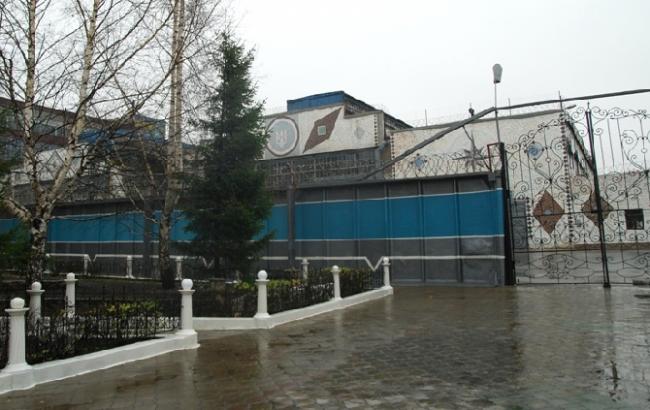
Currently, the State Institution “Oleksiivska Penal Colony (No. 25)” is a medium-security colony (for housing men sentenced to imprisonment for a definite term who have previously served a sentence of imprisonment). The planned capacity of the institution is 1,230 people (including a social rehabilitation section designed for 75 people). At present, about 750 inmates are held in the colony.
On 2 November 2017, around 10:00, a monitoring group from the NGO “Kharkiv Human Rights Protection Group”, consisting of Fedir Danylchenko, Olena Richko, and Oleksandr Poliakov, visited Oleksiivska PC No. 25.
The visit began with a sightseeing tour. The monitors were immediately invited to follow a specific route to demonstrate the colony's “achievements”. Three monitors were constantly accompanied by no fewer than five officials from the penal colony; sometimes the number of “escorts” increased to ten.
First, the monitoring group visited one of the most famous places in the colony—the pigsties.
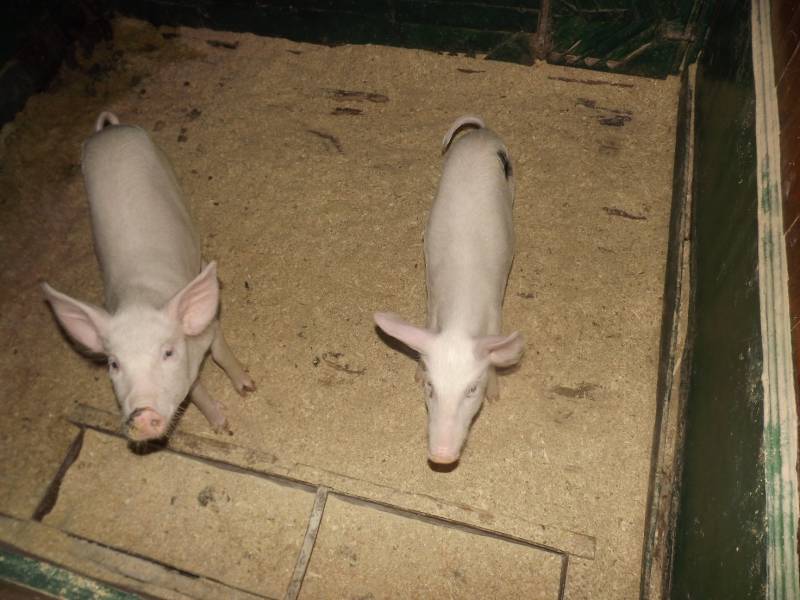
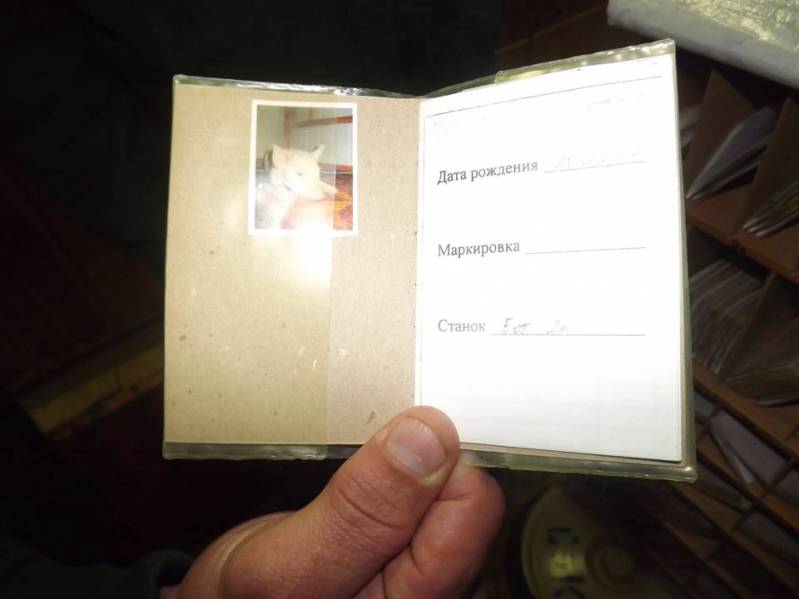
A veterinarian works part-time at the colony; the animals are healthy and well-groomed and are kept in specialized enclosures. Young animals are kept separately, and a personal “animal passport” with a photograph is created for each newborn piglet.
The slaughter of animals occurs on average when they reach a weight of about 140 kg; the meat is sold mainly to the staff themselves, and the cost of one kilogram is 40 hryvnias.
The monitoring group was interested in the presence of other farm animals and domestic poultry. We were informed that, indeed, chickens were previously bred on the colony’s premises; however, there are no chickens at the moment. And indeed, we were able to visit the places where the animals were previously kept, but there were no traces of their recent presence. In some enclosures, there was just rubbish, and the characteristic smell that would indicate the presence of animals was absent. The monitoring group also saw empty “chicken coops”, and signs of poultry presence were also absent.
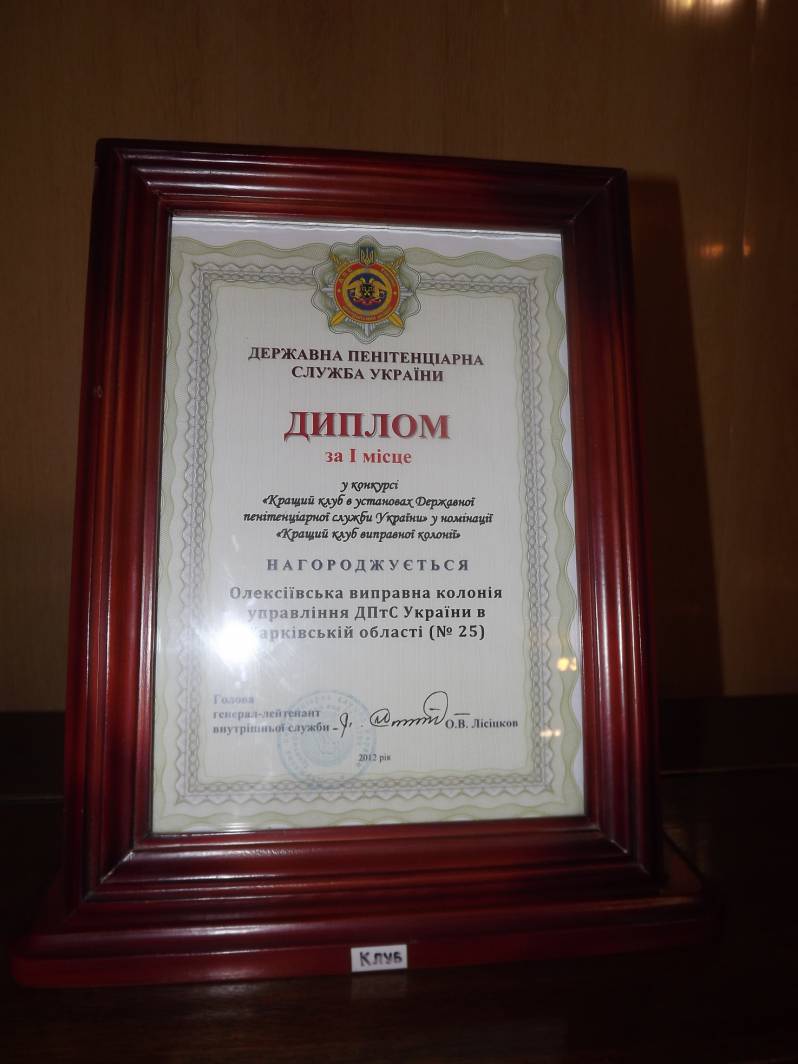
In addition, the monitors visited the club at the colony. It is designed in the style of other premises, with a lot of wood and paintings in massive frames painted by the inmates. As we were informed by representatives of the colony, cinema screenings are held in the club on weekends; the inmates speak positively about this type of socialization: “It’s like I was free for two hours.” Furthermore, we found musical instruments on the stage, and the rooms adjacent to the club were identified as dressing rooms. By the way, in 2012, the club of the Oleksiivska Penal Colony No. 25 was recognized as the best.
During the visit to the medical unit, the monitors were shown modern medical equipment, drawers, and refrigerators for medicine storage. In addition, they were given a tour of another “landmark” of the colony—the socialization room. This room is furnished with comfortable and brand-new-looking armchairs and leads to a winter garden.
The monitors were shown a modernly equipped toilet room, which was absolutely white and clean, without any signs of it having been used for its intended purpose at all. According to the colony administration, “it’s clean because it is cleaned.”
During the visit to the infirmary of the medical unit, which is designed for 17 people, the monitors found out that 14 inmates were currently undergoing treatment. At the same time, some of the held inmates were lying on their beds, covered with blankets over their heads, without showing their faces. Unfortunately, the patients of the infirmary refused to talk to the members of the monitoring group.