Report on the results of the monitoring visit on 01.03.2017 to Sofiivka Correctional Colony No. 45
A monitoring group from the Kharkiv Human Rights Protection Group, consisting of Vasyl Melnychuk, Dmytro Reva and Oleksandr Pavlichenko, visited Sofiivka Correctional Colony No. 45 on 1 March 2017 – a correctional facility intended for housing prisoners with disabilities and illnesses, as well as the Interregional Hospital located on the territory of CC-45.
This is the third visit by KHPG monitors to this institution. The first was in April 2015, the second in May 2016. On the day of the visit – 1 March 2017 – there were 296 prisoners serving sentences in the institution (excluding individuals who were in the Interregional Hospital at CC-2017); 12 people left the colony on 1 March, whose term of service had expired or who had been released on parole or for other reasons.
Visiting the DIZO-PKT section, the monitors found that there was a prisoner in the PKT section who had been placed in the PKT on 20 February for a period of 3 months. The prisoner did not want to talk to the monitors; he cited a conflict with other prisoners and the administration as the reason for his placement.
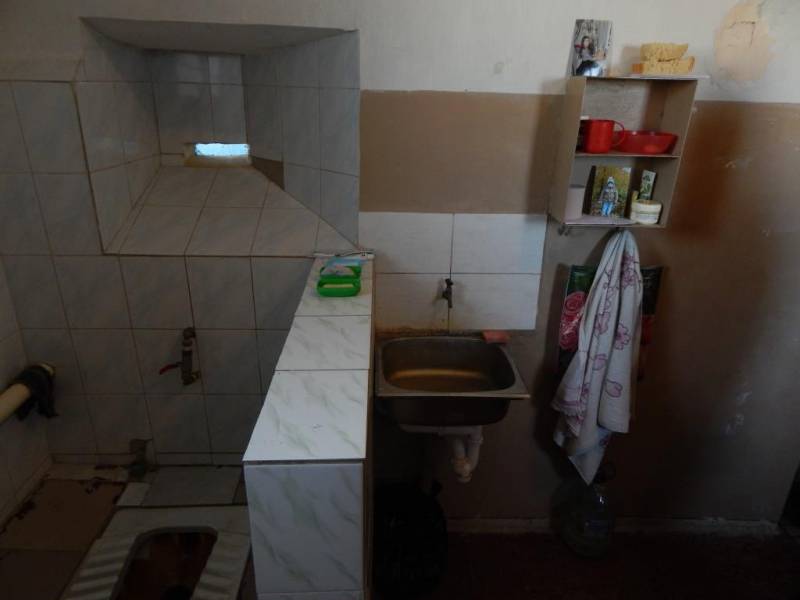
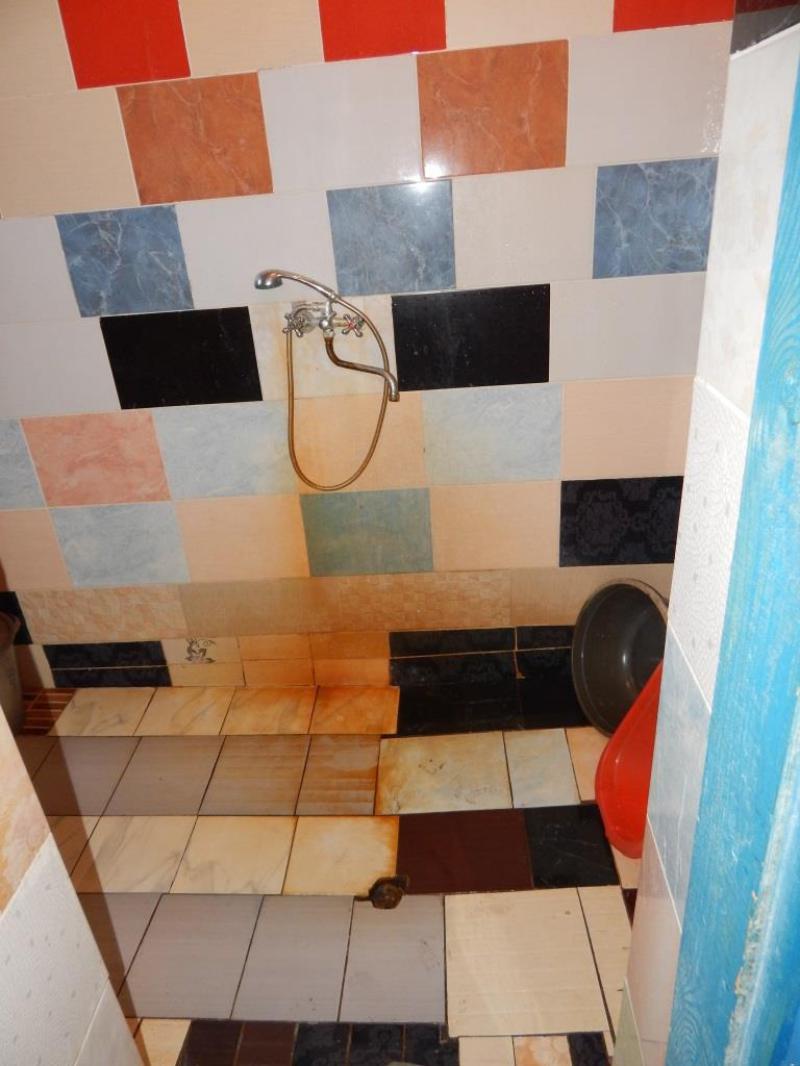
The conditions in the PKT section are now better than what the monitors observed on previous occasions; the cell where the prisoner was held is renovated, and he has the opportunity to visit the shower, located directly in the DIZO-PKT premises (photo). Wednesday was indeed bath day in the PKT, and the prisoner who was in the PKT was scheduled for a bath visit on this day. In total, four cells have been renovated in the DIZO section, and three cells in the PKT section.
Industrial zone of SCC-45
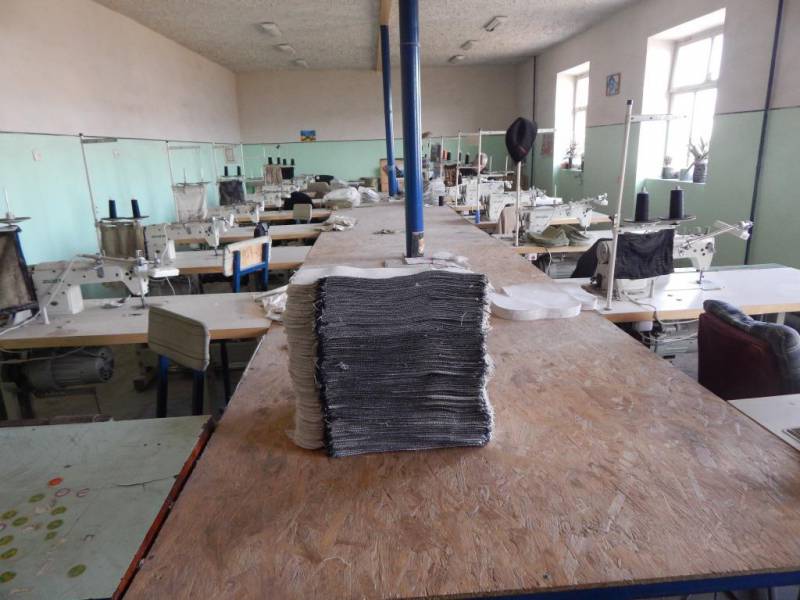
Production at SCC-45 is quite limited; on 1 March, there were 6 people in the sewing workshop section, working on cutting and sewing construction work gloves. The industrial premises (sewing workshops) are properly lit, and the temperature in the room was 19 degrees. In 2016, one sewing workshop was equipped with 20 new imported sewing machines, but it is not working due to the small number of prisoners willing to work.
The salary level of the six prisoners working in the sewing workshop, after all deductions for February 2017, is: 2479.40 UAH, 354.20 UAH, 1239.50 UAH, 1771.0 UAH, 1771.0 UAH. Such relatively high salaries compared to other colonies are due to the increase in the minimum wage and the low percentage of deductions due to the prisoners' disabilities.
The minimum threshold price charged to a prisoner for a unit of manufactured product was set by an order of the State Penitentiary Service of Ukraine.
The monitors spoke with the production manager and the prisoners who worked in the sewing workshop. It was found that the colony works on raw materials provided by the customer; the colony does not have sufficient resources to purchase its own materials. The colony receives orders exclusively through Prozorro, which is one of the positive achievements of implementing this system.
The colony administration organised the renovation of one of the utility rooms, where a room for prisoners will subsequently be equipped for them to rest. It is planned to equip a shower in the production area, where prisoners can wash immediately after work. All prisoners who work properly are encouraged by the administration, which subsequently becomes the basis for their parole. Such actions are aimed at attracting prisoners to work, since after the recent changes in the Penal Code of Ukraine, prisoners are not obliged to work, and given that the vast majority of prisoners in the colony are disabled and receive pensions, they do not have a need for money from work.
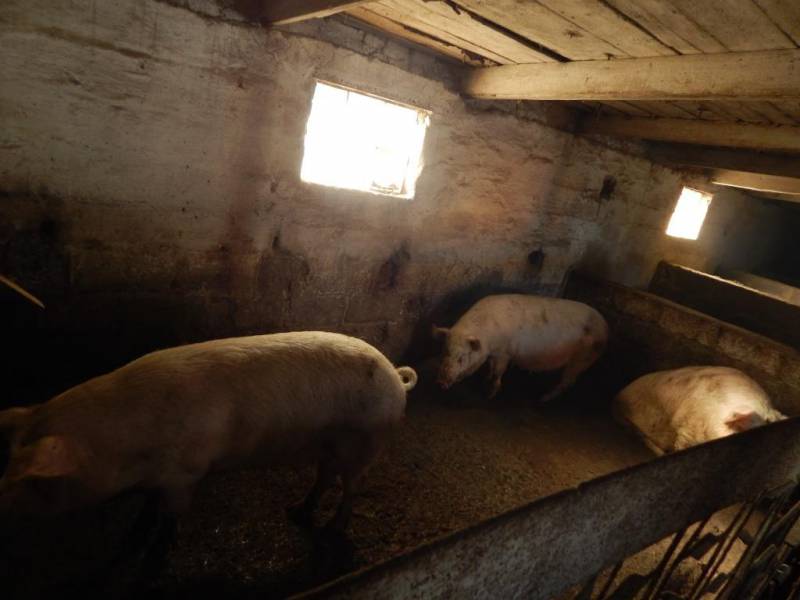
The monitors visited the auxiliary farm – a small farm where pigs are raised. The colony also has 170 hectares of land, however, it does not have the resources to cultivate it, so it leases these plots to farmers, receiving food for the colony in return, which significantly helps in ensuring satisfactory nutrition for the prisoners.
Cemetery of SCC 45
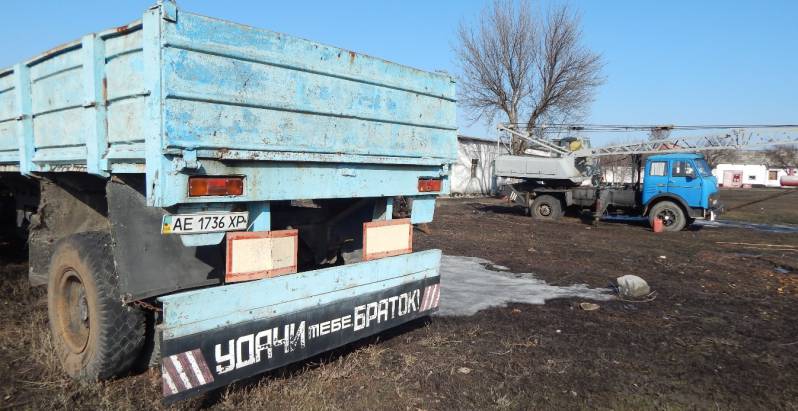
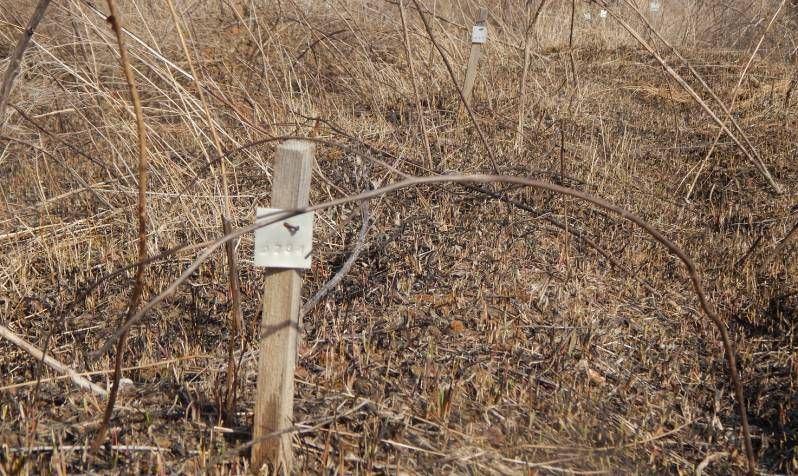
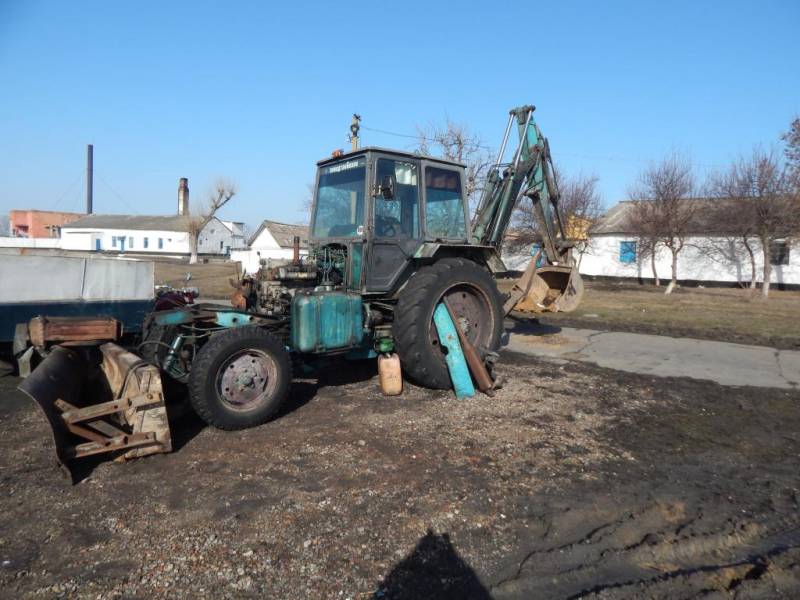
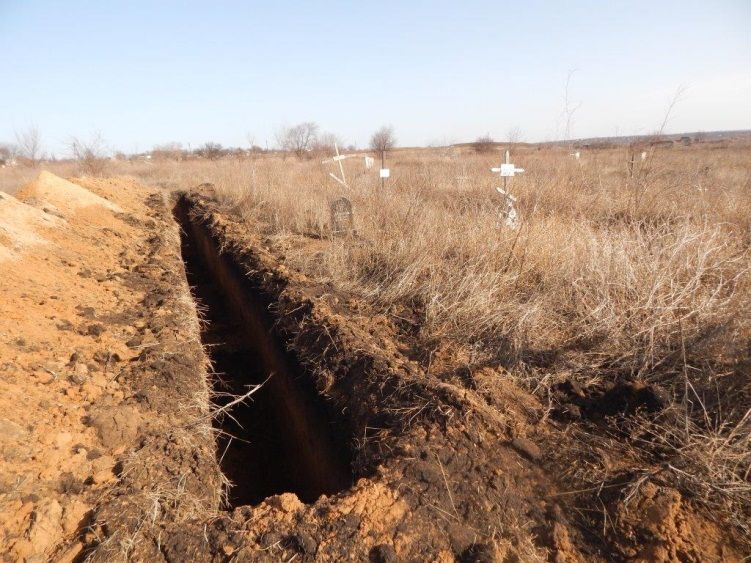
The number of releases in 2016 was 232, while 322 people arrived at the colony to serve sentences. About 25 people died in the colony over the year. The death of prisoners and the burial procedure in CC-45 requires separate, careful consideration. As the institution's administration notes, the body of each deceased prisoner is transported for forensic examination to Apostolove, which is a distance of 100 km in one direction. Then it is necessary to go a second time and transport the body of the deceased back to the colony for burial. At the same time, there are no funds for transportation, nor a vehicle for this, which constitutes a burden and a problem for the colony. At the same time, there is a hospital 15 km from the colony, where it is also possible to perform forensic examinations on deceased prisoners. Regarding the burial of deceased prisoners, the colony, also lacking funds for burial, makes a coffin on its own and buries the prisoners in a plot of land equipped as a cemetery near the colony. A tractor-excavator belonging to the colony digs one long trench-ditch for several deceased, into which the coffins are lowered and buried. At the burial site, there remain nameless tags with numbers – only the administration knows the surnames and personal data of the prisoners. Relatives of the deceased are informed about the prisoner's death, but they very rarely collect the deceased; as a rule, they are buried at the colony, and they do not always even come to the funeral. It happens that there is no one to even inform about the death of a prisoner (for this, a practice has been established – upon arrival at the colony, the prisoner's contacts are taken to notify relatives).
Canteen of SCC 45
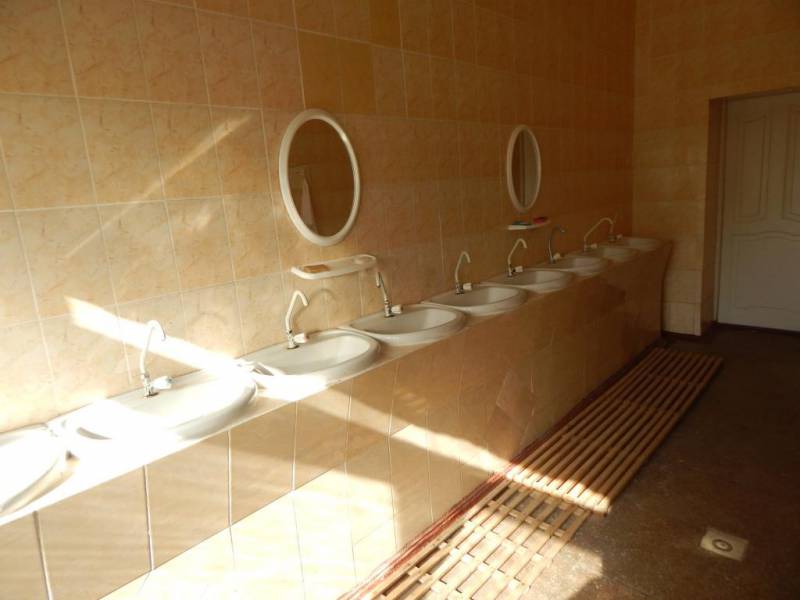
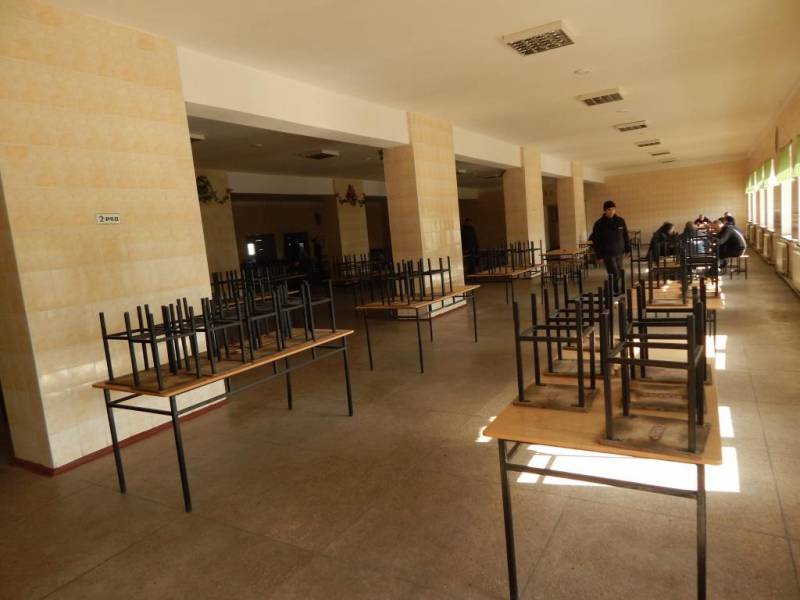
The monitors visited the canteen, checked the menu and the food that the prisoners directly receive for lunch. The colony bakes its own bread; the quality and variety of the menu can be considered satisfactory – lunch offered sauerkraut, rassolnik soup with meat broth and pearl barley, and for the second course – pearl barley porridge with meat gravy. At the entrance to the canteen, a room is equipped for washing hands.
Socio-educational units No. 8 and No. 12
In the unit, the monitors spoke with prisoners who approached them with specific problems; in particular, the prisoners' issues regarding their transfer to penitentiary institutions at the place where their relatives live were considered (here it should be noted separately that the colony is located remotely from transport routes and it is quite difficult to reach, the closest route is through Kryvyi Rih, from where one can take a minibus), the impossibility of exercising the right to change the regime due to their disability, the impossibility of receiving a pension in connection with the prisoner's lack of confirmation of Ukrainian citizenship, release from serving the sentence due to health conditions, and other issues.
A significant problem that the prisoners drew attention to is the lack of effective legal aid, for which they had applied to the centres for secondary free legal aid.
The Red Cross provided the colony in 2016 with 30 new wheelchairs and individual kits (personal hygiene products) targeted at all prisoners who needed such charitable assistance.
In unit No. 12, all rooms where prisoners are held have televisions, which was not the case during previous visits.
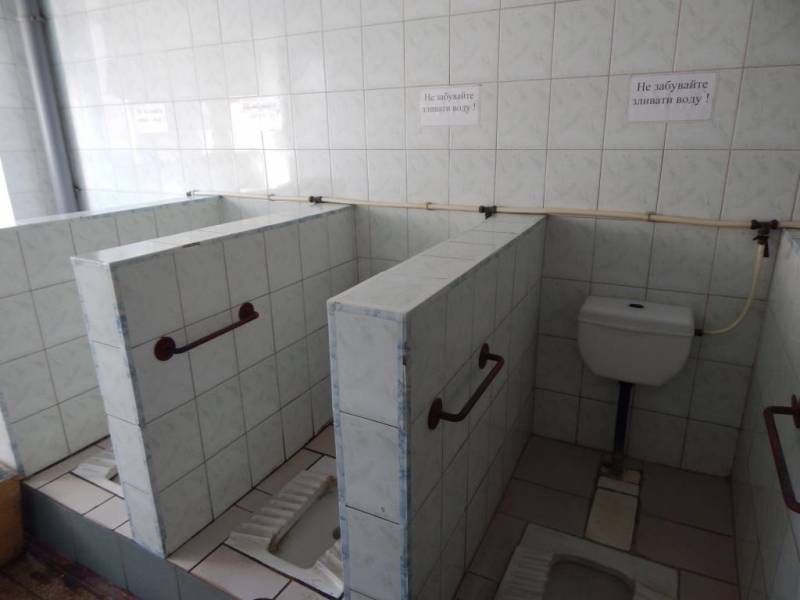
The sanitary facilities in the units are equipped with handrails and special chairs for prisoners who have musculoskeletal disorders. Also, in the unit, there is a bathroom for maintaining the hygiene of prisoners who need outside help and special care. Care for them is provided by other prisoners designated by the administration.
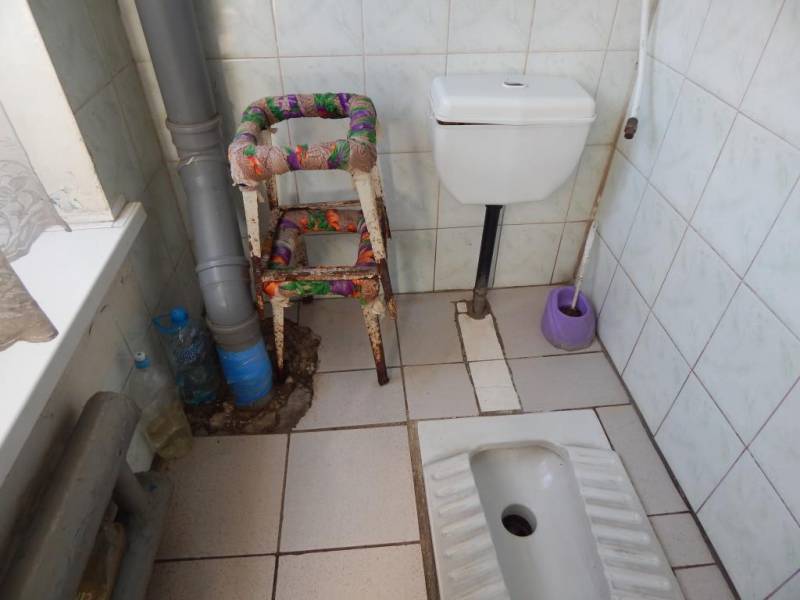
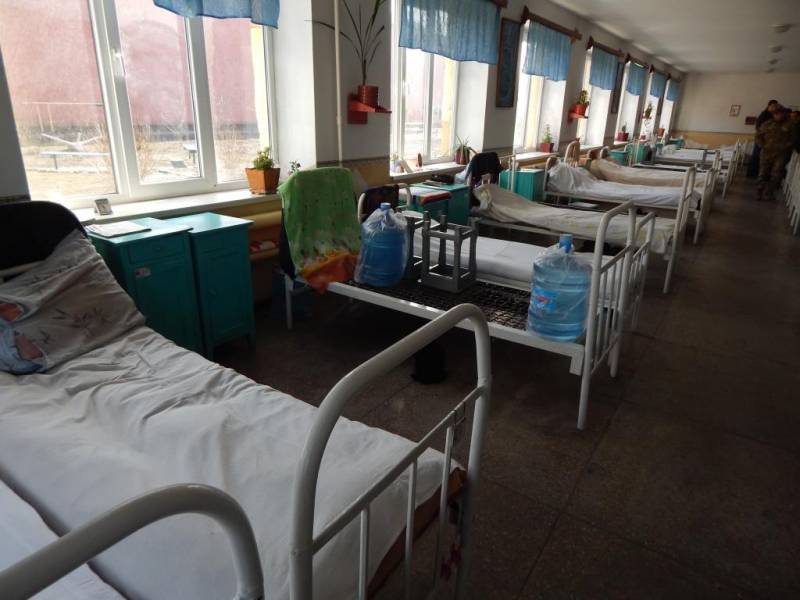
During previous visits, complaints were recorded from prisoners about the quality of water from the central water supply (unpleasant smell, water caused stomach disorders). As before, the administration referred to the conclusions of the sanitary-epidemiological station, according to which the water meets all requirements, and boiled water is provided to prisoners for consumption. However, this time there were bottles of purified water present in the colony, which indicates the inadequate quality of the tap water.
The question of individuals who are being released, but who cannot take care of themselves, or have nowhere to return to in freedom
Those prisoners who are released after serving their sentence and have a pension are accepted into social institutions; others are taken by representatives of religious organisations. The problem for disabled people is that they cannot go to the resocialisation section, unlike healthy prisoners, who are transferred to such a section in the last months of serving their sentence for adaptation to life in freedom.